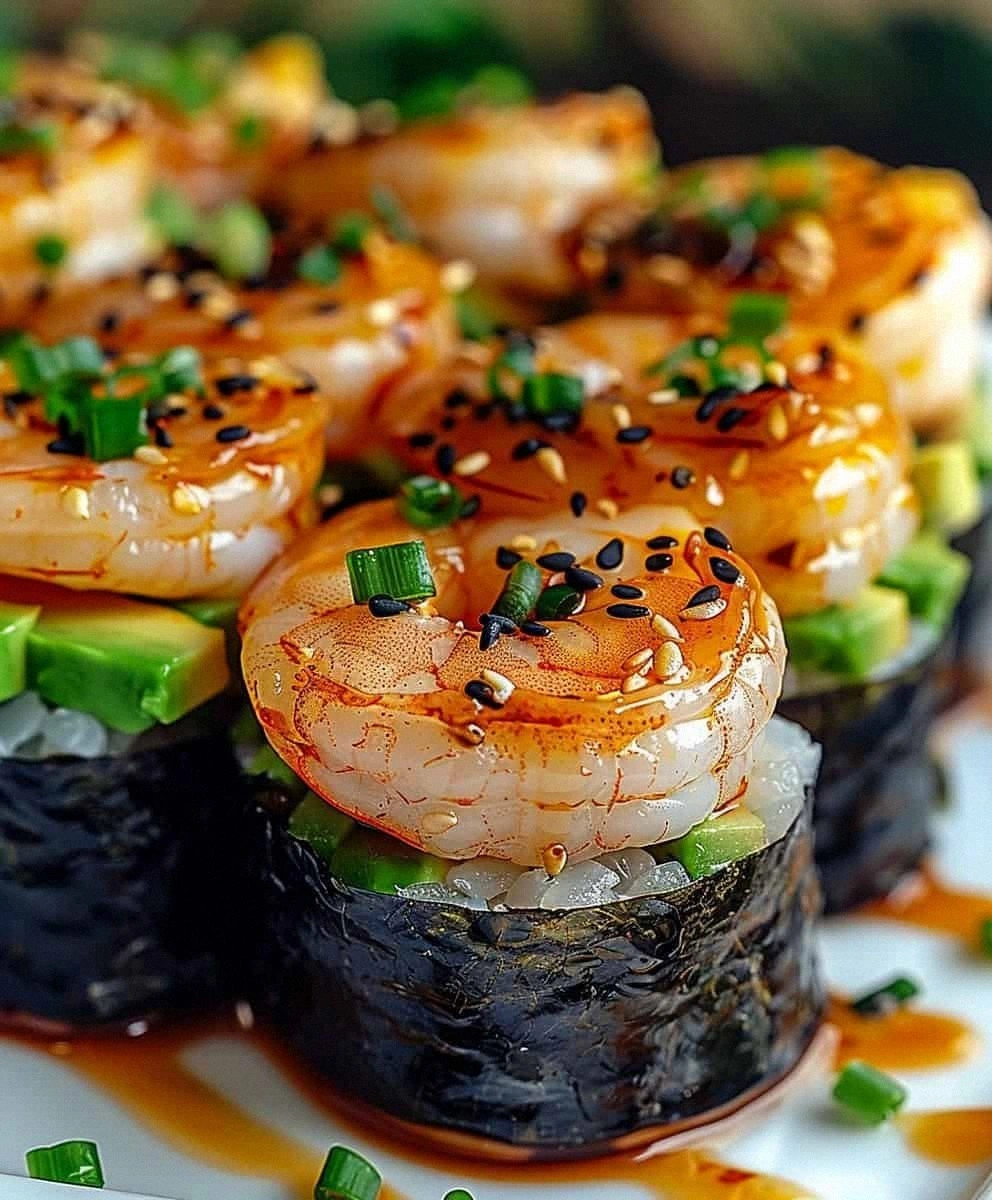
There I was, standing in my kitchen at 11 PM on a Tuesday night, staring at a sad pile of takeout sushi that had seen better days. The rice was dry, the shrimp tasted like rubber bands, and I'd just dropped $40 on what could only be described as disappointment wrapped in seaweed. In that moment of culinary despair, I made a decision that would change my sushi game forever: I would master restaurant-quality sushi at home, or die trying. Okay, maybe not die, but you get the desperation. What followed were three weeks of rice experiments that would make a food scientist weep, shrimp marinades that set off my smoke alarm, and towers of perfectly stacked sushi that looked like they belonged in a Tokyo izakaya. The result? These spicy shrimp sushi stacks that made my dinner guests actually gasp when I brought them to the table. Picture this: perfectly seasoned sushi rice, tender shrimp kissed with just enough heat to wake up your taste buds, and layers of avocado and cucumber that create this incredible contrast of creamy and crisp. That first bite? Pure revelation. The rice yields perfectly to your chopsticks, the shrimp practically melts on your tongue, and that spicy kick sneaks up on you like a plot twist in your favorite show. Let me walk you through every single step — by the end, you'll wonder how you ever made it any other way.
What Makes This Version Stand Out
I've eaten my way through enough disappointing homemade sushi attempts to know exactly where most recipes go wrong. They're either too timid with flavor, too complicated for mere mortals, or they require equipment that costs more than my first car. This version? It's the Goldilocks of sushi recipes — just right in every possible way. The genius lies in the stacking method, which eliminates the need for rolling mats and years of practice. You get all the flavors of hand-pressed sushi without the frustration of watching your carefully rolled maki fall apart like a bad magic trick.
- Flavor Bomb: The combination of perfectly seasoned sushi rice, spicy marinated shrimp, and fresh vegetables creates layers of taste that build with each bite. We're not just throwing ingredients together — we're orchestrating a symphony where each element has its moment to shine.
- Texture Paradise: Creamy avocado meets crunchy cucumber, while tender shrimp provides the perfect chew against the slightly firm rice. It's like a textural playground where every bite offers something new and exciting.
- Weeknight Simple: Despite looking like restaurant fare, these stacks come together in under 45 minutes. No special equipment needed except a good knife and a ring mold (or even a cleaned-out tuna can with both ends removed).
- Impressive Presentation: Tall, elegant stacks that make people think you've been secretly training with a sushi master. The vertical presentation isn't just pretty — it ensures every bite has the perfect ratio of ingredients.
- Make-Ahead Magic: The rice can be prepared hours ahead, and the shrimp marinates while you prep other components. Perfect for dinner parties where you want to spend time with guests, not chained to the kitchen.
- Customizable Heat: Love fire-breathing spice? Add extra sriracha. Prefer gentle warmth? Dial it back. The recipe gives you control over your own destiny (and taste buds).
- Nutrition Powerhouse: Lean protein, healthy fats from avocado, and complex carbs from sushi rice. It's basically health food that tastes like a treat, which is my favorite kind of food lie.
- Instagram Gold: Let's be honest — these stacks photograph like supermodels. Your social media will thank you, and your followers will think you've been taking secret cooking classes.
Alright, let's break down exactly what goes into this masterpiece...
Inside the Ingredient List
Every ingredient in this recipe earns its place through hard work and dedication to your taste buds. There's no filler here, no "maybe I'll add this" components that just take up space. Each element plays a crucial role in creating the final experience, and understanding why they're there will make you a better cook overall. Think of this as your ingredient education — by the time we're done, you'll know exactly why sushi rice behaves differently than regular rice, and why the type of shrimp you buy actually matters.
The Foundation: Sushi Rice That Actually Works
Sushi rice isn't just any rice with vinegar thrown at it — it's a carefully balanced system of starch, acid, and sweetness that creates the perfect sticky texture without turning into glue. The short-grain variety contains just enough amylopectin to hold together when pressed, but not so much that it becomes a solid rice brick. When seasoned properly with rice vinegar, sugar, and salt while still warm, each grain develops this glossy coating that makes it taste like it's been kissed by angels. Skip the seasoning step and you've just got plain rice that refuses to cooperate. Use the wrong rice variety and your towers will collapse like a bad game of Jenga.
The Star: Shrimp That Doesn't Disappoint
Large shrimp are non-negotiable here — they provide the substantial bite that makes these stacks feel like a main course rather than an appetizer. When properly marinated and cooked, they curl into perfect crescents that stack beautifully and deliver that sweet, ocean-kissed flavor that makes sushi so addictive. The size matters because tiny shrimp would disappear between the rice layers, leaving you with expensive vegetarian sushi that nobody ordered. Buy them already peeled and deveined unless you enjoy spending your evening performing surgery on crustaceans. If you can only find smaller shrimp, just use more of them and call it a day.
The Heat: Spicy Elements That Play Nice
Sriracha brings the heat, but it's not just about burning your face off — it's about creating layers of flavor that build and linger. The chili-garlic notes complement the sweet shrimp while the vinegar base cuts through the richness of avocado. Soy sauce adds umami depth that makes everything taste more like itself, while sesame oil provides nutty aromatics that make your kitchen smell like heaven. Together, they create a marinade that transforms ordinary shrimp into something you'll dream about later. Don't even think about skipping the sesame oil — it's the secret handshake that makes everything taste authentic.
The Fresh Factor: Vegetables That Crunch
Avocado isn't just there for Instagram likes — its creamy texture provides the perfect counterpoint to the firm rice and springy shrimp. Choose one that's ripe but still holds its shape, unless you want green mush sliding down your towers. Cucumber needs to be sliced paper-thin so it bends and layers without cracking, adding that essential fresh crunch that keeps the whole thing from feeling too rich. Green onions bring sharp, bright notes that cut through the other flavors like a palate cleanser in vegetable form. Together, they ensure every bite feels balanced and refreshing rather than heavy and overwhelming.
Everything's prepped? Good. Let's get into the real action...
The Method — Step by Step
This is where the magic happens, where ordinary ingredients transform into something that'll make your dinner guests think you've been hiding culinary school training. Don't worry — I'll be right here with you, pointing out the crucial moments when you need to pay attention and the places where you can relax a little. The beauty of this method is that it's forgiving enough for beginners but produces results that'll make experienced cooks jealous.
- Start with the rice — this is your foundation: Rinse 2 cups of sushi rice under cold water until it runs clear, not cloudy. This removes excess starch that would make your rice gummy and sad. In a heavy-bottomed saucepan, combine the rinsed rice with 2.5 cups of water and bring to a boil over medium-high heat. Once boiling, immediately reduce heat to low, cover tightly, and simmer for 18 minutes without lifting the lid — I mean it, don't peek! Remove from heat and let it steam for another 10 minutes. The rice should smell slightly nutty and each grain should be plump and glossy, like tiny pearls.
- Season while hot — timing is everything: While the rice cooks, combine rice vinegar, sugar, and salt in a small saucepan. Heat just until the sugar dissolves — you're not making candy here, just warming it enough to combine. Transfer the hot rice to a large, shallow bowl and drizzle the vinegar mixture over it. Use a wooden spoon to fold the rice gently, making cutting motions rather than stirring, which would crush the grains. Fan the rice while folding to help it cool quickly — this gives it that signature glossy finish. The rice should look like it's been coated with a thin layer of varnish and smell absolutely intoxicating.
- Marinate the shrimp — flavor town express: In a medium bowl, whisk together soy sauce, sriracha, and sesame oil. The mixture should be the color of a beautiful sunset and smell like you want to bathe in it. Add the peeled and deveined shrimp, tossing to coat every surface. Let them hang out for at least 15 minutes while you prep other components — longer if you want more intense flavor, but don't go over an hour or the acid will start to cook the shrimp. The shrimp should turn a deeper pink and look like they've been vacationing in flavor paradise.
- Cook the shrimp — the quick sear method: Heat a large skillet over medium-high heat until a drop of water sizzles immediately. Add the marinated shrimp in a single layer — hear that satisfying sizzle? That's the sound of flavor happening. Cook for 2 minutes on the first side without moving them, letting them develop a slight char. Flip and cook another 1-2 minutes until just cooked through. They should curl into perfect C-shapes and feel firm but still springy when pressed. Overcook them and they'll taste like rubber bands, so stay vigilant.
- Prep your vegetables — the art of thin: Slice the avocado just before assembly to prevent browning — it should yield slightly to pressure but still hold its shape. For the cucumber, use a mandoline or sharp knife to create paper-thin slices that can bend without breaking. Stack these slices and cut into matchsticks that'll layer beautifully in your towers. Chop the green onions on a bias — it looks fancier and exposes more surface area for maximum flavor distribution. Everything should be prepped and ready because assembly moves quickly once you start.
- Assemble the towers — this is the fun part: Find a ring mold, cleaned tuna can with both ends removed, or even a large biscuit cutter. Place it on your serving plate and start with a layer of rice, pressing down firmly but not crushing it. The rice layer should be about 3/4 inch thick — enough to provide structure but not overwhelm. Next, add a layer of cucumber matchsticks, pressing gently so they interlock like a delicious puzzle. Top with shrimp, arranging them in a spiral or overlapping pattern depending on your artistic mood.
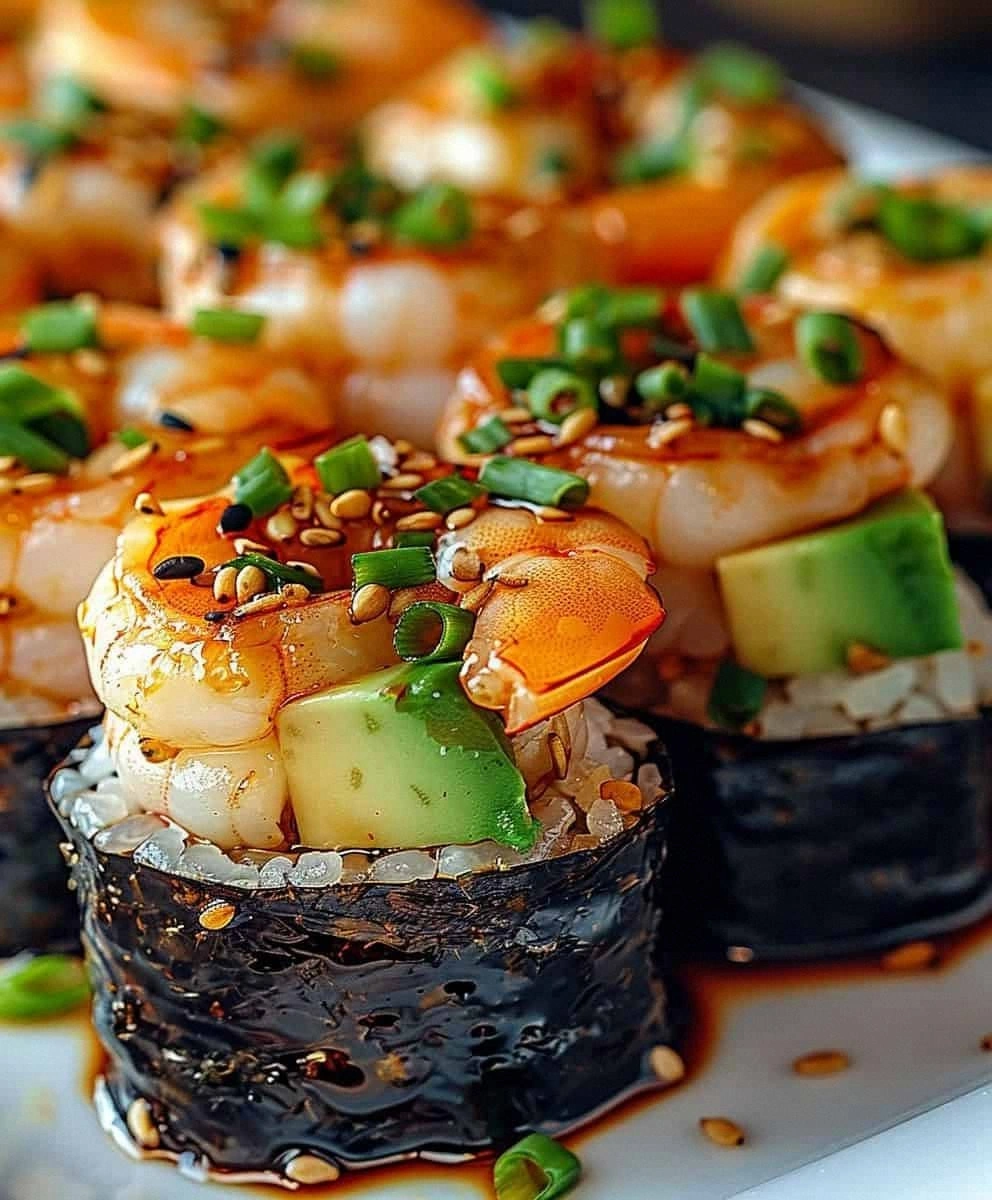
- Build it tall — architectural deliciousness: Add another layer of rice, pressing gently to create stability. Top with avocado slices arranged in overlapping petals or a simple fan pattern. The final layer should be a few more shrimp pieces, arranged like they're posing for their close-up. Carefully remove the mold by lifting straight up while gently pressing down on the top with your fingers. If it sticks, run a thin knife around the edge — it should release cleanly and hold its shape like a proud little tower of deliciousness.
- Garnish and serve — the grand finale: Sprinkle with sesame seeds and green onions for color and crunch. Add a few strips of nori if using — they provide that authentic ocean flavor and look gorgeous draped over the top. Serve immediately with extra soy sauce and sriracha on the side for those who like to customize their heat level. The towers should stand proud and tall, ready to be admired before being devoured. Don't be surprised if your guests pull out their phones — these stacks are basically social media celebrities.
That's it — you did it. But hold on, I've got a few more tricks that'll take this to another level...
Insider Tricks for Flawless Results
After making these stacks more times than I care to admit (my family staged an intervention after week three), I've discovered some game-changing techniques that separate the good from the legendary. These aren't just nice-to-know tips — they're the difference between "this is pretty good" and "holy cow, did you train in Japan?" The best part? Most of them require zero extra effort, just a shift in thinking about what matters and what you can let slide.
The Temperature Rule Nobody Follows
Here's the thing about sushi rice — it needs to be room temperature when you assemble, not warm, not cold, but that perfect middle ground where it behaves like clay in an artist's hands. Warm rice will make your avocado sad and mushy, while cold rice becomes stubborn and refuses to stick together. Spread your rice on a large plate and let it cool naturally for 20-30 minutes, stirring occasionally. If you're in a rush, you can speed this up by placing the bowl in a larger bowl of ice water, but don't let it get too cold or you'll lose that perfect sticky texture. The rice should feel neither warm nor cool to the touch — like it's been sitting in a comfortable room.
Why Your Nose Knows Best
Trust your sense of smell throughout this process — it's your built-in quality control system. The rice should smell slightly sweet and vinegary when properly seasoned, never harsh or acidic. The shrimp marinade should make you want to stick your face in the bowl (but don't, that's weird). When cooking the shrimp, that first whiff of sesame oil hitting the hot pan tells you everything is happening correctly. If something smells off or too strong, it probably is — adjust your seasoning accordingly. I once ignored my nose and ended up with shrimp that tasted like a salt lick, so learn from my mistakes.
The 5-Minute Rest That Changes Everything
After you build your towers but before you garnish them, let them rest for exactly 5 minutes. This allows the rice to settle and the layers to meld together, creating structural integrity that prevents the dreaded tower collapse. During this time, the starches in the rice firm up slightly, and any excess moisture gets absorbed. It's like letting a lasagna rest before cutting — patience pays off in perfect presentation. Use this time to set the table, pour drinks, or just admire your handiwork. When you come back to garnish and serve, your towers will be stable and ready for their close-up.
The Shrimp Size Secret
Size matters more than you'd think — too small and they disappear between layers, too large and they dominate every bite. Large shrimp (26-30 count per pound) are the sweet spot for these stacks. They provide substantial texture without overwhelming the other ingredients. When cooked, they curl into perfect C-shapes that stack beautifully and fit perfectly in each bite. If you can only find jumbo shrimp, just slice them in half lengthwise — problem solved, and you still get that perfect shrimp flavor in every bite.
The Make-Ahead Miracle
You can prep components separately up to 24 hours ahead, which makes this perfect for entertaining. Cook and season the rice, then store it covered at room temperature — never refrigerate sushi rice or it becomes hard and unpleasant. Marinate the shrimp but cook them just before serving for best texture. Slice vegetables and store them separately in airtight containers with damp paper towels to prevent drying out. When guests arrive, you'll just need to sear the shrimp and assemble — you'll look like a kitchen wizard without breaking a sweat.
Creative Twists and Variations
This recipe is a playground. Here are some of my favorite ways to switch things up:
Spicy Tuna Stacks
Swap the shrimp for sushi-grade tuna diced into small cubes. Mix with a touch more sriracha and a splash of lime juice for brightness. The tuna stays tender and practically melts into the rice, creating a completely different but equally addictive experience. Add some diced cucumber to the tuna mixture for extra crunch.
Vegetarian Dream Stacks
Replace shrimp with marinated tofu cubes or tempura-battered vegetables. Use the same marinade but add a touch more sesame oil for richness. Add some pickled vegetables between layers for tang and color — pickled radish adds gorgeous pops of pink.
Surf and Turf Stacks
Add some cooked crab meat or even thin slices of seared beef to the layers. The combination of seafood and landfood (yes, I just made that word up) creates incredible depth. Just keep portions small so the towers don't become unstable skyscrapers.
Tropical Paradise Stacks
Add mango cubes between layers and swap the cucumber for jicama. The sweetness plays beautifully against the spicy elements, and you'll feel like you're eating sushi on a beach somewhere. Add some coconut flakes on top for extra tropical vibes.
Breakfast Stack Surprise
Okay, hear me out — replace shrimp with smoked salmon, add a layer of scrambled egg, and top with everything bagel seasoning. It's like the best parts of a bagel with lox, but fancier. Your brunch guests will think you're a genius.
Korean Fusion Stacks
Add some kimchi between layers and gochujang to the marinade. The fermented cabbage brings incredible umami and just enough funk to keep things interesting. Top with Korean chili flakes for color and extra heat.
Storing and Bringing It Back to Life
Fridge Storage
These stacks are best enjoyed immediately, but if you must store them, wrap individual towers tightly in plastic wrap and refrigerate for up to 24 hours. The avocado will brown slightly, but they'll still taste incredible. Let them come to room temperature for 15 minutes before serving — cold rice is nobody's friend.
Freezer Friendly
Don't. Just don't. Freezing will turn your beautiful rice into a science experiment and your avocado into mush. If you must prep ahead, freeze the components separately and assemble fresh. Your future self will thank you.
Best Reheating Method
If your rice has been refrigerated, steam it briefly over boiling water for 2-3 minutes to restore its texture. The shrimp can be enjoyed cold or quickly seared again for 30 seconds per side. Add a tiny splash of water before reheating — it steams back to perfection without drying out.