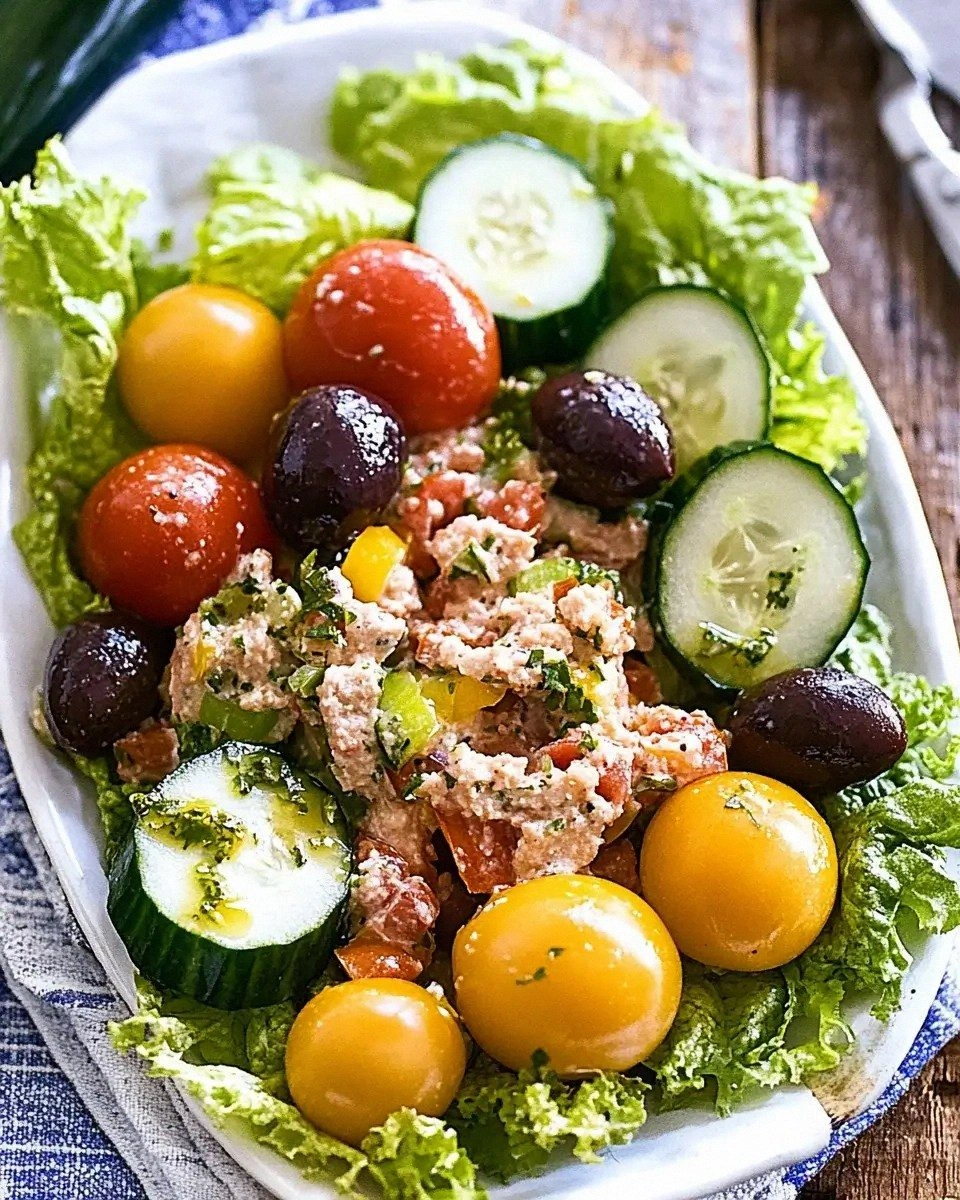
Picture this: I’m standing in my cramped kitchen, the summer sun beating down on the balcony, and a sudden craving for something crisp, tangy, and unapologetically Spanish hits me like a wave. I grabbed the first ripe tomatoes I could find, a cucumber that looked like it was auditioning for a beauty pageant, and a bottle of olive oil that had been sitting untouched for weeks. The moment the knife hit the cutting board, the kitchen filled with the sound of a crisp snap, the scent of fresh garden produce, and the faint whisper of sherry vinegar waiting to be unleashed. I was on the brink of a culinary disaster—my tomatoes were over‑ripe, the cucumber was a bit too firm, and I had no idea how to marry those flavors without turning the whole thing into a soggy mess.
But then, in a flash of inspiration (or perhaps desperation), I remembered a trick my abuela used when making her famous gazpacho: the secret lies not in the ingredients themselves, but in the timing and the way you coax each flavor to shine. I tossed the tomatoes and cucumber into a bowl, gave them a quick drizzle of extra‑virgin olive oil, and let the sherry vinegar sit on the side like a shy guest waiting for an invitation. I minced a single clove of garlic, letting its aroma bloom in the oil before it met the vegetables. The result? A salad that sang with the bright acidity of the tomatoes, the cool crunch of cucumber, and a whisper of garlic that lingered like a good joke at a dinner party.
This version is not just another side dish; it’s a revelation that will make you question every other salad you’ve ever made. Most recipes get this completely wrong—they either drown the vegetables in oil or leave them naked, missing that perfect balance that makes each bite feel like a mini celebration. I dare you to taste this and not go back for seconds. I’ll be honest — I ate half the batch before anyone else got to try it, and that’s a testament to how addictive this simple, yet sophisticated, concoction can be.
Now, I’m about to spill every secret, from the exact cut of the cucumber (yes, the shape matters) to the precise moment you whisk the garlic into the oil so it doesn’t turn bitter. I’m also throwing in a technique you won’t see in any other recipe: a quick flash‑marinate that locks in moisture and amplifies flavor. Okay, ready for the game‑changer? Let me walk you through every single step — by the end, you’ll wonder how you ever made it any other way.
What Makes This Version Stand Out
- Flavor Explosion: The combination of sherry vinegar and extra‑virgin olive oil creates a tangy‑rich dressing that clings to each slice like a silky veil, making every bite pop.
- Texture Symphony: Crisp cucumber cubes contrast with juicy tomato wedges, delivering a crunch‑juiciness duet that’s impossible to resist.
- Simplicity at Its Finest: Only three core ingredients are needed for the dressing, proving that greatness doesn’t require a pantry full of exotic spices.
- Unique Garlic Infusion: By gently warming the garlic in olive oil before mixing, the sharp bite mellows into a buttery undertone that elevates the whole salad.
- Crowd‑Pleaser Factor: This salad has become the go‑to starter at my gatherings; guests often ask for the recipe before the main course even arrives.
- Ingredient Quality Matters: Using a robust Spanish extra‑virgin olive oil and a quality sherry vinegar makes a world of difference—cheap versions taste flat.
- No‑Cook, No‑Mess Method: There’s no roasting, no grilling, just a quick toss, meaning you can throw this together in under 15 minutes.
- Make‑Ahead Magic: The flavors meld beautifully after a short rest, so you can prep it ahead of time and still serve a fresh‑tasting salad.
Inside the Ingredient List
The Flavor Base
Extra virgin olive oil (2 tablespoons): This is the heart of the dressing, providing richness and a buttery mouthfeel. If you skip it, the salad loses its luxurious coating and the vinegar will bite too harshly. For a greener note, try a cold‑pressed Italian olive oil, but remember that a robust Spanish oil adds that authentic depth.
Sherry vinegar (½ tablespoon): Its nutty acidity is what brightens the tomatoes and cucumber without overwhelming them. A splash too much and you’ll end up with a salad that tastes like a vinaigrette gone rogue. If you can’t find sherry vinegar, a good quality red wine vinegar works as a fallback, though you’ll miss the subtle almond undertones.
The Texture Crew
Cucumber (1 large, seeded and diced): Its cool crunch balances the acidity of the dressing. If you forget to seed it, you might end up with excess water diluting the flavors. For a twist, try Persian cucumbers—they’re smaller, sweeter, and have fewer seeds.
Tomatoes (2‑3 medium, ripe and cut into wedges): The juiciness of a ripe tomato is essential; it provides the salad’s natural sweetness. Over‑ripe tomatoes can become mushy, while under‑ripe ones will lack the bright pop you crave. Look for tomatoes that give slightly under pressure—firm yet yielding.
The Unexpected Star
Garlic clove (1, minced): When gently warmed in olive oil, garlic releases a mellow, buttery flavor that permeates the entire salad. Raw garlic would dominate, but this subtle approach lets the other ingredients shine. If you’re sensitive to raw garlic’s bite, try roasting the clove first for a caramelized twist.
The Final Flourish
Sea salt and cracked black pepper (to taste): These seasonings are the unsung heroes that bring the salad together. Salt amplifies the natural sweetness of the tomatoes, while pepper adds a faint heat that lingers on the palate. Don’t over‑salt; a pinch is enough because the olive oil already carries mineral notes.
Everything's prepped? Good. Let's get into the real action...
The Method — Step by Step
First, give your cucumber a good rinse under cold water, then slice it in half lengthwise and scoop out the seeds with a small spoon. Cut the halves into bite‑size dice. The cool snap you feel when you bite into a properly diced cucumber is the first promise of texture that this salad makes.
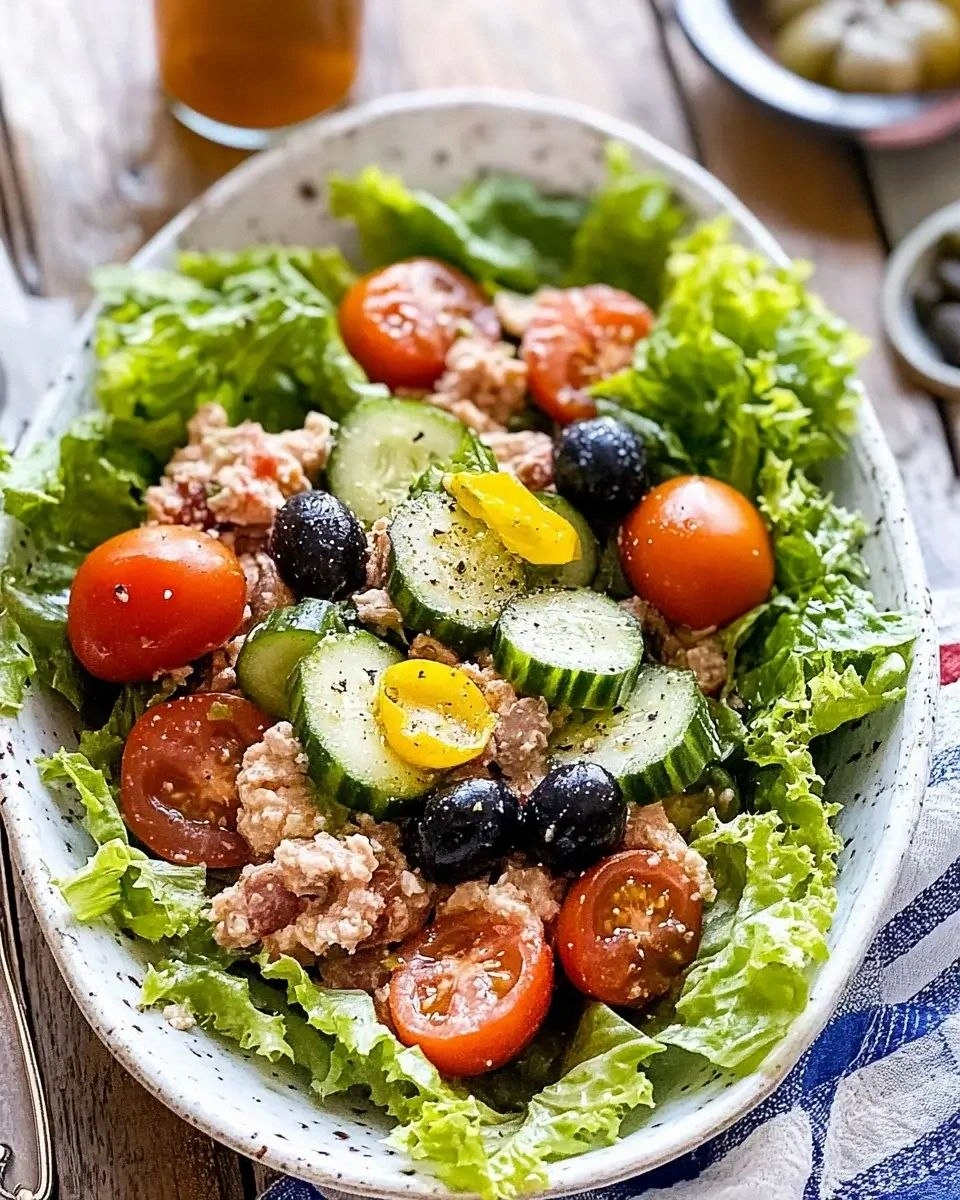
Next, take your tomatoes and, using a serrated knife, cut them into generous wedges. This technique prevents the flesh from turning to mush, preserving that burst of juice in every bite. As you lay the wedges in a large mixing bowl, notice the vivid reds mingling with the green cucumber cubes—a visual cue that flavors are about to collide.
Now, the magic begins: in a small saucepan over low heat, combine the 2 tablespoons of extra‑virgin olive oil with the minced garlic clove. Stir gently for about 45 seconds, just until the garlic becomes fragrant and starts to turn a pale golden hue. Watch out: if the garlic browns, it will turn bitter, ruining the delicate balance.
Watch Out: Keep the heat low; high heat will scorch the garlic and give the dressing an unpleasant burnt flavor.Once the garlic is perfectly mellow, whisk in the ½ tablespoon of sherry vinegar. You’ll hear a soft sizzle as the acidity meets the warm oil—a sound that signals the dressing is emulsifying. Keep whisking for another 20 seconds until the mixture looks glossy and slightly thickened, like a velvety sauce that will coat the salad beautifully.
Kitchen Hack: Transfer the warm dressing to a glass jar, seal, and give it a vigorous shake. The shake creates a perfect emulsion without any extra effort.Drizzle the warm dressing over the tomatoes and cucumber. Using two large spoons, gently toss the salad, making sure each piece is lightly coated. The oil should cling to the vegetables like a satin sheet, not pool at the bottom. If you notice any clumps, give the bowl a quick turn—this ensures an even distribution.
Season with a pinch of sea salt and a grind of black pepper. Taste the salad now; you should feel a bright acidity, a subtle garlic warmth, and a harmonious balance of oil and vinegar. Adjust seasoning if needed—remember, the salt will bring out the tomato’s natural sweetness.
Let the salad rest for five minutes at room temperature. This short pause allows the flavors to meld, turning the raw ingredients into a cohesive masterpiece. While you wait, I dare you to set the timer and practice a quick kitchen dance—trust me, the anticipation makes the first bite even sweeter.
Serve the salad in a shallow bowl or a rustic terracotta dish. Garnish with a few fresh basil leaves or a sprinkle of toasted almond slivers for added texture. Picture yourself pulling this out of the fridge, the whole kitchen smelling incredible, and guests reaching for seconds without even thinking about it.
That's it — you did it. But hold on, I've got a few more tricks that'll take this to another level...
Insider Tricks for Flawless Results
The Temperature Rule Nobody Follows
Never dress a salad with a cold vinaigrette straight from the fridge. Warm the oil and garlic just enough to release aroma, then let the dressing cool for a minute before pouring. This prevents the oil from solidifying on the vegetables and ensures a smooth coating. I once tried a cold dressing and ended up with clumps that looked like tiny oil islands—don’t let that happen to you.
Why Your Nose Knows Best
Before you toss the salad, give the dressing a quick sniff. If you detect a sharp, almost alcoholic bite, the vinegar is too aggressive; add a splash of water or a pinch more oil. Your nose is a built‑in taste‑tester, and it will guide you to the perfect balance faster than any recipe can.
The 5‑Minute Rest That Changes Everything
Allow the salad to sit for exactly five minutes after mixing. This short rest lets the cucumber absorb the vinaigrette, turning its crunch into a juicy bite without becoming soggy. I’ve seen people serve it immediately and wonder why the flavors feel “off” — the rest period is the secret handshake of salad perfection.
Salt Timing Trick
Season the salad in two stages: a light pinch before tossing, and a final sprinkle after the rest. This layered approach prevents over‑salting and ensures the salt is evenly distributed. A friend once added all the salt at once and ended up with a briny disaster; we laughed, but the lesson stuck.
Garlic Power Boost
If you love garlic, crush the clove with the flat side of a knife before mincing. This releases more allicin, giving the oil a deeper, more complex flavor. Just remember to keep the heat low; too much heat will turn that boost into bitterness.
Creative Twists and Variations
This recipe is a playground. Here are some of my favorite ways to switch things up:
Mediterranean Mezze
Add crumbled feta, sliced Kalamata olives, and a sprinkle of oregano. The salty cheese and briny olives amplify the Spanish vibe, turning the salad into a meze platter perfect for sharing.
Spicy Kick
Stir in a finely diced jalapeño or a pinch of smoked paprika. The heat pairs beautifully with the cooling cucumber, creating a dance of fire and ice on the palate.
Herb Garden Burst
Mix in fresh mint, basil, and parsley leaves. The herbaceous notes brighten the dish further, making it an ideal side for grilled fish or chicken.
Fruit Fusion
Swap half the tomatoes for ripe peach slices or juicy watermelon cubes. The sweetness adds a surprising contrast that feels like a summer fiesta in your mouth.
Nutty Crunch
Top the salad with toasted pine nuts or slivered almonds. The nutty crunch adds texture and a buttery flavor that complements the olive oil perfectly.
Vinegar Variations
Replace sherry vinegar with aged balsamic or a splash of red wine vinegar for a different acidity profile. Each vinegar brings its own personality, letting you tailor the salad to the main course.
Storing and Bringing It Back to Life
Fridge Storage
Transfer the salad to an airtight container and store it in the refrigerator for up to 48 hours. The dressing will continue to meld, making the flavors even more harmonious. Before serving, give it a gentle toss to re‑coat any vegetables that may have settled.
Freezer Friendly
While this salad isn’t ideal for long‑term freezing, you can freeze the dressing (oil and vinegar mixture) in ice‑cube trays for up to three months. Thaw the cubes, whisk, and toss with fresh veggies when you’re ready for a quick meal.
Best Reheating Method
If the salad has been refrigerated for a day and feels a bit dry, drizzle a tiny splash of water or a drizzle of fresh olive oil before serving. The added moisture creates a gentle steam that revives the crispness without making it soggy.