I was halfway through a midnight snack attack when my kitchen turned into a smoky battlefield. The pan had turned into a miniature volcano, and my attempt at a quick stir‑fry had left me with a charred mess that smelled like regret. A friend texted me, “You’ve got to try this.” The idea of turning disaster into delight sparked a culinary dare. I decided to pull out the chicken thighs, paprika, lime, and a dash of honey, hoping to create a dish that would rescue the evening.
The aroma that hit me first was the sweet, earthy scent of paprika, instantly calming the chaos. As the chicken browned, a faint crackle whispered of caramelization, promising a crisp skin that would snap like a dry twig. The bright citrus of lime cut through the richness, adding a tang that danced on the tongue. My eyes followed the glaze thickening, a glossy coat that would cling to every bite. The kitchen smelled of hope and hunger, a contrast to the earlier smoke.
What sets this rendition apart is the deliberate balance between smoky heat and citrus brightness, a dance that keeps the palate engaged. The honey introduces a subtle caramel sweetness that lingers, preventing the lime from becoming overpowering. The skin crisps to a golden perfection while the meat stays succulent, a rare feat in quick chicken recipes. It’s a version that refuses to settle for average, delivering depth in every mouthful. I dare you to taste this and not go back for seconds.
The secret sauce? A simple but game‑changing technique that involves searing the thighs skin‑side down until the fat renders and the skin turns a deep amber, then flipping to finish with a glaze that coats the meat like velvet. I’ll walk you through each step, revealing how to control heat, timing, and flavor layering. By the end, you’ll wonder how you ever cooked chicken without this method. Let’s dive into the details, and by the time you’re done, the kitchen will smell like victory.
What Makes This Version Stand Out
- Flavor Fusion: The smoky paprika intertwines with the bright lime, creating a layered taste that feels both bold and refreshing. The honey’s subtle sweetness balances the acidity, ensuring each bite is harmonious rather than conflicting. This combination elevates a simple chicken thigh into a memorable centerpiece.
- Texture Triumph: The skin achieves a caramelized crunch while the interior remains melt‑in‑your‑mouth tender. The glaze locks in moisture, preventing the meat from drying out during the final sear. The result is a contrast of crisp and succulent that satisfies every texture craving.
- Simplicity Supreme: With only ten ingredients, the recipe remains approachable for novice cooks and efficient for seasoned chefs. No complex sauces or obscure spices are required, yet the flavor profile feels sophisticated. This balance of ease and elegance makes the dish a go‑to for any occasion.
- Crowd‑Pleaser Factor: Friends and family rave about the vibrant color and aromatic steam that rises as soon as the thighs hit the pan. The dish is flexible enough to serve as a main, a taco filling, or a protein for a salad. Its universal appeal guarantees that leftovers are almost never wasted.
- Ingredient Integrity: Fresh lime juice, high‑quality paprika, and organic chicken thighs are the pillars of this recipe. Each component is chosen for its natural flavor and minimal processing, ensuring the dish remains pure and unadulterated. This respect for ingredients translates into a cleaner, more authentic taste.
- Make‑Ahead Magic: The thighs can be marinated in advance, allowing flavors to deepen overnight. Even when cooked fresh, the dish retains its appeal when reheated, making it an excellent option for meal prep. This versatility adds significant value to the overall experience.
Alright, let's break down exactly what goes into this masterpiece...
Inside the Ingredient List
The Flavor Base
Fresh lime juice is the cornerstone that cuts through the richness of the chicken and the sweetness of the honey. Its acidity brightens the entire dish, preventing it from feeling heavy. If you’re in a pinch, a splash of bottled lime juice works, but fresh is always preferable. A pinch of sea salt enhances the citrus notes, making the glaze more vibrant.
The Texture Crew
The skin‑on, bone‑in chicken thighs provide a hearty texture that holds up against the glaze. The paprika’s fine particles create a silky coating that adheres to the meat, while the honey’s viscosity locks in moisture. Skipping the skin would result in a drier bite and a less satisfying crunch. Opt for thighs with a generous fat cap to maximize flavor.
The Unexpected Star
Honey or brown sugar may seem like a simple sweetener, but it’s the secret agent that gives the glaze its glossy finish. The natural sugars caramelize during the sear, forming a caramelized crust that adds depth. If you prefer a slightly more complex sweetness, try a splash of maple syrup; it pairs nicely with lime and paprika.
The Final Flourish
Fresh cilantro or parsley provides a burst of herbal freshness that cuts through the richness. It also adds a subtle green hue that makes the dish visually appealing. If cilantro is not to your taste, parsley offers a milder flavor while still delivering the essential freshness. A few lime wedges on the side allow guests to squeeze extra citrus, personalizing each bite.
Everything's prepped? Good. Let's get into the real action...
The Method — Step by Step
- Begin by patting the chicken thighs dry with paper towels; moisture is the enemy of crisp skin. Season both sides generously with salt and black pepper, allowing the spices to penetrate the meat. Let the thighs sit at room temperature for ten minutes to promote even cooking. This brief rest also gives the paprika a chance to adhere better to the surface. As you do this, notice how the aroma of paprika begins to mingle with the fresh lime, creating a subtle perfume that pre‑warmed the senses.
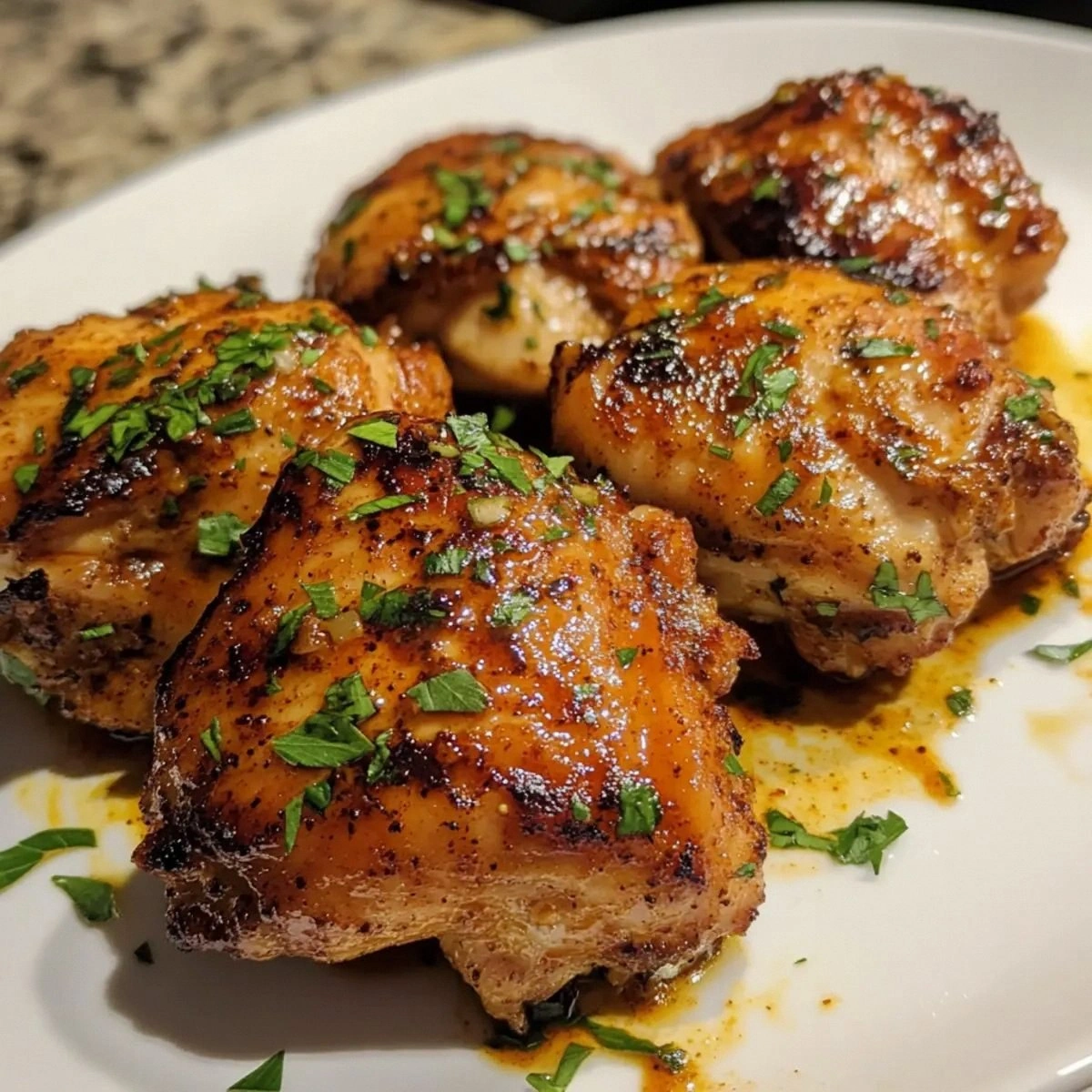
- Heat a heavy skillet over medium‑high heat and add the olive oil, swirling to coat the bottom. Once the oil shimmers, place the thighs skin‑side down, ensuring they are not touching each other. The pan should sizzle immediately, a sign that the temperature is right. Let them cook undisturbed for 5–6 minutes until the skin turns a deep amber and releases easily from the pan. This sear locks in juices and creates a caramelized crust that is the foundation of the dish.
- Flip the thighs and pour the lime juice, honey, garlic, and paprika over the meat. The mixture should bubble and coat the surface, forming a glossy glaze. Use a spoon to baste the thighs, ensuring the glaze reaches every crevice. The combination of heat and liquid will caramelize the sugars, creating a rich, slightly sticky coating. Keep the heat at medium to avoid burning the honey, which can quickly turn bitter.
- Reduce the heat to medium‑low and let the thighs cook for another 8–10 minutes, turning occasionally. The glaze should thicken and develop a deep amber hue. During this stage, the chicken will absorb the lime’s bright acidity, balancing the sweetness. The garlic will release its mellow flavor, adding depth to the sauce. Feel the anticipation build as the aroma fills the kitchen—this is the moment of truth.
- Watch the glaze coat each piece, ensuring the edges pull away from the pan. This visual cue indicates that the thighs are fully cooked and the glaze is set. The internal temperature should reach 165°F (74°C) for safe consumption. If you’re using a thermometer, insert it into the thickest part of the thigh. If you don’t have a thermometer, the meat should feel firm but still slightly springy to the touch.
- Once the thighs are cooked, remove them from the skillet and let them rest on a cutting board for 5 minutes. Resting allows the juices to redistribute, preventing them from spilling onto the plate. This simple step ensures each bite is moist and flavorful. While resting, sprinkle fresh cilantro or parsley over the thighs, letting the herbs release their aroma.
- Slice the thighs into bite‑sized pieces if desired, or serve them whole on a platter. Arrange them with lime wedges on the side for guests to squeeze fresh juice. The dish pairs wonderfully with steamed rice, quinoa, or a crisp green salad. The bright lime and smoky paprika create a flavor profile that is both comforting and adventurous.
- Plate the chicken with a drizzle of any remaining glaze and a sprinkle of chopped cilantro for a final touch. Serve immediately while the skin is still crisp and the glaze is glossy. If you’re presenting for a crowd, consider using a warming dish to keep the thighs at the optimal temperature. The visual appeal of the golden skin and vibrant green garnish will impress even the most discerning diners.
That's it — you did it. But hold on, I've got a few more tricks that'll take this to another level. Stick around for insider tips that will elevate your technique and ensure every bite is flawless.
Insider Tricks for Flawless Results
The Temperature Rule Nobody Follows
Many cooks instinctively turn the heat up to 400°F after searing, but this can cause the glaze to burn before the meat finishes. The trick is to maintain a steady medium‑low heat; this allows the sugars to caramelize gently and the chicken to cook evenly. I once tried a higher temperature and ended up with a charred exterior and raw interior—an experience I’ll never repeat.
Why Your Nose Knows Best
The scent of the sizzling glaze is a reliable indicator of readiness. When the glaze starts to bubble and emit a sweet, caramel aroma, it’s a sign that the sugars are breaking down properly. If the scent is sharp or burnt, reduce the heat immediately to prevent bitterness.
The 5‑Minute Rest That Changes Everything
Resting the chicken after cooking is not just a courtesy; it’s a game‑changer. During this brief pause, the juices redistribute throughout the meat, ensuring each bite is succulent. A friend once skipped this step and found the chicken dry; he learned the hard way that a simple 5‑minute rest saves the dish.
Balancing Sweet and Sour
Too much honey can mask the lime’s brightness, while too little will leave the glaze thin. Adjust the ratio by adding a teaspoon of honey for every cup of lime juice if you prefer a sweeter glaze. Conversely, for a more tangy profile, reduce the honey by half and increase the lime juice slightly.
Choosing the Right Skillet
A cast‑iron skillet is ideal for this recipe due to its even heat distribution and ability to retain high temperatures. If you lack a cast iron, a stainless steel pan works well, but ensure it’s preheated properly to avoid sticking. The key is a hot surface that creates a crisp skin without burning the glaze.
Storing Leftovers
Store leftover thighs in an airtight container in the refrigerator for up to 3 days. Reheat in a preheated oven at 350°F (175°C) for 10 minutes, or until warmed through. If the skin has lost its crispness, a quick sear in a hot skillet can restore it.
Creative Twists and Variations
This recipe is a playground. Here are some of my favorite ways to switch things up:
Smoky Chipotle Twist
Replace regular paprika with chipotle powder for a smoky heat that pairs beautifully with lime. Add a splash of adobo sauce to deepen the flavor. This version is perfect for those who love a kick in their meals.
Asian Fusion Flair
Swap olive oil for sesame oil and add a tablespoon of soy sauce to the glaze. Finish with a sprinkle of toasted sesame seeds and a drizzle of sriracha. The result is a cross‑cultural delight that feels both familiar and novel.
Herb‑Infused Variation
Introduce a handful of fresh oregano or thyme during the cooking stage. The herbs infuse the glaze with aromatic depth, while the lime keeps the dish bright. This variation works wonderfully with a side of roasted vegetables.
Breakfast Bonanza
Serve the thighs with scrambled eggs and a side of sautéed spinach for a protein‑packed breakfast. The citrusy glaze complements the mildness of the eggs, creating a satisfying morning meal.
Low‑Carb Delight
Pair the chicken with cauliflower rice or a green salad instead of grains. The lime glaze stays low in carbs while still delivering bold flavor. This is an excellent option for keto or paleo enthusiasts.
Spicy Coconut Kick
Add a tablespoon of coconut milk to the glaze and finish with a sprinkle of crushed red pepper flakes. The coconut provides a creamy backdrop that balances the lime’s acidity. This tropical twist is ideal for summer gatherings.
Storing and Bringing It Back to Life
Fridge Storage
Cool the thighs to room temperature, then place them in an airtight container. Store in the refrigerator for up to 3 days. When ready to serve, reheat in a skillet over medium heat until warmed through; this helps revive the crisp skin.
Freezer Friendly
Wrap each thigh individually in parchment paper and place them in a freezer bag. They remain fresh for up to 4 months. Thaw overnight in the refrigerator before reheating in a preheated oven at 350°F (175°C) for 15 minutes.
Best Reheating Method
To restore moisture, add a splash of water to the pan before reheating; the steam will re‑hydrate the meat without drying it out. Finish with a quick sear to crisp the skin. This technique keeps the dish tasting fresh and vibrant.