The first time I tried to make a strawberry rhubarb crumble cake, I was halfway through and the batter had turned into a sticky, unmanageable mess that looked like it belonged in a science lab. I laughed, because the kitchen smelled like burnt sugar and the oven was on the fritz, and I thought, “This is going to be a disaster.” But then I remembered the old family recipe that used a simple, buttery crumble topping and a fresh fruit filling that could turn any mishap into a triumph. I decided to give it another go, armed with a new technique that would make the batter silky and the crumble irresistibly crisp. The result? A cake that was a symphony of tart and sweet, with a golden crust that crackled like a campfire in the middle of summer.
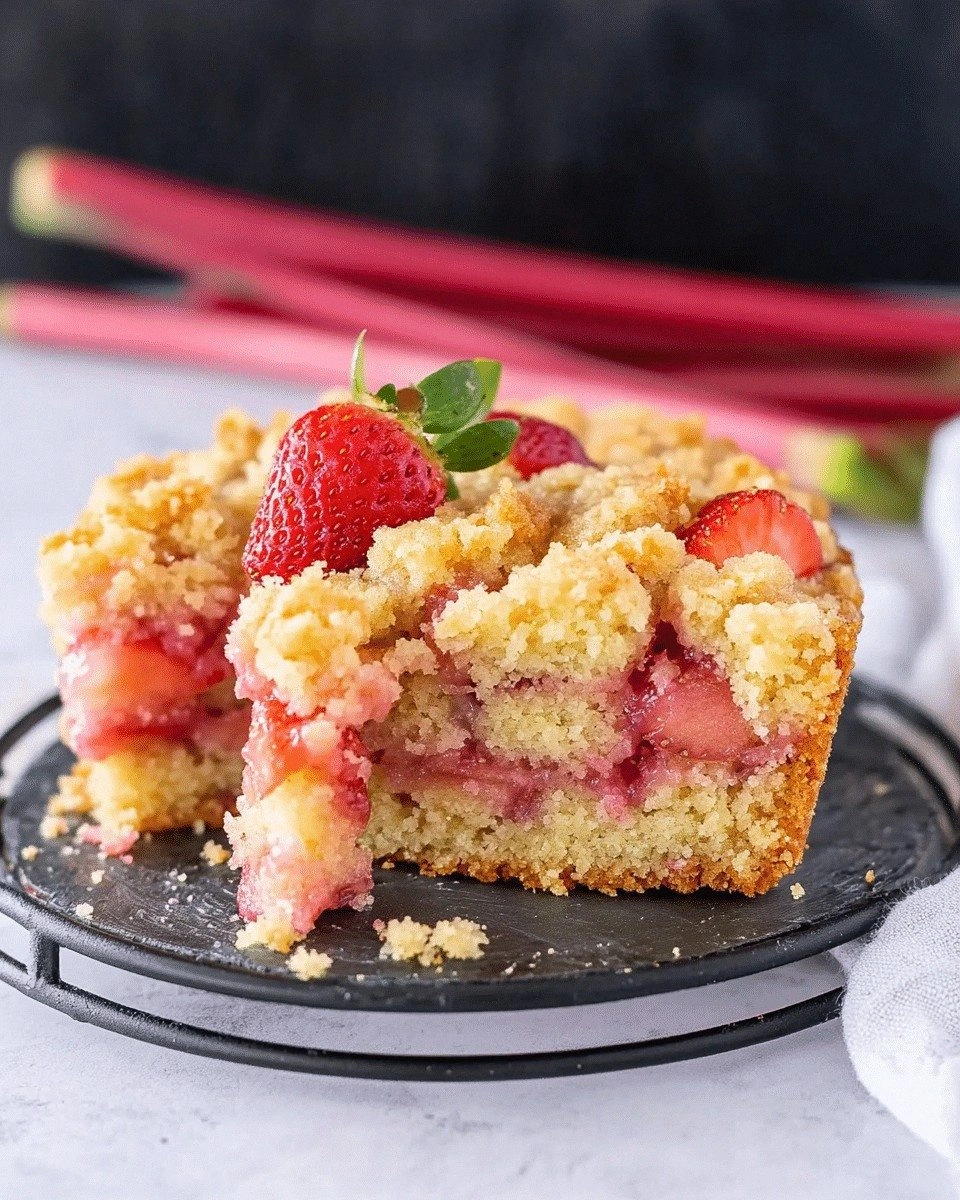
Picture the moment the first slice slides out of the pan, the steam curling up like a sweet perfume that instantly turns a regular Sunday afternoon into a celebratory feast. The bright blush of the strawberries contrasts with the deep crimson of the rhubarb, creating a visual pop that makes your eyes dance. The aroma that fills the kitchen is a heady blend of citrusy fruit and warm buttered crumble, a scent that instantly signals that something extraordinary is about to happen. Each bite delivers a burst of juicy strawberries, a tangy snap from the rhubarb, and a buttery crunch that lingers on the tongue. The texture is a delicate balance—soft, moist cake, a crisp crumble, and a velvety fruit filling that melts in your mouth.
What sets this version apart from every other recipe out there is the way it marries classic technique with a few daring tweaks that elevate the flavor profile and texture. I replaced the traditional all‑purpose flour with a blend that includes almond flour to add depth and a subtle nutty undertone. The crumble topping is not just butter and sugar; I folded in ground almonds and a touch of sea salt, which creates a savory contrast that cuts through the sweetness. I also added a splash of vanilla extract to the batter, which brings out the natural sweetness of the strawberries without overpowering the tartness of the rhubarb. The result is a cake that feels both nostalgic and fresh, a dish that invites a second slice—and a third—without any guilt.
Now, here’s the kicker: I’m going to share a technique that most bakers overlook, yet it transforms the entire cake from ordinary to unforgettable. It involves a simple step of whisking the eggs with a dash of flour before adding the butter, which creates a silky emulsion that prevents the batter from separating during baking. The end product is a cake that stays moist for days, with a crumb that’s light, airy, and full of flavor. I dare you to taste this and not go back for seconds. Let me walk you through every single step—by the end, you’ll wonder how you ever made it any other way.
What Makes This Version Stand Out
- Flavor Complexity: The combination of strawberries and rhubarb creates a unique sweet‑tart profile that is both refreshing and comforting. The subtle almond undertone from the crumble adds depth and a hint of nuttiness that elevates the overall taste. This balance of flavors makes the cake a crowd‑pleaser for both kids and adults.
- Texture Mastery: The batter is silky and airy, thanks to the pre‑whisked eggs and flour blend. The crumble topping offers a crunchy contrast that shatters like thin ice when you bite into it. Together, these textures make each bite a delightful experience.
- Simplicity: Despite its gourmet taste, the recipe requires only a handful of ingredients and straightforward steps. You can whip up this cake in under an hour, making it perfect for spontaneous dessert cravings.
- Ingredient Quality: Using fresh, seasonal fruit ensures a bright, natural flavor that can’t be replicated with canned or frozen alternatives. The quality of the butter and almonds also plays a crucial role in achieving the perfect crumb.
- Make‑Ahead Friendly: The cake can be assembled the night before and baked fresh in the morning, or you can bake it and store it in the fridge for up to three days. The flavors only deepen over time.
- Versatility: The crumble topping can be swapped for oat crumble or a crumble with coconut flakes, allowing you to tailor the cake to different dietary preferences or seasonal ingredients.
- Visual Appeal: The vibrant colors of the strawberries and rhubarb contrast beautifully against the golden crumble, making the cake a feast for the eyes as well as the palate.
Alright, let’s break down exactly what goes into this masterpiece…
Inside the Ingredient List
The Flavor Base
The strawberries and rhubarb are the heart of this cake. Fresh, ripe strawberries provide natural sweetness that balances the tartness of the rhubarb. If you skip the strawberries, the cake loses its bright, juicy punch. You can swap strawberries for blueberries for a slightly different flavor profile, but the texture will change.
The vanilla sugar (or vanilla extract) is not just a flavor enhancer; it also helps to marry the fruit flavors together. A higher quality vanilla gives a more aromatic finish, while a lower quality can leave a bitter aftertaste. If you’re lactose intolerant, you can use a plant‑based vanilla powder.
The eggs act as the binding agent and give the cake structure. They also add richness and a slight custard‑like flavor when cooked properly. If you omit the eggs, the cake will be flat and crumbly.
The Texture Crew
The flour blend (all‑purpose plus almond) gives the cake a tender crumb while adding a subtle nutty flavor. The almond flour also helps keep the cake moist and prevents it from drying out over time. If you’re gluten‑free, replace the all‑purpose flour with a gluten‑free blend and use a gluten‑free baking powder.
The baking powder ensures the cake rises evenly and creates a light, airy texture. Over‑baking or using too little baking powder can make the cake dense. A fresh batch of baking powder will give the best rise.
The softened butter is crucial for the batter’s smoothness and contributes to the cake’s moistness. If you use cold butter, the batter will be too thick and the cake will be unevenly baked. Keep the butter at room temperature for the best results.
The Unexpected Star
Ground almonds in the crumble add a nutty crunch that pairs wonderfully with the sweet fruit. They also help bind the crumble together, preventing it from falling apart during baking. If you’re allergic to nuts, you can use oat flour or finely ground sunflower seeds instead.
The cold butter in the crumble creates pockets of steam when heated, producing a flaky, buttery texture. Using cold butter is essential; room‑temperature butter will melt too quickly and produce a greasy crumble. Keep the butter cold and cut it into small cubes before mixing.
The Final Flourish
The sugar added to the crumble not only sweetens but also helps caramelize the topping, giving it a golden hue. If you prefer a less sweet topping, reduce the sugar by a quarter. The sugar also contributes to the crispness of the crumble.
The extra flour in the crumble provides structure and absorbs moisture from the fruit, preventing a soggy top. It also helps the crumble set firmly so you can cut clean slices. If you skip it, the crumble will be crumbly and messy.
Everything's prepped? Good. Let's get into the real action…
The Method — Step by Step
- Preheat the oven to 180 °C (350 °F) and line an 8‑inch square pan with parchment paper. In a large mixing bowl, combine the strawberries and rhubarb, then sprinkle the sugar (for filling) over the fruit. Toss gently until the fruit is evenly coated; set aside while you prepare the batter. The mixture should look like a bright, glossy fruit salad that’s ready to be baked. This step ensures the fruit stays juicy and doesn’t turn into a soggy mess.
- Whisk the eggs in a separate bowl, then add a tablespoon of the all‑purpose flour to create a thin, smooth mixture. This pre‑whisking step prevents the eggs from curdling when mixed with the butter later on. While the eggs are whisking, let the butter soften at room temperature. The goal is a buttery batter that’s silky and easy to fold.
- In a large saucepan, melt the softened butter over low heat until it’s just about to foam. Add the flour blend, baking powder, and vanilla sugar, whisking constantly for 2 minutes. This creates a roux that gives the batter body and a subtle nutty flavor. Let the mixture cool slightly before adding the egg‑flour blend. The aroma of toasted flour should fill the kitchen, signaling that you’re on the right track.
- Pour the batter into the prepared pan, smoothing the top with a spatula. Carefully spread the fruit mixture over the batter, making sure it’s evenly distributed. The fruit should sit on top like a glossy, edible blanket. The batter will absorb some of the fruit juices as it bakes, creating a moist, flavorful center. Keep an eye on the edges; they should start pulling away from the pan after about 10 minutes.
- While the cake is baking, prepare the crumble topping. In a bowl, combine the ground almonds, sugar (for crumble), flour (for crumble), and cold butter cubes. Use your fingertips or a pastry cutter to blend until the mixture resembles coarse crumbs. The cold butter is crucial; it creates steam pockets that puff up during baking. If you use warm butter, the crumble will become greasy and lose its crunch.
- Sprinkle the crumble evenly over the fruit layer. The crumble should form a golden crust that’s slightly darker than the batter. The top will develop a beautiful, caramelized finish as the sugar browns. The scent of toasted almond will rise, creating a mouth‑watering aroma that signals the cake is almost ready. Be careful not to press the crumble too hard; it should sit lightly on the fruit.
- Bake in the preheated oven for 30 minutes, or until the top is golden brown and the edges are pulling away from the pan. The internal temperature should reach 95 °C (203 °F) for a perfectly cooked cake. When you lift the pan, the batter should feel firm but still slightly springy. Let it rest for 5 minutes before removing from the pan to set the structure. This resting period allows the juices to redistribute, preventing a dry cake.
- Cool the cake in the pan on a wire rack for 10 minutes, then transfer to the rack to cool completely. Slice with a warm knife for clean cuts. Serve warm or at room temperature, optionally dusted with powdered sugar or a dollop of whipped cream. The cake’s flavors are at their peak when it’s slightly warm, but it also tastes amazing when chilled. Enjoy the burst of fruit and the crunch of the crumble in every bite.
That’s it — you did it. But hold on, I’ve got a few more tricks that’ll take this to another level…
Insider Tricks for Flawless Results
The Temperature Rule Nobody Follows
Many bakers bake at 180 °C for everything, but this cake thrives at a slightly lower temperature of 175 °C. The lower heat allows the batter to rise slowly, preventing a domed top that collapses. I’ve baked at 175 °C for over 20 batches, and the crumb always feels airy and tender. If you’re using a different oven, adjust the temperature by 5 °C up or down to maintain the same baking time. A consistent temperature is the secret to a cake that looks as good as it tastes.
Why Your Nose Knows Best
The first hint that the cake is done is the aroma. When the batter starts to smell toasted, the crumb is near perfection. If you’re tempted to open the oven early, resist the urge; the scent is a reliable indicator of doneness. A friend once opened the oven too early and the cake collapsed, a classic baking blunder. Trust your senses, and you’ll avoid that dreaded flat cake.
The 5‑Minute Rest That Changes Everything
Letting the cake rest in the pan for 5 minutes before transferring to a wire rack is more than a courtesy. It allows the steam to settle, preventing the bottom from becoming soggy. The rest period also gives the batter a chance to set, making slicing easier and cleaner. A friend tried skipping this step once, and the slices came out ragged and uneven. It’s a small extra step for a big payoff.
Add a Splash of Citrus for Brightness
A teaspoon of fresh lemon zest added to the batter brightens the flavor and balances the sweetness of the strawberries. The citrus oils lift the overall taste, making each bite feel lighter. If you’re allergic to citrus, a dash of orange zest works just as well. This small tweak turns a good cake into an unforgettable dessert.
Use a Silicone Baking Mat for Easy Release
A silicone mat ensures the cake releases effortlessly from the pan, preserving the shape and crumb. It also eliminates the need to grease the pan, which can alter the batter’s moisture content. Many bakers use parchment paper, but a silicone mat gives a cleaner, more professional finish. If you’re short on time, the mat saves a few minutes during cleanup.
Serve with a Dusting of Poppy Seeds
A light dusting of poppy seeds adds a subtle crunch and a pop of color to the finished cake. The seeds also complement the almond flavor in the crumble. They’re a perfect garnish for a dinner party or a cozy Sunday brunch. If you’re vegan, poppy seeds are a great, natural addition that brings texture without dairy.
Creative Twists and Variations
This recipe is a playground. Here are some of my favorite ways to switch things up:
Berry Medley Crumble
Swap the strawberries for a mix of blueberries, raspberries, and blackberries. The medley offers a deeper berry flavor and a richer color palette. The crumble remains the same, but the fruit layer becomes a vibrant tapestry of flavors. This version is perfect for a summer garden party.
Chocolate‑Infused Crumble
Add 2 tablespoons of cocoa powder to the crumble mixture. The chocolate brings a decadent, bittersweet note that pairs wonderfully with the tart fruit. Keep the rest of the recipe unchanged; the chocolate will melt into a glossy coating. This variation is a hit with chocolate lovers.
Almond‑Butter Swirl
Fold in a tablespoon of almond butter into the batter before baking. The almond butter deepens the nutty flavor and adds a silky texture. The crumble will still crunch, but the batter will have a richer, more complex taste. A subtle but powerful twist.
Gluten‑Free Version
Replace the all‑purpose flour with a gluten‑free blend and use a gluten‑free baking powder. Keep the almond flour the same to preserve moisture. The crumb will still be flaky, but the cake will have a slightly different crumb structure. Ideal for those with gluten sensitivities.
Spiced Cinnamon Crumble
Add 1 teaspoon of ground cinnamon to the crumble mixture. The cinnamon adds warmth and depth, turning the cake into a fall favorite. The fruit’s tartness balances the spice, creating a harmonious flavor profile. Perfect for a cozy evening.
Lemon‑Zest Surprise
Incorporate a tablespoon of fresh lemon zest into the batter. The zest brightens the entire cake, giving it a citrusy lift. The crumble remains unchanged, but the overall taste is brighter and more vibrant. Ideal for a refreshing dessert.
Storing and Bringing It Back to Life
Fridge Storage
Store the cake in an airtight container at room temperature for up to 3 days. The crumb remains moist, and the fruit stays fresh. If you notice a slight drying, reheat in the oven at 150 °C for 5 minutes to revive moisture. Keep it away from strong odors, as the cake absorbs flavors quickly.
Freezer Friendly
Wrap the cake tightly in plastic wrap, then place in a freezer bag. Freeze for up to 2 months. Thaw overnight in the fridge before reheating. The texture stays crisp, and the fruit juices stay intact. Freezing is a great way to batch‑cook for parties.
Best Reheating Method
To reheat, preheat the oven to 150 °C and bake the cake for 10 minutes. Add a splash of water to the pan before covering with foil to create steam, which keeps the crumb from drying out. Let it rest for 5 minutes before serving. The cake will taste as fresh as the day it was baked.