I still remember the night I burned the entire pot of rice and the kitchen smelled like charred disappointment. My friends laughed, but I was determined to turn that disaster into a triumph. That same evening, I craved something sweet, savory, and comforting—something that could lift my spirits and satisfy my hunger. I turned to the humble green cabbage, a vegetable that many shy away from, and decided it was the perfect canvas for a daring experiment. I sliced it thick, plated it like a steak, and drizzled a mixture of honey and balsamic vinegar that sang a sweet, tangy melody. The aroma that filled the room was unmistakably mouth‑watering: the sweet perfume of honey mingled with the sharp, fruity notes of aged balsamic, while a faint hint of garlic and thyme whispered through the air.
If you've ever found yourself staring at a head of cabbage and thinking, "Is this even worth it?" then this recipe is your ticket to a culinary revelation. I dare you to taste this and not go back for seconds. The first bite delivers a crisp, caramelized crust that shatters like thin ice, followed by a tender interior that melts in your mouth. The sauce, thick as velvet and sweet as honeycomb, coats each slice, turning a simple vegetable into a showstopper. Picture yourself pulling this out of the oven, the whole kitchen smelling incredible, and every eye in the room turning to you as you plate the final masterpiece.
What makes this version stand out is not just the flavor but the confidence I bring to every step. I’ve refined the technique until it’s almost second nature: the perfect sear, the ideal glaze consistency, and the timing that ensures the cabbage remains tender yet firm. I’ll walk you through every single step—by the end, you’ll wonder how you ever made it any other way. Let’s dive into the details, because this isn’t just a recipe; it’s a culinary manifesto that will change how you view cabbage forever.
What Makes This Version Stand Out
Flavor: The honey‑balsamic glaze creates a sweet‑savory symphony that elevates the natural earthiness of cabbage. The glaze thickens to a glossy coating that clings to every bite, delivering a burst of flavor with each chew.
Texture: A crisp, caramelized exterior meets a tender, buttery interior. The contrast is like biting into a perfectly cooked steak—only without the meat, and just as satisfying.
Ease: No elaborate prep or exotic ingredients. Olive oil, honey, balsamic, garlic, and a few seasonings are all you need. The method is straightforward enough for a novice yet refined enough to impress.
Visual Appeal: The glossy glaze and vibrant green flesh make for a dish that looks as good as it tastes. It’s a centerpiece that will wow guests at any dinner party.
Crowd‑Pleaser: Even the most skeptical diners will be won over by the caramelized edges and sweet‑tart sauce. It’s a dish that invites conversation and compliments.
Ingredient Quality: Fresh, organic cabbage and high‑quality balsamic vinegar make the difference. The better the ingredients, the more pronounced the flavors.
Versatility: Serve it as a hearty main with roasted veggies, or slice it thin for a gourmet sandwich. The recipe adapts to any occasion.
Make‑Ahead Potential: You can prepare the glaze ahead of time and reheat the cabbage gently, saving time on busy nights.
Alright, let’s break down exactly what goes into this masterpiece…
Inside the Ingredient List
The Flavor Base
At the heart of this dish is the honey‑balsamic glaze. Honey provides a natural sweetness that caramelizes beautifully when heated, while balsamic vinegar adds acidity that cuts through the richness of olive oil and butter. Together, they form a glaze that is thick enough to cling to each cabbage steak yet thin enough to pour smoothly. If you’re watching your sugar intake, you can replace honey with a low‑glycemic sweetener like maple syrup, but the caramelization will differ slightly. The acidity of balsamic is crucial; a low‑acid vinegar will leave the glaze tasting flat.
When making the glaze, start by whisking honey and balsamic together over low heat. Let the mixture simmer until it reduces by about a third, forming a syrupy consistency. This reduction concentrates the flavors and creates a glossy sheen that is simply irresistible.
The Texture Crew
Olive oil is the secret weapon that creates a golden crust on the cabbage steaks. It conducts heat efficiently and prevents sticking. A splash of butter added at the end of cooking adds richness and a silky finish. Garlic, minced finely, distributes its pungent aroma throughout the dish, while thyme brings a subtle herbal note that balances the sweetness.
The pepper and salt are the unsung heroes that elevate every component. A pinch of red pepper flakes, if you like a bit of heat, can add a pleasant kick without overpowering the glaze. Remember, the key to a balanced dish is seasoning in stages—first on the cabbage, then in the glaze, and finally in the finishing butter.
The Unexpected Star
The cabbage itself is the unexpected star. Often dismissed as a side, it becomes the main event when sliced into thick steaks. Choose a fresh, crisp green cabbage; it should feel firm with a slight give when pressed. The thicker the cut, the more caramelized surface area you’ll achieve, giving you that coveted crunch that shatters like thin ice.
If you’re craving a twist, try a baby cabbage or a collard green. The flavor profile will shift subtly, offering new nuances while still harmonizing with the glaze. The cabbage’s natural sugars caramelize during searing, creating a sweet, nutty flavor that complements the honey‑balsamic sauce.
The Final Flourish
A final drizzle of high‑quality balsamic vinegar right before serving adds a bright, tangy finish that cuts through the richness of the glaze. A sprinkle of freshly ground black pepper or a dash of smoked paprika can add depth and visual contrast. The finishing touch is a light dusting of chopped fresh herbs—parsley or chives—to bring brightness and a pop of color.
Everything's prepped? Good. Let's get into the real action…
The Method — Step by Step
- Prepare the Cabbage: Remove the outer leaves of the cabbage, trim the core, and cut it into 1.5‑inch thick steaks. Pat each steak dry with paper towels to remove excess moisture. This step is crucial; a dry surface ensures a crisp sear and prevents steaming. I swear, the first time I forgot to dry them, the steaks turned soggy and the glaze stuck to the pan. The lesson: moisture equals mess.
- Season the Steaks: Lightly brush both sides with olive oil. Sprinkle salt, pepper, and a pinch of red pepper flakes over each side. The oil not only aids in caramelization but also serves as a flavor conduit for the spices. As the steak cooks, the seasonings will form a savory crust that anchors the glaze.
- Preheat the Pan: Heat a cast‑iron skillet over medium‑high heat until it’s smoking just slightly. Cast iron retains heat exceptionally well, giving the cabbage a consistent sear. If you’re using a non‑stick pan, increase the heat to medium‑high and add a splash of oil to prevent sticking.
- Sear the Cabbage: Place the seasoned steaks in the hot skillet, skin side down if you have a skin‑on variety. Let them sear undisturbed for 4–5 minutes until a deep golden brown crust forms. Flip carefully with a spatula and sear the other side for an additional 3–4 minutes. The goal is a caramelized exterior with a tender interior.
- Make the Glaze: While the cabbage cooks, whisk honey and balsamic vinegar together in a small saucepan. Warm over low heat, stirring until the mixture thickens to a syrupy consistency, about 5–7 minutes. Watch the color change from bright to amber; that’s the sweet caramelization you’re after. If the glaze thickens too quickly, lower the heat.
- Add Garlic and Thyme: Once the glaze is ready, stir in minced garlic and dried thyme. Let the mixture bubble gently for 1–2 minutes. The garlic releases its aroma, while the thyme adds a subtle herbal depth. This is the moment of truth—your senses will thank you.
- Glaze the Cabbage: Reduce the skillet heat to medium. Brush the glaze generously over each steak, then spoon any excess from the pan onto the cabbage. The glaze should coat the surface like a glossy coat of lacquer. Let it cook for 2–3 minutes, allowing the sauce to thicken and adhere.
- Finish with Butter: Add a tablespoon of butter to the skillet. Let it melt, then spoon it over the steaks. The butter adds a velvety richness that balances the acidity of the glaze. As it melts, the butter will bubble and create a slight steam, helping to keep the cabbage moist inside.
- Serve Immediately: Transfer the steaks to a serving platter. Drizzle any remaining glaze from the pan over the top. Garnish with fresh herbs, a squeeze of lemon if desired, and a final sprinkle of pepper. Plate them hot for maximum flavor and texture.
That’s it—you did it! But hold on, I’ve got a few more tricks that’ll take this to another level. The next section will show you how to perfect every element, from the glaze’s consistency to the cabbage’s final bite.
Insider Tricks for Flawless Results
The Temperature Rule Nobody Follows
Many cooks overheat the skillet, causing the glaze to burn before the cabbage finishes. The trick is to start at medium‑high for the initial sear, then drop to medium when adding the glaze. This temperature shift preserves the honey’s sweetness while preventing acrid bitterness. If you’re using a gas stove, a quick test is to flick a few drops of water onto the pan; if they dance and evaporate immediately, the heat is too high.
Why Your Nose Knows Best
During the glaze reduction, keep your nose close. The sweet aroma that rises signals the glaze has reached the right thickness. If it smells too sweet, give it a minute more; if it’s still raw, it needs more time. Your nose is a reliable gauge that will save you from under‑cooked or over‑cooked glaze.
The 5‑Minute Rest That Changes Everything
After you finish cooking, let the cabbage steaks rest for five minutes before serving. This allows the juices to redistribute, ensuring each bite is juicy rather than dry. I’ve seen people cut straight to the plate, only to find the center was stubbornly dry. The rest period is the secret to that buttery mouthfeel.
Use a Cast‑Iron Skillet for Even Heat
Cast iron is a game‑changer. It holds heat evenly, giving the cabbage a uniform crust. If you’re using a stainless steel pan, preheat it longer and add a little more oil to prevent sticking. The result is a more consistent caramelization across all steaks.
Finish With a Splash of Lemon
A squeeze of fresh lemon juice over the finished dish adds a bright, acidic punch that cuts through the richness of the glaze and butter. It also enhances the natural sweetness of the cabbage, creating a balanced flavor profile that will leave guests asking for seconds.
Creative Twists and Variations
This recipe is a playground. Here are some of my favorite ways to switch things up:
Red Cabbage Surprise
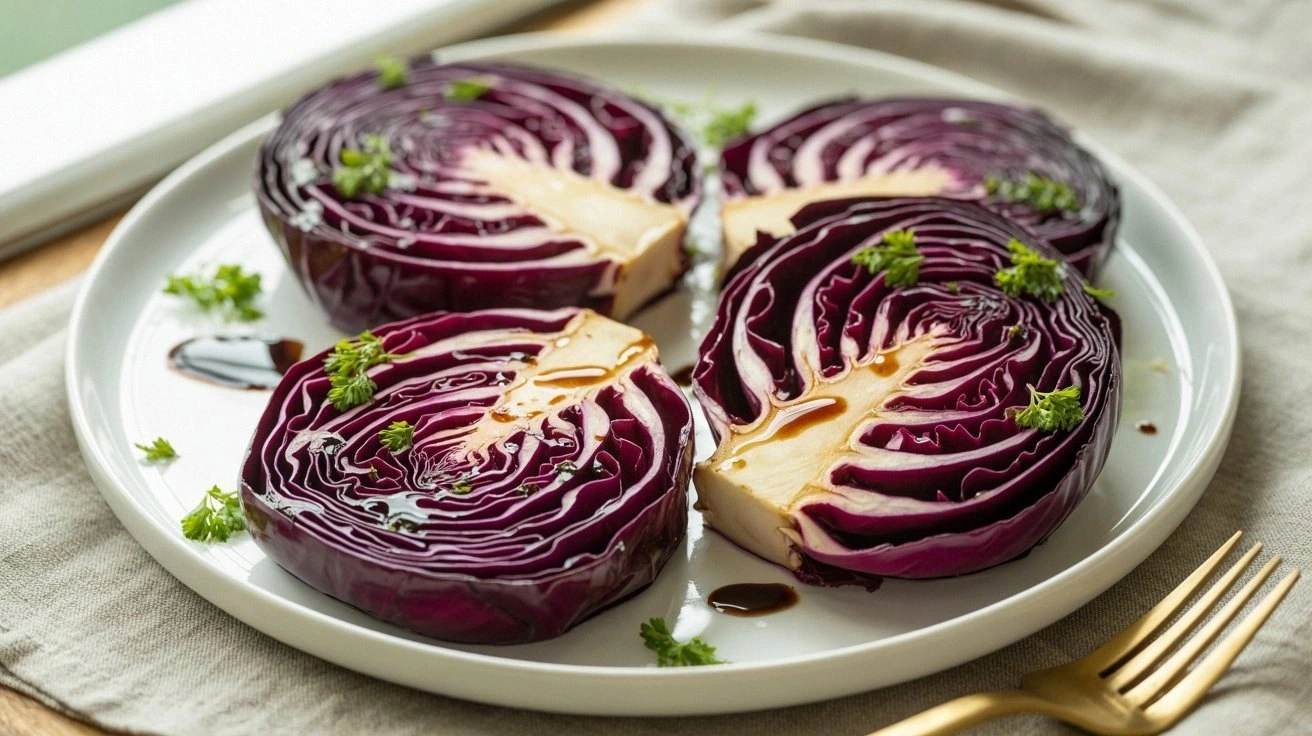
Swap green for red cabbage for a pop of color and a slightly sweeter, earthier flavor. The red variety caramelizes beautifully, and its natural sweetness complements the glaze even more.
Spicy Kick
Add a teaspoon of crushed red pepper flakes or a dash of cayenne pepper to the glaze. The heat will contrast the honey’s sweetness, creating a balanced, dynamic dish that excites the palate.
Herb‑Infused Glaze
Incorporate fresh rosemary or basil into the glaze. The fresh herbs bring a bright, aromatic quality that lifts the entire dish, making it feel more summer‑like.
Vegan Version
Omit the butter and use a splash of coconut oil instead. The coconut oil adds a subtle tropical note that pairs well with the honey‑balsamic glaze, keeping the dish fully plant‑based.
Glazed with Maple
Replace honey with pure maple syrup for a different sweetness profile. Maple’s caramel undertones deepen the glaze’s complexity, offering a new flavor dimension.
Breakfast Twist
Serve the cabbage steaks over a bed of fluffy scrambled eggs, topped with a drizzle of the glaze. It’s a hearty, protein‑rich breakfast that’s surprisingly indulgent.
Storing and Bringing It Back to Life
Fridge Storage
Cool the cabbage steaks completely before placing them in an airtight container. Store in the refrigerator for up to 3 days. The glaze may thicken slightly, but it will remain flavorful.
Freezer Friendly
For longer storage, wrap each steak individually in parchment paper and then place them in a freezer bag. They’ll keep for up to 2 months. When you’re ready to reheat, let them thaw in the fridge overnight.
Best Reheating Method
Reheat in a skillet over medium heat for 3–4 minutes, adding a splash of water or broth to steam the cabbage gently. This technique keeps the interior moist and prevents the glaze from drying out. A quick drizzle of fresh balsamic vinegar before serving restores the glaze’s brightness.