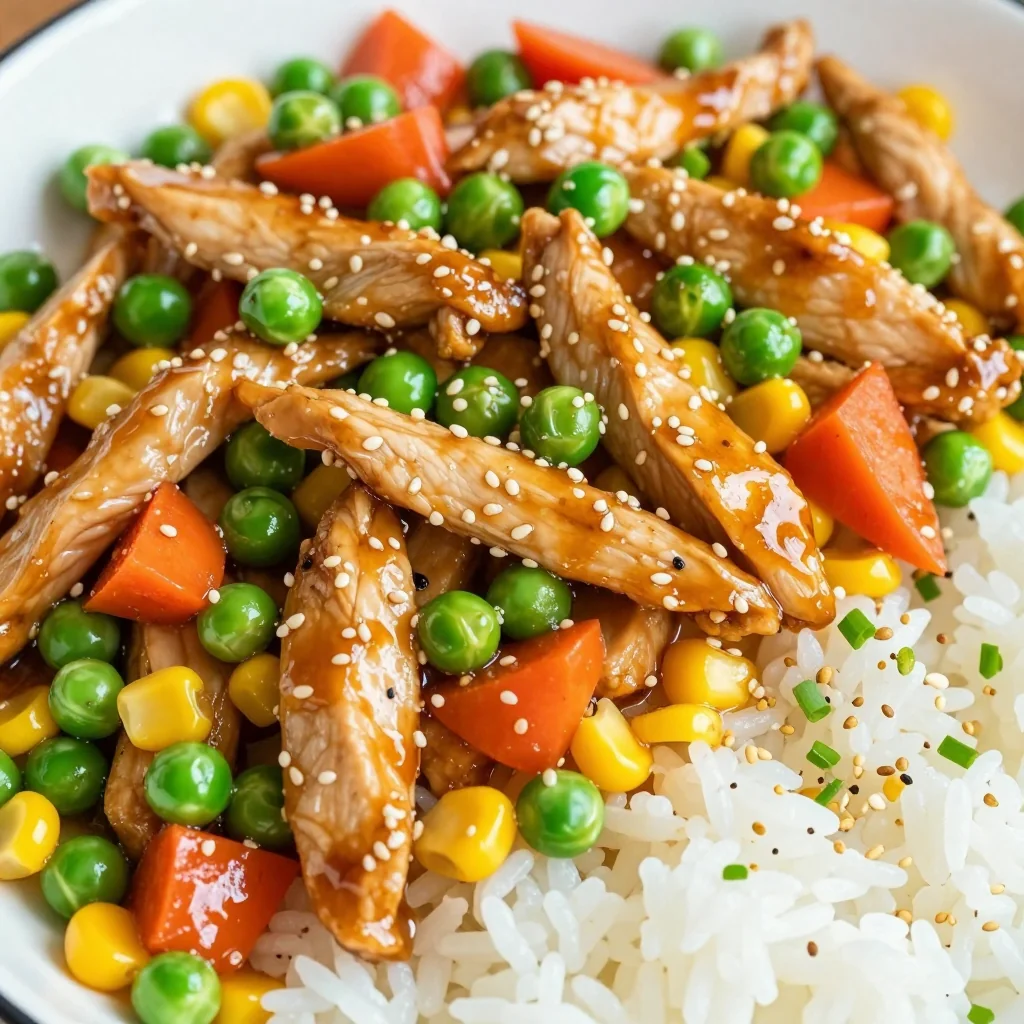
Love this? Pin it for later! 📌
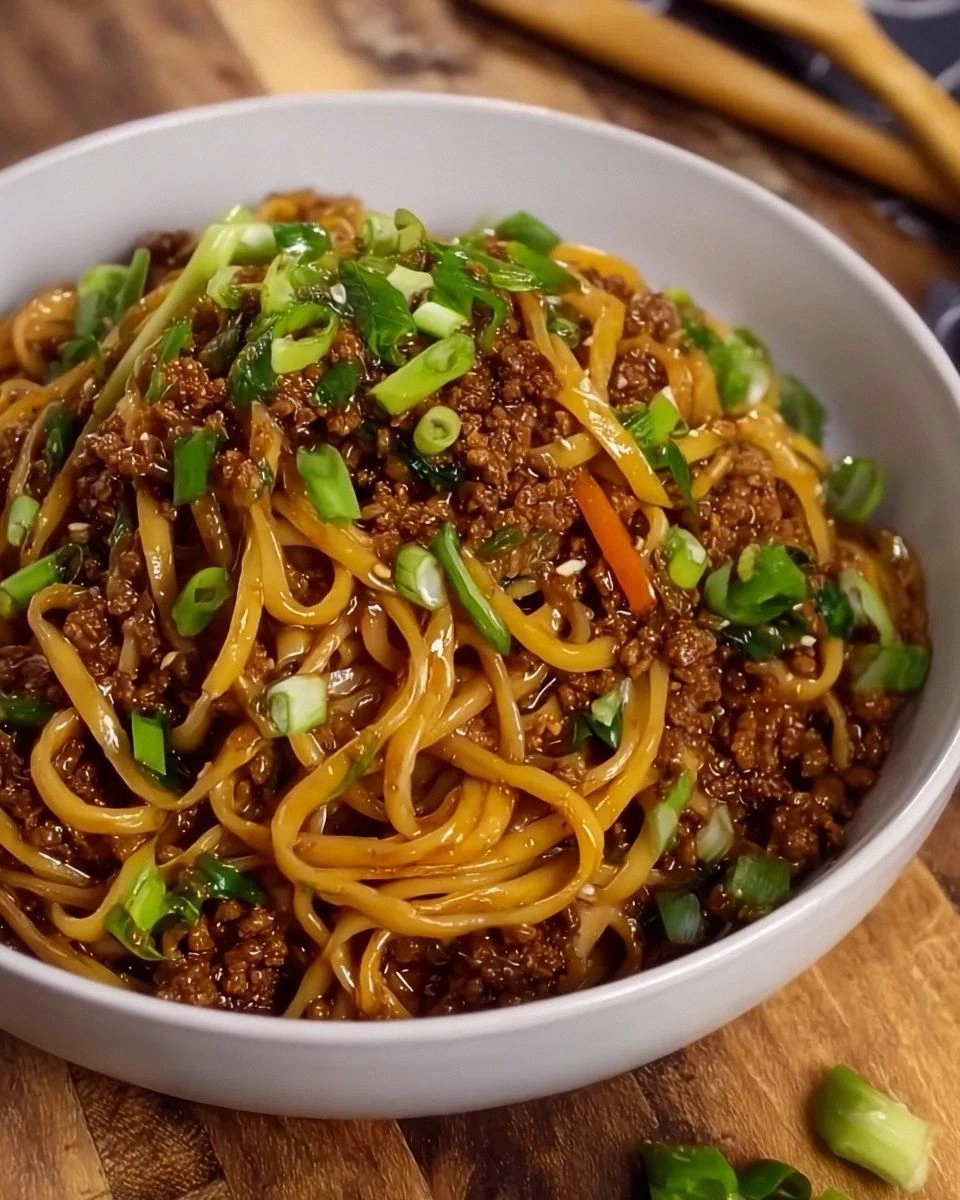
When life hands you a nearly-empty fridge, a single chicken breast, and a pantry full of canned vegetables, you don’t panic—you stir-fry. This lightning-fast, weeknight hero was born on a rainy Tuesday when my grocery budget had exactly $3.47 left and three hungry teenagers circling the kitchen like sharks. Thirty minutes later, the skillet delivered a technicolor medley of tender chicken, crisp-tender canned veggies, and a glossy soy-ginger sauce that had everyone scooping thirds over steamed rice.
What makes this recipe a permanent resident in my monthly rotation is its refusal to taste “budget.” The trick lies in coaxing big flavor from humble staples: a blistering-hot wok for wok-hei aroma, a cornstarch slurry for that take-out sheen, and a final drizzle of toasted sesame oil that magically makes canned corn taste like it was just shaved off the cob. Whether you’re feeding a dorm, stretching a grocery gift card, or simply too exhausted for a supermarket run, this stir-fry proves that convenience food can still feel like a hug in a bowl.
Why This Recipe Works
- Pantry Power: Canned mixed vegetables keep their vibrant color and bite without any chopping or wilting.
- One-Breast Wonder: A single 8-oz chicken breast feeds four when sliced paper-thin and velveted with cornstarch.
- 10-Minute Cook: From opening cans to dinner-on-the-table faster than delivery can find your door.
- Flavor Layering: Aromatics first, sauce second, sesame last—simple sequencing turns canned into can’t-stop.
- Customizable Heat: Dial chili flakes up or down so the whole table stays happy.
- Freezer-Friendly: Double the sauce, freeze half, and tomorrow’s dinner is a two-pan reheat.
Ingredients You'll Need
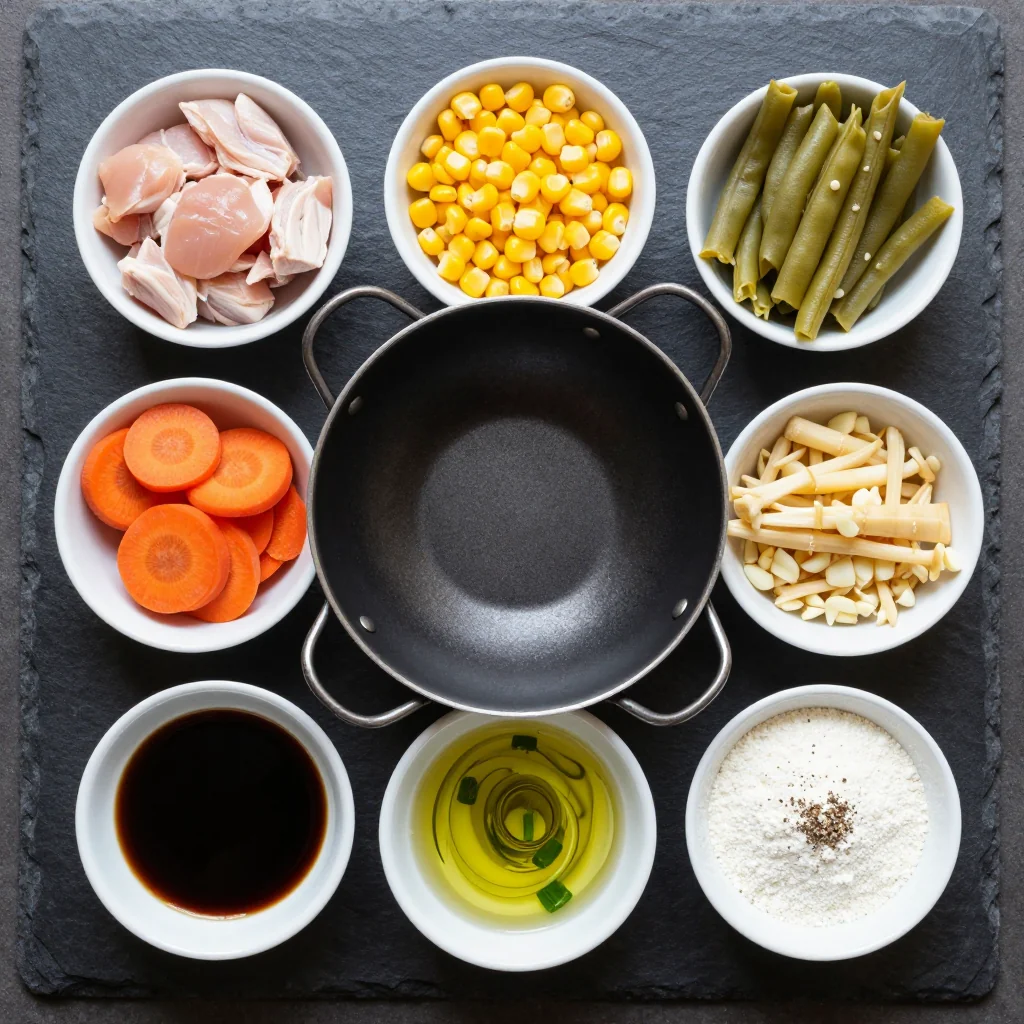
Before we dive into the sizzle, let’s talk ingredients. Each component is chosen for maximum flavor per penny, but there’s wiggle room for what’s already in your cupboard.
Chicken: One boneless, skinless breast (about 8 oz) is plenty. Slice it while it’s half-frozen—safer and quicker—to get whisper-thin pieces that cook in under two minutes. Thighs work too; just trim extra fat.
Canned Mixed Vegetables: Look for a 15-oz can labeled “mixed vegetables” containing carrots, potatoes, peas, and green beans. They’re already blanched, so we’re simply heating through and adding texture. If you only have canned corn and green beans, mix and match; aim for about 1 ¾ cups total.
Aromatics: Two fat cloves of garlic and a 1-inch nub of fresh ginger. Skip the pre-minced stuff; the volatile oils that make stir-fries sing vanish within hours of chopping.
Sauce Staples: Low-sodium soy sauce (so we control salt), a teaspoon of honey to balance metallic notes from cans, and a splash of rice vinegar for brightness. No rice vinegar? Apple cider vinegar works at half the amount.
Cornstarch: A double-duty powerhouse. One teaspoon “velvets” the chicken, keeping it silky; the remaining tablespoon thickens the sauce to that glossy take-out finish.
Toasted Sesame Oil: This is your flavor finisher, not a cooking oil. A conservative drizzle at the end amplifies nuttiness and masks any lingering “canned” taste. Store it in the fridge to keep it from going rancid.
Optional Heat: A pinch of red-pepper flakes or a squirt of sriracha. Taste your canned veggie liquid—if it’s bland, add a bit more heat to wake things up.
How to Make Budget-Friendly Chicken and Canned Veggie Stir-Fry
Prep & Velvet the Chicken
Pop the chicken breast in the freezer for 15 min to firm up. Slice across the grain into ⅛-inch medallions. In a bowl, toss with 1 tsp soy sauce, 1 tsp cornstarch, and ½ tsp neutral oil. Let marinate while you open cans and whisk sauce.
Drain & Shock the Veggies
Pour canned vegetables into a colander and rinse under warm water for 10 seconds to remove surplus salt; shake dry. This quick rinse revives color and prevents a watery stir-fry.
Whisk the Stir-Fry Sauce
In a measuring cup, combine ¼ cup low-sodium soy sauce, 2 Tbsp water, 1 Tbsp honey, 1 Tbsp rice vinegar, 1 Tbsp cornstarch, and optional chili flakes. Stir until no lumps remain.
Heat Your Pan—Hot, Hot, Hot!
Place a 12-inch stainless or carbon-steel skillet over high heat until a bead of water evaporates on contact. Add 1 Tbsp neutral oil (peanut, canola, or grapeseed) and swirl to coat. The shimmering surface guarantees restaurant-level sear.
Sear the Chicken—Leave It Alone
Lay chicken slices in a single layer; resist stirring for 45 seconds. Once edges turn opaque, flip and cook another 30 seconds. Transfer to a plate—slightly undercooked is perfect; it will finish later.
Aromatics In—30-Second Fragrance Boom
Lower heat to medium-high. Add ½ tsp oil plus minced ginger and garlic; stir just until fragrant (15–20 sec). Browning them builds depth, but scorched garlic turns bitter—keep it moving.
Veggies Join the Party
Tip in the rinsed canned vegetables. Stir-fry 1 minute to evaporate surface moisture. You want faint squeaks when a carrot hits the pan—that’s caramelization starting.
Sauce, Meet Sizzle
Give the sauce a quick stir (cornstarch settles), then pour into the pan. It will bubble and thicken within 30 seconds. Return chicken plus any juices; toss to coat every morsel.
Finish & Shine
Drizzle ½ tsp toasted sesame oil over the top, add a pinch of white pepper if you have it, and give one final flip. Remove from heat; residual warmth will finish cooking the chicken perfectly.
Serve Immediately
Spoon over steamed rice, ramen noodles, or cauliflower rice for a low-carb spin. Garnish with sliced scallions or a shower of sesame seeds. Leftovers? Lucky you—tomorrow’s lunchbox just leveled up.
Expert Tips
Smokiness Without a Wok
No wok? Use a dry cast-iron skillet preheated 3 min on high. The retained heat mimics wok-hei and gives chicken a gentle char.
Defeat Sogginess
Pat canned veggies dry with a kitchen towel after rinsing. Less water equals quicker sear and restaurant-level crisp edges.
Velveting 2.0
Add ⅛ tsp baking soda to the cornstarch marinade for even silkier chicken—an old diner trick for tender, budget cuts.
Stretch Further
Toss in a beaten egg during the last 30 seconds; scrambled ribbons bulk the dish and add protein for pennies.
Midnight Upgrade
A spoonful of peanut butter melted into the sauce creates a quick, nutty sat vibe that feels gourmet at 1 a.m.
Zero-Waste Ginger
Freeze whole ginger knobs; grate directly from frozen. The micro-plane never slips on the stringy fibers—safer fingers, zero waste.
Variations to Try
-
Thai Curry Twist: Swap soy sauce for 2 Tbsp red curry paste + ¼ cup coconut milk. Finish with lime zest.
-
Sweet-&-Sour: Add 2 Tbsp ketchup and 1 Tbsp brown sugar to the sauce plus a handful of canned pineapple chunks.
-
Vegetarian Protein: Sub chicken with a drained can of chickpeas; follow the same velveting step for creamy texture.
-
Low-Sodium: Use liquid aminos and rinse veggies twice; replace honey with grated apple for natural sweetness.
Storage Tips
Cool leftovers within two hours and refrigerate in a shallow, airtight container up to four days. The sauce thickens when chilled; loosen with a splash of water or broth when reheating. For meal-prep, portion stir-fry into microwave-safe jars; keep rice separate so it stays fluffy. Freeze up to two months—note that potatoes may soften slightly upon thawing, but flavor remains stellar. Reheat in a non-stick skillet over medium with a lid for 4 min, stirring once, or microwave 60-sec bursts until steaming.
Frequently Asked Questions
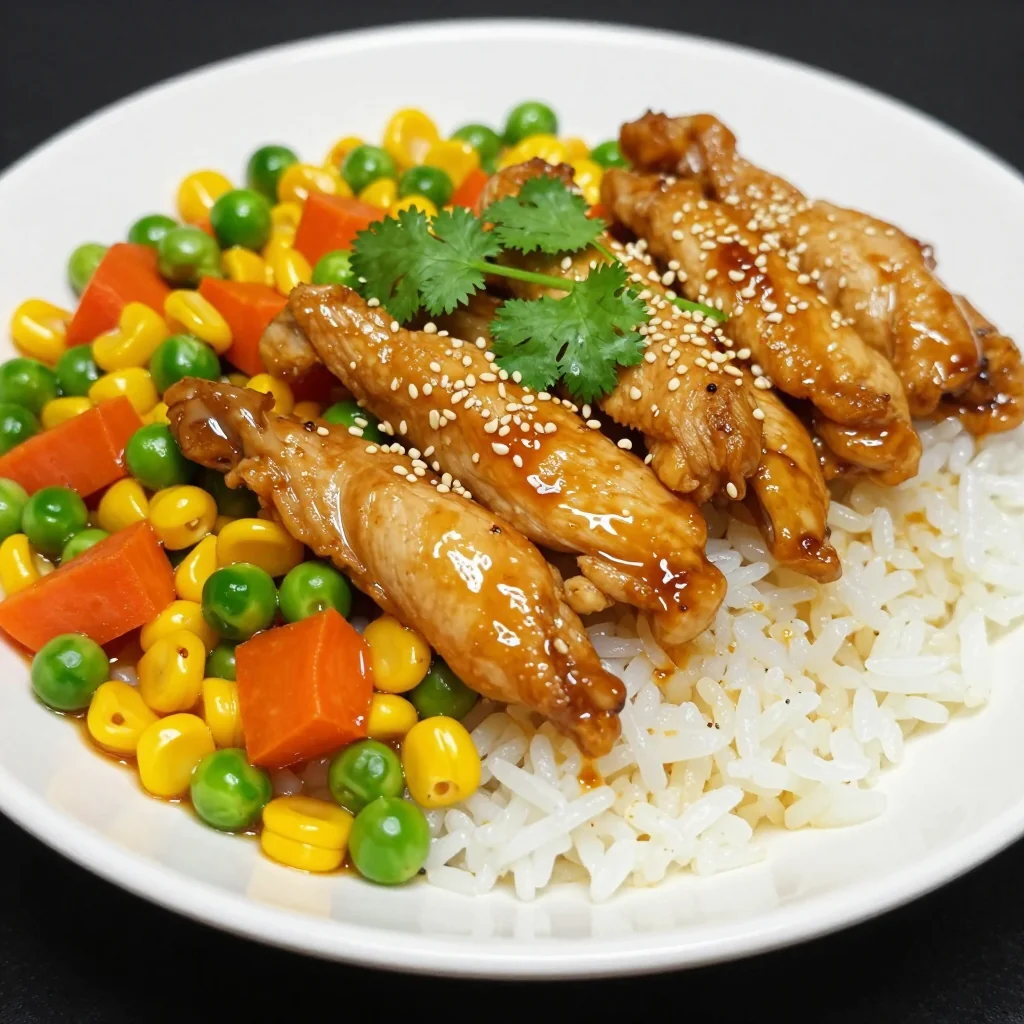
Budget-Friendly Chicken and Canned Veggie Stir-Fry
Ingredients
Instructions
- Velvet Chicken: Toss sliced chicken with 1 tsp soy sauce, 1 tsp cornstarch, and ½ tsp oil; set aside.
- Mix Sauce: Whisk remaining soy sauce, water, honey, vinegar, 1 Tbsp cornstarch, and chili flakes until smooth.
- Heat Pan: High heat, add 1 Tbsp oil, swirl to coat.
- Sear Chicken: Cook 45 sec per side; transfer to plate.
- Aromatics: Lower to med-high, add garlic & ginger 15 sec.
- Vegetables: Stir-fry rinsed canned veggies 1 min.
- Sauce: Re-whisk, pour in; bubble 30 sec.
- Finish: Return chicken; toss to coat. Drizzle sesame oil, garnish, serve hot.
Recipe Notes
For extra crispness, pat canned veggies dry with a towel before stir-frying. Double the sauce ingredients if you like things saucy—freeze half for next week’s emergency dinner.