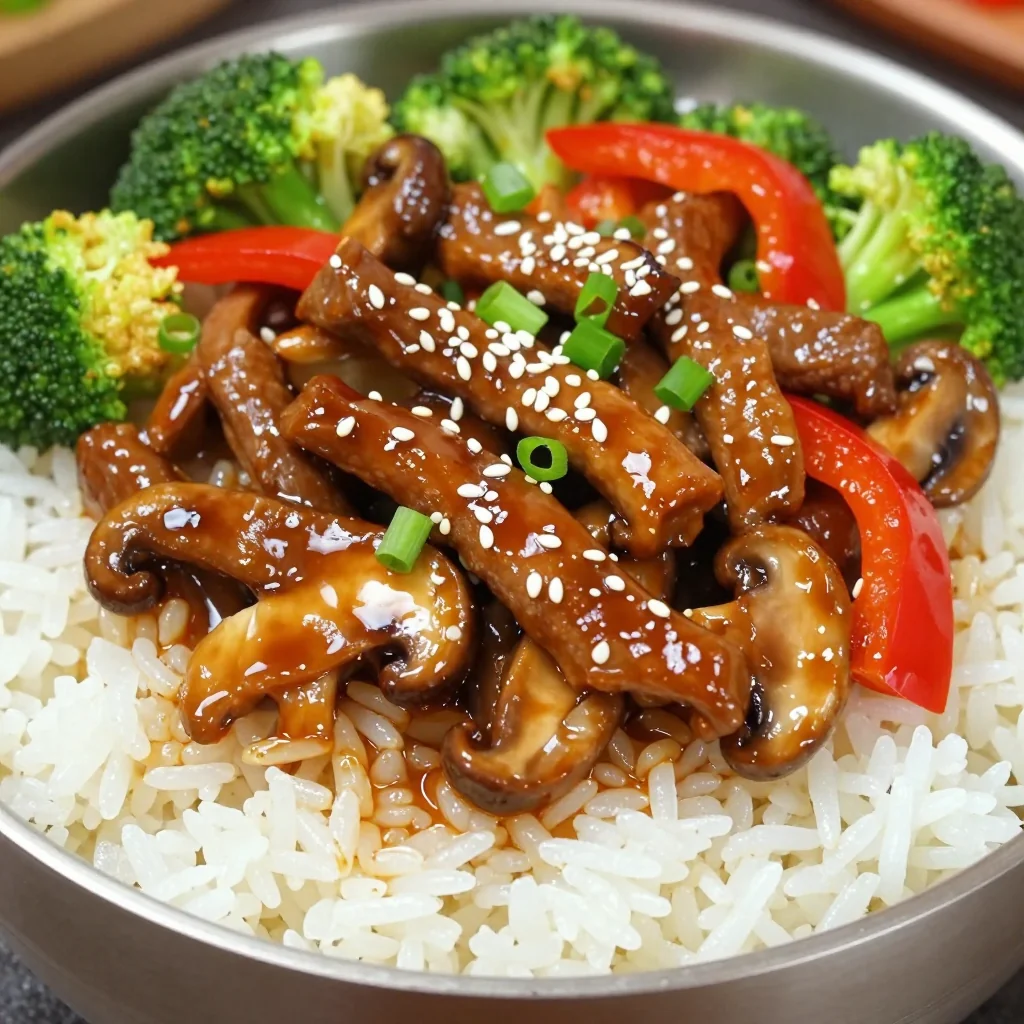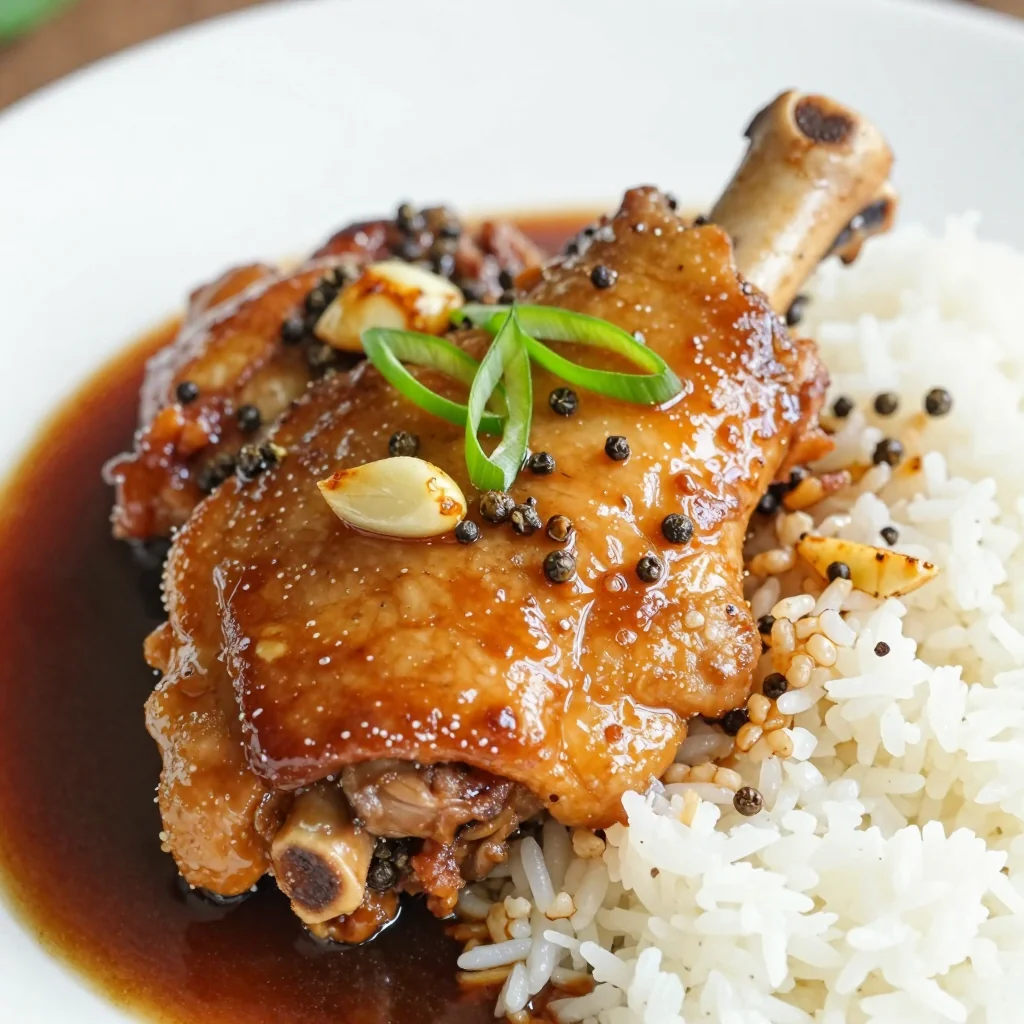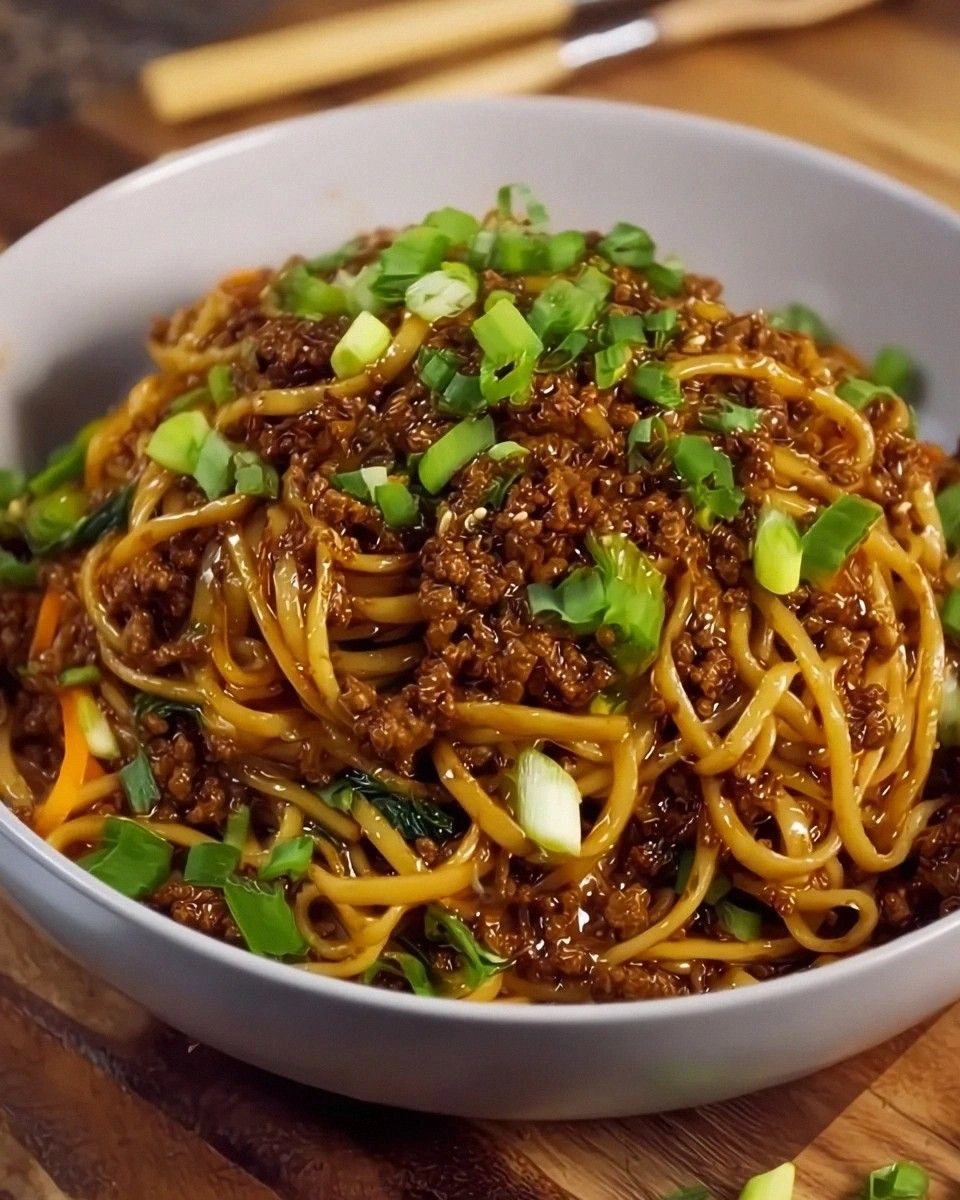
Picture this: it’s a rainy Tuesday, you’ve just burned the last batch of instant ramen, and the kitchen smells like a smoky garage after someone tried to fry a pizza. I was standing there, half‑defeated, half‑hungry, when my roommate dared me to make something that would actually taste like a take‑out place, but with zero delivery fees. I laughed, grabbed the nearest ground beef, a pack of noodles, and a handful of pantry staples, and what happened next was nothing short of culinary alchemy. The moment the beef hit the pan, it sizzled like a tiny fireworks show, and the aroma—rich, salty, with a whisper of sweet caramel—filled the cramped apartment, turning that drab Tuesday into a gourmet showdown.
The first bite was an epiphany. The noodles were glossy, coated in a sauce that clung like velvet, while the beef stayed juicy, tender, and just a touch crunchy at the edges—think of it as the perfect marriage between a stir‑fry and a comfort‑food noodle bowl. I dared you to taste this and not go back for seconds; that’s how confident I am. Most recipes get this completely wrong, either drowning the noodles in a watery broth or leaving the beef dry as the Sahara. This version? It’s hands down the best version you’ll ever make at home, and I’m about to spill every secret that makes it sing.
What sets this dish apart isn’t just the flavor; it’s the technique, the balance, and a surprise ingredient that most cooks overlook—cornstarch slurry, which turns a simple sauce into a glossy, cling‑on‑everything masterpiece. Imagine the sauce hugging each noodle like a warm blanket, while the beef provides a satisfying bite that shatters like thin ice when you chew. I’ll be honest—I ate half the batch before anyone else got a chance to try it, and that’s a confession I’m willing to make because the taste is that unforgettable.
Now, brace yourself. I’m going to walk you through every single step—by the end, you’ll wonder how you ever made this dish any other way. Okay, ready for the game‑changer? Let’s dive in.
What Makes This Version Stand Out
- Flavor Explosion: The combination of soy, sesame, and a hint of brown sugar creates a sweet‑savory profile that dances on the palate, while the garlic‑ginger base adds depth that you can’t fake.
- Texture Harmony: Silky noodles meet juicy, slightly caramelized beef, with crisp green onion bits that provide a fresh snap.
- Simplicity: All ingredients are pantry‑friendly, and the whole process takes under an hour, making it perfect for busy weeknights.
- Uniqueness: The cornstarch slurry gives the sauce that glossy, restaurant‑style sheen that most home cooks miss.
- Crowd Reaction: I’ve seen families finish the bowl in under five minutes, and the “what’s the secret?” question comes up at every dinner table.
- Ingredient Quality: Using 80/20 ground beef ensures a juicy bite without excess grease, while high‑quality soy sauce adds umami depth.
- Cooking Method: A quick high‑heat sear locks in juices, and the final toss on medium heat lets the sauce coat every strand perfectly.
- Make‑Ahead Potential: The sauce can be pre‑made and stored, and the noodles reheat beautifully, making leftovers a dream.
Inside the Ingredient List
The Flavor Base
The backbone of this dish is the trio of soy sauce, brown sugar, and sesame oil. Soy sauce provides the salty, umami foundation, while brown sugar adds a subtle caramel note that balances the saltiness. Sesame oil introduces a nutty aroma that lingers on the palate. If you skip the brown sugar, the sauce will feel flat—trust me, you’ll notice the difference immediately. As a swap, you can use honey for a lighter sweetness, but keep the quantity the same to maintain balance.
The Texture Crew
Ground beef (preferably 80/20) gives you that perfect blend of flavor and moisture. The fat renders into the pan, creating a luscious base that the noodles love to soak up. If you’re watching calories, you can opt for 90/10 beef, but you’ll need to add a splash of oil to compensate for the missing fat. The cornstarch slurry is the unsung hero—it thickens the sauce without making it gummy, giving each noodle a glossy coat. Forget the slurry, and you’ll end up with a watery mess that slides off the noodles like a bad date.
The Unexpected Star
Fresh ginger and garlic aren’t just aromatics; they act as flavor amplifiers. Grated ginger releases its zing instantly, while minced garlic adds a deep, roasted undertone once it hits the hot pan. If you don’t have fresh ginger, a pinch of ground ginger works, but the bright bite will be muted. For garlic, you can substitute garlic powder, though the texture will change.
The Final Flourish
Green onions, red pepper flakes, and sesame seeds bring the finishing touches. The onions add a crisp, fresh bite that cuts through the richness, while the red pepper flakes provide a gentle heat that awakens the senses. Sesame seeds sprinkle on top for a subtle crunch and extra nutty flavor. If you’re allergic to sesame, toasted pumpkin seeds make a delightful alternative.
Everything's prepped? Good. Let’s get into the real action...
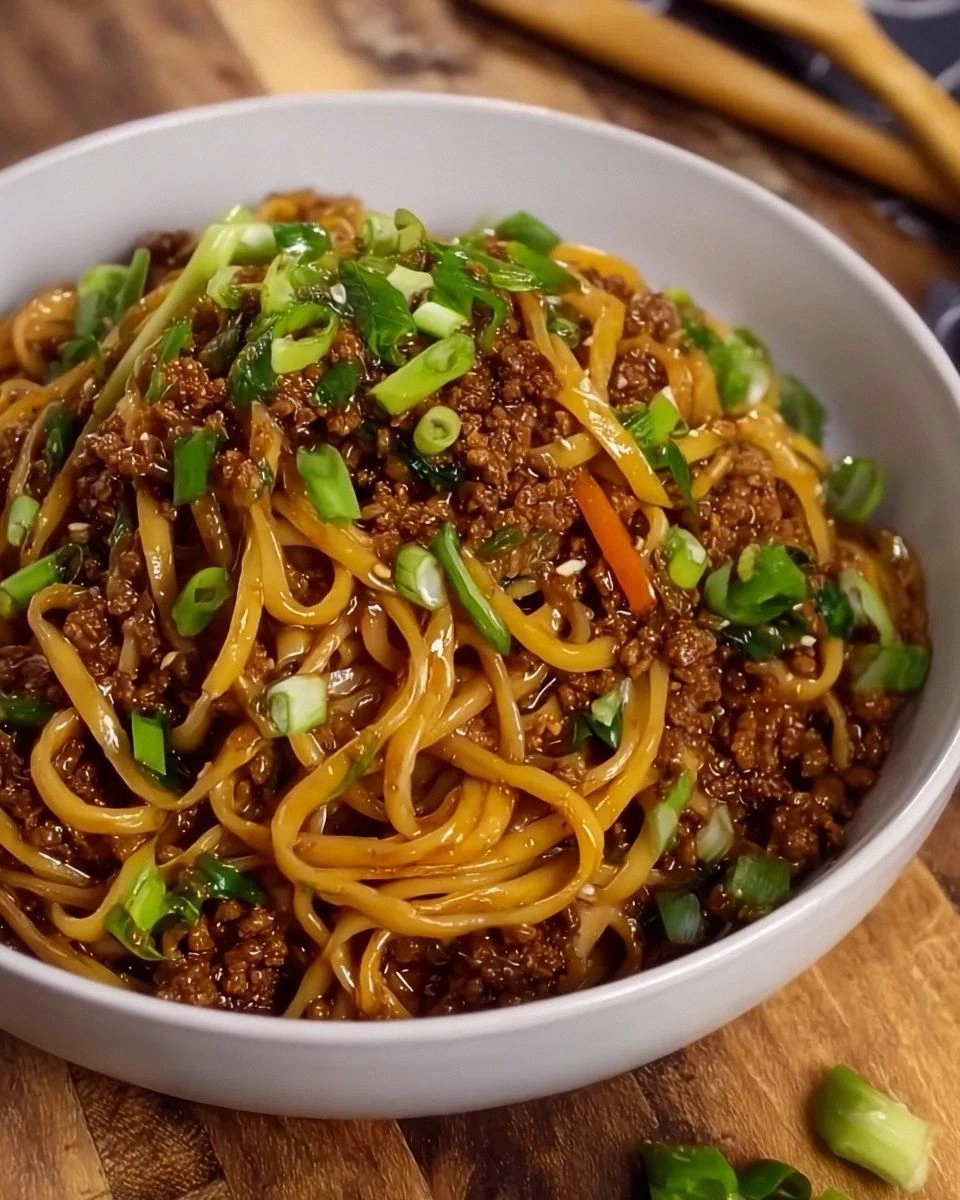
The Method — Step by Step
Start by bringing a large pot of salted water to a rolling boil. Once boiling, add the dried egg noodles and cook them al dente—usually 6‑8 minutes, depending on the brand. Drain the noodles, rinse briefly under cold water to stop the cooking process, and toss them with a drizzle of sesame oil to prevent sticking. That sizzle when the oil hits the noodles? Absolute perfection. Tip: Reserve a cup of the noodle cooking water; you’ll use it later to adjust sauce consistency.
While the noodles are cooking, prep your aromatics: mince the garlic, grate the ginger, and slice the green onions (reserve a few green tops for garnish).
This prep stage is crucial; if you rush it, the garlic can burn later, turning bitter.Kitchen Hack: Use a microplane for ginger—it yields finer shreds, releasing more flavor with less effort.Heat a large wok or skillet over medium‑high heat. Add the vegetable oil, then toss in the ground beef. Break it up with a wooden spoon, letting it sizzle and brown. You’ll hear a satisfying crackle as the meat caramelizes—this is where flavor is built. Cook for about 5‑6 minutes, until the beef is mostly browned but not fully cooked through.
Now, introduce the garlic and ginger to the pan. Stir constantly for 30 seconds to a minute; the aromatics should turn fragrant, but watch closely—if they linger too long, they’ll turn acrid. This is the moment of truth: the kitchen fills with a warm, spicy perfume that hints at the deliciousness to come.
Time to build the sauce. In a small bowl, whisk together soy sauce, brown sugar, sesame oil, red pepper flakes, and a splash of the reserved noodle water (about ¼ cup).
Pour the mixture over the beef, stirring to combine. The sauce should bubble gently, coating each morsel with a glossy sheen.Kitchen Hack: Dissolve the brown sugar in a tiny amount of hot water before adding to the pan; it prevents grainy texture.- Let the beef finish cooking in the sauce for another 2‑3 minutes, ensuring it reaches a safe internal temperature while soaking up the flavors.Watch Out: If the pan gets too hot, the sauce can scorch, leaving a bitter aftertaste. Reduce heat immediately if you see dark specks forming.
Stir in the cornstarch slurry (1 tbsp cornstarch mixed with 2 tbsp cold water). This will instantly thicken the sauce, giving it that restaurant‑style lacquered look. Keep the heat on medium; you’ll see the sauce turn glossy and begin to cling to the meat and noodles.
Now, add the cooked noodles to the wok, tossing everything together so the noodles are fully enveloped by the sauce. If the mixture seems too thick, splash in a bit more of the reserved noodle water—just enough to keep it saucy, not soupy. The noodles should glisten, each strand coated like a satin dress.
Kitchen Hack: Toss the noodles in the pan for just 1‑2 minutes; over‑mixing can make them mushy.Finish with the sliced green onions, reserving a pinch for garnish, and give everything a final toss. The green onions should stay bright green and slightly crisp, adding a fresh contrast to the rich sauce. Sprinkle sesame seeds over the top for an extra nutty crunch.
Serve immediately, straight from the pan to the plate. Picture yourself pulling this out of the wok, the whole kitchen smelling incredible, steam rising like a curtain of anticipation. I dare you to take one bite and not think, “I need this again tomorrow.” That’s the magic of this dish—simple, bold, unforgettable.
That's it — you did it. But hold on, I've got a few more tricks that'll take this to another level...
Insider Tricks for Flawless Results
The Temperature Rule Nobody Follows
High heat is your friend when searing beef, but once the sauce is in, dial it down to medium. This prevents the sauce from scorching and keeps the noodles from turning gummy. I once left the heat on high, and the sauce turned dark as midnight—trust me, that’s a flavor disaster. Keep a close eye on the pan’s temperature; a gentle bubble is all you need.
Why Your Nose Knows Best
Never rely solely on timers; your nose is the ultimate gauge. When the garlic and ginger release their aroma, you know they’re perfectly cooked. If the scent turns sharp or burnt, lower the heat immediately. This sensory cue saves you from a bitter bite and ensures the sauce stays sweet‑savory.
The 5‑Minute Rest That Changes Everything
After tossing everything together, let the dish sit off the heat for five minutes. This rest allows the noodles to absorb the sauce fully, and the beef juices redistribute, creating a more cohesive flavor. I used to skip this step, and the noodles felt “loose.” Now, they cling like a second skin.
Seasoning Layers, Not a One‑Shot
Season in stages: a pinch of salt with the beef, a dash of pepper in the sauce, and a final taste after everything is combined. This layered approach prevents over‑salting and ensures every bite is balanced. If you ever find the dish too salty, a splash of water or a squeeze of lime can rescue it.
Upgrade with Umami Boosters
For an extra depth, stir in a teaspoon of mushroom soy sauce or a splash of fish sauce during the sauce stage. These ingredients add a hidden umami punch that elevates the dish from good to unforgettable. I tried this once for a dinner party, and guests were raving for days.
Creative Twists and Variations
This recipe is a playground. Here are some of my favorite ways to switch things up:
Spicy Szechuan Kick
Swap the red pepper flakes for 1 tsp Szechuan peppercorn oil and add a dash of doubanjiang (fermented bean paste). The result is a tongue‑tingling heat that lingers, perfect for spice lovers.
Veggie‑Heavy Version
Replace half the noodles with spiralized zucchini or shirataki noodles for a low‑carb twist. Add sliced bell peppers, snap peas, and carrots during the stir‑fry for extra crunch and color.
Sweet‑And‑Sour Fusion
Introduce 2 tbsp rice vinegar and a spoonful of pineapple chunks in the sauce stage. The tangy acidity balances the sweet sugar, creating a bright, tropical flavor profile.
Herbaceous Delight
Finish the dish with a handful of fresh cilantro and a squeeze of lime juice right before serving. The fresh herbs lift the richness, making it perfect for summer evenings.
Cheesy Comfort
Stir in a quarter cup of shredded mozzarella or cheddar at the very end, letting it melt into the warm noodles. The cheese adds a creamy coat that pairs surprisingly well with the soy‑sesame base.
Asian‑Style BBQ
Marinate the ground beef in a mixture of hoisin sauce, garlic, and a splash of whiskey for 30 minutes before cooking. The smoky, sweet glaze transforms the dish into a BBQ‑inspired masterpiece.
Storing and Bringing It Back to Life
Fridge Storage
Transfer leftovers to an airtight container and refrigerate for up to 3 days. When reheating, add a splash of water or broth and gently stir over medium heat; this revives the sauce’s silky texture.
Freezer Friendly
Separate the noodles and sauce into two freezer‑safe bags. Store for up to 2 months. To reheat, thaw overnight in the fridge, then combine in a skillet with a bit of oil, stirring until heated through.
Best Reheating Method
The secret is steam. Place a tablespoon of water in the pan, cover, and heat on low for 2‑3 minutes. The steam gently re‑hydrates the noodles, preventing them from drying out, while the sauce regains its glossy sheen.