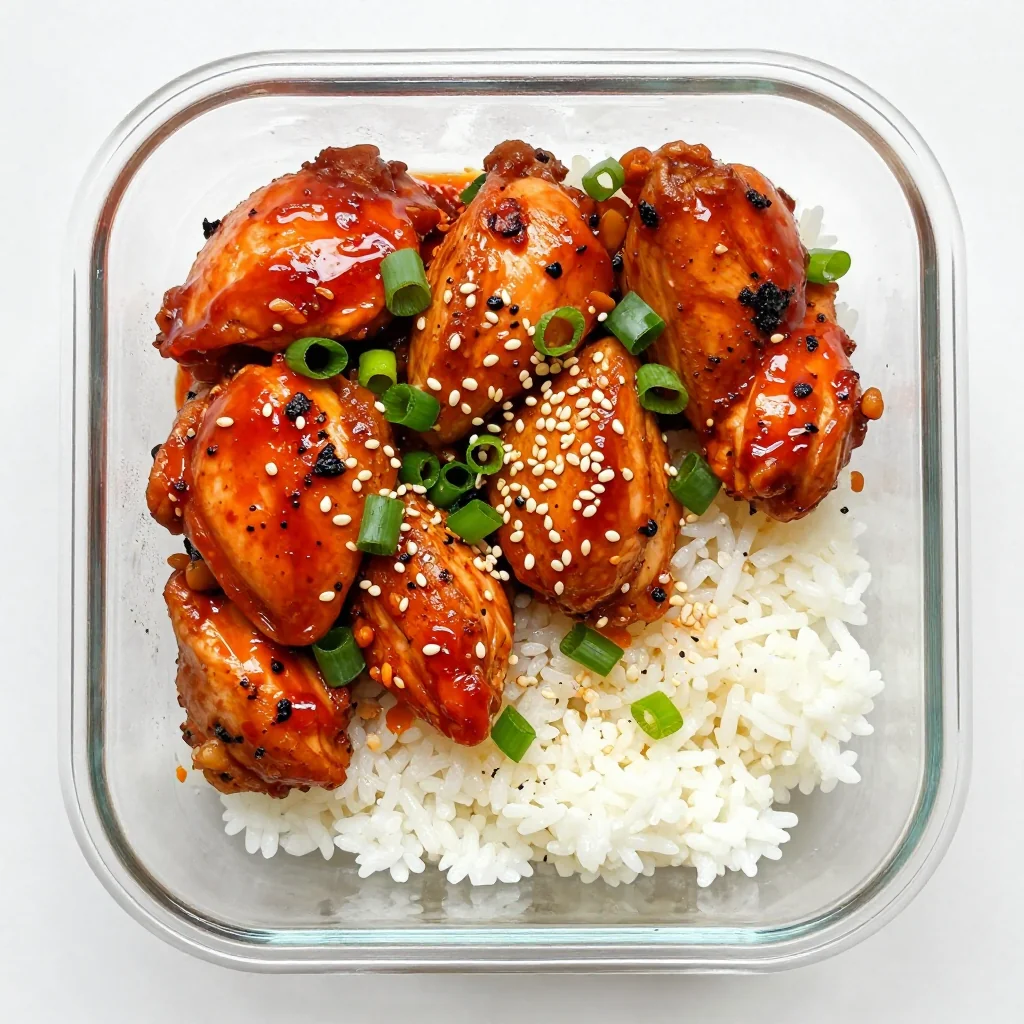
I still remember the first time I attempted peri peri chicken — the smoke alarm was wailing, my roommate was coughing dramatically in the hallway, and I was frantically fanning a towel at the oven while clutching a blackened bird that looked like it had survived a house fire. Fast-forward through three years of obsessive tinkering, and I finally cracked the code for a version so juicy, so explosively flavorful, so downright addictive that my neighbors now show up "accidentally" whenever they smell it. If you've ever bitten into a piece of chicken and thought, "This tastes like sunshine, fireworks, and summer vacation rolled into one," you already know the magic of peri peri. The problem is that most home recipes miss the mark completely — either the heat is timid, the acidity is out of whack, or the meat ends up dryer than a desert tumbleweed. Today we're fixing all of that. I'm handing over the same method I use when friends beg me to cater their birthday parties, the one that makes people close their eyes involuntarily at first bite, the one that has caused at least one proposal of marriage (I said no, but I appreciated the enthusiasm). By the time you finish reading, you'll understand why the sauce needs to be treated like liquid gold, why your thermometer is about to become your best friend, and why you should never — and I mean never — skip the final butter baste. Ready to level up forever? Let me walk you through every single step — by the end, you'll wonder how you ever made it any other way.
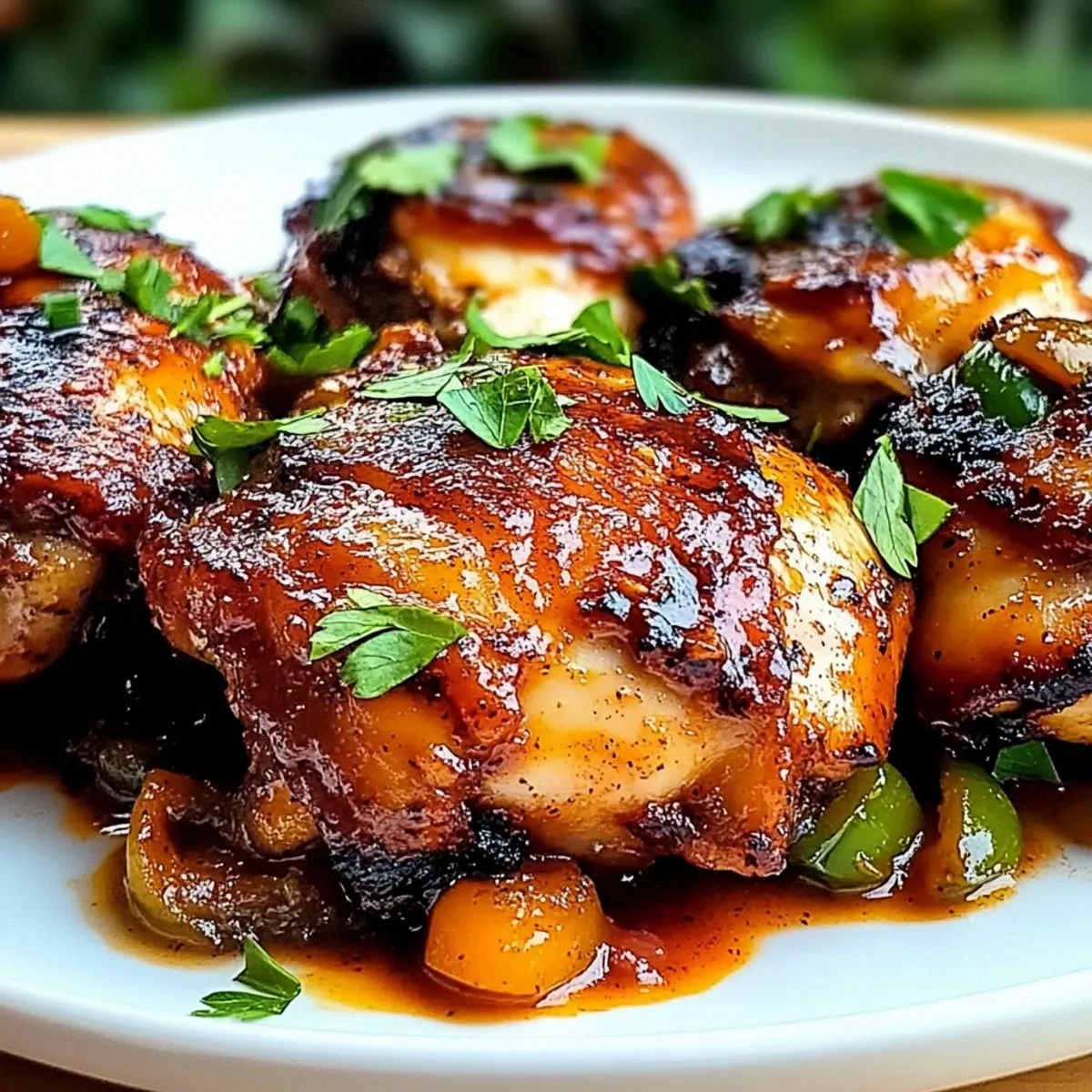
Picture this: you pull a sizzling tray from the oven, the chicken skin blistered and bronze, bubbling in a neon-orange sauce that smells like citrus, smoke, and something wild you can't quite name. You tent it with foil for five excruciating minutes, listening to the gentle crackle as the juices redistribute. When you finally slice in, steam escapes like a sigh, revealing meat so succulent it glistens. You drag a piece through the leftover sauce pooled at the bottom of the pan, the edges caramelized into sticky lacquer, and the first taste hits — bright lemon, earthy smoked paprika, the slow burn of fresh chilies, and a whisper of cumin that lingers like a good bassline. That sensory blockbuster is what we're chasing, and it is one-hundred-percent achievable on a random Tuesday night with grocery-store staples and a single sheet pan. No boutique butcher required, no specialty equipment, no mysterious African bird's-eye chilies flown in by carrier pigeon (though if you can get them, power to you). Just good technique, bold ingredients, and the willingness to trust a method that might feel a little extra — right up until the moment you taste the payoff.
Here's my promise: follow the steps exactly, and you'll get chicken that tastes like it came from one of those cult-favorite flame-grilled joints where lines snake around the block. Stray from the path, and you'll still land somewhere delicious — but why settle for delicious when volcanic, mind-melting flavor is within reach? I've distilled every hard-won lesson into a foolproof process: the two-stage marinade that tenderizes while it seasons, the quick char under a screaming-hot broiler that creates crackling skin without drying the meat, the final emulsified pan sauce that tastes like velvet and fire. Along the way I'll share the tiny details that separate good cooks from legendary ones — like why you should pound the thighs to an even thickness (nobody talks about this, but it changes everything), or how to bloom spices in oil so their flavor molecules wake up and sing. If you've ever struggled with rubbery chicken, bland sauces, or heat levels that blow your head off, you're not alone — and I've got the fixes. So tie on an apron, crank up some music, and let's set your kitchen ablaze (metaphorically this time).
Before we dive in, a quick confession: I ate half the batch during testing and blamed the "shrinkage" on the oven. My cat watched the whole crime go down, so my only defense is that the aroma hijacked my prefrontal cortex and replaced it with pure caveman instinct. Consider yourself warned — self-control becomes optional once that peri perfume starts wafting through your house. Okay, ready for the game-changer?
What Makes This Version Stand Out
- Two-Punch Marinade: First, a quick acidic bath to season deep into the meat; second, a thicker mop sauce that lacquers on during cooking. Most recipes skip the second layer, which is why their chicken tastes flat after the first bite.
- Butter-Infused Finish: We swirl cold butter into the hot pan juices, creating a glossy emulsion that clings like BBQ sauce but tastes like liquid gold. It mellows the heat and adds body you didn't know was missing.
- Temperature Precision: Bone-in thighs are forgiving, but we still roast at 425°F convection (or 450°F static) until the thickest piece hits 185°F. That sweet spot melts connective tissue without turning the meat to sawdust.
- Smoked Paprika Boost: A full two teaspoons lend campfire depth, compensating for the fact that most of us aren't firing up an actual charcoal grill. It's the shortcut that doesn't taste like one.
- Make-Ahead Magic: The sauce base keeps for a week refrigerated and three months frozen, so you can prep on Sunday and flash-roast on Wednesday when life gets feral.
- Customizable Heat: Keep the jalapeño ribs for pyromaniacs, scrape them out for milder palates, or swap in habaneros if you're chasing endorphin fireworks. The backbone flavor stays identical.
Alright, let's break down exactly what goes into this masterpiece...
Inside the Ingredient List
The Flavor Base
The chicken itself is obviously the star, but the magic starts with bone-in, skin-on thighs — they're juicier, more forgiving, and carry bold flavors better than breast meat ever could. One pound feeds two ravenous adults or three polite ones; scale up without fear because leftovers reheat like a dream. Bell peppers bring candy-sweet crunch and color; I mix red and yellow for maximum visual pop, but green works if you like a slightly bitter counterpoint to the spicy sauce. Jalapeños are your heat dials: two peppers with seeds intact land at a solid medium burn that makes lips tingle but doesn't obliterate taste buds. Garlic, four fat cloves, minced to a paste, melts into the marinade and later into the pan sauce, giving that soulful depth you can't quite name but would miss instantly if it vanished.
The Texture Crew
Olive oil carries fat-soluble flavor compounds deep into the meat while encouraging those gorgeous bronze edges. Use a fruity, everyday extra-virgin — save the grassy finishing oil for salads. A knob of butter swirled in at the end emulsifies the sauce, turning it from watery drippings to silky lava you'll want to spoon over rice, potatoes, or your own hand. Paprika does double duty: sweet smoked paprika for sultry depth and a pinch of hot paprika if you crave extra oomph. Cumin, just a teaspoon, provides earthy bass notes that ground the bright citrus and chile high notes. Salt and pepper aren't afterthoughts here; they wake up every other flavor and create the crackling crust that shatters like thin ice under a fork.
The Unexpected Star
Lemon juice — fresh, never bottled — is the spark that makes the whole dish sing. It heightens the natural chicken flavors, balances the chile heat, and helps tenderize the meat during its brief first marinade. Reserve the squeezed halves; they roast alongside the chicken, caramelizing into tangy wedges you can squeeze over the finished platter for an extra lightning bolt of acid. Chicken stock builds the sauce; use low-sodium so you control salt levels as the liquid reduces. And here's the sleeper hit: a splash of the reserved marinade, boiled for safety, gets whisked back into the final sauce, doubling down on that peri personality.
The Final Flourish
Right before serving, we shower the chicken with chopped parsley or cilantro for a fresh pop that visually screams "eat me now." A final squeeze of grilled lemon ties everything together with a bright ribbon of acid. If you want restaurant-level plating, spoon the sauce into a warm gravy boat so guests can drown their chicken tableside — dramatic and practical.
Everything's prepped? Good. Let's get into the real action...
The Method — Step by Step
- Start by making the peri peri base: in a mini food processor, blitz the jalapeños, garlic, lemon juice, paprika, cumin, salt, pepper, and half of the olive oil until you have a loose paste the color of sunset. Taste it — it should make your tongue dance with equal parts citrus, smoke, and slow-building heat. If you're nervous about spice, scrape the seeds out of one jalapeño; if you're a thrill-seeker, leave them all in and add a pinch of chili flakes for good measure. This is also the moment to adjust salt; remember it needs to season the entire pound of chicken, so be bold.
- Pat the chicken thighs very dry with paper towels; moisture is the enemy of browning. Using kitchen shears, trim off any hanging fat, then flip them skin-side down and pound gently with the bottom of a cast-iron skillet until they're an even ¾-inch thickness. This quick step prevents the dreaded rubber-band edges that curl up and burn while the center stays raw. Slide the chicken into a zip-top bag or shallow glass dish and pour in two-thirds of the peri peri mixture, massaging it into every crevice like you're applying sunscreen to a loved one. Marinate at room temperature for 30 minutes if you're rushed, or up to 24 hours refrigerated if you like planning ahead — the flavor penetration is exponential.
- While the chicken soaks, prep the vegetables: core and slice the bell peppers into ½-inch strips, toss with a drizzle of oil, and reserve. These will roast around the chicken, soaking up the spicy schmaltz and turning into candy-sweet ribbons you can pile on the side or mound over rice. Preheat your oven to 425°F convection (or 450°F static) and set a rack in the upper-middle position so the skin can blister without drying the meat. Place a large cast-iron or heavy roasting pan inside while the oven heats; a screaming-hot surface equals instant sizzle and prevents sticking.
- Carefully remove the hot pan and arrange the chicken skin-side up, leaving space between pieces so steam can escape. Brush the remaining peri peri paste over the skin, then scatter the bell-pepper strips around the perimeter. Slide everything into the oven and roast for 20 minutes; you'll hear a gentle sizzle as the fat renders and the sauce begins to caramelize. Don't open the door — trust the Maillard reaction to do its glorious thing while you pour yourself a beverage and pretend you're on a patio in Lisbon.
- After 20 minutes, crank the broiler to high and roast another 5 to 7 minutes, rotating the pan halfway for even char. The skin should blister and blacken in spots; that's flavor, not failure. Watch closely here — broilers are temperamental dragons that can go from bronzed to fossilized in under sixty seconds. When the thickest thigh registers 185°F on an instant-read thermometer and the juices run clear, you're golden.
- Transfer the chicken to a warm plate to rest; tent loosely with foil. Pour the reserved marinade into the hot pan along with the chicken stock, scraping up the sticky browned bits with a wooden spoon. Return to the stovetop over medium heat and simmer for three minutes to kill any raw-chicken cooties and concentrate flavors. Lower the heat to a gentle bubble and whisk in the cold butter until the sauce turns glossy and coats a spoon — magic emulsification in action.
- Return the rested chicken and peppers to the pan, spooning sauce over every piece like you're basting a royal crown. Finish with chopped parsley, a final squeeze of grilled lemon, and serve directly from the skillet for rustic flair. The meat should be so tender it practically slides off the bone, the skin crackling like a potato chip, the sauce pooling into a sunset bath you'll want to sop up with crusty bread. I dare you to taste this and not go back for seconds — I have never seen it happen.
That's it — you did it. But hold on, I've got a few more tricks that'll take this to another level...
Insider Tricks for Flawless Results
The Temperature Rule Nobody Follows
Most recipes tell you to roast chicken until 165°F, but thighs are a different beast — they need 185°F for the connective tissue to dissolve into silky gelatin. Undercook and you'll get chewy sinew; overcook and you'll hit chalky dryness. Use an instant-read thermometer in the thickest piece, away from bone, and pull the pan the moment you hit 185°F. Carry-over heat will nudge it another couple of degrees while it rests.
Why Your Nose Knows Best
If your kitchen doesn't smell like a Portuguese street market within fifteen minutes, your oven isn't hot enough. That intoxicating aroma is the volatile oils in paprika and garlic hitting fat and evaporating — if they're not filling the house, bump the temperature by 25°F and roast a few minutes longer. Conversely, if you smell acrid bitterness, the paste is burning; lower the heat and tent loosely with foil.
The 5-Minute Rest That Changes Everything
Resting isn't optional — it's when juices redistribute so they don't flood your cutting board. Tent loosely with foil; too tight and steam softens the crackling skin. Five minutes is the sweet spot for thighs; any longer and you'll lose serving temperature. While you wait, finish the sauce so everything hits the table piping hot.
Butter Baste Brilliance
Whisking cold butter into the hot sauce at the end creates an emulsion that thickens naturally without flour or cornstarch. Cut the butter into small cubes and add gradually, whisking constantly, so the fat stays suspended rather than separating into greasy pools. The result is a glossy sheen worthy of a magazine cover.
Leftovers That Taste Better
Refrigerate overnight and the flavors meld into an even bolder chorus. Shred cold chicken straight into the sauce, pile onto toasted ciabatta with crunchy lettuce, and you've got a next-day sandwich that outshines the original meal. A friend tried skipping the rest step once — let's just say it didn't end well; the sauce broke and the chicken tasted greasy instead of glorious.
Creative Twists and Variations
This recipe is a playground. Here are some of my favorite ways to switch things up:
Honey-Peri Glazed Wings
Swap thighs for two pounds of drumettes, reduce initial cook time to 15 minutes, then brush with a mix of peri peri sauce and two tablespoons honey before broiling. The sugars caramelize into sticky lacquer that's tailor-made for football Sundays.
Coconut-Cream Cool-Down
Replace half the chicken stock with full-fat coconut milk and finish with a squeeze of lime instead of lemon. The tropical richness tames the heat and pairs beautifully with jasmine rice and mango salsa.
Smoky Bacon Upgrade
Lay three strips of bacon over the chicken before roasting; the rendered fat bastes the meat while the bacon crisps. Crumble the bacon into the final sauce for smoky shards that make grown adults weep with joy.
Vegetarian Cauliflower Steaks
Cut a head of cauliflower into 1-inch slabs, brush generously with peri peri sauce, and roast on a preheated sheet pan for 20 minutes, flipping once. Finish with the same butter-enriched sauce for a meatless marvel that satisfies carnivores.
Sheet-Pan Surf & Turf
Add a pound of peeled shrimp to the pan during the last five minutes of roasting; they turn pink and opaque right when the chicken is done. Spoon extra sauce over everything and serve with crusty bread to mop up the juices.
Breakfast Hash Comeback
Chop leftover chicken and peppers, then fry with diced potatoes and a handful of spinach. Top with runny eggs and a drizzle of the reheated sauce for a brunch that cures hangovers and wins hearts.
Storing and Bringing It Back to Life
Fridge Storage
Cool completely, then transfer chicken and sauce to an airtight container. Refrigerate up to four days; the acid in the lemon helps preserve flavor and texture. Store peppers separately if you like them crisp, though they'll soften over time.
Freezer Friendly
Freeze individual portions in heavy-duty zip bags with the air pressed out for up to three months. Thaw overnight in the fridge, then reheat gently to avoid toughening the meat. The sauce may separate slightly; whisk in a splash of warm stock to re-emulsify.
Best Reheating Method
Warm covered in a 300°F oven for 15 minutes, adding a tablespoon of stock to keep everything moist. Skip the microwave unless you enjoy rubbery skin — if you must, use 50% power and cover with a damp paper towel. Add a tiny splash of water before reheating — it steams back to perfection and revives the glossy sauce.