I still remember the night I attempted to resurrect my mother’s legendary baked ziti, only to end up with a pasta disaster that smelled like burnt toast and a sauce that looked more like a soggy gravy than a culinary masterpiece. The kitchen was a battlefield: the pot had boiled over, the sauce had thickened into a stubborn crust, and I stared at the ruined noodles, feeling like a culinary wreck. But then, a friend dared me to recreate the dish using gluten‑free pasta and a few secret tweaks, promising me a version that would make the whole neighborhood gasp. That dare became my mission, and after countless trials, I finally cracked the code for a gluten‑free baked ziti that sings with flavor, texture, and sheer confidence. If you’re tired of bland, soggy, or too‑dry pasta, keep reading—because this recipe is hands down the best version you’ll ever make at home.
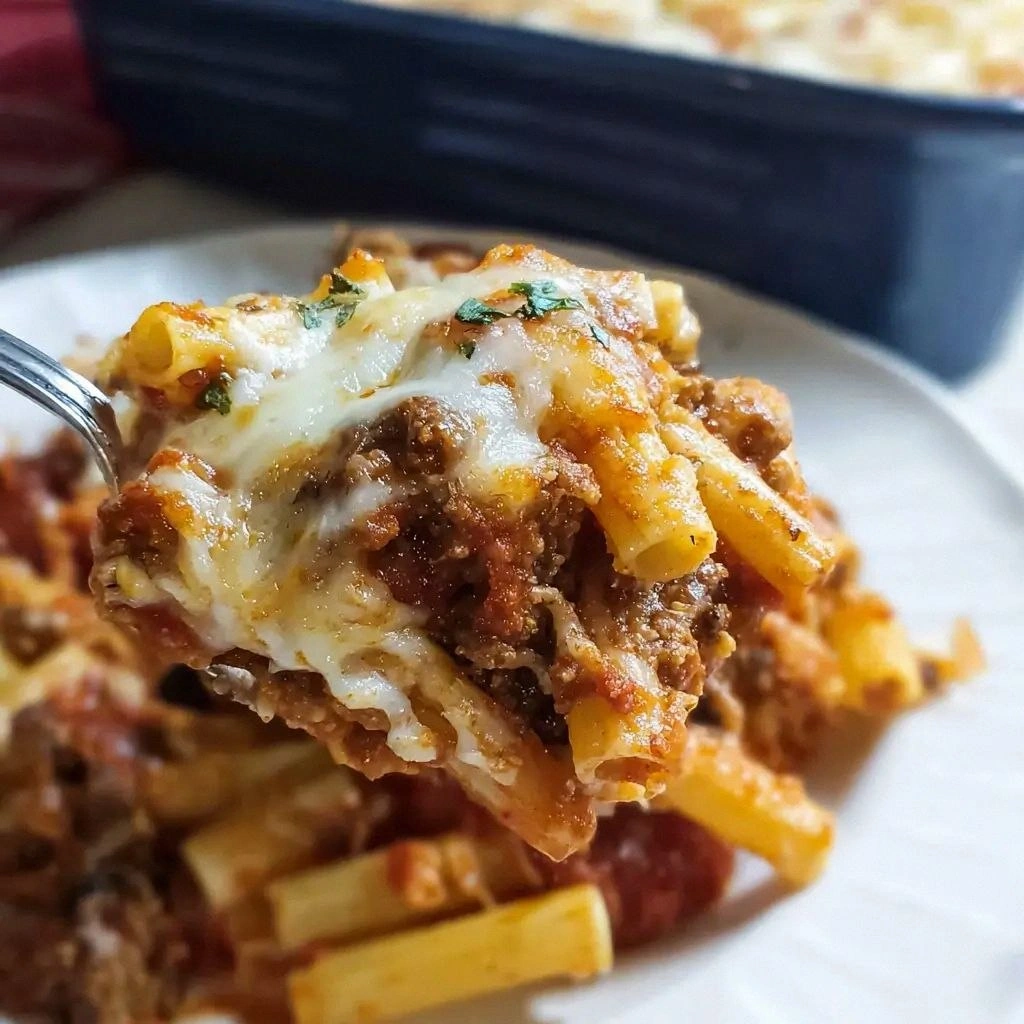
Picture yourself pulling this golden, bubbling masterpiece out of the oven, the kitchen filling with a scent that’s a sweet, savory hug, and the sight of that perfectly browned crust that shatters like thin ice when you cut into it. The first bite delivers a velvet‑like sauce coating each strand, a creamy ricotta core that melts in your mouth, and a hint of basil that lifts the whole dish into the realm of gourmet. I dare you to taste this and not go back for seconds—once you experience the harmony of textures and flavors, you’ll never settle for the ordinary again. I’ll be honest—after the first bite, I ate half the batch before anyone else got a chance to try it. That moment of triumph is what fuels my passion for this recipe, and I’m thrilled to share every juicy detail with you.
What sets this gluten‑free baked ziti apart isn’t just the absence of gluten; it’s the meticulous balance of moisture, crunch, and cheesy decadence that makes every forkful a revelation. The sauce is a silky blend of marinara and ricotta, thickened just enough to cling to the pasta without weighing it down. The pasta itself is al dente, with a slight bite that contrasts beautifully against the creamy filling. The top layer of mozzarella forms a crisp, golden crust that crackles as you bite into it, while the fresh basil and spinach add a burst of green freshness that lifts the dish. And the best part? This recipe is make‑ahead friendly—prep it the night before, bake it fresh, and you’ll have a show‑stopping entrée that’s ready in minutes.
Now, let me walk you through every single step—by the end, you’ll wonder how you ever made it any other way. From the careful selection of gluten‑free pasta to the precise timing of the bake, each element has been fine‑tuned to deliver a dish that’s as comforting as it is impressive. I’ll share my kitchen hacks, the science behind the sauce, and the subtle tweaks that elevate this dish from good to unforgettable. So grab your apron, preheat that oven, and let’s dive into the ultimate gluten‑free baked ziti experience.
What Makes This Version Stand Out
- Flavor: The sauce is a harmonious blend of marinara and ricotta that coats each noodle like velvet, delivering a rich, savory depth that’s hard to beat.
- Texture: The pasta remains al dente, offering a satisfying bite that balances the creamy layers and the crispy mozzarella crust.
- Cheese Combination: A trio of cheeses—ricotta, mozzarella, and Parmesan—creates layers of meltiness and a subtle nutty finish that elevates the dish.
- Fresh Herbs: Basil and spinach add a bright, green contrast that cuts through the richness and brings a fresh, garden‑to‑table feel.
- Ease of Prep: With minimal prep time and a single baking dish, this recipe is perfect for busy weeknights and large gatherings alike.
- Gluten‑Free Integrity: The use of high‑quality gluten‑free pasta ensures a natural, hearty texture without sacrificing flavor.
- Make‑Ahead Friendly: Assemble the dish the night before, refrigerate, and bake fresh—ideal for dinner parties or family meals.
- Visual Appeal: The golden, bubbly top and the glossy sauce create a dish that’s as stunning to look at as it is delicious to eat.
Inside the Ingredient List
The Flavor Base
The marinara sauce is the heart of this dish, and using a high‑quality store‑bought or homemade sauce sets the flavor foundation. I’ve found that a sauce with a hint of crushed red pepper and fresh garlic elevates the dish, giving it a subtle kick that pairs beautifully with the cheeses. Skipping this step and using plain tomato sauce will result in a bland, one‑dimensional flavor profile that’s hard to recover from. For an extra burst, add a splash of red wine before simmering the sauce; it caramelizes and deepens the tomato sweetness.
Ricotta cheese is the creamy binder that keeps the pasta moist and luscious. It’s important to use whole‑milk ricotta for a richer taste; low‑fat versions can become watery and dilute the sauce. If you’re lactose intolerant, a dairy‑free ricotta made from cashews or tofu will work, though the texture will shift slightly. Remember, ricotta should be at room temperature before mixing; this ensures it blends smoothly without clumping.
Fresh basil and spinach are the green stars that add brightness and a pop of color. Basil’s sweet, peppery notes cut through the richness of the cheeses, while spinach’s earthy undertones provide depth. If you can’t find fresh spinach, frozen spinach works—just thaw and squeeze out excess moisture. Don’t be tempted to use dried herbs; they lack the vibrant flavor that fresh herbs deliver.
The Texture Crew
Gluten‑free ziti pasta is the canvas that holds everything together. It’s crucial to choose a brand with a firm bite, as some gluten‑free pastas can become mushy if overcooked. Boil the pasta until it’s just al dente, then drain and toss with a splash of olive oil to prevent sticking. Skipping the oil step will result in clumped noodles that are difficult to mix evenly with the sauce.
Mozzarella cheese adds the gooey, melty texture that makes the dish irresistible. I recommend using part‑moist mozzarella for a balance between melt and structure; whole‑moist varieties can become too runny. Adding a small amount of shredded mozzarella to the pasta mixture before baking ensures a uniform coating, while the remaining mozzarella on top creates that coveted golden crust. If you prefer a sharper flavor, try a blend of mozzarella and provolone.
Parmesan cheese brings a nutty, salty finish that’s essential for depth. It’s best to use freshly grated Parmesan, as pre‑grated versions often contain additives that can affect texture. Sprinkle it evenly throughout the pasta mixture, not just on top, to integrate its flavor fully. A pinch of nutmeg can also complement Parmesan’s nuttiness, adding a subtle warmth.
The Unexpected Star
The egg is the secret binder that ensures the mixture holds together during baking, giving the dish a silky, cohesive crumb. It also adds a subtle richness that elevates the overall flavor. If you’re vegan, replace the egg with a flaxseed egg or a tablespoon of aquafaba, though the texture will be slightly different. Be sure to beat the egg lightly before mixing to avoid over‑whipping.
Olive oil, though minimal, plays a pivotal role in preventing the pasta from sticking and adding a fruity brightness. I use a light, extra‑virgin olive oil that complements the tomato base without overpowering it. A drizzle of oil on the baking dish before adding the pasta mixture creates a slick surface that helps the top crust crisp up nicely.
The Final Flourish
Italian seasoning, garlic powder, onion powder, and red pepper flakes are the seasoning trio that brings the dish together. These spices create a layered flavor profile that’s savory, aromatic, and just a touch spicy. Adjust the heat level by increasing or decreasing the red pepper flakes to suit your palate. If you prefer a fresher taste, add minced garlic and shallots during the sauté step.
Salt and pepper are essential for bringing out the inherent flavors of each ingredient. I recommend seasoning the pasta water generously before boiling, which helps the noodles absorb salt from the inside. A final pinch of pepper after baking adds a sharp contrast to the sweet tomato base. Remember, seasoning is cumulative; taste the mixture before baking to ensure it’s balanced.
Everything’s prepped? Good. Let’s get into the real action and see how these ingredients transform into a show‑stopping dish.
The Method — Step by Step
- Step 1: Preheat your oven to 375°F (190°C). In a large pot, bring salted water to a rolling boil and add the gluten‑free ziti. Cook for 8–9 minutes until al dente, then drain and immediately toss with a tablespoon of olive oil to keep the strands from sticking. Let the pasta sit while you prepare the sauce; this pause allows the noodles to cool just enough for the next step.
- Step 2: In a large mixing bowl, combine 1 cup ricotta, 1 cup shredded mozzarella, 1/2 cup grated Parmesan, 1 egg, 1 teaspoon Italian seasoning, 1/2 teaspoon garlic powder, 1/2 teaspoon onion powder, 1/4 teaspoon red pepper flakes, 1/2 teaspoon salt, and 1/4 teaspoon black pepper. Whisk until the mixture is smooth and the cheeses are evenly distributed. This is the moment of truth—if the mixture is lumpy, the baked ziti will not rise properly.
- Step 3: Fold the cooked pasta into the cheese mixture, ensuring each noodle is coated. Gently stir in 2 cups marinara sauce, 1/2 cup chopped basil, and 1/2 cup spinach. Mix until the pasta is glossy and the sauce is evenly distributed. The pasta should look like a rich, glossy carpet ready to be baked.
- Step 4: Lightly grease a 9x13-inch baking dish with olive oil. Transfer the pasta mixture into the dish, spreading it out evenly with a spatula. This step is crucial for achieving a uniform bake—if you skip greasing, the top layer may stick and crack unevenly.
- Step 5: Sprinkle the remaining 1 cup of shredded mozzarella over the top of the pasta. This extra cheese layer ensures that the final crust is molten, golden, and irresistibly crunchy.
- Step 6: Bake in the preheated oven for 25–30 minutes, or until the top is bubbling and golden brown. The aroma will fill the kitchen, and the sound of the bubbling sauce will signal that it’s nearly done.
- Step 7: Remove the baked ziti from the oven and let it rest for 5 minutes. This short rest allows the cheese to set and the flavors to meld, making every bite smoother.
- Step 8: Garnish with additional fresh basil leaves if desired, then slice and serve immediately. The contrast of the hot, molten cheese against the cool basil will elevate the dish to another level.
- Step 9: Serve with a side of crusty bread or a light green salad for a complete meal. The bread will soak up the remaining sauce, while the salad adds a crisp, refreshing finish.
- Step 10: If you’re hosting a dinner party, keep the baked ziti warm in a low‑heat oven (250°F) or a slow cooker on the “warm” setting until guests arrive.
That’s it—you did it! But hold on, I’ve got a few more tricks that will elevate this dish from great to legendary.
Insider Tricks for Flawless Results
The Temperature Rule Nobody Follows
Many cooks bake at 400°F, but that high heat can cause the top to burn before the inside is cooked. I recommend baking at 375°F, which allows the pasta to cook evenly while the cheese forms a perfect golden crust. The lower temperature also keeps the sauce from splattering, making cleanup a breeze. If you prefer a crispier top, switch to the broiler for the last 2 minutes—just keep a close eye to avoid burning.
Why Your Nose Knows Best
The aroma of a bubbling baked ziti is a powerful indicator of doneness. When the cheese is fully melted and the sauce is thickened, the scent will be rich and tomato‑savory. If the smell is still faintly raw, give it a few more minutes. Trust your nose—it’s a seasoned chef’s secret tool.
The 5-Minute Rest That Changes Everything
Resting the dish after baking allows the cheese to set, preventing it from sliding off the noodles when you cut into it. It also lets the flavors meld, resulting in a more cohesive taste. Skipping this step may lead to a watery, unevenly flavored dish. I always let it sit for exactly 5 minutes, then slice and serve.
Use Fresh Herbs, Not Dried
Fresh basil and spinach deliver vibrant flavors that dried herbs simply can’t match. The bright green color also makes the dish more visually appealing. If you’re in a pinch, use dried herbs, but be sure to reduce the quantity by half, as they’re more concentrated. Adding fresh herbs at the end of baking ensures their flavor stays bright.
Keep the Pasta Moist
A common mistake is overcooking the pasta, which leads to a mushy texture. To avoid this, test the noodles a minute before the package’s recommended time. Once drained, toss them with a splash of olive oil and let them sit; this keeps them from sticking together and maintains a firm bite. Remember, the pasta should still have a slight bite when you finish baking.
Creative Twists and Variations
This recipe is a playground. Here are some of my favorite ways to switch things up:
Mediterranean Spin
Swap the marinara for a pesto‑marinara blend and add sun‑dried tomatoes for a sweet, tangy kick. Replace mozzarella with feta for a briny contrast. Finish with a drizzle of olive oil and a sprinkle of pine nuts for crunch.
Spicy Cajun Kick
Add a tablespoon of Cajun seasoning to the pasta mixture and use a spicy tomato sauce. Include diced bell peppers and black olives for texture and color. Top with a handful of shredded cheddar for a smoky finish.
Vegan Delight
Use dairy‑free ricotta, vegan mozzarella, and nutritional yeast in place of Parmesan. Substitute the egg with a flaxseed binder. The result is a creamy, comforting dish that’s entirely plant‑based.
Breakfast Baked Ziti
Add crumbled bacon or sausage, a handful of spinach, and a splash of milk to the pasta mixture. Bake until the top is golden and the filling is hot. Serve with a side of fresh fruit for a balanced breakfast.
Mushroom & Truffle Twist
Sauté sliced mushrooms with garlic before adding them to the sauce. Add a teaspoon of truffle oil during the final mix for a luxurious aroma. Finish with a sprinkle of fresh thyme for an earthy finish.
Storing and Bringing It Back to Life
Fridge Storage
Let the baked ziti cool completely before refrigerating. Store it in an airtight container for up to 3 days. When reheating, cover with foil to keep the top from drying out. A quick microwave burst for 2–3 minutes is usually enough.
Freezer Friendly
Cool the dish thoroughly, then wrap tightly with plastic wrap and aluminum foil. Freeze for up to 2 months. To reheat, thaw overnight in the fridge, then bake at 350°F for 20 minutes. The crust will regain its crispness.
Best Reheating Method
The secret to a perfect reheated baked ziti is to add a splash of water or milk before covering. This creates steam that rehydrates the pasta and keeps the cheese from becoming rubbery. Reheat in a covered skillet over medium heat, stirring occasionally until hot.