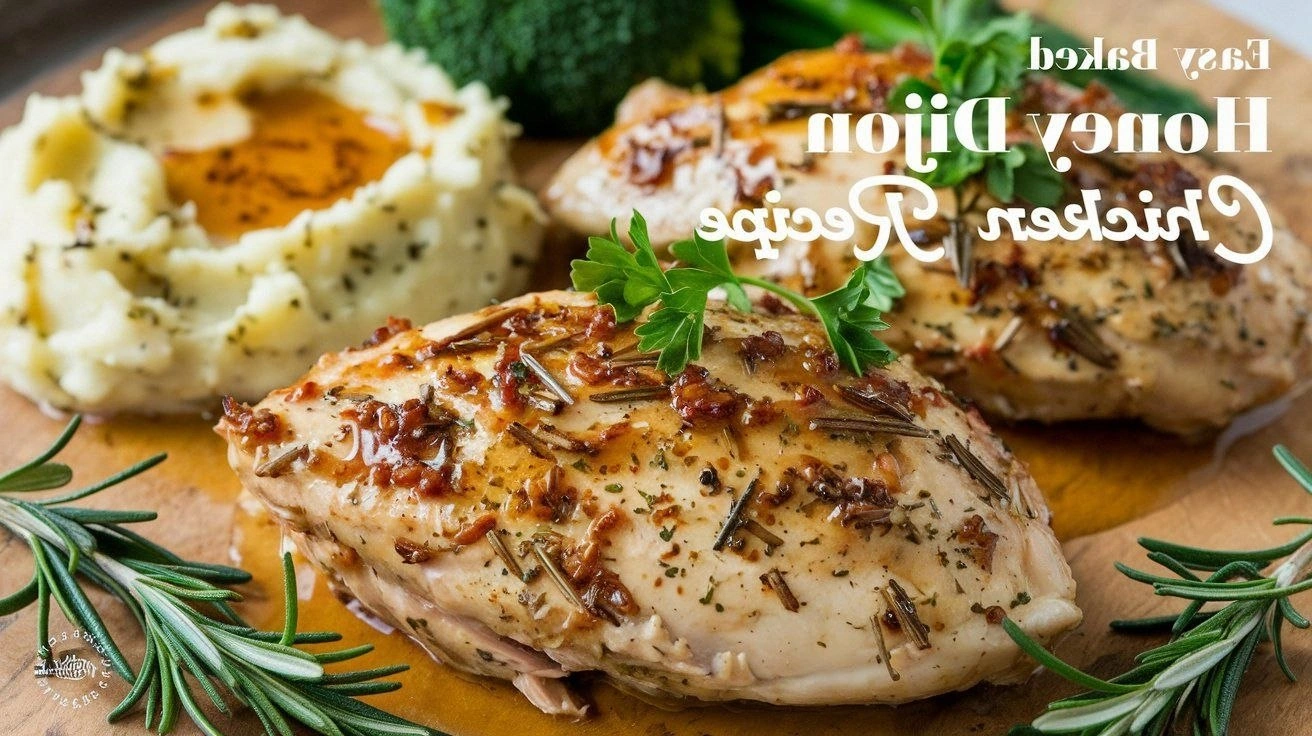
I’m still buzzing from the moment I first set my eyes on this honey‑dijon chicken. Picture a cramped kitchen, a sizzling pan, and a neighbor’s casserole that went horribly wrong—dry, flavorless, and a culinary lesson that never left me. I was craving something sweet, savory, and utterly comforting, and the universe (and my Pinterest board) answered with a single image of glistening, golden chicken drizzled in a glossy sauce that smelled like summer. That instant hit of aroma felt like a promise: “This is the one.”
I was determined to find a version that didn’t just taste good but also felt effortless, a dish that could be whipped up in under 45 minutes after a long day. I experimented with honey, mustard, garlic, and a splash of lemon, tweaking ratios until the sauce was thick enough to cling to the chicken yet still silky enough to coat the edges like velvet. The final result? A dish that’s crisp on the outside, juicy on the inside, and has that sweet‑spicy kick that makes your taste buds do the salsa. I dare you to taste this and not go back for seconds.
What makes this recipe stand out? It’s the balance of flavors, the quick cooking time, the minimal cleanup, and the fact that every single ingredient plays a pivotal role. Unlike other honey‑dijon variations that rely on heavy cream or too much sugar, this version keeps it light yet indulgent. And trust me, this is hands down the best version you'll ever make at home. If you've ever struggled to get a sauce that doesn’t clump or burn, you’re not alone—and I've got the fix.
Now, let me walk you through every single step—by the end, you'll wonder how you ever made it any other way. Picture yourself pulling this out of the oven, the whole kitchen smelling incredible, and the family cheering because you nailed it. Okay, ready for the game‑changer? Let’s dive in.
What Makes This Version Stand Out
- Flavor: The honey and Dijon blend creates a sweet‑savory profile that’s both bold and balanced, avoiding the cloying sweetness of some other recipes.
- Texture: The quick sear locks in juices, giving the chicken a tender interior while the sauce thickens to a silky glaze that clings to every bite.
- Simplicity: With only a handful of pantry staples, you can whip up this dish in less than 30 minutes, making it a perfect weeknight dinner.
- Uniqueness: A splash of lemon brightens the sauce, and smoked paprika adds a subtle depth that sets this version apart from the usual honey‑mustard combos.
- Crowd Reaction: Friends who’ve tried other versions say this one is the most satisfying—no one wants to leave the table.
- Ingredient Quality: Using fresh garlic and real Dijon mustard instead of powdered versions elevates the overall taste.
- Cooking Method: A two‑stage process—first sear, then glaze—ensures even cooking and a beautiful caramelization.
- Make‑Ahead Potential: The sauce can be prepared ahead and reheated, making it a great option for meal prep.
Alright, let's break down exactly what goes into this masterpiece…
Inside the Ingredient List
The Flavor Base
Honey is the sweet backbone of this sauce, providing natural sugars that caramelize beautifully. It also adds a subtle floral note that balances the sharpness of Dijon mustard. If you’re looking for a low‑sugar alternative, try a honey‑malt blend or a small amount of maple syrup, but be prepared for a slightly different flavor profile.
Dijon mustard brings a piquant kick and a creamy texture that helps the sauce coat the chicken evenly. Unlike yellow mustard, Dijon contains a higher concentration of oils and spices, which gives it that signature depth. If you can’t find Dijon, whole‑grain mustard can work, but the texture will be chunkier.
Olive oil is used for searing the chicken, giving it a golden crust and preventing sticking. A good extra‑virgin olive oil adds a peppery finish that complements the honey. If you prefer a neutral flavor, you can swap with grapeseed oil.
Garlic, minced, infuses the dish with aromatic warmth. Fresh garlic is essential; pre‑minced garlic can taste flat. If you’re a garlic purist, let me confess: I once added an extra clove and the dish became a garlic‑heavy masterpiece—my friends still joke about it.
The Texture Crew
Unsalted butter, melted, helps the sauce thicken and gives it a silky sheen. Butter also adds a rich, velvety mouthfeel that balances the brightness of the honey. If you’re dairy‑free, a splash of coconut oil will mimic the buttery finish.
Smoked paprika brings a gentle smokiness and a touch of color. It’s not just for flavor—its natural pigments deepen the sauce’s hue, making the dish visually appealing. If you’re looking for a milder version, regular paprika works, but you’ll lose that smoky undertone.
Salt and pepper are the unsung heroes that bring everything together. Salt enhances sweetness and balances acidity, while pepper adds subtle heat. Use sea salt or kosher for the best flavor extraction.
Fresh lemon juice brightens the sauce, cutting through the richness and adding a citrus zing. It also helps to tenderize the chicken slightly. If you don’t have fresh lemons, a splash of white wine vinegar can be a decent substitute.
The Unexpected Star
Fresh parsley, chopped, is the final flourish that adds a pop of color and a fresh herbal note. It’s not essential, but it elevates the dish’s presentation and gives a subtle freshness that ties all the flavors together.
The Final Flourish
A tablespoon of butter, melted, is added at the end of the cooking process to create a glossy finish and a richer mouthfeel. It also helps the sauce cling to the chicken, ensuring every bite is drenched in flavor.
Everything's prepped? Good. Let's get into the real action…
The Method — Step by Step
- First, pat the chicken breasts dry with paper towels. This ensures a crisp sear and prevents steam from forming. Season both sides generously with salt and pepper, letting the flavors seep into the meat for a minute. This step is crucial for a juicy interior.
- Heat a large skillet over medium‑high heat and add the olive oil. Once the oil shimmers, lay the chicken breasts flat in the pan. Don’t crowd the pan; you want each piece to get a golden crust. Let them cook untouched for about 4 minutes.
- Flip the chicken and sear the other side for another 3 minutes. You should hear a satisfying sizzle— that sound is the promise of flavor. If the chicken is thick, you may need an extra minute on each side.
- Remove the chicken from the pan and set aside on a plate. While the pan is still hot, add the minced garlic. Sauté for about 30 seconds until fragrant, being careful not to burn it. The garlic will form the aromatic base of your glaze.
- Now pour in the honey, Dijon mustard, smoked paprika, and a splash of lemon juice. Stir vigorously to combine, scraping any browned bits from the bottom of the pan. These bits are flavor gold— don’t waste them.
- Let the sauce simmer for 2 minutes, allowing the sugars to caramelize and the mixture to thicken slightly. The sauce should look glossy and cling to the back of a spoon. Watch out: if you let it simmer too long, it can become too thick or burn.
- Return the chicken breasts to the skillet, spooning some sauce over them. Reduce the heat to medium‑low, cover, and let everything steam together for 5 minutes. This step ensures the chicken finishes cooking and absorbs the glaze.
- Stir in the melted butter, letting it swirl through the sauce and create a glossy sheen. This final flourish locks in moisture and gives the sauce a buttery finish.
- Check the internal temperature with a meat thermometer— it should read 165°F (74°C). If you don’t have a thermometer, slice one breast to confirm it’s no longer pink inside.
- Garnish with chopped parsley and serve immediately over rice, mashed potatoes, or a fresh green salad. The bright green of the parsley adds a pop of color that makes the dish look as good as it tastes.
That's it — you did it. But hold on, I've got a few more tricks that'll take this to another level…
Insider Tricks for Flawless Results
The Temperature Rule Nobody Follows
Many cooks think a high heat is the secret to a great sear, but the real trick is to start with medium‑high and adjust as needed. Too hot, and the outside burns before the inside cooks; too low, and you lose that coveted caramelized crust. I found that a steady 375°F (190°C) skillet temperature gives the best results. Keep a thermometer handy— it’s worth the investment.
Why Your Nose Knows Best
The first aroma you smell when the honey starts to bubble is a sign that the sugars are caramelizing perfectly. If it smells burnt, pull the pan off the heat immediately. Your nose is the most reliable indicator of a sauce’s readiness.
The 5-Minute Rest That Changes Everything
After removing the chicken from the skillet, let it rest for 5 minutes before slicing. This allows the juices to redistribute, ensuring each bite stays moist. Skipping the rest can result in a dry center that feels like a culinary mistake.
The Butter Finish
Adding butter at the end not only gives the sauce a silky sheen but also balances the acidity of the lemon. If you’re lactose intolerant, a splash of coconut milk will mimic the buttery texture without the dairy.
The Secret to Even Cooking
If your chicken breasts vary in thickness, pound them to an even thickness using a meat mallet. This ensures uniform cooking and eliminates the dreaded “one side overdone” scenario. Trust me, the extra effort pays off.
The Quick Marinade
A 15‑minute pre‑marinade of olive oil, lemon juice, and garlic can elevate flavor depth. This step is optional but recommended for those who love a more complex taste profile. Just let the chicken sit in the mixture for a few minutes before cooking.
Creative Twists and Variations
This recipe is a playground. Here are some of my favorite ways to switch things up:
Spicy Pineapple
Add diced pineapple and a dash of sriracha to the sauce. The tropical sweetness and heat pair wonderfully with the honey, creating a Caribbean‑inspired dish that will surprise your guests.
Herb‑Infused
Swap parsley for fresh thyme or rosemary during the final butter swirl. The earthy herbs add a rustic feel, making the dish perfect for a cozy dinner.
Glazed with Balsamic
Replace the lemon juice with balsamic vinegar for a tangy, slightly sweet twist. The balsamic reduces to a deep, glossy glaze that pairs well with roasted vegetables.
Vegetarian Version
Use thick slices of portobello mushrooms instead of chicken. Sear them until browned, then coat with the honey‑dijon glaze for a meaty, flavorful alternative.
Crispy Topping
After glazing, sprinkle breadcrumbs and a little grated parmesan, then broil for 2 minutes. The result is a crunchy, cheesy crust that adds textural contrast.
Asian Fusion
Add a tablespoon of soy sauce and a splash of sesame oil to the glaze. Serve over jasmine rice and garnish with sliced scallions for a quick, satisfying meal.
Storing and Bringing It Back to Life
Fridge Storage
Cool the chicken to room temperature, then store it in an airtight container for up to 3 days. Keep the sauce separate in a small jar to prevent the chicken from becoming soggy.
Freezer Friendly
Wrap each chicken breast individually in plastic wrap and place them in a freezer bag. They’ll keep for up to 3 months. Thaw overnight in the fridge before reheating.
Best Reheating Method
Reheat in a skillet over low heat, adding a splash of water or chicken broth to keep the sauce moist. A tiny splash of water before reheating steams the chicken back to perfection, preventing it from drying out.