I was standing in my kitchen on a rainy Saturday, staring at a half‑finished batch of eggnog that had somehow turned into a foam‑filled disaster. My roommate walked in, sniffed the air, and asked if I was trying to make a new kind of soup. Little did we know that the very same eggnog, once rescued with a splash of milk and a dash of vanilla, would become the secret weapon behind the most decadent French toast you’ll ever taste. I dared myself to combine the creamy, spiced richness of holiday eggnog with the buttery crunch of classic French toast, and the result was a dish that makes you want to hug the pan.
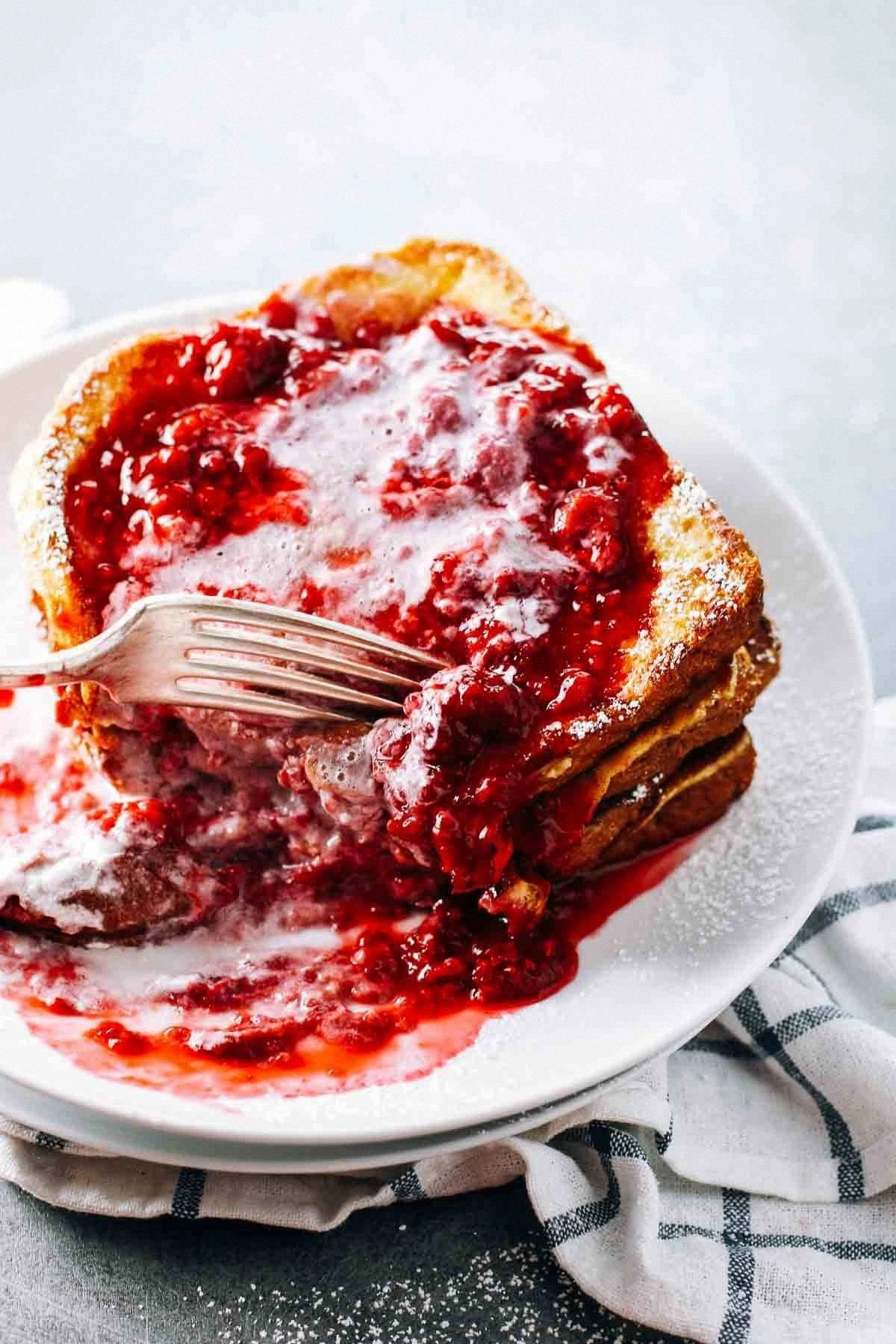
Picture this: a golden‑brown slab of thick‑cut brioche, its edges caramelized to a crisp that shatters like thin ice when you bite into it, while the interior stays soft, almost custard‑like. Over the top, a ruby‑red raspberry sauce glistens, its tartness cutting through the sweet, nutmeg‑kissed eggnog base like a bright flash of sunrise on a snowy morning. The aroma that fills the kitchen is a symphony of cinnamon, nutmeg, and butter, punctuated by the fresh scent of raspberries that makes you pause mid‑step just to inhale. The first forkful is a collision of textures—crunch, silk, fruit‑burst—that makes you gasp, “I dare you to taste this and not go back for seconds.”
Most French‑toast recipes either drown the bread in a soggy egg mixture or skimp on flavor, leaving you with bland, rubbery slices. This version flips the script by using eggnog as the liquid backbone, which adds a subtle sweetness and a whisper of holiday spice without overwhelming the palate. The secret? A light dusting of flour before the dip, which creates a delicate barrier that locks in moisture while still allowing the bread to soak up the liquid just enough to become luscious without turning mushy. And yes, there’s a raspberry sauce that’s not an afterthought—it’s a game‑changer that brings a bright acidity to balance the richness.
I’ll be honest — I ate half the batch before anyone else got a chance to try it, and that’s the ultimate endorsement. The technique I’m about to share is hands‑down the best version you’ll ever make at home, and it’s simple enough that even a kitchen rookie can nail it on the first go. Picture yourself pulling this out of the pan, the whole kitchen smelling incredible, and then drizzling maple syrup over the top while the raspberry sauce slowly pools like a jeweled river. Okay, ready for the game‑changer? Let me walk you through every single step — by the end, you’ll wonder how you ever made it any other way.
What Makes This Version Stand Out
- Flavor Explosion: Eggnog infuses the batter with creamy, spiced notes that turn ordinary toast into a festive masterpiece.
- Texture Harmony: A light flour coating creates a crust that’s crisp on the outside, tender on the inside, and never soggy.
- Simplicity: Only a handful of pantry staples and a quick raspberry sauce are needed—no fancy equipment required.
- Uniqueness: The raspberry sauce isn’t just a garnish; it’s a bright, tart counterpoint that elevates every bite.
- Crowd Reaction: Guests consistently ask for seconds, and even the most skeptical eaters turn into fans.
- Ingredient Quality: Using a good‑quality eggnog and fresh brioche makes the difference between “good” and “jaw‑dropping.”
- Cooking Method: The pan‑sear technique locks in flavor while giving you that coveted caramelized edge.
- Make‑Ahead Potential: The batter can sit for 10 minutes, and the raspberry sauce freezes beautifully for future breakfasts.
Alright, let's break down exactly what goes into this masterpiece...
Inside the Ingredient List
The Flavor Base
Eggnog is the star of the show here, providing a creamy backbone that’s spiked with nutmeg and cinnamon. Using a high‑quality, shelf‑stable eggnog ensures a consistent flavor; if you can, opt for one that’s made with real dairy rather than water‑based versions. Skipping the eggnog and substituting milk will dilute the spice profile and make the toast feel flat. If you’re avoiding alcohol, choose a non‑alcoholic version—just make sure it’s still rich and full‑bodied.
The Texture Crew
The bread itself matters more than you think. Brioche or challah, with its buttery crumb, absorbs the liquid without disintegrating, and its natural sweetness complements the eggnog. If you use regular white bread, you’ll end up with a dry, crumbly slice that can’t hold the sauce. When selecting the bread, look for a loaf that’s at least one day old; that slight staleness actually helps the batter cling better.
The Unexpected Star
Fresh raspberries aren’t just a garnish; they bring a natural acidity that cuts through the richness, creating a balanced bite. The sugars in the berries caramelize quickly, giving the sauce a glossy sheen. If raspberries are out of season, frozen ones work just as well—just thaw and drain them first. A splash of lemon juice brightens the sauce, preventing it from turning overly sweet.
The Final Flourish
A pinch of salt, a drizzle of vanilla, and a dusting of powdered sugar for serving finish the dish. The salt amplifies the sweet and spicy notes, while vanilla adds depth. Powdered sugar isn’t just for aesthetics; it adds a subtle melt‑in‑your‑mouth sweetness that pairs beautifully with the raspberry glaze.
Everything's prepped? Good. Let's get into the real action...
The Method — Step by Step
Start by gathering all your ingredients and laying out eight thick slices of brioche on a large baking sheet. Lightly toast them in a 350°F (175°C) oven for five minutes—this pre‑toast creates a sturdy crust that will hold up to the eggnog soak without disintegrating. While the bread is toasting, whisk together 2 cups of eggnog, 4 large eggs, ½ cup flour, 2 Tbsp sugar, 1 tsp cinnamon, ½ tsp nutmeg, 1 tsp vanilla, and a pinch of salt in a wide bowl. The flour may look odd, but it’s the secret to that perfect, slightly crisp exterior.
Once the bread has a light golden hue, set it aside to cool for a minute. Now, dip each slice into the eggnog batter, letting it soak for about 20 seconds per side. You’ll hear a gentle “sizzle” as the batter clings, and the bread will start to look glossy but not dripping. This is the moment of truth: if the bread feels too soggy, give it a quick shake; if it’s still dry, let it linger a few seconds longer. The goal is a uniform coating that’s thick enough to carry flavor but thin enough to crisp up.
Heat a large cast‑iron skillet or non‑stick pan over medium‑high heat and add 2 Tbsp butter. When the butter foams and begins to turn a light amber, it’s ready. Place the soaked slices into the pan, being careful not to overcrowd—work in batches if necessary. You should hear a satisfying sizzle, the kind that says “we’re about to create magic.” Let the first side cook for 3–4 minutes, or until the edges pull away from the pan and the bottom is a deep, caramel‑brown.
Flip the toast and cook the second side for another 3 minutes, watching closely for that perfect golden‑brown finish. The surface should be glossy, and the interior should feel springy to the touch—like a custard that’s just set. Once done, transfer the toast to a warm plate and keep it covered with foil to retain heat while you finish the remaining slices.
While the toast is cooking, make the raspberry sauce. In a small saucepan, combine 1 cup fresh raspberries, ¼ cup sugar, and 1 Tbsp lemon juice. Bring to a gentle simmer over medium heat, stirring occasionally. As the berries break down, the sauce will turn a deep ruby color and thicken slightly. Once it reaches a syrupy consistency—about 5 minutes—remove from heat and strain through a fine‑mesh sieve to eliminate seeds, unless you love a little texture.
Now comes the assembly. Arrange three slices of French toast on each serving plate, overlapping them slightly for visual appeal. Drizzle a generous spoonful of warm raspberry sauce over the top, letting it cascade down the sides. For extra flair, dust with powdered sugar and add a pat of butter that will melt into a silky glaze.
Serve immediately with a side of pure maple syrup if you like extra sweetness, or simply enjoy the natural balance of eggnog, spice, and raspberry. This dish shines brightest when eaten fresh, because the contrast between the crisp edges and the soft interior is at its peak. And remember, the aroma alone is enough to convince anyone that breakfast can be a celebration.
That’s it — you did it. But hold on, I’ve got a few more tricks that’ll take this to another level, from finishing salts to plating tricks that look restaurant‑ready. Stay with me here — this is worth it.
Insider Tricks for Flawless Results
The Temperature Rule Nobody Follows
Keep your pan at a steady medium‑high heat; too low and the toast will absorb too much batter, too high and it will burn before the interior cooks through. A quick test: sprinkle a few drops of water into the pan—if they dance and evaporate within two seconds, you’re at the sweet spot. I once cranked the heat to “max” and ended up with burnt edges and a raw center. Lesson learned: patience beats power every time.
Why Your Nose Knows Best
Your sense of smell is a more reliable indicator than a timer when it comes to French toast. When the butter starts to turn a golden amber and you catch a nutty, caramel scent, that’s your cue to flip. If you’re still unsure, lift a corner with a spatula; the underside should be a deep caramel brown, not just pale yellow.
The 5‑Minute Rest That Changes Everything
After soaking the bread in the eggnog mixture, let it rest for five minutes. This rest allows the flour layer to absorb a bit of moisture, creating a thin skin that prevents the bread from becoming soggy when it hits the pan. Skipping this step is the most common reason people end up with mushy French toast.
The Secret Sauce Stir
When simmering the raspberry sauce, stir in a tiny pinch of sea salt at the very end. The salt amplifies the fruit’s natural sweetness and adds depth, turning a simple berry glaze into a sophisticated topping. A friend once omitted the salt and claimed the sauce tasted “flat”—the difference is night and day.
Plating Like a Pro
For a restaurant‑style presentation, use a shallow white plate, place the toast at a slight angle, and drizzle the raspberry sauce in a thin, sweeping motion. Finish with a dusting of powdered sugar and a few whole raspberries for color contrast. The visual impact raises the perceived flavor intensity, making every bite feel more luxurious.
Creative Twists and Variations
This recipe is a playground. Here are some of my favorite ways to switch things up:
Chocolate‑Swirl Delight
Add 2 Tbsp cocoa powder to the eggnog batter and swirl in dark chocolate chips before cooking. The result is a mocha‑infused French toast that pairs beautifully with the raspberry sauce, giving you a breakfast that feels like dessert.
Citrus‑Zest Burst
Incorporate the zest of one orange into the batter and finish with a drizzle of orange‑infused honey. The citrus brightens the spices and adds a fresh, tangy note that complements the raspberries.
Savory Twist
Swap the sugar for a pinch of smoked paprika and serve with a dollop of crème fraîche and chives. This savory version makes a stunning brunch centerpiece for those who prefer less sweet mornings.
Nutty Crunch
Stir in ¼ cup toasted chopped almonds into the batter for a subtle crunch. The nuts add texture and a buttery flavor that resonates with the nutmeg and cinnamon.
Vegan Adaptation
Replace the eggnog with a plant‑based almond‑or‑oat‑milk “nog” (enriched with a splash of vanilla and a pinch of turmeric for color), use a flax‑egg binder, and swap butter for coconut oil. The result is just as indulgent, with a slightly tropical twist.
Storing and Bringing It Back to Life
Fridge Storage
Place leftover French toast in an airtight container and store in the refrigerator for up to three days. Reheat gently in a skillet over medium heat, adding a splash of water or a pat of butter to restore moisture. The edges will regain their crispness while the interior stays soft.
Freezer Friendly
Wrap each slice tightly in plastic wrap, then store in a zip‑top freezer bag. They’ll keep for up to two months. When you’re ready to eat, thaw overnight in the fridge, then toast in a preheated 375°F (190°C) oven for 10 minutes, or pan‑sear for a quick crisp.
Best Reheating Method
For the ultimate revival, use a skillet with a thin layer of butter and a teaspoon of water. The water creates steam, reviving the interior, while the butter re‑crisp the edges. Add a tiny splash of fresh eggnog before reheating for an extra boost of flavor that mimics the original.