I was in the middle of a frantic Tuesday night, the kind where the kids have already turned the living room into a battlefield and the only thing keeping my sanity together is the promise of a good, hearty dinner. I reached for a jar of sun‑dried tomatoes, stared at a half‑empty bag of cheese tortellini, and thought, “What if I could marry a chicken breast to pasta in a sauce so silky it could convince a skeptic that love really does happen in the kitchen?” That moment of reckless optimism turned into a culinary experiment that has now become my secret weapon. The moment the butter hit the pan, it sang a soft sizzle that sounded like a love note, and the aroma of garlic and herbs swirled around the kitchen like a warm embrace.
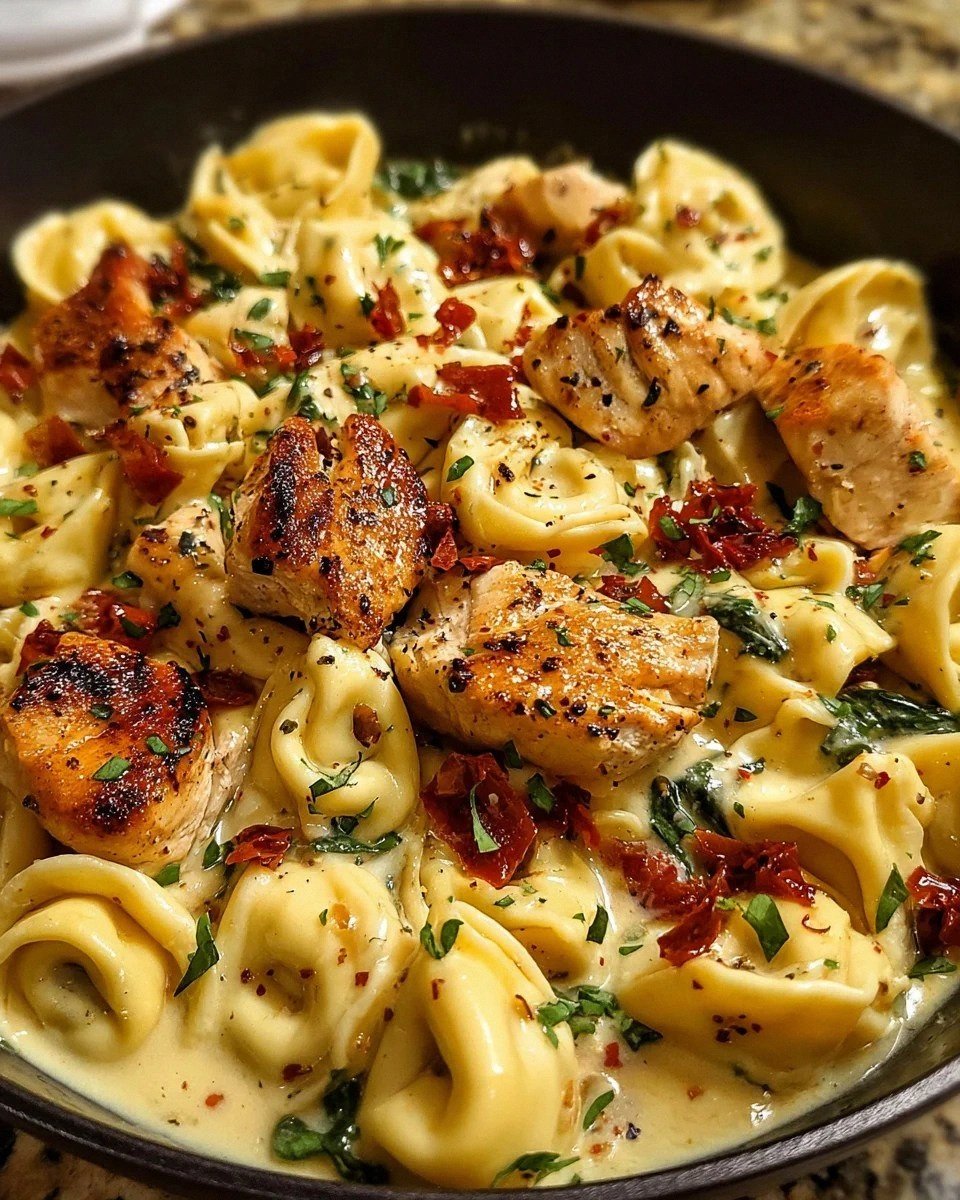
I’ll never forget the first bite. The sauce clung to each tortellini like a velvet glove, while the chicken pieces were tender enough to melt on the tongue, and the sun‑dried tomatoes added a pop of sweet‑tart that made my taste buds do a little happy dance. It was the kind of dish that makes you stare at the pot and whisper, “You’re welcome,” before you even get a chance to serve it. Most recipes I’ve tried either drown the pasta in a watery broth or overload it with cheese until it feels like a dairy overload. This version, however, strikes a perfect balance—creamy, cheesy, a hint of acidity, and just enough heat to keep things interesting.
What really sets this Marry Me Chicken Tortellini apart is a tiny twist that most cooks overlook: a splash of chicken broth right before finishing the sauce. That splash does more than add moisture; it lifts the entire flavor profile, turning a simple cream sauce into something that feels almost luxurious. And because I’m a firm believer that a dish should be as easy to make as it is unforgettable, I’ve streamlined the steps so that you can pull this together in under an hour, even on a night when the kids are demanding pizza.
I dare you to taste this and not go back for seconds. I’ll be honest — I ate half the batch before anyone else got a chance to try it, and the leftover was still the star of the next day's lunch. Picture yourself pulling this out of the pan, the whole kitchen smelling incredible, steam rising like a curtain of applause. Okay, ready for the game‑changer? Let me walk you through every single step — by the end, you’ll wonder how you ever made it any other way.
What Makes This Version Stand Out
- Flavor Fusion: The combination of sun‑dried tomatoes, garlic, and a splash of chicken broth creates a depth that ordinary cream sauces lack. Each bite feels like a mini adventure, moving from buttery richness to bright acidity.
- Texture Harmony: The tortellini’s pillowy interior meets the chicken’s juicy bite, while the sauce coats everything like a silk scarf—no clumps, no watery pools.
- Simplicity: Only twelve ingredients, all pantry‑friendly, yet the result feels restaurant‑grade. You won’t need a sous‑vide or a fancy whisk.
- Unique Twist: Adding a quick splash of broth at the end prevents the sauce from becoming too heavy and keeps it bright. Most recipes skip this step, resulting in a sauce that feels flat.
- Crowd Reaction: Guests often claim they’ve never tasted anything like it, and the “marry me” nickname sticks because the flavors are truly meant to be together.
- Ingredient Quality: Using fresh basil and high‑quality Parmesan elevates the dish from good to unforgettable. The herbs are added at the very end to preserve their perfume.
- One‑Pan Efficiency: The entire dish is built in a single skillet, meaning fewer dishes and more time to enjoy the company of your loved ones.
- Make‑Ahead Potential: You can prep the chicken and sauce ahead of time, then just boil the tortellini when you’re ready to serve. Perfect for busy weeknights.
Inside the Ingredient List
The Flavor Base
Olive oil and butter are the dynamic duo that start the flavor party. The olive oil brings a fruity note that can stand up to the high heat, while butter adds that unmistakable richness that makes the sauce feel indulgent. If you skip the butter, you’ll notice the sauce lacks that buttery mouthfeel that makes it feel like a hug from the inside. A good quality extra‑virgin olive oil is worth the extra pennies because its peppery finish balances the cream.
Garlic, minced finely, is the aromatic backbone. When it hits the hot pan, it releases a sweet, nutty scent that instantly makes the kitchen feel like an Italian trattoria. If you overcook it, you’ll get bitterness, so keep an eye on that golden color. A tip: crush the cloves with the side of a knife before mincing; it releases more flavor.
The Texture Crew
Chicken breast, cut into bite‑size cubes, provides lean protein that soaks up the sauce. The key is to not over‑cook; a quick sear locks in juices, and the final simmer finishes the cooking gently. If you use thighs instead, you’ll get extra moisture, but the texture will be softer—great for a comforting twist.
Cheese tortellini is the star carb. I prefer the classic ricotta‑spinach variety because its mild flavor lets the sauce shine. Over‑cooking tortellini makes it mushy, so a 2‑minute boil after the sauce is ready is ideal. If you’re gluten‑free, look for a chickpea or rice‑based version; the texture holds up surprisingly well.
The Unexpected Star
Sun‑dried tomatoes add a concentrated sweetness and a chewy contrast that surprises the palate. They also bring a beautiful ruby hue that makes the dish look as good as it tastes. If you can’t find them packed in oil, rehydrate them in warm water for ten minutes; the result is just as vibrant.
Heavy cream is the silk that ties everything together. It creates that luxurious mouthfeel that makes you want to linger over each forkful. For a lighter version, substitute half‑and‑half, but the sauce will lose a bit of its decadence.
The Final Flourish
Parmesan cheese, freshly grated, adds a salty, nutty finish that brightens the sauce. It also helps thicken the mixture without the need for a roux. If you use pre‑grated cheese, the flavor can be muted, so always grate it yourself for maximum impact.
Fresh basil, torn just before serving, injects a burst of herbal freshness that cuts through the richness. It’s the final kiss that seals the marriage of flavors. If basil isn’t your thing, try flat‑leaf parsley for a milder herbaceous note.
Everything's prepped? Good. Let's get into the real action…
The Method — Step by Step
Heat a large skillet over medium‑high heat and add the olive oil and butter. As soon as the butter foams, you’ll hear that satisfying sizzle that signals the pan is ready. Let the mixture melt together, swirling the pan so the oil and butter emulsify into a golden pool.
Kitchen Hack: If the butter starts to brown too quickly, lower the heat slightly; you want a gentle browning, not a burnt flavor.Add the chicken pieces, spreading them out so they make contact with the pan. Let them sear without moving for about 2‑3 minutes; you’ll see the edges start to pull away and turn a beautiful golden brown. Flip and sear the other side, then remove the chicken to a plate and set aside.
In the same pan, add the minced garlic and let it cook for 30 seconds, just until fragrant. Be vigilant—garlic can go from aromatic to bitter in a heartbeat. Next, stir in the sun‑dried tomatoes, letting their juices mingle with the garlic and butter.
Pour in the heavy cream, chicken broth, and Italian seasoning. Stir vigorously, scraping up any browned bits from the bottom; those are flavor gold. The sauce should begin to thicken within a minute, and you’ll notice a glossy sheen forming.
Watch Out: If the sauce starts to bubble aggressively, reduce the heat; a gentle simmer keeps the cream from curdling.Add the red pepper flakes, salt, and pepper to taste. This is the moment where you can decide how bold you want the heat. Remember, a little goes a long way, especially with the richness of the cream.
Return the seared chicken to the pan, nestling it into the sauce. Let it simmer for another 5 minutes, allowing the chicken to finish cooking and absorb the flavors. The sauce should coat the chicken pieces like a velvety blanket.
While the chicken finishes, bring a pot of salted water to a boil and cook the tortellini according to package directions—usually about 2‑3 minutes for al dente. Drain, reserving a half‑cup of the cooking water.
Add the cooked tortellini directly into the skillet, tossing gently to combine. If the sauce looks a touch thick, splash in a little of the reserved pasta water; it will loosen the sauce while keeping it glossy. Sprinkle the grated Parmesan over the top, allowing it to melt into the sauce.
Turn off the heat and fold in the fresh basil. The residual warmth will wilt the leaves just enough to release their aroma without losing their bright green color. Give the dish one final gentle toss.
Serve immediately, perhaps with a side of crusty bread to mop up any lingering sauce. That final bite—creamy, cheesy, with a hint of sun‑dried tomato sweetness—will make you feel like you’ve just witnessed a culinary wedding.
That's it — you did it. But hold on, I've got a few more tricks that'll take this to another level...
Insider Tricks for Flawless Results
The Temperature Rule Nobody Follows
Most home cooks crank the heat to “high” because they think faster is better. In reality, a moderate medium‑high flame gives you a controlled sear on the chicken without burning the butter. I once tried blasting the chicken on high, and the exterior charred while the interior stayed raw—a culinary disaster that taught me the value of patience.
Why Your Nose Knows Best
Your sense of smell is a more reliable indicator than a timer when it comes to the sauce thickening. When the sauce starts to emit a buttery, nutty perfume and you see the edges pull away from the pan, you’re at the perfect consistency. If you rely solely on minutes, you might end up with a runny or overly thick sauce.
The 5‑Minute Rest That Changes Everything
After you combine the tortellini with the sauce, let the dish rest off the heat for five minutes. This short pause allows the flavors to meld, and the pasta continues to absorb the sauce gently. A friend once skipped this step and complained the sauce tasted “disconnected.” Trust me, those five minutes are worth every second.
The Parmesan Timing Trick
Add the Parmesan cheese at the very end, off the heat. This prevents the cheese from clumping and ensures it melts into a smooth, glossy finish. If you add it too early, the cheese can seize and create a grainy texture that ruins the velvety feel.
The Pasta Water Savior
Never underestimate the power of pasta water. The starches in that liquid act as a natural thickener, allowing you to adjust the sauce consistency without adding extra flour or butter. Add it a tablespoon at a time, stirring, until you reach the silkiness you crave.
The Final Basil Toss
Toss the basil in at the very end, after you’ve turned off the heat. The residual warmth is enough to wilt the leaves, releasing their aroma while preserving that fresh green pop. If you add it too early, the basil wilts completely and loses its bright flavor.
Creative Twists and Variations
This recipe is a playground. Here are some of my favorite ways to switch things up:
Spicy Arrabbiata Version
Swap the sun‑dried tomatoes for a generous spoonful of arrabbiata sauce, increase the red pepper flakes, and finish with a drizzle of extra‑virgin olive oil. The heat will dominate, making it perfect for those who love a fiery kick.
Mushroom Medley
Add a mix of sliced cremini, shiitake, and oyster mushrooms after the garlic. Their earthy flavor adds depth, and the mushrooms soak up the creamy sauce, turning the dish into a forest‑inspired comfort meal.
Pesto‑Infused
Stir in a tablespoon of basil pesto just before serving. The pesto brings a fresh, herbaceous punch that brightens the rich cream, and the green specks make the dish visually appealing.
Vegan Delight
Replace the chicken with roasted cauliflower florets, use coconut cream instead of heavy cream, and swap Parmesan for nutritional yeast. The result is a plant‑based version that still delivers that luxurious mouthfeel.
Smoky Bacon Boost
Crisp up some bacon strips, crumble them, and sprinkle over the finished dish. The smoky crunch adds a surprising texture contrast that many diners rave about.
Storing and Bringing It Back to Life
Fridge Storage
Allow the dish to cool to room temperature, then transfer it to an airtight container. It will keep for up to three days. When reheating, add a splash of milk or broth and gently warm over low heat, stirring constantly to restore the sauce’s silkiness.
Freezer Friendly
Portion the cooked chicken and sauce (without the tortellini) into freezer‑safe bags. Freeze for up to two months. Thaw overnight in the refrigerator, then bring to a simmer, adding fresh tortellini at the end for a just‑cooked feel.
Best Reheating Method
When reheating leftovers, place the portion in a skillet, add a tablespoon of water or broth, and cover with a lid. Heat over medium‑low until steaming hot, stirring occasionally. The added moisture prevents the sauce from drying out and brings it back to that original creamy perfection.