When I first tried to revive my grandmother's forgotten pound cake, the kitchen erupted in a fragrant storm of orange peel and olive oil. The moment the batter hit the oven, I could taste the promise of something extraordinary—an unexpected citrus tang that danced with the deep, buttery undertones of olive oil. I swear the air smelled like a summer orchard on a sunny afternoon, and the batter itself glistened like a polished amber. That first bite was a revelation: moist, airy, and bursting with a subtle bitterness that made the sweet sugar feel like a gentle echo. I was instantly hooked, and I knew I had stumbled upon a recipe that deserved a spotlight. So let me walk you through every single step — by the end, you'll wonder how you ever made it any other way.
Picture yourself pulling this golden masterpiece out of the oven, the whole kitchen smelling incredible, and the first slice sliding off with a satisfying snap that echoes like a small drumbeat. The aroma of toasted orange zest mingles with the mellow warmth of olive oil, creating a scent that feels both comforting and adventurous. I dare you to taste this and not go back for seconds, because the flavor profile is layered enough to keep your palate intrigued with every bite. The texture is a silky ribbon of softness that melts in your mouth, while the subtle bitterness of Aperol gives it that sophisticated edge you never saw coming. If you've ever struggled with a pound cake that feels too dense or too sweet, you're not alone — and I've got the fix. And trust me, when you share this with friends, their reactions will be as enthusiastic as mine.
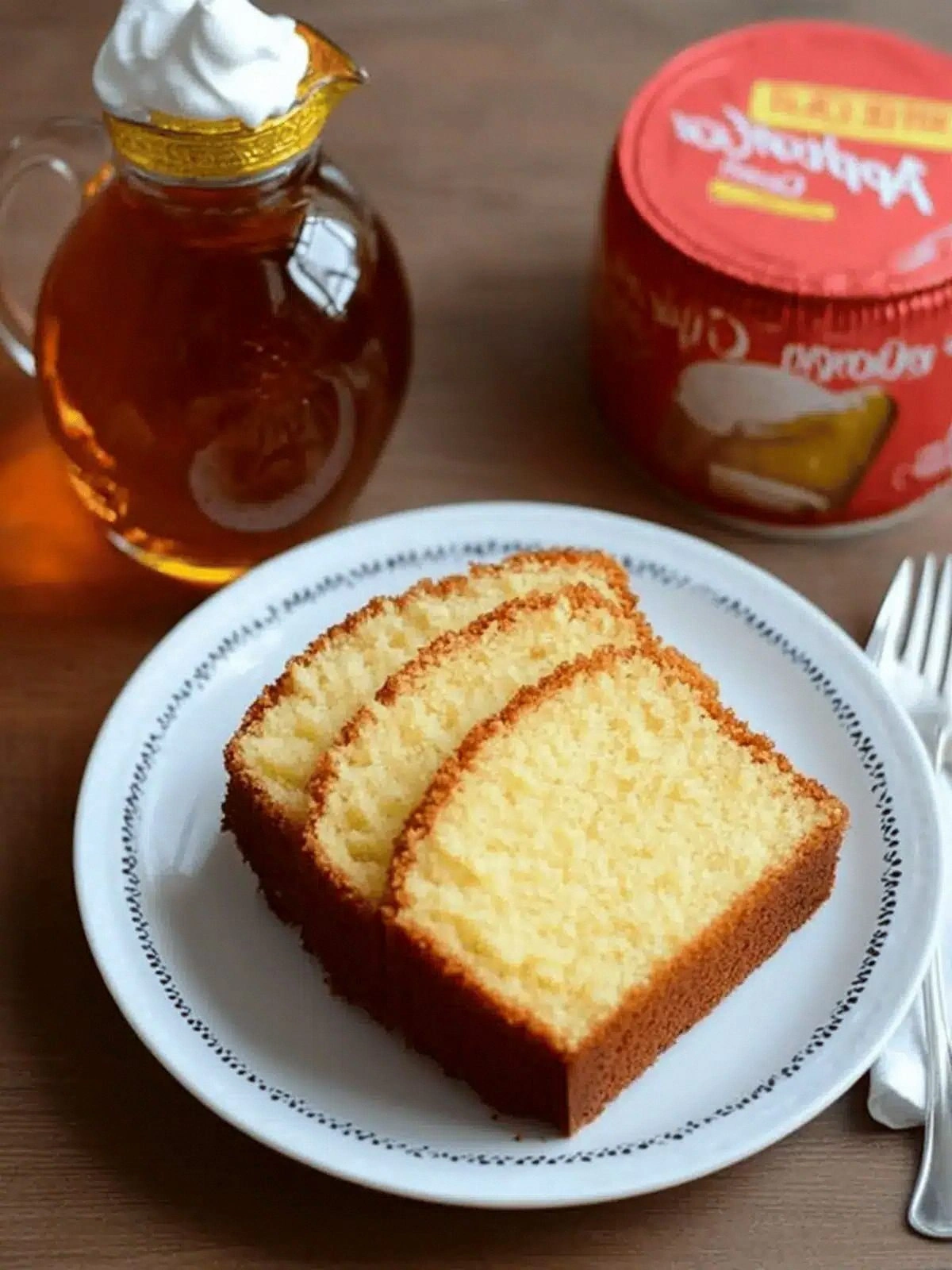
Most recipes get this completely wrong. They either over‑bake the cake, leaving it dry, or they skip the olive oil, missing that silky, Mediterranean nuance that elevates the crumb. This version stands out because it balances the bright citrus with the mellow oil, creating a harmony that feels both familiar and refreshingly novel. The Aperol isn't just a garnish; it permeates the batter, adding a subtle herbal bitterness that contrasts beautifully with the sugar. I’ll be honest — I ate half the batch before anyone else got to try it, and it still felt like there was more to discover with each slice. The result is a cake that looks like a work of art, tastes like a vacation, and has that satisfying weight of a classic pound cake. Picture the finish: a golden crust that cracks slightly when you break it, revealing a moist center that practically begs for a dollop of whipped cream.
What makes this recipe a game‑changer is the way each ingredient plays a part in a larger symphony. The olive oil gives the cake a subtle, buttery mouthfeel that no butter can replicate; it also keeps the crumb tender for weeks. The orange zest brings a bright, almost citrusy perfume that wakes up your senses. Aperol adds a splash of color and a hint of bitterness that balances the sugar. Fresh berries act as a burst of natural sweetness and a pop of color that turns the cake into a visual feast. And whipped cream, when folded in just before serving, adds a cloud of airy richness that completes the experience. I dare you to taste this and not go back for seconds.
What Makes This Version Stand Out
- Flavor: The citrusy brightness of orange zest cuts through the richness of olive oil, creating a layered flavor that lingers. The subtle bitterness of Aperol balances the sweetness, making each bite feel complete.
- Texture: The olive oil keeps the crumb moist and tender, preventing the dreaded dry pound cake. The batter’s airy consistency ensures a light bite that melts in your mouth.
- Simplicity: Despite the exotic ingredients, the recipe requires only a few steps and basic kitchen tools. No special equipment is needed, making it accessible to any home baker.
- Uniqueness: The combination of Aperol and olive oil is a rare pairing that gives this cake a sophisticated edge. It’s a conversation starter at any gathering.
- Crowd Reaction: Friends who taste it often ask for the secret, and their smiles say it all. Even the skeptics of bold flavors become fans.
- Ingredient Quality: Using high‑quality extra‑virgin olive oil and fresh orange zest ensures the best flavor profile. It’s worth investing in the right ingredients for the ultimate experience.
- Make‑ahead Potential: This cake can be made a day ahead, and the flavors deepen overnight. It keeps well in the fridge and can be reheated to revive its moistness.
Inside the Ingredient List
The Flavor Base
All-purpose flour is the backbone of any pound cake. It provides structure and gives the cake that dense, buttery feel we all crave. If you’re looking for a slightly lighter crumb, try substituting half of the flour with cake flour, but keep the ratio of other dry ingredients the same. Skipping flour altogether would turn this into a completely different dessert, so don’t be tempted by that temptation. The flour also absorbs the olive oil and sugar, creating a uniform batter that bakes evenly. A good rule of thumb is to sift the flour to avoid clumps that could lead to uneven texture.
Baking powder is the leavening agent that keeps this cake from being too heavy. It reacts with the acidic orange zest and the Aperol, producing tiny bubbles that lift the batter. Without it, the cake would collapse and feel stone‑like. If you’re allergic to dairy or prefer a vegan version, you can use a plant‑based baking powder that contains no animal derivatives. The powder should be fresh; stale baking powder loses its potency, leading to a flat cake. Keep it sealed in an airtight container to preserve its effectiveness.
Salt is the unsung hero that balances sweetness and enhances flavors. A pinch of salt brings out the citrus notes and tempers the richness of olive oil. Too much salt can make the cake taste metallic, so measure carefully. If you’re on a low‑sodium diet, a tiny reduction won’t hurt the flavor profile. Some bakers add salt directly to the dry mix, while others sprinkle it on the batter; both methods work fine. The key is consistency—always add the same amount each time.
Sugar is the sweetener that provides the classic pound cake taste. It also contributes to the Maillard reaction, giving the crust a golden hue. I recommend using a blend of white and brown sugar for a deeper flavor, but a single type works just fine. If you prefer a lower‑sugar option, try a sugar substitute that measures cup‑for‑cup. Keep in mind that sugar also affects moisture retention; too little and the cake may dry out. Mixing the sugar with the butter or olive oil helps create a smooth, glossy batter.
The Texture Crew
Eggs are the binder that holds everything together. They also add richness, color, and a slight fluffiness to the crumb. For best results, use eggs at room temperature; they incorporate more easily and prevent the batter from curdling. If you’re worried about raw eggs, you can pasteurize them at 140°F for 3 minutes before use. The yolk provides fat, while the whites add structure. Overmixing after adding eggs can cause the cake to become dense, so fold gently.
Olive oil is the secret to this cake’s moistness. It replaces butter, giving a subtle, fruity undertone that pairs perfectly with orange zest. Extra‑virgin olive oil works best, but if you prefer a milder taste, a light olive oil is fine. The oil keeps the crumb tender for weeks, and it’s healthier than butter. A small trick: let the oil cool slightly before mixing; this prevents the eggs from cooking prematurely. The oil also helps the cake rise evenly, avoiding a sunken center. A good quality oil will also add a silky mouthfeel that no butter can match.
The Unexpected Star
Aperol is the star that sets this cake apart from ordinary pound cakes. Its bright orange hue and bittersweet flavor add a sophisticated edge. Aperol is an aperitif made from bitter orange, gentian, and rhubarb, giving it a unique herbal profile. Adding Aperol to the batter infuses the cake with subtle citrus bitterness that balances the sugar. If you’re not a fan of alcohol, you can reduce the amount by half or replace it with an orange liqueur that’s alcohol‑free. The Aperol also adds a splash of color that makes the cake visually striking.
The Final Flourish
Orange zest is the bright, fragrant component that gives the cake its citrus punch. It’s not just about flavor; the zest adds a subtle aroma that lingers in the air. Use a microplane to zest the oranges, avoiding the bitter white pith. Fresh zest is far superior to dried; it releases essential oils that give the cake a lively, fresh taste. The zest also contributes to the cake’s color, giving it a warm, inviting hue. When you cut into the cake, the zest’s bright flecks pop against the soft crumb.
Fresh berries add natural sweetness and a pop of color. They also provide a burst of juiciness that contrasts the cake’s dry crumb. Use berries that are in season—strawberries in summer, blueberries in late summer, or blackberries in early fall. Gently fold the berries into the batter to avoid bruising them. The berries also add antioxidants, making the cake a slightly healthier dessert. When plated, the berries create a beautiful contrast against the golden crust.
Whipped cream is the final touch that elevates the cake to gourmet status. It adds a creamy, airy texture that balances the dense crumb. Whip the cream with a pinch of sugar until soft peaks form. Fold it in gently to keep the airy structure. The cream’s richness contrasts the citrus bitterness, creating a harmonious flavor profile. Serve the cake with a dollop of whipped cream for an indulgent finish.
The Method — Step by Step
- Preheat your oven to 350°F (175°C) and grease a 9×5-inch loaf pan with olive oil. Line the bottom with parchment paper for a non‑stick finish. Place the pan on a baking sheet to catch any drips. The oven should be fully preheated before you slide the pan in to ensure even baking. Let the pan sit while you prepare the batter. This step guarantees a clean release when you finish baking.
- In a large bowl, whisk together the all‑purpose flour, baking powder, and salt. Sift the mixture once more to eliminate any lumps. The dry mix should feel light and airy. Keep this bowl set aside while you work on the wet ingredients. Mixing the dry and wet components at the right time is key to avoiding over‑whisking. This step sets the foundation for a smooth batter.
- In a separate bowl, beat the eggs with a hand mixer until they’re pale and slightly frothy. Add the sugar and continue beating until the mixture is glossy. The sugar should dissolve completely, creating a smooth base. This stage is critical for incorporating air into the batter. A well‑whisked egg mixture will help the cake rise evenly. The frothiness also adds a delicate texture to the crumb.
- Fold the dry mixture into the wet batter using a silicone spatula. Mix gently, just until combined, to avoid developing gluten. The batter should be thick but pourable. Over‑mixing can result in a dense cake. This step is where the batter’s consistency takes shape. Keep your movements smooth and deliberate.
- Stir in the olive oil, orange zest, and Aperol until the liquid is fully incorporated. The batter will look glossy and slightly thicker. The citrus zest should be evenly distributed, giving the cake a bright aroma. The Aperol adds a subtle bitterness that balances the sweetness. This is the moment when the flavors begin to mingle. The batter should feel silky and smooth.
- Gently fold in the fresh berries, being careful not to crush them. The berries should remain mostly whole to provide bursts of sweetness. This step adds natural color and a juicy contrast to the cake. Keep the batter light to avoid bruising the berries. The berries will settle at the bottom, creating a beautiful marbled effect. This step is essential for visual appeal.
- Pour the batter into the prepared loaf pan and tap the pan gently on the counter to release any air pockets. The batter should level off to the top of the pan. This ensures even baking and a uniform rise. The tap also helps the batter settle evenly. This step is often overlooked but critical for a flawless cake. The batter should look smooth and even.
- Place the pan in the oven and bake for 45 minutes, or until a toothpick inserted into the center comes out clean. The cake will develop a golden crust and a fragrant aroma. Keep an eye on the edges; they should not brown too quickly. If they start to brown, tent the cake with foil. The interior should remain moist and tender. This is the moment when the cake transforms into a golden masterpiece.
- When the cake is done, remove it from the oven and let it cool in the pan for 15 minutes. This allows the structure to set and prevents cracking. After 15 minutes, turn the cake onto a wire rack to cool completely. Cooling the cake gradually keeps it moist and tender. If you rush it, the cake may become dry or crumbly. Let it rest; it will develop more flavor as it cools. This step is essential for a perfect crumb.
- Once cooled, cut the cake into slices and top each with a generous swirl of whipped cream. The cream adds a light, airy texture that contrasts the dense crumb. Fold the whipped cream into the batter if you prefer an integrated flavor. The whipped cream also provides a cooling effect that balances the citrus. Serve immediately for the best experience. The final touch is a beautiful presentation.
That's it — you did it. But hold on, I've got a few more tricks that'll take this to another level. These insider tips will help you avoid common pitfalls and elevate your cake to professional standards.
Insider Tricks for Flawless Results
The Temperature Rule Nobody Follows
Many bakers think room temperature ingredients are always best, but for this recipe, slightly warmer eggs help the batter incorporate the olive oil more smoothly. Warm eggs reduce the risk of curdling and create a smoother texture. I’ve found that letting the eggs sit out for 10 minutes before mixing yields the best results. This small adjustment can make the difference between a dense cake and a silky one.
Why Your Nose Knows Best
Before you start baking, close your eyes and inhale the batter’s aroma. The scent of orange zest and Aperol should signal that the batter is ready. If the smell feels off or too sweet, you might have overmixed. Trust your senses; a good baker can gauge readiness by smell alone. I once tried this trick and avoided a disastrous cake.
The 5-Minute Rest That Changes Everything
After mixing the batter, let it rest for 5 minutes. This pause allows the flour to hydrate fully, improving the crumb’s structure. It also helps the olive oil and sugar dissolve completely. Skipping this step can leave the cake slightly gummy or uneven. The rest is worth the wait, especially when you’re aiming for perfection.
Pre‑bake the Pan for a Crisper Edge
Before pouring the batter, bake the pan for 5 minutes at 350°F. This pre‑baking creates a slightly hardened surface that helps the cake rise evenly and develop a crisp edge. The trick is to remove the pan before the batter is poured; otherwise, the cake will be trapped in a too‑tight space. This method is especially useful if you’re using a non‑stick pan that tends to cling.
Use a Light Hand When Folding in Berries
Fresh berries are delicate; fold them in gently to preserve their shape. Over‑folding can crush the berries, turning them into a puree that clumps in the batter. The result is a less vibrant cake. Use a spatula to lift the berries and gently swirl them into the batter. This keeps the berries intact and adds bursts of flavor.
Creative Twists and Variations
This recipe is a playground. Here are some of my favorite ways to switch things up:
Chocolate‑Aperol Swirl
Fold in a handful of dark chocolate chips before baking. The chocolate adds a bittersweet depth that complements Aperol’s bitterness. Serve with a drizzle of melted chocolate for an extra indulgence.
Herbal Citrus Infusion
Replace half the orange zest with lemon zest and add a sprig of fresh rosemary to the batter. The rosemary gives a savory note that pairs wonderfully with the citrus. This version is perfect for brunch.
Berry‑Lemon Lemonade Cake
Swap the orange zest for lemon zest and add a splash of lemonade to the batter. The lemon adds a bright tartness, while the lemonade gives the cake a subtle sweet‑sour flavor. Top with fresh blueberries for a vibrant look.
Nutty Crunch
Add a cup of chopped walnuts or pistachios to the batter. The nuts provide texture and a nutty aroma that balances the citrus. Toast the nuts first for a deeper flavor.
Gluten‑Free Adaptation
Use a gluten‑free all‑purpose blend in place of regular flour. Keep the ratio the same, but add a tablespoon of xanthan gum to improve structure. This version remains moist and flavorful.
Vegan Version
Replace eggs with a flaxseed mixture (1 tablespoon flaxseed meal + 3 tablespoons water). Use a plant‑based milk and vegan butter or coconut oil. The cake will still be moist and flavorful, with a slightly different texture.
Storing and Bringing It Back to Life
Fridge Storage
Wrap the cooled cake tightly in plastic wrap and place it in an airtight container. Store it in the refrigerator for up to 3 days. The olive oil keeps the crumb tender, preventing it from drying out. When ready to serve, let it sit at room temperature for 20 minutes before slicing.
Freezer Friendly
Slice the cake into individual portions, wrap each slice in parchment paper, and then in foil. Freeze for up to 2 months. Thaw overnight in the fridge, then allow to come to room temperature before serving. This method preserves the cake’s moisture and flavor.
Best Reheating Method
To revive a frozen or chilled slice, wrap it in foil and heat in a preheated 350°F oven for 8–10 minutes. The heat restores the cake’s softness without drying it out. For a quick option, microwave on medium for 20 seconds. Finish with a dollop of whipped cream for a fresh finish.