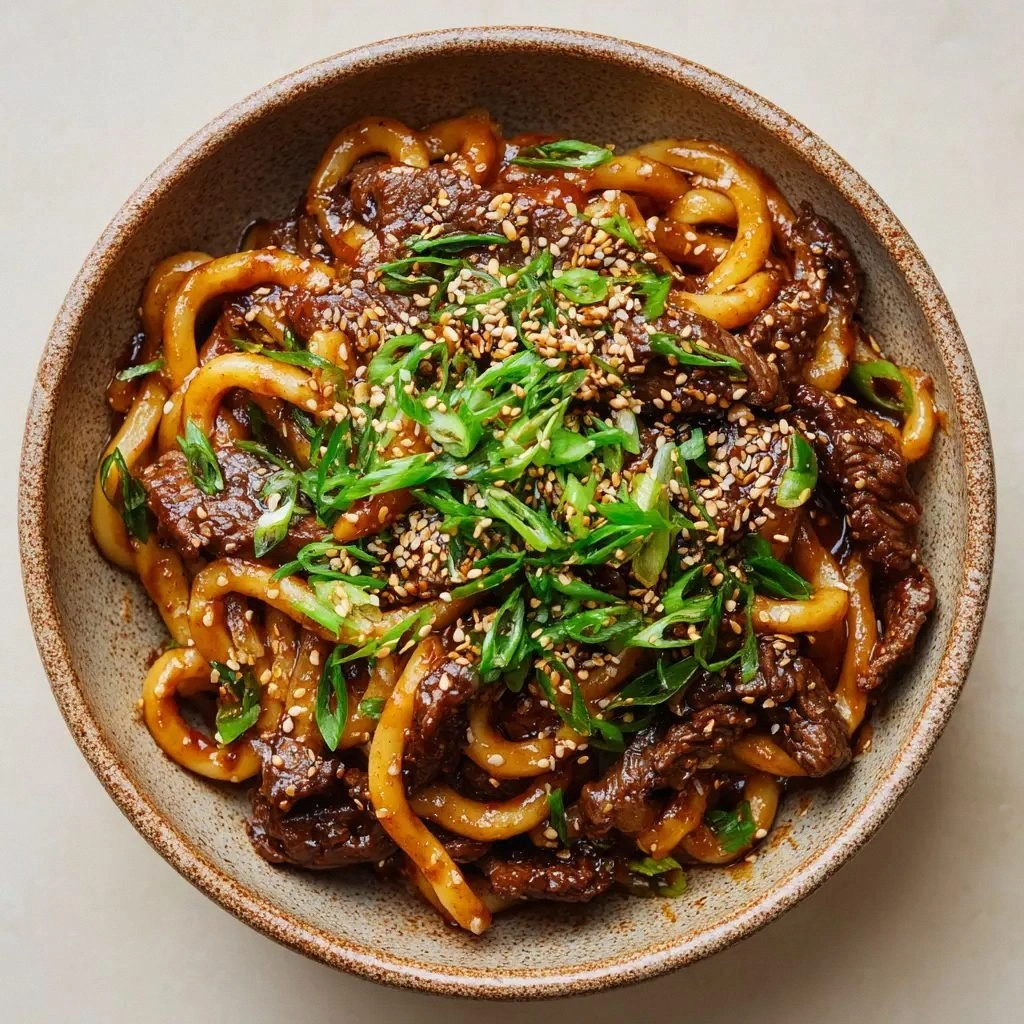
It started with a kitchen nightmare that I will never forget: I tried to make a quick takeout‑style noodle bowl for a friend and ended up with a soggy, flavorless mess that tasted like cardboard. The moment the skillet hit the stove, I realized the problem wasn't the ingredients, it was the technique. I was going to turn that disaster into the ultimate sticky beef noodle experience, and I’m not just talking about a recipe—I’m sharing a game‑changing method that will have your taste buds doing a happy dance. I dare you to taste this and not go back for seconds; you’ll wonder how you ever made it any other way.
Picture the scene: a sizzling pan, the aroma of garlic and ginger cutting through the air, the sound of noodles hitting hot oil like a drumbeat, and the anticipation of that glossy, caramelized glaze coating every strand. The first bite delivers a burst of umami, a gentle sweetness that lingers, and a texture that’s both chewy and tender—like a hug in a bowl. It’s the kind of dish that turns an ordinary evening into a culinary celebration, and it’s the reason I’m writing this in a voice that’s half chef, half best‑friend, shouting from the kitchen: this is hands down the best version you'll ever make at home.
I’ll walk you through every single step, from the first chop of beef to the final sprinkle of sesame seeds, so by the time you finish reading you’ll be ready to impress yourself and your guests. The secret? A sauce that coats the noodles like velvet, a searing technique that locks in juices, and a few small tweaks that elevate the dish from ordinary to unforgettable. No fluff, just real kitchen wisdom and a dash of humor to keep the mood light.
Let me walk you through every single step — by the end, you’ll wonder how you ever made it any other way. I’m not just telling you what to do; I’m inviting you to cook alongside me, to feel the heat, to taste the sizzle, and to savor the moment when the final plate is served. Ready? Let’s get started.
What Makes This Version Stand Out
- Flavor: The sauce balances savory, sweet, and tangy notes in a way that coats each noodle without overpowering the beef. The combination of soy sauce, dark brown sugar, and rice vinegar creates a depth that feels like a well‑seasoned broth.
- Texture: The thick udon noodles provide a chewy bite that contrasts with the tender sirloin. The cornstarch slurry gives the sauce a glossy, sticky consistency that clings to every strand.
- Speed: In just 20 minutes, you can have a restaurant‑quality bowl ready. The prep is minimal, the cooking is quick, and the cleanup is a breeze.
- Ingredient Quality: Using fresh ginger, garlic, and scallions elevates the dish. The toasted sesame oil adds a nutty aroma that isn’t present in many takeout versions.
- Crowd Reaction: Friends who have tried this say it’s “the best takeout I’ve ever had at home.” The dish is so flavorful that it’s perfect for dinner parties or a comforting weeknight.
- Make‑Ahead Potential: The sauce can be pre‑made and stored, and the noodles can be cooked and cooled ahead of time. This makes it a great option for meal prep.
- Versatility: Swap sirloin for flank steak or even thinly sliced pork, and the dish still shines. It’s a canvas for experimentation.
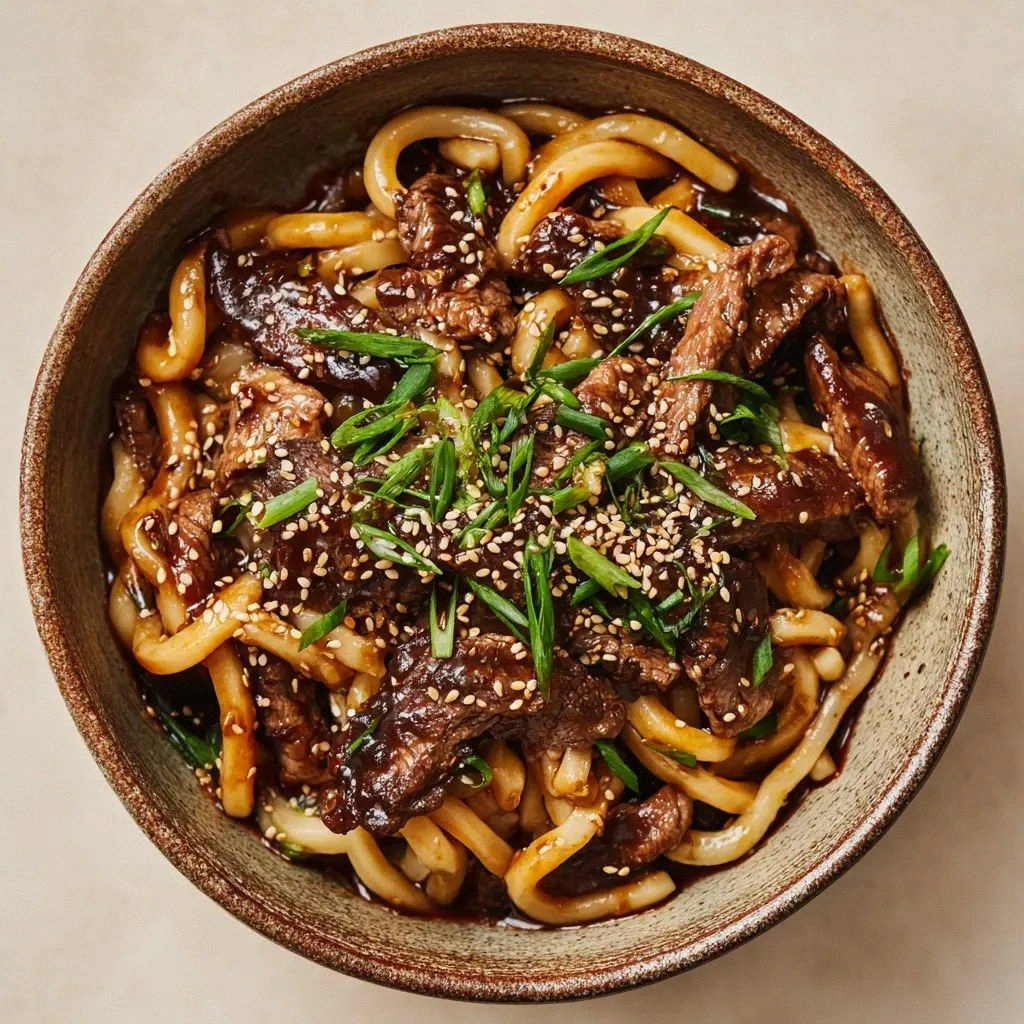
- Visual Appeal: The glossy sauce, the pop of green from scallions, and the toasted sesame seeds create a dish that looks as good as it tastes.
Alright, let's break down exactly what goes into this masterpiece...
Inside the Ingredient List
The Flavor Base
Low‑sodium soy sauce, dark brown sugar, rice vinegar, toasted sesame oil, garlic, and ginger form the backbone of our sauce. Each element plays a distinct role: soy sauce provides umami depth; sugar offers caramelization; vinegar cuts through richness; sesame oil adds a nutty finish; garlic and ginger bring warmth and aromatic complexity. If you skip any of these, the sauce loses a layer of flavor—think of it as a symphony missing a key instrument.
For those who love a little heat, add a pinch of crushed red pepper flakes to the sauce. If you’re watching sodium, reduce the soy sauce by a tablespoon and compensate with a splash of water to maintain consistency. The key is balance; every component must harmonize to create that signature sticky coat.
When buying soy sauce, look for low‑sodium versions to keep the dish from becoming too salty. A good tip is to taste the sauce before adding it to the pan; it should smell nutty and slightly sweet, not overly pungent.
Fun Fact about soy sauce: it’s been fermented for centuries, and the longer it ages, the richer the flavor. Traditional Japanese shoyu can be up to 12 months old, giving it a deep, mellow taste that’s hard to replicate with instant varieties.
The Texture Crew
Thick udon noodles are the star of the show. Their chewy consistency provides a satisfying bite that pairs beautifully with the sticky sauce. If you can’t find udon, substitute with thick wheat noodles or even ramen for a slightly different texture.
To keep the noodles from sticking together, rinse them under cold water after boiling and toss with a splash of sesame oil. This small step ensures each noodle remains distinct and prevents a clumpy mess.
When selecting noodles, choose a brand that lists wheat flour and water as the primary ingredients. Avoid those with added preservatives or artificial colors, as they can affect the sauce’s appearance.
The Unexpected Star
Toasted sesame seeds are the final flourish that adds crunch and a subtle nutty flavor. They’re not just garnish; they provide a textural contrast that elevates the dish. If you’re allergic to sesame, sprinkle crushed almonds or toasted cashews for a similar effect.
For extra crunch, lightly toast the seeds in a dry skillet until golden before adding them to the bowl. This step releases their oils and enhances their aroma.
The Final Flourish
Green scallions add a bright, fresh note that cuts through the richness of the sauce. They also bring a pop of color, making the dish visually appealing. Slice them thinly to ensure each bite has a burst of oniony flavor.
When buying scallions, look for firm, crisp stalks with no brown tips. Store them in the refrigerator wrapped in a damp paper towel to keep them fresh longer.
Everything's prepped? Good. Let's get into the real action...
The Method — Step by Step
- Heat a large skillet or wok over high heat until it’s smoking hot. Add the avocado or grapeseed oil, swirling to coat the bottom. This high heat is essential for a quick sear that locks in the beef’s juices. The moment the oil shimmers, you’ll hear a satisfying hiss that signals the pan is ready.
- Add the sliced beef in a single layer, ensuring it doesn’t crowd the pan. Let it sear without moving for 30 seconds; this creates a caramelized crust that adds depth. Flip the strips once they’re browned on one side; they should take about 15–20 seconds per side. The beef should be just cooked through, not dry.
- Remove the beef from the skillet and set aside on a plate. The residual heat will keep it warm while you prepare the sauce, preventing it from overcooking.
- In the same skillet, add minced garlic and grated ginger. Stir quickly to avoid burning; you’re looking for a fragrant aroma, not a char. This step releases the essential oils that form the base of the sauce. Keep it moving to prevent sticking.
- Pour in the soy sauce, dark brown sugar, rice vinegar, and toasted sesame oil. Stir until the sugar dissolves completely, creating a glossy mixture. The sauce should coat the back of a spoon and have a slight sheen; this indicates the right consistency.
- Whisk the cornstarch with cold water to make a slurry. Add this to the skillet, stirring constantly. The sauce will thicken almost instantly, forming a sticky glaze that clings to the noodles. This is the moment of truth; if the sauce doesn’t thicken, it’s too thin.
- Return the beef to the skillet, tossing to coat it evenly with the sauce. Let everything simmer for 2–3 minutes so the flavors meld and the beef reabsorbs moisture. The edges of the beef should look slightly glossy.
- Add the cooked udon noodles to the pan, tossing them gently to ensure they’re fully coated. The noodles should be warm, not steaming, to avoid sogginess. Let them sit in the sauce for 30 seconds, then remove from heat.
- Transfer the noodles and beef to serving bowls. Sprinkle sliced green scallions and toasted sesame seeds over the top. The final dish should look vibrant, with a glossy sauce that glistens under the kitchen light.
- Serve immediately while the noodles are hot and the sauce is still sticky. The dish is best enjoyed right away for maximum flavor and texture.
That's it — you did it. But hold on, I've got a few more tricks that'll take this to another level...
Insider Tricks for Flawless Results
The Temperature Rule Nobody Follows
Many cooks try to cook the beef on medium heat, but the secret is high heat. A scorching pan creates a Maillard reaction that gives the beef a caramelized crust. If the pan isn’t hot enough, the beef releases water and becomes soggy. Keep the flame high and let the meat sear for 30 seconds on each side.
Why Your Nose Knows Best
The aroma of garlic and ginger is the first indicator that the sauce is on track. If it smells burnt, the pan is too hot. If it smells flat, you need more seasoning. Trust your nose; it’s the most reliable quality control tool in the kitchen.
The 5‑Minute Rest That Changes Everything
After removing the beef from the pan, let it rest for 5 minutes before slicing. This allows juices to redistribute, keeping the meat moist. Cutting too early can cause the juices to escape, resulting in dry beef.
Keep the Noodles Dry
Rinse boiled noodles under cold water and toss with a teaspoon of oil. This prevents them from sticking together and keeps the sauce from clinging too much, ensuring each bite is a balanced mix of noodles and beef.
Serve with Fresh Greens
Adding a handful of fresh bok choy or spinach at the last minute adds color, crunch, and a subtle peppery flavor that complements the sauce. Stir them in just before serving so they keep their vibrant green.
Creative Twists and Variations
This recipe is a playground. Here are some of my favorite ways to switch things up:
Spicy Sriracha Kick
Add a tablespoon of sriracha to the sauce for heat. The spicy sweetness will contrast nicely with the savory beef, making it a hit for heat lovers.
Veggie‑Rich Version
Include sliced bell peppers, broccoli florets, or snap peas. Stir‑fry them with the beef for a crunchy, colorful twist that adds nutrition.
Pork Substitute
Thinly sliced pork shoulder works beautifully. The fat content gives a richer flavor and a slightly different texture, while still soaking up the sauce.
Gluten‑Free Option
Swap udon for rice noodles or shirataki noodles. The sauce will cling just as well, and the dish remains comforting and satisfying.
Asian Fusion Bowl
Serve the noodles over a bed of jasmine rice and top with a fried egg. The runny yolk adds richness, while the rice absorbs the sticky sauce.
Storing and Bringing It Back to Life
Fridge Storage
Store leftovers in an airtight container in the refrigerator for up to 3 days. The sauce may thicken, so stir before reheating to restore its glossy texture.
Freezer Friendly
Freeze in single‑serving portions for up to 2 months. Thaw in the refrigerator overnight and reheat gently to preserve the noodles’ chewiness.
Best Reheating Method
Reheat on the stovetop with a splash of water or broth to loosen the sauce. Bring to a gentle simmer, stirring constantly, until heated through. A tiny splash of water will steam the noodles back to their original texture.