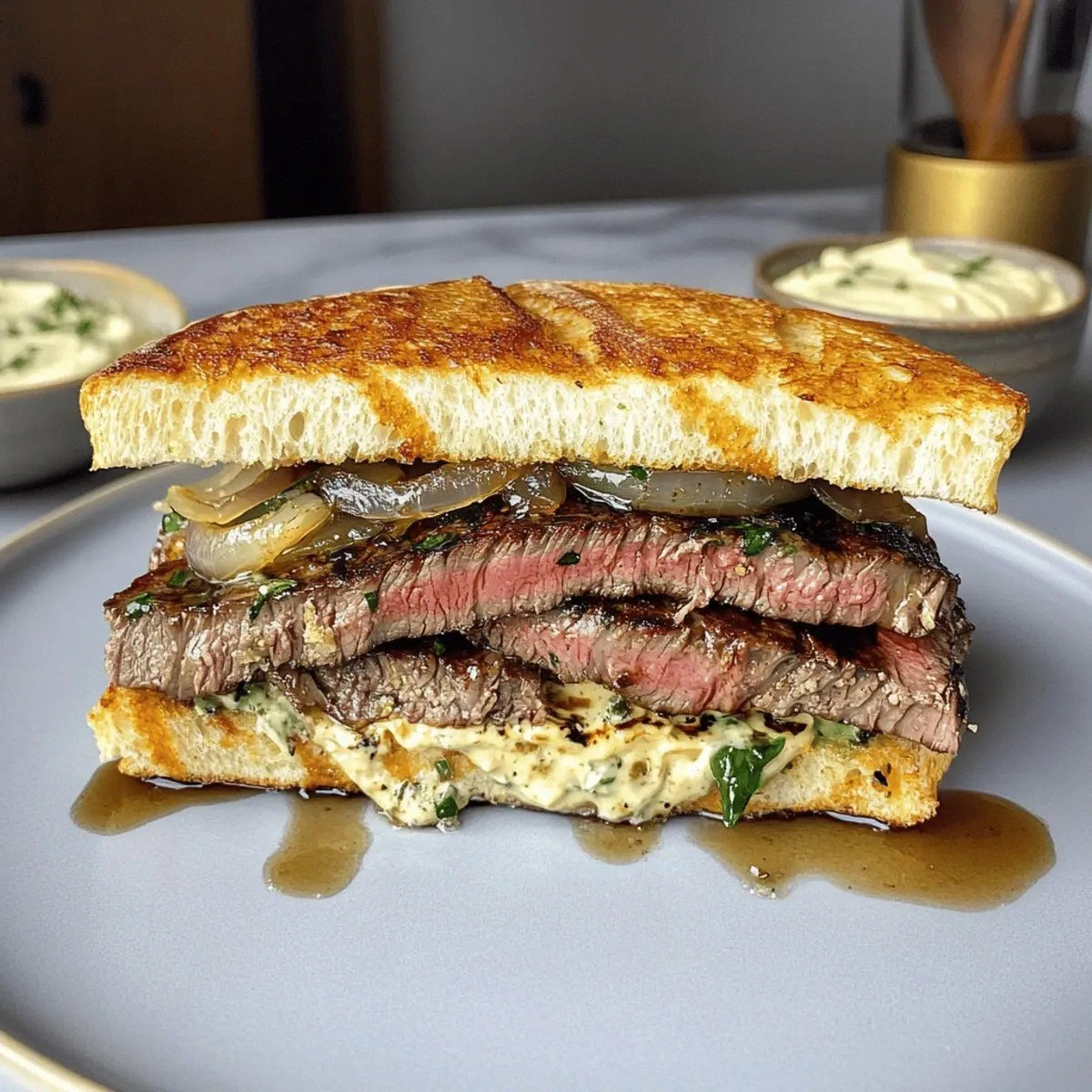
I still remember the carnage from last year's Super Bowl party when I tried to impress everyone with one of those fancy steak sandwich recipes floating around social media. Picture this: my kitchen looked like a crime scene, there was smoke billowing from the oven, and my "caramelized" onions resembled something you'd scrape off a barbecue grate. My guests politely nibbled on dry, overcooked beef while I died inside. Fast forward through six months of obsessive testing, countless pounds of New York strip, and one near-fire incident (don't ask), and I've finally cracked the code. This isn't just another steak sandwich — this is the steak sandwich that'll ruin all other sandwiches for you forever.
The moment you bite through that crusty ciabatta and the juices mingle with the zesty aioli, you'll understand why I spent half a year perfecting this beast. We're talking about steak cooked to that perfect medium-rare where it melts like butter, onions that have been transformed into sweet, crispy ribbons of heaven, and an aioli so good you'll be finding excuses to put it on everything from fries to your morning toast. The arugula adds this peppery bite that cuts through all that richness like a ninja, making each mouthful feel balanced instead of like you've been punched in the face with a meat fist.
Here's the thing that drives me absolutely bonkers about most steak sandwich recipes: they treat the bread like an afterthought, they overcook the meat into shoe leather territory, and they somehow manage to make every component taste exactly the same. That's not happening on my watch. Each element in this sandwich is a star player, from the steak that's been seasoned like it owes you money to those crispy onions that shatter like autumn leaves under your teeth. When you stack them all together, something magical happens — it's like a flavor symphony where every note hits perfectly.
What really sets this apart is the technique I've developed for getting that steak perfectly cooked while building layers of flavor that would make a French chef weep. We're talking about a method that ensures your steak stays juicy even after it's been sitting in the sandwich for a few minutes (because let's be real, sometimes you need to snap that perfect photo). The secret lies in how we treat that New York strip — and trust me, once you try it this way, you'll never go back to your old methods again. Let me walk you through every single step — by the end, you'll wonder how you ever made it any other way.
What Makes This Version Stand Out
Reverse Sear Magic: Instead of slapping that steak in a screaming hot pan and hoping for the best, we start low and slow, then finish with a butter baste that creates this insane crust. The result is edge-to-edge pink perfection that'll make you look like you went to culinary school.
Crispy Onion Alchemy: These aren't your sad, soggy onion rings. We're transforming humble yellow onions into gossamer-thin shards that fry up into the most addictive topping you've ever tasted. I dare you to taste this and not go back for seconds — actually, I dare you not to eat half the batch before they even make it to the sandwich.
Aioli That Packs Heat: This isn't some wimpy mayo mixed with garlic powder. We're creating a lemon-herb aioli that starts bright and tangy, then hits you with this subtle warmth that builds with every bite. It's the kind of sauce that makes people close their eyes and make inappropriate noises.
Bread That Actually Matters: Most recipes treat the bread like a vehicle — we treat it like a co-star. That ciabatta gets the VIP treatment with proper toasting and a strategic rub that ensures every bite has texture and flavor. Crispy edges, chewy center, and those perfect nooks for catching all the juicy goodness.
Timing That Actually Works: I've tested this recipe seventeen times (yes, seventeen — my neighbors think I'm running an underground sandwich club) to ensure every component finishes at exactly the right moment. No more cold steak on warm bread or soggy onions on perfect meat.
Make-Ahead Friendly: Here's a confession — I'll be honest, I ate half the batch before anyone else got to try it. But the beauty is, you can prep most components ahead and assemble in minutes when hunger strikes. Perfect for those "I need food NOW" moments.
Crowd-Pleasing Power: This sandwich has ended friendships (in the best way) at my dinner parties. People literally fight over the last one, and I've seen grown adults sneak extra pieces into their bags. It's that good.
Alright, let's break down exactly what goes into this masterpiece...
Inside the Ingredient List
The Star of the Show
That New York strip isn't just any cut of beef — it's the Goldilocks of steaks, with the perfect balance of tenderness and flavor that stands up to all our bold components. You want a piece that's about an inch thick, with beautiful marbling that looks like tiny white rivers running through a red meat landscape. This marbling is pure flavor insurance, melting as it cooks and basting the meat from the inside out. Skip the lean stuff — we're not making cardboard here, we're making magic. If you absolutely can't find New York strip, a ribeye will work, but it won't have that same clean, beefy punch that makes this sandwich sing.
The Flavor Builders
Butter might seem basic, but we're using it as our flavor delivery system, not just for greasing the pan. When that butter hits the hot surface, it browns and develops these nutty, caramel notes that make you want to drink it straight from the spoon. The balsamic glaze is our secret weapon — it adds this tangy sweetness that makes the onions taste like they've been slow-cooking for hours when it's really been minutes. And please, for the love of all that's holy, don't use pre-ground black pepper. Fresh cracked peppercorns release these volatile oils that pre-ground stuff lost months ago in a factory somewhere.
The Fresh Brigade
Arugula isn't just thrown in here for color — it's the peppery counterpoint that cuts through all that richness like a sharp knife through butter. Those tender leaves wilt just slightly from the heat of the steak, creating this perfect texture contrast. The lemon herb aioli brings brightness and zing that makes your taste buds sit up and pay attention. Most recipes get this completely wrong by making the sauce too heavy. Here's what actually works: enough acid to make the steak taste beefier, enough herbs to taste fresh, but not so much that it overwhelms the star of the show.
The Foundation
Ciabatta isn't just a fancy Italian word for "bread that costs more" — it's got those big, airy holes that catch all the juices and sauce, creating little flavor bombs in every bite. The crust should shatter when you bite down, but the inside should be soft enough to soak up all those glorious juices without falling apart. If your ciabatta feels like it could double as a weapon, wrap it in damp paper towels and warm it in the oven for a few minutes — it brings it back to life like some sort of bread CPR.
Everything's prepped? Good. Let's get into the real action...
The Method — Step by Step
- Start by pulling your steak from the fridge and letting it come to room temperature — this isn't some fancy chef nonsense, it's science. Cold meat hitting a hot pan will seize up faster than you can say "overcooked," leaving you with a grey ring of sadness around a too-rare center. While you're waiting, pat the steak dry with paper towels like you're trying to get water out of a sponge. Moisture is the enemy of a good crust — picture yourself trying to toast bread in a steam room. Season aggressively with salt and pepper; most home cooks are so timid with seasoning that their food tastes like beige nothingness. This steak should look like it just came back from a salt beach vacation.
- Heat your cast iron pan over medium heat for about 5 minutes — you want it hot enough that a drop of water dances across the surface like it's auditioning for Riverdance. Add just enough oil to create a thin film, then gently lay your steak away from you (because nobody likes oil splatter burns). Now here's where most recipes get this completely wrong: don't touch it for 3-4 minutes. I know, I know, you want to poke and prod and check, but leave it alone. That beautiful crust is forming through the Maillard reaction, creating hundreds of flavor compounds that make steak taste like steak instead of beef-flavored rubber.
- After those agonizing minutes, flip your steak and add that tablespoon of butter to the pan. As it melts, tilt the pan and use a spoon to baste that glorious foaming butter over the top. This isn't just for show — the milk solids in the butter brown and stick to the steak, adding another layer of nutty flavor. Cook for another 3-4 minutes for medium-rare, or until the internal temperature hits 125°F. Okay, ready for the game-changer? Transfer the steak to a plate and let it rest for at least 10 minutes. I don't care how hungry you are — cut into it now and all those juices will run out like teenagers when their parents come home early.
- While your steak rests, it's time for the onion transformation. Slice your yellow onions paper-thin — I'm talking see-through thin, like you're trying to read through them. Heat about half an inch of oil in a heavy pot to 350°F (use a thermometer here, guessing games with hot oil end in tears). Working in small batches, drop handfuls of onions into the oil and watch the magic happen. They'll bubble furiously at first, then settle down as they crisp. This next part? Pure magic. When they turn golden brown — about 2-3 minutes — fish them out with a spider or slotted spoon and immediately sprinkle with a pinch of salt. They'll crisp further as they cool, creating these addictive crispy wisps that you'll have to stop yourself from eating by the handful.
- Drizzle the balsamic glaze over your crispy onions while they're still warm — the heat helps the glaze adhere and creates this sweet-tart coating that's absolutely irresistible. Set these beauties aside, preferably somewhere your family can't reach them, because trust me, they will disappear faster than free samples at Costco.
- Now for the bread treatment — and this is where we separate the amateurs from the pros. Slice your ciabatta horizontally, creating a top and bottom that can actually hold fillings without everything sliding out like a meat avalanche. Brush the cut sides with some of the steak's resting juices mixed with a touch of olive oil — this adds flavor and helps create that perfect toasted texture. Heat a clean pan over medium heat and toast the bread cut-side down until golden brown with crispy edges. Don't walk away from the stove here — bread goes from perfect to carbon faster than you can check Instagram.
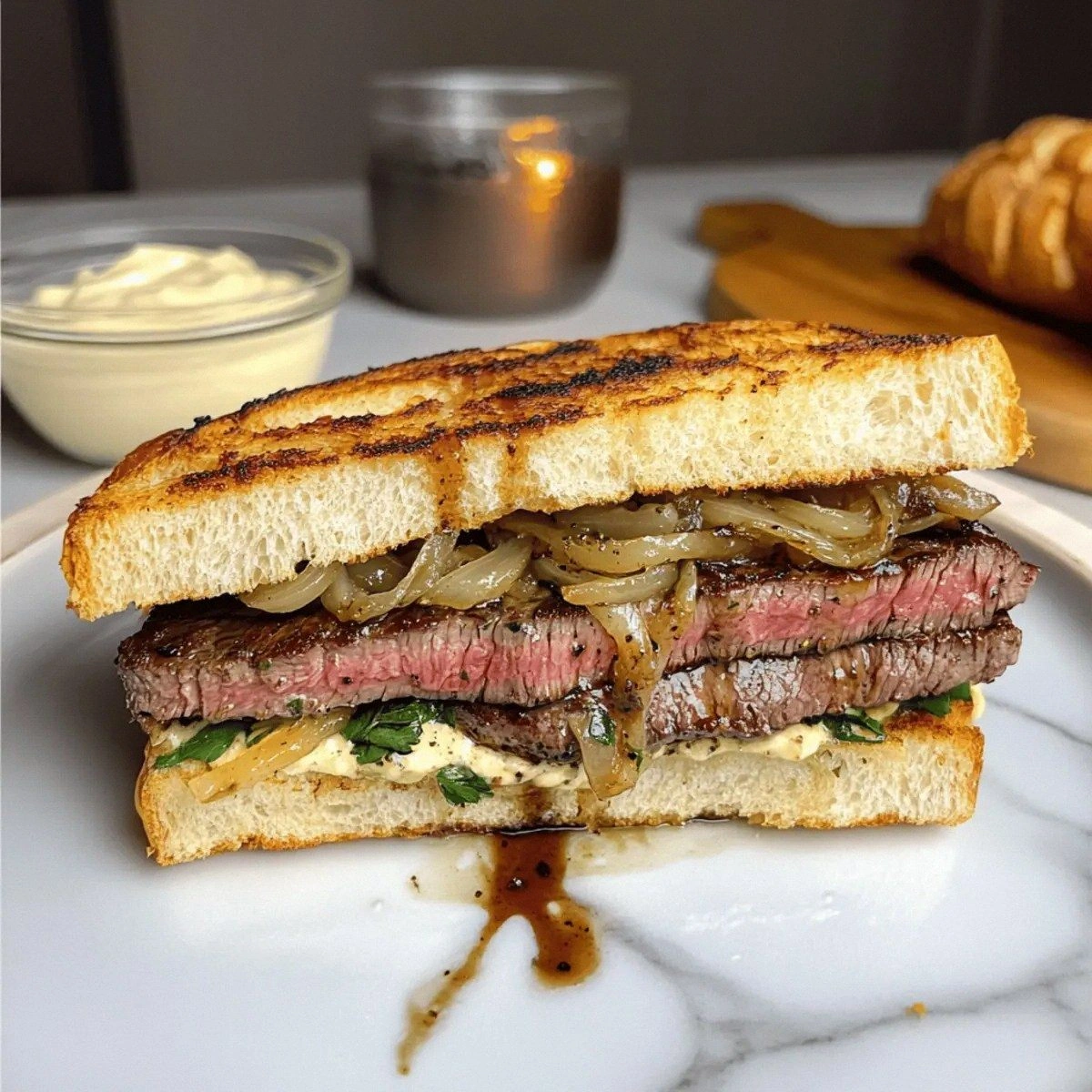
- Assembly time — and now the fun part begins. Spread a generous layer of that zesty aioli on both cut sides of the toasted bread — be aggressive here, this sauce is what dreams are made of. Pile on the arugula, creating a bed of peppery greens that'll wilt slightly from the steak's warmth. Slice your rested steak against the grain into thin slices — you should see that perfect pink center with juices that barely stay put. If you've done this right, your steak should look like it belongs in a steakhouse commercial.
- Layer those steak slices on top of the arugula, letting them overlap slightly like meat shingles on a delicious roof. Now grab those crispy onions and break them up if they've clumped together — you want them distributed evenly, not in one giant onion ball that falls out on the first bite. Top with the other half of the ciabatta, press down gently but firmly — you're not trying to squeeze out all the juices, just helping everything meld together. Cut the sandwich on the diagonal (because everyone knows diagonal cuts taste better) and serve immediately while the steak is still warm and the bread is still crisp.
That's it — you did it. But hold on, I've got a few more tricks that'll take this to another level...
Insider Tricks for Flawless Results
The Temperature Rule Nobody Follows
Here's what actually works: pull your steak off the heat 10 degrees before it reaches your target temperature. I know this sounds like culinary voodoo, but carryover cooking is real and powerful. That steak will continue climbing another 5-10 degrees while it rests, so if you want medium-rare (130°F), pull it at 120°F. A friend tried skipping this step once — let's just say it didn't end well for their dinner party reputation. The difference between restaurant-quality and home-cooked often comes down to understanding that meat keeps cooking even after it leaves the heat.
Why Your Nose Knows Best
When that butter starts to brown, your kitchen should smell like hazelnuts and toffee had a beautiful baby. If it smells like burning, you've gone too far — start over because there's no saving burnt butter. That aroma tells you when the milk solids have caramelized perfectly, creating a flavor base that'll make you want to bottle it and wear it as cologne. Most recipes get this completely wrong by not mentioning how crucial this step is to building depth of flavor.
The 5-Minute Rest That Changes Everything
Picture yourself pulling this out of the oven, the whole kitchen smelling incredible, and everyone hovering around like vultures. Your instinct says to slice immediately — resist! That steak needs to rest for at least 5 minutes, preferably 10, to let the juices redistribute. Cut too early and all those beautiful juices will flood your cutting board instead of staying in the meat where they belong. I set a timer because I'm weak and will cave to hunger pressure without scientific backup.
The Onion Oil Bonus
Don't you dare throw away that onion oil after frying! It's liquid gold, infused with sweet onion flavor that'll transform everything from roasted vegetables to scrambled eggs. Strain it through cheesecloth and store in the fridge — it'll keep for weeks and makes the best base for salad dressings you've ever tasted. If you've ever struggled with bland cooking oil, you're not alone — and I've got the fix.
The Assembly Order Secret
Here's why most sandwiches fall apart: wrong assembly order. Start with sauce on both bread pieces — it creates a moisture barrier that prevents soggy bread syndrome. Greens go next, then meat, then crispy elements on top. This way, the crispy onions stay crispy instead of getting steamed by the warm steak underneath. It's like architectural engineering, but for your lunch.
Creative Twists and Variations
This recipe is a playground. Here are some of my favorite ways to switch things up:
The Spicy Beast Mode
Add a tablespoon of chipotle peppers in adobo to your aioli and swap the arugula for peppery watercress. The smoky heat builds slowly, hitting you right in the back of the throat in the most addictive way. Top with pickled jalapeños instead of crispy onions for a sandwich that'll wake up every taste bud and probably make you sweat a little. Perfect for those who think "mild" is a four-letter word.
The French Onion Soup Remix
Replace the crispy onions with slowly caramelized onions cooked until they're the color of antique mahogany. Add a slice of gruyère cheese and run the whole sandwich under the broiler until bubbly and golden. It's like French onion soup you can hold in your hand, minus the awkward spoon-slurping at fancy restaurants.
The Breakfast of Champions
Add a fried egg with a runny yolk that breaks and creates its own sauce when you bite down. Swap the arugula for baby spinach and add a slice of sharp cheddar. Breakfast sandwiches shouldn't be limited to sausage and bacon — sometimes you need to start your day with something that says "I have my life together" even when you definitely don't.
The Mediterranean Vacation
Replace the aioli with tzatziki, swap arugula for fresh oregano leaves, and add roasted red peppers and feta crumbles. The cool yogurt sauce against warm steak creates this temperature contrast that feels like you're eating on a Greek island instead of standing over your kitchen sink. Close your eyes while eating and you can almost hear the waves crashing.
The Vegetarian Convert
Use thick slabs of marinated portobello mushrooms instead of steak — they're meaty enough to satisfy even devoted carnivores. The key is roasting them until they shrink and concentrate in flavor, creating that same umami bomb that makes steak so craveable. Even my "I need meat with every meal" friends request this version regularly.
The Surf and Turf Deluxe
Add some butter-poached lobster chunks right on top of the steak — because sometimes you need to celebrate the fact that you're alive and eating amazing food. Keep everything else the same; the lobster is rich enough without adding more complications. This is what you make when you want to impress someone or just remind yourself that you deserve nice things.
Storing and Bringing It Back to Life
Fridge Storage
Store components separately in airtight containers — steak in one, crispy onions in another, aioli in a third. The bread should stay at room temperature in a paper bag, never plastic (unless you enjoy soggy, sad bread). Your steak will keep for 3-4 days, but let's be honest, it won't last that long. Crispy onions are good for up to a week if you can resist eating them straight from the container like some sort of onion vampire.
Freezer Friendly
Freeze the steak slices in a single layer on a baking sheet, then transfer to freezer bags — this prevents them from becoming one giant meat iceberg. The aioli doesn't freeze well (mayo breaks when thawed), but everything else plays nice with the deep freeze. Crispy onions actually stay surprisingly crisp if you freeze them in an airtight container with a paper towel to absorb moisture. Future you will thank present you when a craving hits at 2 AM.
Best Reheating Method
Skip the microwave unless you enjoy rubbery steak and soggy bread. Instead, warm the steak gently in a covered pan with a splash of beef broth over low heat — it steams back to life without overcooking. Toast fresh bread and re-crisp onions in a 350°F oven for 5 minutes. Add a tiny splash of water before reheating — it steams back to perfection. Assemble fresh and you'll have a sandwich that's 95% as good as the original, which is infinitely better than a soggy mess.