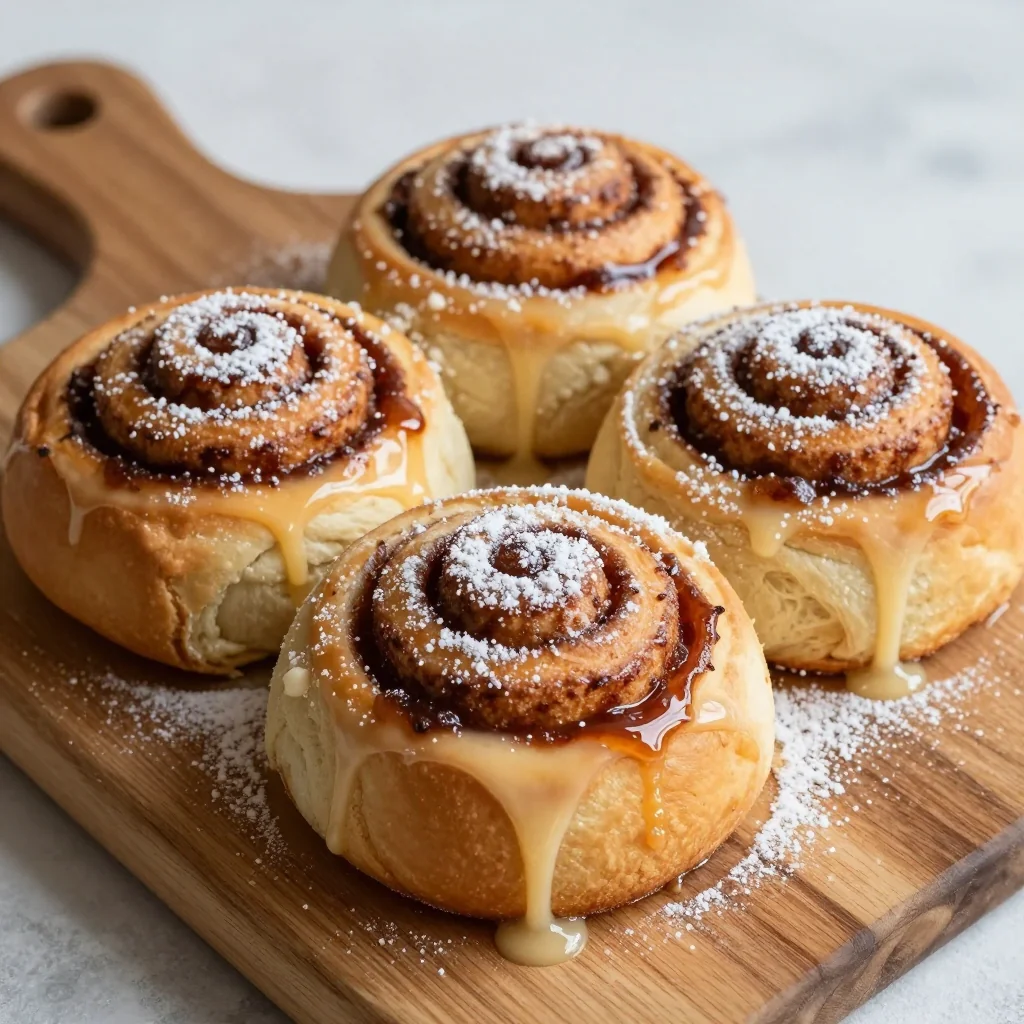
Introduction
Picture this: I’m standing in a cramped kitchen, the stove humming, a pot of milk steaming, and a friend shouting, “I dare you to taste this and not go back for seconds.” I had been chasing a childhood memory of a German bakery’s sweet dumpling, the ones that melt in your mouth and leave a lingering caramel scent on the air. The moment the dough hit the pan, the kitchen filled with a comforting aroma that made my heart skip a beat. I swear I could feel the dough’s soft, pillowy texture against my fingertips, and the sizzle that kissed the skillet sounded like a promise of something extraordinary. The heat, the steam, the gentle rise of the dough—every sense was in perfect harmony.
That night, after a disastrous attempt with a too-dry batch that clumped like gravel, I vowed to master the art of Dampfnudel. I spent hours tweaking ratios, experimenting with yeast activation, and learning the subtle dance between flour and liquid. The result? A version that is hands down the best you’ll ever make at home. It’s not just about the dough; it’s about the steam, the gentle rise, and the sweet finish that coats your tongue like velvet. If you’ve ever struggled to get that perfect rise, you’re not alone — and I’ve got the fix.
What sets this recipe apart is a secret ingredient that most cookbooks overlook: a splash of lemon zest that brightens the dough without overpowering the sweetness. And the technique? A low‑heat steam bake that keeps the dumplings moist while giving them a crisp, golden edge that shatters like thin ice. Picture yourself pulling this out of the oven, the whole kitchen smelling incredible, and everyone begging for a bite. That’s the power of a well‑crafted Dampfnudel. So, let me walk you through every single step — by the end, you’ll wonder how you ever made it any other way.
Ready to turn your kitchen into a German bakery? Let’s dive in. The adventure starts with a simple dough, but the journey will take you through techniques that will elevate your baking game to new heights. I promise you’ll end up with dumplings that are airy, sweet, and irresistibly comforting. And if you keep reading, you’ll discover a few tricks that will make your next batch even better.
What Makes This Version Stand Out
- Flavor: A subtle citrus lift from lemon zest that balances the sweetness and adds a fresh, bright finish.
- Texture: Steam baking creates a tender interior with a lightly crisp top, a contrast that’s both comforting and exciting.
- Ease: The recipe uses pantry staples and minimal equipment—no fancy gadgets needed.
- Versatility: Works as a dessert, a side dish, or a sweet breakfast treat.
- Crowd‑Pleaser: Guests rave about the fluffy, melt‑in‑your‑mouth quality and the aromatic steam.
- Quality: Fresh, high‑protein flour and real butter give a richer flavor than instant mixes.
- Method: Low‑temperature steam baking is the secret to keeping the dumplings moist without drying them out.
- Make‑Ahead: The dough can be prepared a day ahead and refrigerated, then baked when ready.
Alright, let's break down exactly what goes into this masterpiece…
Inside the Ingredient List
The Flour Foundation
All-purpose flour is the backbone of our Dampfnudel. It gives the dough the structure it needs to rise while staying light and tender. If you’re aiming for a slightly higher protein content, swap half the all-purpose flour for bread flour; it’ll give a chewier bite but keep the overall texture soft. Skipping the flour entirely would turn the recipe into a flat pancake, which is not what we’re after.
The Yeast Spark
Active dry yeast is the life force that turns simple dough into a fluffy cloud. The trick is to activate it in warm milk with a pinch of sugar. If you use instant yeast, you can skip the activation step, but the flavor depth will be slightly less pronounced. Remember, yeast is sensitive to temperature; too hot and it will die, too cold and it will take ages to rise.
The Sweet & Savory Balance
Sugar is the sweetener that also feeds the yeast. A teaspoon of sugar is enough to kickstart fermentation without making the dough overly sweet. Salt, on the other hand, balances flavors and strengthens gluten. Too little salt and the dough will taste flat; too much and it will be harsh.
The Liquid Lift
Warm milk is the secret to a tender crumb. It hydrates the flour and creates a slightly caramelized surface during baking. If you’re lactose intolerant, swap milk for a non‑dairy alternative, but keep the temperature consistent to avoid yeast shock.
The Fat Factor
Melted butter adds richness and a subtle buttery aroma. It also helps to tenderize the dough by coating gluten strands, preventing them from tightening too much. Skipping butter will result in a drier, less flavorful dumpling.
The Egg Enrichment
An egg adds protein, structure, and a glossy finish. It also helps bind the dough together. If you’re vegan, use a flax egg (1 tbsp ground flaxseed + 3 tbsp water) to achieve a similar binding effect.
The Flavor Enhancers
Lemon zest brightens the dough with a citrusy zing that cuts through the sweetness. Vanilla extract deepens the flavor profile, adding a warm, aromatic note. Raisins bring a burst of natural sweetness and a chewy texture that contrasts nicely with the soft dough.
Everything's prepped? Good. Let's get into the real action…
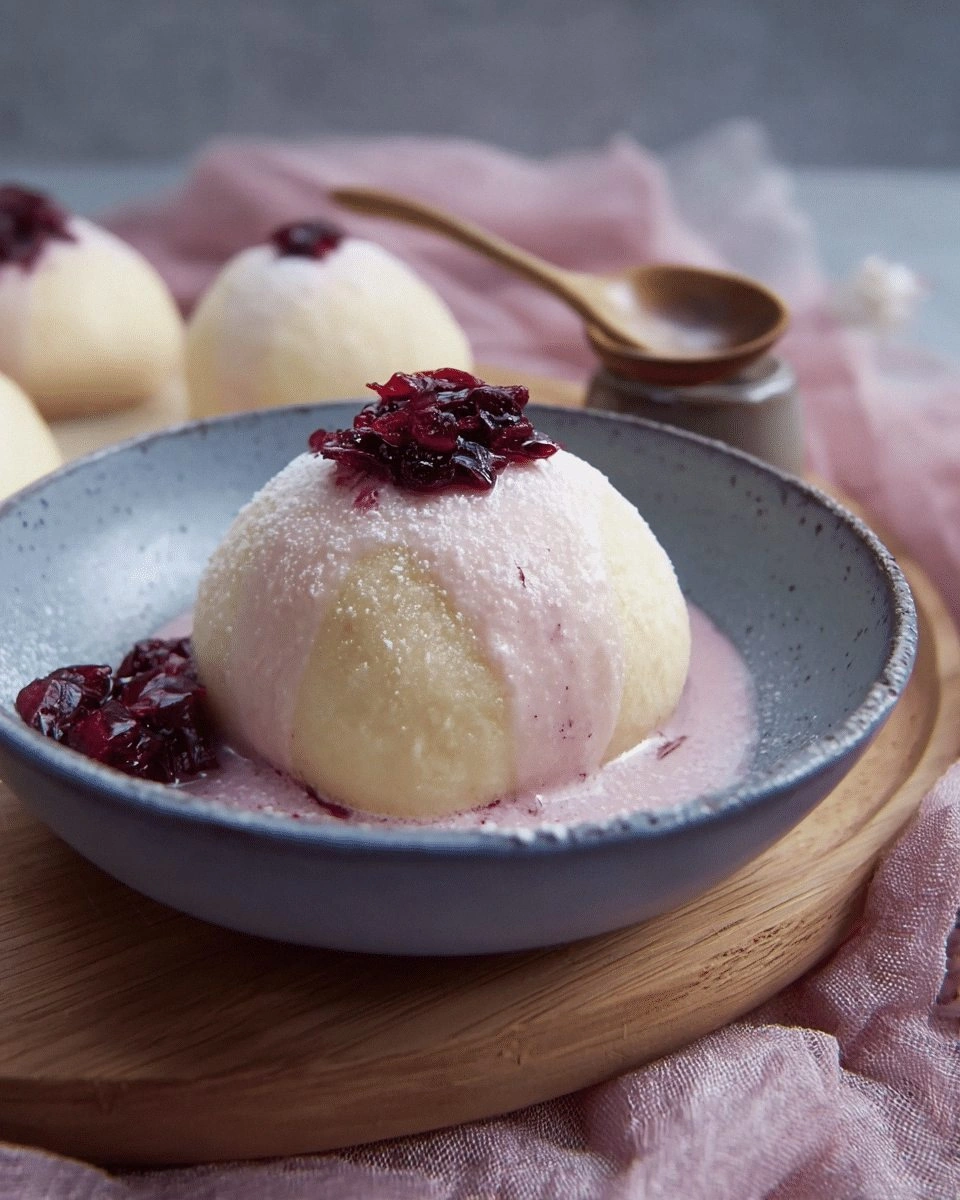
The Method — Step by Step
- Activate the yeast. In a small bowl, combine 1 cup warm milk, 1 packet active dry yeast, and a pinch of sugar. Let sit for 5 minutes until frothy. The froth is a green flag that the yeast is alive and ready to work its magic.
- Mix dry ingredients. In a large bowl, whisk together 2 cups flour, 1 tsp salt, and the remaining 1 tsp sugar. Create a well in the center to keep the mixture tidy.
- Combine wet and dry. Pour the frothy yeast mixture into the well, add 2 tbsp melted butter, 1 egg, 1 tsp vanilla, 1 tbsp lemon zest, and 1 tbsp raisins. Knead until smooth and elastic, about 8–10 minutes. The dough should feel supple, not sticky. If it’s too tacky, sprinkle a little more flour.
- Let it rise. Place the bowl in a warm spot and let the dough double in size, about 1 hour. The dough will feel airy and relaxed. If your kitchen is cool, wrap the bowl in a blanket to maintain warmth.
- Preheat and prepare. Preheat the oven to 375°F (190°C). Grease a baking dish with butter and pour a splash of water into the bottom; the water will create steam during baking.
- Shape the dumplings. Punch down the dough, divide it into 8 equal portions, and roll each into a ball. Place them in the greased dish, leaving a little space between each. The spacing is crucial for even steaming.
- Final rise. Cover the dish loosely with foil and let the dumplings rise again for 15 minutes. This second rise ensures they’re light and airy.
- Bake. Bake for 25–30 minutes, until the tops are golden brown and steam bubbles form. The scent of caramelizing butter will fill the kitchen.
- Rest. Remove from oven, let rest for 5 minutes. The dumplings will continue to steam, sealing in moisture.
- Serve. Serve warm with a drizzle of vanilla sauce, a dusting of powdered sugar, or a side of fresh fruit compote.
That’s it — you did it. But hold on, I've got a few more tricks that'll take this to another level…
Insider Tricks for Flawless Results
The Temperature Rule Nobody Follows
Many bakers set the oven to a high temperature, hoping for a quick bake. The truth is, Dampfnudeln thrive at a steady, moderate heat. 375°F (190°C) is the sweet spot that allows the interior to steam while the exterior caramelizes just enough for a golden finish. If you crank it up to 425°F, you’ll get a crisp top but risk drying out the center.
Why Your Nose Knows Best
During the final rise, trust the scent. A faint, yeasty aroma indicates the dough has fermented enough. If you still smell raw flour, give it a few more minutes. Over‑fermentation can cause a sour taste, so keep an eye on the smell as a natural timer.
The 5‑Minute Rest That Changes Everything
After baking, let the dumplings rest for exactly five minutes. This pause allows the steam to redistribute, resulting in a uniformly moist crumb. Skipping this step may leave the tops dry while the center remains undercooked.
Use a Dutch Oven for Extra Moisture
For a more authentic experience, bake the dumplings in a preheated Dutch oven. The lid traps steam, creating a steamy environment that keeps the dumplings soft and prevents them from drying out.
Check the Center with a Toothpick
Insert a toothpick into the center of a dumpling before removing it from the oven. If it comes out clean, the inside is perfectly baked. A slightly sticky toothpick means you need a couple more minutes.
Serve Immediately for Best Flavor
These dumplings are at their peak right after baking. The steam is still rising, and the butter is still melting into the dough. Waiting too long will let the steam escape, and the dumplings will become dense.
Creative Twists and Variations
This recipe is a playground. Here are some of my favorite ways to switch things up:
Apple Cinnamon Delight
Fold in 1/2 cup finely diced apples and 1 tsp cinnamon into the dough before baking. The apples caramelize, adding a fruity sweetness that pairs beautifully with the dough’s vanilla undertone.
Chocolate Chip Surprise
Stir in 1/3 cup dark chocolate chips into the dough for a decadent twist. The chocolate melts into pockets of gooey richness, making each bite a chocolatey revelation.
Almond Crumble Finish
Top the dumplings with a sprinkle of chopped toasted almonds before baking. The almonds add a nutty crunch that contrasts with the soft interior.
Caramelized Banana Version
Replace raisins with mashed banana slices and add a pinch of nutmeg. The banana’s natural sweetness and the nutmeg’s warmth create a tropical flavor profile.
Gluten‑Free Adaptation
Use a gluten‑free all‑purpose blend that contains xanthan gum. The dough will be slightly denser but still fluffy. Keep the same baking instructions.
Vegan Alternative
Swap milk for oat milk, use a flax egg, and replace butter with coconut oil. The result is a vegan-friendly version that still delivers on flavor and texture.
Storing and Bringing It Back to Life
Fridge Storage
Cool the baked dumplings completely, then wrap tightly in plastic wrap and store in the refrigerator for up to 3 days. Reheat in a 350°F oven for 10 minutes to restore warmth.
Freezer Friendly
Place individual dumplings on a parchment‑lined tray and freeze. Once frozen, transfer them to a freezer bag. They’ll keep for up to 2 months. Reheat by baking at 350°F for 15 minutes.
Best Reheating Method
Before reheating, add a splash of water to the baking dish to create steam. Cover with foil and bake until heated through. The water will keep the dumplings moist and prevent them from drying out.