I remember the night I almost set my kitchen on fire while chasing a craving that had been gnawing at me for weeks. A half‑finished batch of shrimp in coconut milk sat on the counter, the sauce thickening into a glossy, fragrant pool, and I was about to pour it into a pot that had been preheated too high. The heat screamed, the shrimp curled up like tiny, angry sea creatures, and I realized that my version of the dish was about to become a disaster. That moment was a turning point, a catalyst that pushed me to refine the recipe into something that would never again fail me.
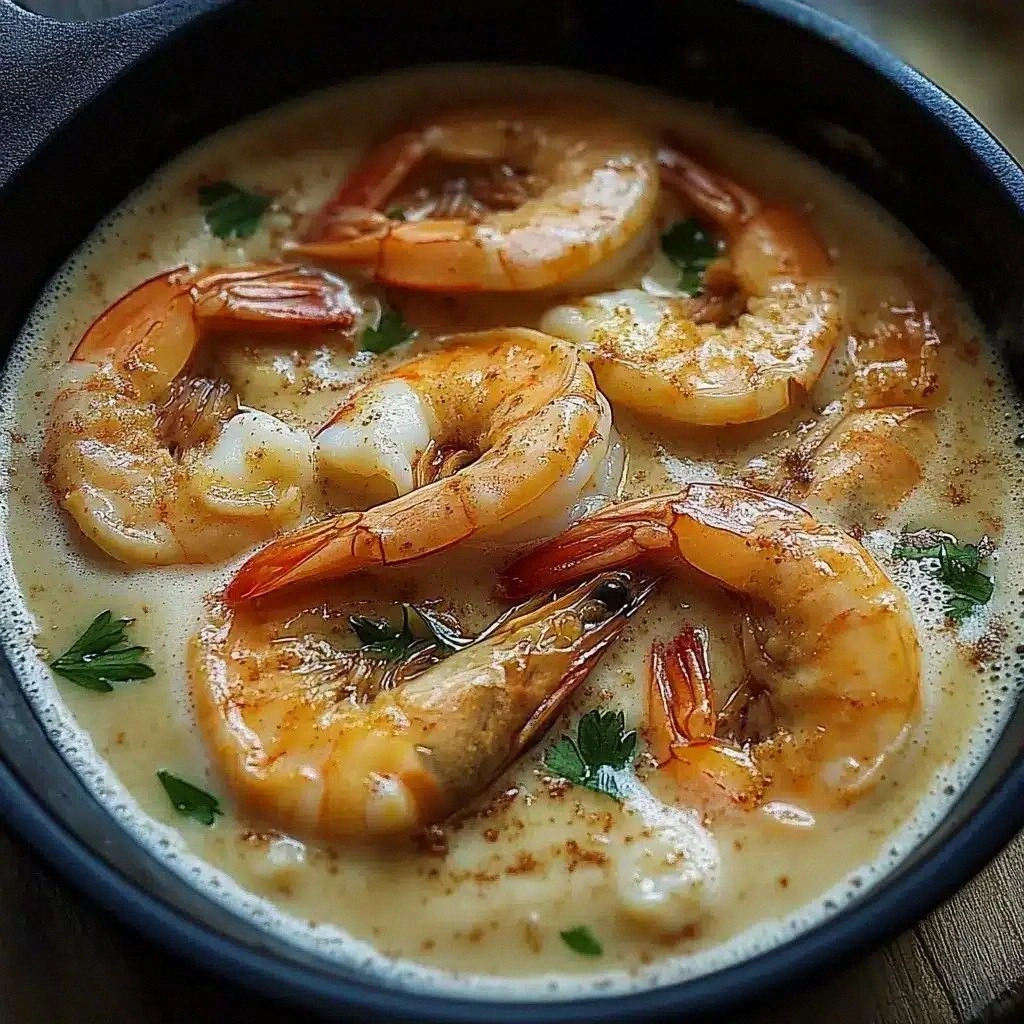
Picture this: a steaming pot of coconut milk, its sweet aroma mingling with the sharp, citrusy scent of lime, the earthy perfume of ginger, and the subtle, smoky whisper of lemongrass. The shrimp, when they first hit the hot oil, crackle like a tiny drumbeat, the sound signaling that flavor is about to burst. The kitchen fills with a golden glow, the light reflecting off the glossy sauce that coats each shrimp like velvet. The moment you taste it, the coconut milk’s richness is balanced by the bright acidity of lime, the heat from the chili dances on your tongue, and the cilantro adds a fresh, almost herbal zing. That’s the sensory masterpiece I’m about to share.
What makes this version stand out isn’t just the combination of ingredients; it’s the method that preserves their integrity. I’ve discovered that a quick sear on high heat locks in the shrimp’s juiciness, while a gentle simmer lets the coconut milk deepen its flavor without becoming too heavy. The subtle sweetness from brown sugar is carefully calibrated to counterbalance the saltiness of fish sauce. And the finish? A splash of lime juice right before serving that lifts the entire dish, turning a simple meal into a symphony of flavors. If you’re tired of bland, overcooked shrimp, this is the antidote you’ve been missing.
I dare you to taste this and not go back for seconds. I’ve spent months tweaking this recipe, and each iteration brought me closer to the perfect balance. Most recipes get this completely wrong—shrimp that’s either rubbery or overcooked, coconut milk that’s either too thin or too thick. Here’s what actually works: a precise temperature, a quick sear, a gentle simmer, and a final burst of acidity. Picture yourself pulling this out of the pan, the whole kitchen smelling incredible, the aroma of coconut, garlic, and lime filling the air. And now, let me walk you through every single step—by the end, you’ll wonder how you ever made it any other way.
What Makes This Version Stand Out
- Taste: The harmonious blend of sweet, salty, and acidic notes creates a flavor profile that is both comforting and exciting. The coconut milk’s creaminess is offset by the bright zing of lime, while fish sauce adds depth without overwhelming.
- Texture: Shrimp are seared to a perfect pink center, remaining tender inside with a slight snap. The sauce coats each piece like a silky glaze, providing a contrast between the shrimp’s firmness and the sauce’s smoothness.
- Simplicity: With under ten ingredients and a straightforward method, this dish can be prepared in under 45 minutes. No fancy equipment or obscure spices required.
- Uniqueness: The subtle use of lemongrass and a splash of brown sugar gives the dish a distinctive edge that sets it apart from standard coconut shrimp recipes.
- Crowd Reaction: At gatherings, guests often remark how the dish feels like a tropical vacation in a bowl. The combination of flavors keeps everyone coming back for seconds.
- Ingredient Quality: Fresh shrimp, high‑quality coconut milk, and fresh aromatics elevate the dish from ordinary to extraordinary.
- Cooking Method: Quick sear, gentle simmer, and finishing touch of lime create a rhythm that maximizes flavor while keeping the shrimp’s texture impeccable.
- Make‑Ahead Potential: The sauce can be made ahead of time and reheated without losing its integrity, making it perfect for meal prep.
Inside the Ingredient List
The Flavor Base
Garlic: The backbone of any savory dish, garlic releases a punchy, aromatic flavor when sautéed, creating a fragrant foundation. If you skip it, the sauce will feel flat and lack depth. For a milder version, try using 2 cloves instead of 4.
Ginger: Fresh ginger adds a zesty, peppery kick that cuts through the richness of coconut milk. It also helps to keep the shrimp from becoming overly fatty. If you’re not a fan of ginger, a pinch of ground ginger can substitute, though the freshness will be lost.
The Texture Crew
Shrimp: The star of the show, shrimp provide protein and a delicate texture that balances the sauce’s creaminess. Fresh shrimp are best, but frozen shrimp that have been thawed and patted dry work well too. Avoid overcooking; shrimp turn rubbery after 3 minutes.
Vegetable Oil: The oil’s high smoke point allows for a quick sear without burning. If you prefer a healthier option, coconut oil can add an extra coconut flavor, but watch the temperature closely.
The Unexpected Star
Fish Sauce: This umami powerhouse brings savory depth that balances the sweetness of coconut milk. Use a small amount—1 tablespoon—to avoid overpowering the dish. If you’re vegetarian, substitute with soy sauce and a splash of mushroom broth.
The Final Flourish
Lime Juice: The citrusy brightness from lime lifts the dish, cutting through the coconut’s richness. Adding it right before serving ensures the flavor remains bright. If you don’t have lime, a squeeze of lemon works, though the flavor profile shifts slightly.
Cilantro: Fresh cilantro adds a herbaceous note that complements the coconut milk and brightens the dish. If cilantro is not to your taste, parsley can be a suitable substitute, though it offers a milder flavor.
Everything's prepped? Good. Let's get into the real action...
The Method — Step by Step
- Heat the skillet. Place a large non‑stick skillet over medium‑high heat and add 2 tablespoons of vegetable oil. When the oil shimmers, the pan is ready. This step ensures a quick sear without burning.
- Season the shrimp. Pat the shrimp dry and season them with a pinch of salt and pepper. Toss them gently to coat. The salt will help draw out moisture and create a crisp exterior.
- Sear the shrimp. Add the shrimp to the hot skillet in a single layer. Let them cook undisturbed for 2 minutes on one side until a golden crust forms. Flip and sear the other side for 1‑2 minutes. The shrimp should be pink and firm, not rubbery.
- Remove shrimp temporarily. Use tongs to lift the shrimp and set them aside on a plate. This keeps them from overcooking while you build the sauce.
- Sauté aromatics. In the same skillet, reduce heat to medium and add minced garlic, ginger, and sliced shallot. Sauté for 1 minute until fragrant, stirring constantly to prevent burning. The aroma should be rich and inviting.
- Add coconut milk. Pour in 1 cup of coconut milk, stirring to combine with the aromatics. Bring to a gentle simmer—do not let it boil. A steady simmer allows flavors to meld without evaporating the coconut’s richness.
- Season the sauce. Stir in 1 tablespoon of fish sauce, 1 tablespoon of lime juice, 1 teaspoon of brown sugar, and the sliced green chili. Let the sauce simmer for 5 minutes, allowing the sugar to dissolve and the chili to infuse. This is the moment of truth; the sauce should thicken slightly.
- Return shrimp to the pan. Add the seared shrimp back into the simmering sauce. Toss gently to coat each shrimp. Cook for an additional 2 minutes, letting the shrimp absorb the sauce.
- Finish with cilantro. Sprinkle 1 tablespoon of chopped cilantro over the dish. Stir quickly to distribute the herb without wilting it. The cilantro adds a fresh, bright note that lifts the entire flavor profile.
- Serve immediately. Plate the shrimp over a bed of cooked jasmine rice. The sauce should coat the rice, creating a creamy, fragrant base. Garnish with an extra squeeze of lime if desired.
That's it — you did it. But hold on, I've got a few more tricks that'll take this to another level...
Insider Tricks for Flawless Results
The Temperature Rule Nobody Follows
Control the heat. Many cooks start the sauce at high heat, causing the coconut milk to scorch. I always lower the heat to medium after adding the milk, maintaining a gentle simmer. This preserves the milk’s delicate flavor and keeps the shrimp tender. If you’re using a cast‑iron skillet, remember it retains heat longer, so reduce the flame accordingly.
Why Your Nose Knows Best
Smell the sauce. The aroma of simmering coconut milk and garlic is a reliable indicator of readiness. When the sauce smells toasted and slightly nutty, it’s ready to finish. If it smells raw, give it a minute more to develop depth.
The 5‑Minute Rest That Changes Everything
Let the shrimp rest. After removing the shrimp from the pan, let them sit for 2 minutes before returning them to the sauce. This short rest allows the juices to redistribute, resulting in a more succulent texture. It also prevents the shrimp from continuing to cook in the residual heat, which can lead to overcooking.
The Sweet‑Salty Balance
Adjust sugar and fish sauce. The key to a harmonious flavor is balancing sweetness with umami. If you prefer a sweeter dish, add an extra ½ teaspoon of brown sugar. For a saltier profile, increase the fish sauce to 1.5 tablespoons. Taste the sauce before adding the shrimp to ensure the balance is right.
The Freshness Factor
Use fresh aromatics. Fresh garlic, ginger, and cilantro deliver a vibrant flavor that canned or frozen versions lack. Even a small amount of fresh herbs can elevate the dish, making it feel like a gourmet creation.
Creative Twists and Variations
This recipe is a playground. Here are some of my favorite ways to switch things up:
Spicy Thai Twist
Replace the green chili with a handful of crushed red pepper flakes for an intense heat. Add a tablespoon of Thai basil at the end for a sweet, aromatic finish. This version leans heavily into Thai flavor profiles.
Mango Coconut Fusion
Fold in diced ripe mango during the last minute of simmering. The sweetness of mango pairs beautifully with coconut milk, creating a tropical dessert‑like dish that still serves as a main course.
Vegetarian Coconut Delight
Swap shrimp for firm tofu cubes, lightly pan‑fried until golden. Use vegetable broth instead of fish sauce for an entirely vegetarian option. The tofu absorbs the sauce, offering a satisfying bite.
Smoky Chipotle Variation
Add a tablespoon of chipotle in adobo sauce to introduce a smoky depth. Reduce the lime juice slightly to balance the smokiness. This variation brings a southwestern flair to the dish.
Herb‑Infused Coconut Curry
Stir in a handful of fresh mint and a teaspoon of curry powder before adding the shrimp. The mint adds brightness, while the curry powder introduces earthy warmth.
Breakfast Coconut Shrimp
Serve the shrimp over fluffy scrambled eggs instead of rice. The creamy eggs pair with the coconut sauce, creating a luxurious breakfast that feels indulgent.
Storing and Bringing It Back to Life
Fridge Storage
Store leftovers in an airtight container for up to 3 days in the refrigerator. Reheat gently on the stove or in the microwave, stirring occasionally. The sauce may thicken, so add a splash of water or coconut milk to restore its original consistency.
Freezer Friendly
For longer storage, freeze the dish in a freezer‑safe container for up to 2 months. Thaw overnight in the refrigerator before reheating. When reheating, bring to a gentle simmer, stirring to combine the flavors.
Best Reheating Method
The ideal method is to reheat on low heat, adding a teaspoon of water or coconut milk to loosen the sauce. Stir constantly to prevent scorching. The dish should be heated through but not boiled, preserving the shrimp’s tenderness.