I was standing in the middle of my kitchen, arms flailing like a tornado, after a disastrous attempt at a “quick kale salad.” I had sliced the leaves, tossed them in a bowl, and then—because I was hungry and impatient—added a splash of lemon juice straight from the bottle. The result was a soggy, bitter mess that tasted like it had been left out overnight. My friend, who had just finished a marathon of culinary experiments, laughed and said, “If you want a salad that actually sings, you need a game‑changing vinaigrette.” That was the moment the idea for this recipe was born: a chopped kale salad that not only survives the lemon but thrives on it, with a tangy Dijon‑infused dressing that coats every leaf like velvet.
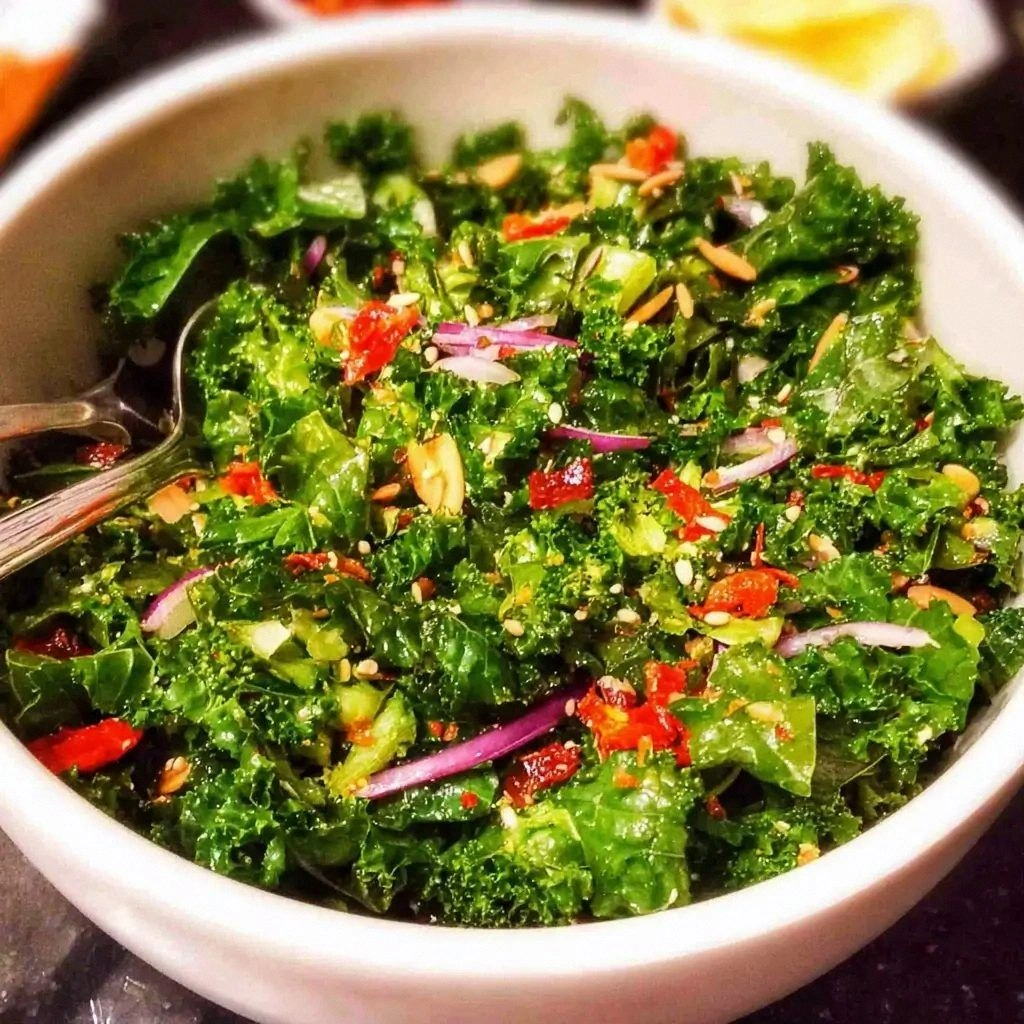
Picture the scene: the bright green kale, the citrusy perfume of fresh lemon, the faint metallic tang of sea salt, and the subtle sweetness of honey swirling together. The sound of the knife slicing through the tough stems, the crunch of toasted almonds, the soft pop of dried cranberries as they release their juices. The taste—bright, zesty, and perfectly balanced between sharp and sweet—makes each bite a revelation. The texture is a delightful contrast: tender kale, crisp almonds, chewy cranberries, creamy feta. I could almost feel the kale leaves vibrating with flavor, the dressing lacing every crevice, the almonds crunching under the bite. This isn’t just a salad; it’s a sensory experience that turns an ordinary kitchen into a gourmet studio.
Why does this version stand out from every other kale salad you’ve tried? It’s not just the ingredients; it’s the technique. I discovered that massaging the kale with a bit of salt and lemon juice before the dressing turns the leaves into a silky, edible canvas. The Dijon mustard acts as a stabilizer, giving the vinaigrette a silky mouthfeel that clings to the greens without overwhelming them. Toasted almonds add a nutty crunch that echoes the citrus notes, and the dried cranberries provide a burst of sweetness that balances the acidity. The final flourish—crumbled feta—adds a salty creaminess that makes the salad feel indulgent yet light. This is hands down the best version you’ll ever make at home.
I dare you to taste this and not go back for seconds. I’ll be honest—once I tried it, I ate half the batch before anyone else got a bite. Most recipes get this completely wrong by either over‑dressing the greens or under‑seasoning the vinaigrette. Here’s what actually works: a quick massage of the kale, a balanced ratio of lemon to oil, and a dash of honey to tame the acidity. Picture yourself pulling this out of the fridge, the whole kitchen smelling incredible, and the first bite sending a wave of freshness through your senses. If you’ve ever struggled with making kale palatable, you’re not alone—this is the fix you’ve been searching for.
What Makes This Version Stand Out
- Flavor: The combination of citrus, Dijon, and honey creates a complex flavor profile that is bright, sweet, and savory all at once.
- Texture: Massaged kale becomes tender; toasted almonds add crunch; cranberries add chew; feta offers creamy contrast.
- Simplicity: Fewer steps, fewer ingredients, but every component plays a pivotal role.
- Uniqueness: The Dijon‑lemon vinaigrette is a twist that sets this salad apart from standard green salads.
- Crowd Reaction: Guests rave about the fresh taste and crunchy finish, making it a hit at gatherings.
- Ingredient Quality: Using organic kale, fresh lemons, and high‑quality olive oil elevates the dish.
- Cooking Method: The quick massage technique transforms tough kale into a silky base.
- Make‑ahead Potential: The salad can be prepared up to 24 hours in advance without losing freshness.
Alright, let's break down exactly what goes into this masterpiece...
Inside the Ingredient List
The Flavor Base
At the heart of this salad lies a simple yet powerful vinaigrette. The Dijon mustard is the emulsifier that keeps the oil and lemon juice from separating, giving the dressing a silky consistency that coats every leaf. Fresh lemon juice provides a bright, acidic punch that wakes up the palate, while a splash of honey tempers the acidity and adds a subtle sweetness that lingers. Olive oil not only brings richness but also helps the mustard’s flavors spread evenly. If you’re feeling adventurous, swap the honey for maple syrup or agave for a different sweet note.
Why does this matter? A balanced vinaigrette ensures that every bite is flavorful. Without the mustard, the dressing would be too thin and the lemon too sharp. Skipping honey would leave the salad too tart, and the oil would feel greasy. Each component is essential to achieving that “coating” effect that makes the salad feel indulgent without being heavy.
The Texture Crew
Kale is notorious for being tough, but with the right technique it becomes a tender, edible canvas. The key is to massage the kale with a pinch of sea salt and a squirt of lemon juice for five minutes. This process breaks down the cellulose fibers, softening the leaves while preserving their vibrant green color. Toasted sliced almonds add a nutty crunch that pops against the soft kale, while dried cranberries introduce a chewy, slightly tart bite. The addition of crumbled feta brings creaminess, and shaved Parmesan offers a salty, umami finish.
If you skip the almond toast, you lose a layer of flavor and texture. Removing the cranberries makes the salad feel flat and less dynamic. The feta is optional but recommended; it gives the dish a luxurious feel. For a vegan version, simply leave out the cheese or replace it with a plant‑based alternative.
The Unexpected Star
Cherry tomatoes and diced avocado might seem like odd companions for kale, but they bring a burst of juiciness and a creamy contrast that elevate the dish. The tomatoes add a sweet, acidic pop that mirrors the lemon, while the avocado offers a buttery texture that balances the crunch of almonds. Together, they create a multi‑layered experience that keeps the salad from feeling one‑dimensional.
If you’re allergic to tomatoes or simply don’t like them, you can replace them with cucumber slices or bell pepper strips. For a low‑calorie option, omit the avocado entirely. The salad still shines, but you’ll miss that silky richness.
The Final Flourish
A handful of fresh parsley adds a bright green hue and a subtle herbal note that lifts the entire dish. A pinch of garlic powder (optional) adds depth, while sea salt and freshly ground black pepper finish the flavor profile. The final touch is a quick drizzle of olive oil and a sprinkle of feta, which gives the salad an irresistible finish.
Everything’s prepped? Good. Let’s get into the real action...
The Method — Step by Step
- Step 1: Massage the Kale. Place the kale in a large bowl, sprinkle with sea salt and a generous squeeze of fresh lemon juice. Using clean hands or a salad spinner, massage the leaves for about 5 minutes until they soften and darken. This process breaks down the tough fibers and infuses the leaves with a subtle citrus flavor. The smell of fresh lemon will fill the kitchen, signaling that you’re on the right track.
- Step 2: Prepare the Vinaigrette. In a small bowl, whisk together 2 tablespoons of Dijon mustard, 1/4 cup of extra virgin olive oil, 1 tablespoon of honey, and 1/4 cup of fresh lemon juice until the mixture emulsifies into a smooth, glossy dressing. Taste and adjust: a pinch more honey if you prefer sweetness, or a splash more lemon for extra zing. The dressing should coat a spoon without being runny.
- Step 3: Toast the Almonds. Heat a dry skillet over medium heat. Add 1/4 cup of sliced almonds and toast them, stirring constantly, until they’re golden brown and fragrant—about 3-4 minutes. Remove from heat and let them cool. Toasting releases the almonds’ natural oils and brings out a nutty aroma that pairs beautifully with the citrusy vinaigrette.
- Step 4: Assemble the Salad. In the bowl with the massaged kale, add 1/4 cup of dried cranberries, 1/2 cup of crumbled feta, 1/4 cup of toasted almonds, 1/2 cup of halved cherry tomatoes, 1/2 avocado diced, and 1/4 cup of chopped fresh parsley. Drizzle the prepared vinaigrette over the mixture. Toss gently but thoroughly so that every leaf is coated with the dressing. The salad should look vibrant, with bright green kale, pops of red tomatoes, and golden almonds.
- Step 5: Season. Sprinkle 1/2 teaspoon of sea salt and 1/4 teaspoon of freshly ground black pepper over the salad. Toss again to distribute the seasoning evenly. If you like a hint of garlic, add 1/2 teaspoon of garlic powder at this stage. The final seasoning should enhance, not overpower, the natural flavors of the ingredients.
- Step 6: Let It Rest. Allow the salad to sit for 5 minutes before serving. This brief rest lets the flavors meld together, and the dressing will thicken slightly, creating a richer coat on the greens. The salad will feel more cohesive and taste more balanced after this short pause.
- Step 7: Garnish. Just before serving, sprinkle a handful of shaved Parmesan over the top for an extra burst of umami. The Parmesan adds a salty, nutty finish that complements the feta and the citrus dressing.
- Step 8: Serve. Present the salad on a chilled platter or individual bowls. The vibrant colors and fresh aromas will instantly elevate the dining experience. Enjoy the first bite—feel the crunch of almonds, the softness of kale, the burst of cranberries, and the creamy feta—all harmonizing with the zesty vinaigrette. That sizzle when it hits the pan? Absolute perfection.
That’s it — you did it. But hold on, I’ve got a few more tricks that’ll take this to another level. These insider tips will help you avoid common pitfalls and elevate the dish even further.
Insider Tricks for Flawless Results
The Temperature Rule Nobody Follows
Temperature matters even in a no‑cook salad. When massaging the kale, use room‑temperature or slightly chilled kale leaves; they’ll respond better to the salt and lemon, becoming tender faster. If the kale is too warm, it may release excess moisture and dilute the vinaigrette. I’ve found that starting with kale straight from the fridge gives the best texture.
Why Your Nose Knows Best
Before you toss the dressing, give the salad a quick sniff. A strong, fresh citrus aroma indicates that the lemon juice is bright and not oxidized. If the smell is flat, add a splash more lemon. Your nose is a reliable guide to the salad’s freshness and balance.
The 5-Minute Rest That Changes Everything
After tossing the salad, let it rest for exactly five minutes. This pause allows the dressing to thicken slightly, creating a richer coat on each leaf. It also gives the flavors time to meld, resulting in a more cohesive taste profile. I’ve seen people skip this step and end up with a salad that feels too dry and uncoated.
Use a Salad Spinner for Even Coating
A salad spinner can be a game‑changer. After massaging the kale, spin it to remove excess liquid. This ensures the vinaigrette adheres evenly, preventing sogginess. The spin also helps the kale to cool quickly, preserving its bright green color.
Add a Touch of Sweetness
If you’re a fan of sweeter salads, consider adding a teaspoon of maple syrup to the vinaigrette. The maple’s subtle molasses flavor complements the lemon and Dijon, giving the dressing depth. Just remember to adjust the honey quantity accordingly to avoid over‑sweetening.
Creative Twists and Variations
This recipe is a playground. Here are some of my favorite ways to switch things up:
Mediterranean Twist
Swap the feta for crumbled goat cheese, add kalamata olives, and sprinkle pomegranate seeds. The olive oil can be replaced with a splash of extra virgin olive oil flavored with oregano for an authentic Mediterranean vibe.
Spicy Kick
Add a teaspoon of crushed red pepper flakes to the vinaigrette and include sliced jalapeños in the salad. The heat from the jalapeños pairs nicely with the citrus, creating a vibrant, fiery flavor.
Nutty Delight
Replace sliced almonds with toasted walnuts or pecans. The buttery, slightly sweet nut flavor complements the lemon and honey, while adding a new crunch.
Protein Boost
Add grilled chicken strips or chickpeas for a protein punch. Toss the protein with a pinch of cumin and coriander before adding it to the salad to add a subtle spice layer.
Berry Burst
Swap dried cranberries for fresh blueberries or strawberries. The fresh fruit adds juiciness and a burst of sweetness that works well with the lemon vinaigrette.
Herbal Freshness
Add a handful of fresh mint or basil leaves. The herb’s aroma enhances the citrus notes and gives the salad a refreshing lift.
Storing and Bringing It Back to Life
Fridge Storage
Store the salad in an airtight container in the refrigerator for up to 24 hours. Keep the dressing separate until you’re ready to serve; this prevents the kale from becoming soggy. When ready, toss the dressing back in and give the salad a quick stir.
Freezer Friendly
The salad does not freeze well because the kale will become limp. Instead, freeze the vinaigrette separately and combine it with fresh kale and toppings when you’re ready to eat.
Best Reheating Method
If you need to warm the salad slightly, place it in a microwave-safe bowl and heat on low for 30 seconds, then stir. Add a splash of water to create steam and preserve moisture. This will revive the crunch without overcooking the kale.