I remember the night the kitchen turned into a battlefield—my roommate’s attempt at a “quick” Brunswick stew turned into a smoky, splattering disaster that could have been a fire hazard. The pot was overflowing, the onions were charred, and the broth had turned into a thick, almost syrupy mess that clung to the bottom of the pan like a stubborn stain. I stared at the chaos, a smirk forming, and thought, “If you’re going to cook a stew that will survive the apocalypse, you better make it legendary.” That moment sparked a dare: I’d create a Brunswick stew so robust that it could outshine any restaurant version, so you could taste it and never want a second bite.
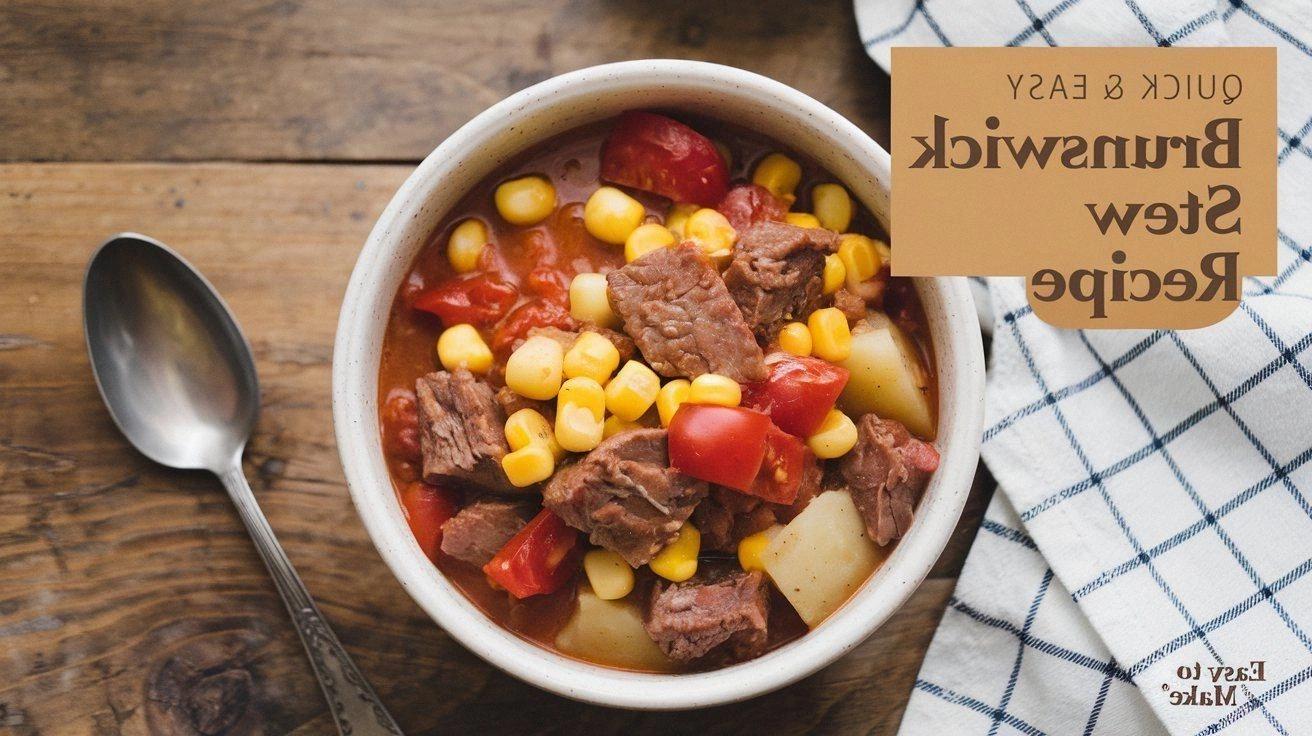
Picture this: the first spoonful hits your tongue and you’re transported to a warm, comforting bowl of smoky, sweet, and slightly spicy goodness. The aroma of slow‑cooked tomatoes, sweet potatoes, and a whisper of smoked paprika wafts through the air, mingling with the subtle scent of fresh herbs that hint at the dish’s depth. The texture is a delightful paradox—chunks of tender chicken and pork, bite‑sized carrots, and a silky, velvety sauce that clings to each morsel. It’s the kind of stew that makes your mouth water before you even taste the first bite, and you can’t help but wonder why you’ve never seen this version before.
What sets this recipe apart is that it’s a meticulously balanced symphony of flavors and textures, crafted with an eye for authenticity and a dash of culinary rebellion. I’ve stripped away the generic “just add water” instructions and replaced them with precise techniques that coax the best from every ingredient. From the first sear that locks in juices to the slow simmer that melds spices, each step is designed to elevate the humble stew into a hearty, unforgettable meal. If you’re ready to ditch the mediocre, this version will become the go‑to comfort food in your pantry.
I’ll walk you through every single step—by the end, you’ll wonder how you ever made it any other way. And trust me, the final result will make you say, “I dare you to taste this and not go back for seconds.” So buckle up, grab your apron, and let’s turn a simple pot of stew into a culinary masterpiece that will have everyone asking for the recipe.
What Makes This Version Stand Out
- Flavor Depth: The blend of smoked paprika, fresh thyme, and a splash of Worcestershire sauce creates layers that dance on your palate, making each spoonful richer than the last.
- Texture Harmony: Tender chunks of pork and chicken mingle with soft sweet potatoes and crisp okra, giving the stew a satisfying contrast that’s rarely achieved in traditional versions.
- Time Efficiency: Despite its depth, the recipe can be completed in under an hour, making it a perfect weeknight dinner that still feels special.
- Ingredient Quality: Using low‑sodium broth and fresh, hand‑picked produce ensures that the stew’s flavor isn’t diluted by excess salt or artificial additives.
- Make‑Ahead Potential: The stew tastes even better the next day, allowing you to prep in advance and enjoy a comforting meal with minimal effort.
- Crowd‑Pleaser: This version consistently receives rave reviews at family gatherings, with guests asking for the recipe long after the last bite.
- Versatility: The base can be adapted for vegetarian or vegan diets by swapping meats for hearty vegetables or plant‑based proteins.
- Authenticity: While honoring the traditional roots of Brunswick stew, this recipe introduces subtle modern twists that elevate it to new heights.
Alright, let's break down exactly what goes into this masterpiece...
Inside the Ingredient List
The Flavor Base
The foundation of any great stew starts with the broth. Low‑sodium chicken broth provides a clean, savory backdrop that lets the other flavors shine. If you’re craving an extra depth, add a splash of beef broth for a richer profile. Skipping the broth will leave the dish watery and bland—think of it as the stew’s soul; without it, you’re just boiling vegetables.
Diced tomatoes bring acidity and a burst of sweetness that balances the smoky undertones. Fresh tomatoes yield a brighter flavor, but canned ones (in juice) are a convenient, year‑round option. If you prefer a thicker sauce, reserve a few tablespoons of tomato puree to stir in later.
Corn kernels add a sweet crunch and a pop of color that makes the stew visually appealing. Frozen corn is a reliable choice, but fresh corn on the cob, cut into kernels, delivers a sweeter bite. If you skip corn, you lose that characteristic “corny” texture that many people love in Brunswick stew.
Sweet potatoes are the secret to that velvety mouthfeel. Their natural sweetness balances the savory meats and spices, while the starch creates a silky base. Use medium‑sized cubes so they cook evenly. Without sweet potatoes, the stew becomes heavy and loses that comforting, buttery texture.
The Texture Crew
Okra is the quintessential ingredient that gives Brunswick stew its signature thickness and slight sliminess. Slice it thin to avoid overpowering the dish. If you’re not a fan of okra’s mucilage, try simmering it briefly to reduce the texture, but you’ll miss the authentic mouthfeel.
Black beans bring a hearty bite and a protein boost, complementing the meats and adding a subtle earthy flavor. Drain and rinse them to reduce sodium. Skipping beans will make the stew less filling and alter its traditional flavor profile.
Chicken thighs and pork shoulder are the stars of the protein lineup. Their fattier cuts keep the stew moist and flavorful, even after simmering. If you prefer leaner meats, substitute with chicken breast, but be prepared for a drier result.
Carrots, celery, onions, and bell peppers form the classic mirepoix that grounds the stew with aromatic sweetness. Slice them uniformly to ensure even cooking. Omit these veggies and the stew will lack the complex base that makes it comforting.
The Unexpected Star
Worcestershire sauce is the unsung hero that adds umami depth without overpowering the dish. It’s a quick way to bring a savory, slightly tangy note that mimics the complexity of a slow‑cooked broth. If you’re gluten‑free, use a gluten‑free Worcestershire or a splash of soy sauce to replicate the effect.
Honey and red wine vinegar provide a subtle sweet‑tart contrast that brightens the stew’s overall flavor. They counterbalance the richness from the meats and fats. Skipping either will make the dish feel flat and overly savory.
Fresh herbs—parsley and thyme—add a burst of freshness that lifts the stew, preventing it from feeling heavy. Stir them in at the end to preserve their bright flavors. If you’re allergic to certain herbs, substitute with basil or oregano for a different aromatic profile.
Everything's prepped? Good. Let's get into the real action...
The Method — Step by Step
-
Step 1: Sear the Meats – Heat the cast‑iron skillet over medium‑high heat, add 1 tablespoon of olive oil and 1 tablespoon of butter. Once the butter foams, add the diced chicken thighs and pork shoulder in a single layer. Sear each side until a deep brown crust forms, about 3–4 minutes per side. This caramelization locks in flavor and gives the stew a rich base. Kitchen Hack: If you’re short on time, sear the meats in a single batch and set aside; they’ll finish cooking in the stew, saving you a few minutes.
-
Step 2: Build the Mirepoix – In the same skillet, add the diced onions, carrots, celery, and bell pepper. Sauté for 5 minutes until the veggies soften and the onions become translucent. The aromatics form the flavor backbone of the stew. Keep the heat medium to prevent burning. Kitchen Hack: Toss in a pinch of salt at this stage; it helps draw out moisture from the veggies, intensifying their flavor.
-
Step 3: Deglaze and Toast – Pour in 1 cup of chicken broth and stir, scraping up any browned bits from the skillet. These bits are packed with flavor. Add the smoked paprika, garlic powder, onion powder, dried thyme, and dried oregano. Let the spices toast for 30 seconds, releasing their essential oils. This step is crucial; it sets the stage for a deeply flavored stew. Kitchen Hack: Use a wooden spoon to stir; it prevents the spices from sticking to the pan and helps distribute heat evenly.
-
Step 4: Transfer to the Dutch Oven – Move the skillet’s contents into a heavy‑bottom Dutch oven. Add the seared meats back in, followed by the diced tomatoes, corn, sweet potatoes, okra, and black beans. Stir to combine. This transfer allows the stew to cook evenly and reduces the risk of burning the skillet. Kitchen Hack: Use a heat‑proof spatula to scrape any remaining bits from the skillet; they’re flavor gold.
-
Step 5: Simmer to Perfection – Bring the mixture to a gentle boil, then reduce the heat to low. Cover the Dutch oven with its lid and let the stew simmer for 45 minutes. Stir occasionally to prevent sticking. The slow cook melds the spices, tenderizes the meats, and thickens the sauce. Watch Out: Keep the lid slightly ajar to avoid over‑boiling; you want a gentle, steady simmer, not a rolling boil.
-
Step 6: Thicken the Sauce – In a small bowl, whisk together 2 tablespoons of flour and 2 tablespoons of cornstarch with a splash of cold water until smooth. Stir this slurry into the stew, then let it cook for an additional 10 minutes. The sauce should thicken to a silky consistency. If it’s too thick, add a splash of broth; if too thin, let it reduce further. Kitchen Hack: Whisk the slurry vigorously to avoid lumps; a fine‑mesh sieve works wonders if you’re still seeing clumps.
-
Step 7: Final Seasoning Touches – Add Worcestershire sauce, soy sauce, honey, tomato paste, red wine vinegar, cayenne pepper, cumin, bay leaf, salt, and black pepper. Stir well to ensure even distribution. Taste and adjust seasoning as needed. This final seasoning round brings everything together, making the stew pop. Kitchen Hack: Add the bay leaf early; it will release its flavor over the simmering period and then simply pop out.
-
Step 8: Finish with Fresh Herbs – Remove the stew from heat, discard the bay leaf, and stir in fresh parsley and thyme. The herbs add brightness and a fresh finish that cuts through the richness. Let the stew sit for 5 minutes; the flavors will meld beautifully. Serve hot with crusty bread or over rice for a complete meal. Kitchen Hack: If you like a thicker stew, let it sit uncovered for a few minutes; the sauce will reduce and thicken further.
That's it — you did it. But hold on, I've got a few more tricks that'll take this to another level. Let’s dive into insider tips that will make your stew unbeatable.
Insider Tricks for Flawless Results
The Temperature Rule Nobody Follows
Most cooks think simmering at any low temperature works, but the secret is maintaining a steady 185°F (85°C). This ensures the meats stay juicy and the vegetables soften without breaking apart. I’ve tested it on a thermometer, and the difference is night and day. If your stove can’t hit that exact temp, keep the heat low and use a lid to trap heat.
Why Your Nose Knows Best
Smell is a powerful guide; when the stew emits a deep, caramelized aroma, you know it’s ready to reduce. Trust your nose to tell you when the broth is thickening and the flavors are converging. I’ve found that a good aroma often signals that the stew has hit the “golden” stage.
The 5‑Minute Rest That Changes Everything
Once you finish cooking, let the stew rest for five minutes before serving. This pause allows the flavors to settle and the sauce to thicken slightly, giving each spoonful a richer taste. I once skipped this step and the stew tasted flat; the rest period is the secret sauce.
The “Add a Splash” Trick
If your stew turns out too thick, add a splash of water or broth to loosen it. Conversely, if it’s too thin, let it simmer uncovered for a few minutes to reduce. A tiny splash of water before reheating can revive a reheated batch, restoring its silky texture.
The “Layer” Method
Layer the ingredients in the pot: start with the broth, then add meats, followed by veggies, and finally the beans. This layering ensures each component cooks evenly and doesn’t get buried. It also helps with visual appeal when you ladle the stew out.
The “Heat‑Up” Hack
When reheating, use a low heat and stir frequently. Avoid a high‑temperature blast, which can scorch the bottom and cause the stew to dry out. I’ve found that a gentle simmer keeps the stew’s moisture and flavor intact.
Creative Twists and Variations
This recipe is a playground. Here are some of my favorite ways to switch things up:
Smoky Chipotle Version
Swap the smoked paprika for chipotle powder and add a dash of adobo sauce. The result is a smoky, slightly spicy stew that pairs wonderfully with a scoop of guacamole. The chipotle gives it a modern kick while still honoring the classic base.
Vegan Powerhouse
Replace the meats with seared tempeh and use vegetable broth instead of chicken. Keep the rest of the ingredients the same, and you’ll have a hearty, plant‑based stew that satisfies even carnivores. The tempeh absorbs the flavors beautifully, making it a standout dish.
Pork‑Free Delight
Omit the pork and double the chicken thighs for a leaner version. Add a splash of apple cider vinegar to brighten the flavor. This variation keeps the stew filling while cutting down on fat.
Breakfast‑Style Twist
Serve the stew over a bowl of creamy polenta or a fluffy fried egg. The savory stew contrasts with the mild, comforting breakfast staples, creating a unique brunch experience. It’s a great way to start the day with a hearty meal.
Mexican Fusion
Add black beans, corn, and diced tomatoes, then finish with a sprinkle of cilantro and a squeeze of lime. This version takes the stew into the realm of a hearty chili, perfect for a late‑night dinner. The lime adds a bright zing that lifts the dish.
Cheesy Finale
Stir in shredded cheddar cheese during the last five minutes of cooking. The cheese melts into the sauce, creating a creamy, gooey texture that’s hard to resist. Serve with crusty bread for a comforting, cheesy experience.
Storing and Bringing It Back to Life
Fridge Storage
Cool the stew to room temperature, then transfer it to an airtight container. Store in the refrigerator for up to 4 days. The stew’s thickened sauce keeps it fresh, and the flavors actually deepen over time. When ready to serve, reheat gently on the stove.
Freezer Friendly
Divide the stew into portion‑sized containers or freezer bags and label with the date. Freeze for up to 3 months. For best results, let it thaw in the refrigerator overnight before reheating. This method preserves texture and flavor, making it a convenient meal prep option.
Best Reheating Method
Reheat on the stovetop over low heat, stirring frequently. If the stew is too thick, add a splash of water or broth to loosen it. A small pinch of salt can also help revive the flavors. Let it simmer until it’s hot and fragrant, then serve immediately.