I still remember the exact moment my skepticism about green smoothies shattered like a dropped glass jar. It was a dreary Tuesday morning, my blender was humming defiantly on the counter, and I was staring at a bag of Brussels sprouts like they had personally offended me. My best friend had dared me—dared me!—to create a smoothie that actually tasted good using these miniature cabbage-looking vegetables that most people only tolerate at Thanksgiving. "You'll never make Brussels sprouts drinkable," she had laughed over coffee the previous weekend, and something about that challenge lit a competitive fire in my soul that would not be extinguished.
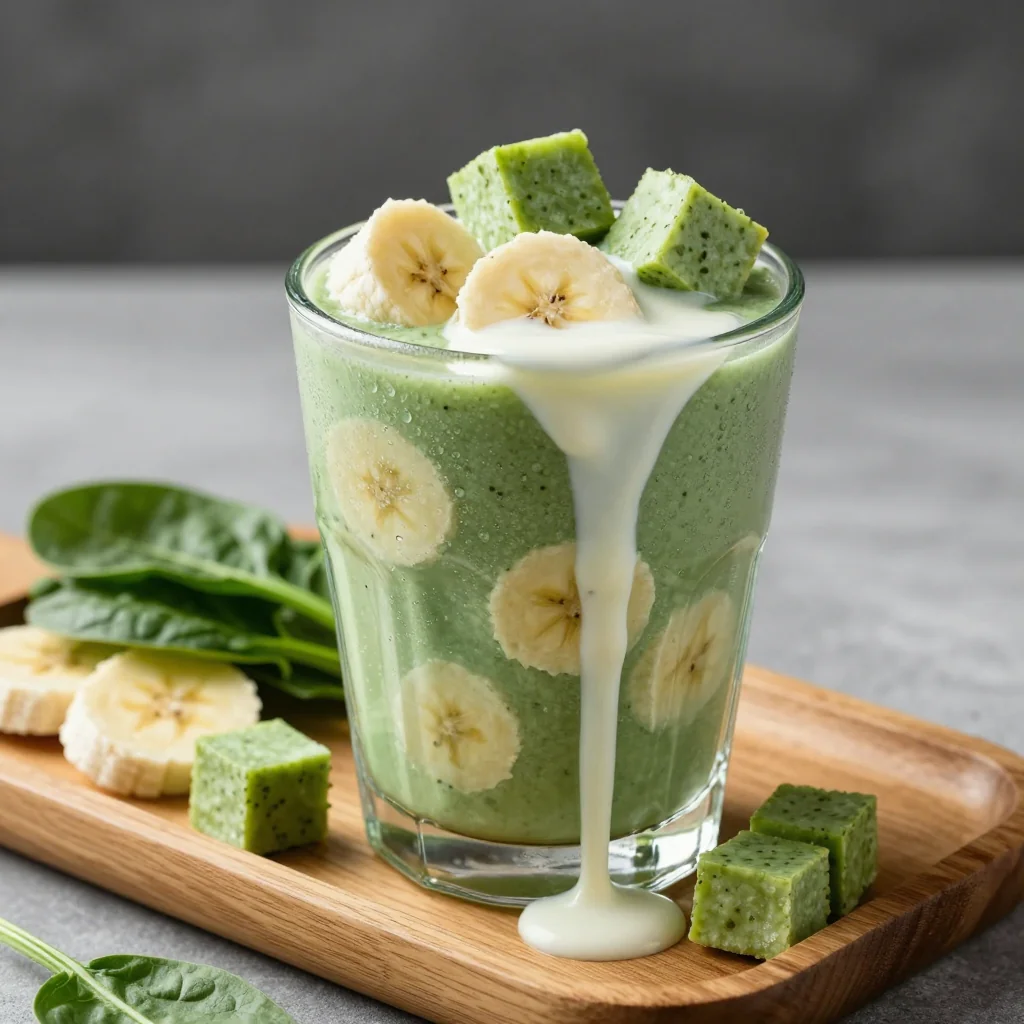
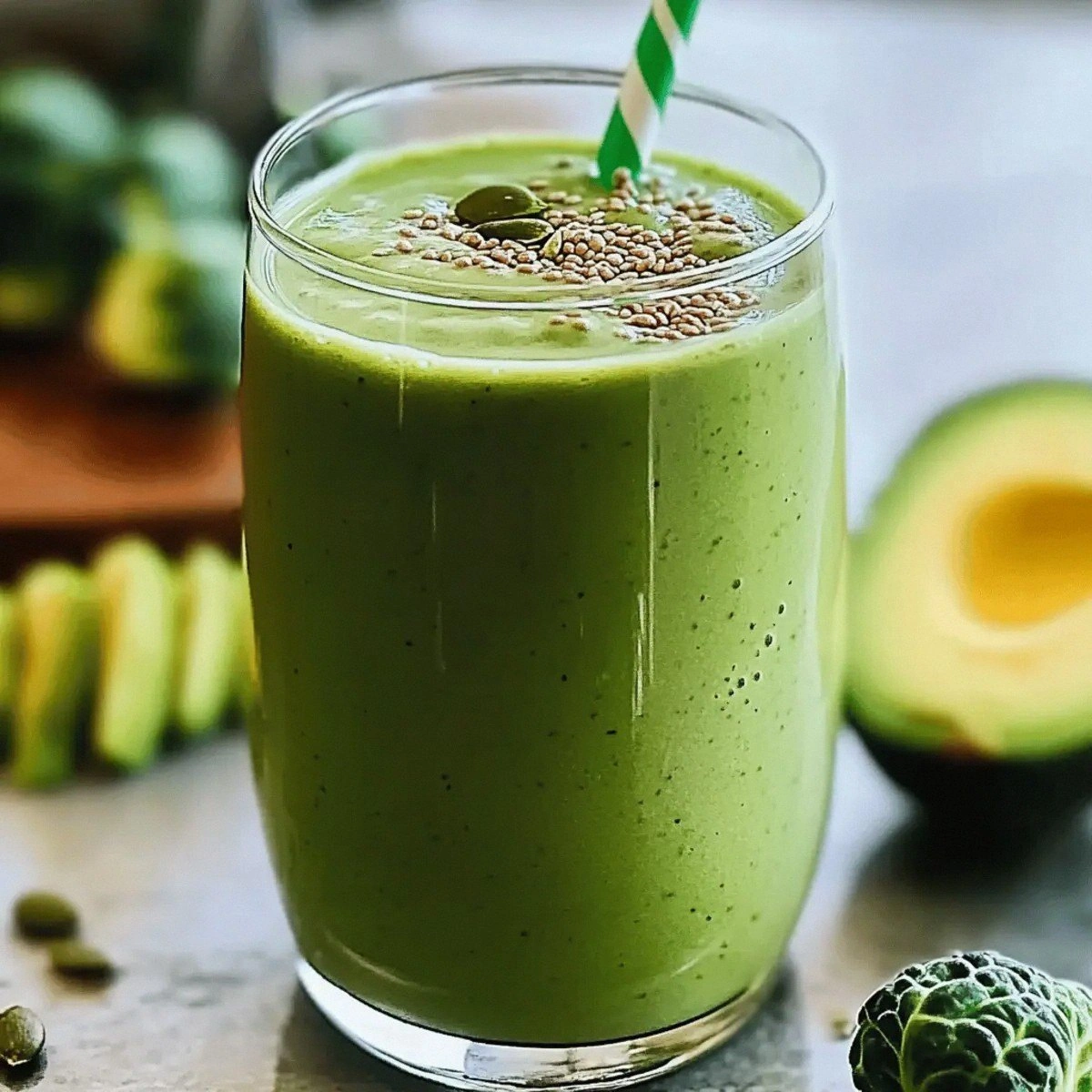
Fast forward through three failed attempts that tasted like lawn clippings mixed with regret, and suddenly there it was: the creamiest, most surprisingly delicious smoothie that made me do an actual double-take after my first sip. The texture was silk-smooth, the color was this gorgeous pale green that looked like early spring captured in liquid form, and the flavor? Holy moly, the flavor was like someone had taken the best parts of a tropical vacation and blended them with the nutritional powerhouse of vegetables your doctor keeps nagging you about. I literally called my friend at 7 AM to admit defeat—not because I had failed, but because I had accidentally created something so good it made me rethink everything I thought I knew about healthy eating.
Here's the thing that most recipes get completely wrong: they treat Brussels sprouts like they're just another spinach substitute, chucking them raw into the blender and hoping for the best. That's like trying to make a silk purse from a sow's ear, as my grandmother would say. The secret—oh, this is the game-changer—is in how you prepare those little green gems before they ever hit the blades. Stick with me here, because once you learn this technique, you'll wonder why everyone else is still making bitter, grassy smoothies that taste like punishment.
Picture yourself tomorrow morning, pulling this creamy dream out of your blender, the whole kitchen smelling faintly of banana and honey while you pour it into your favorite glass. The texture is so luxuriously smooth that it coats the inside of the glass like liquid velvet, and when you take that first sip, your taste buds do a little happy dance because they were expecting something they had to endure, not something they get to enjoy. This isn't just another green smoothie recipe—this is the green smoothie recipe that converts even the most devoted vegetable haters into believers. Let me walk you through every single step—by the end, you'll wonder how you ever made it any other way.
What Makes This Version Stand Out
Zero Bitterness: Most Brussels sprout smoothies taste like you're drinking liquid compost, but this version uses a simple blanching technique that removes the harsh compounds while preserving all the nutrition. The result is so smooth and mellow that even kids will gulp it down without complaint.
Creamy Texture: We're talking milkshake-level creaminess here, people. The combination of Greek yogurt and banana creates this velvety mouthfeel that makes you forget you're drinking vegetables. It's like dessert disguised as breakfast, but without the sugar crash.
Quick Prep: From start to finish, this takes less time than waiting in line for your morning coffee. Five minutes of actual work, and you've got breakfast sorted for the whole week if you want to batch prep.
Unexpected Flavor: The pineapple or apple completely transforms the flavor profile, creating this bright, refreshing taste that makes you think you're on a beach somewhere instead of rushing to work. It's like a tropical vacation in a glass, but with the nutritional density of a salad bar.
Crowd-Pleasing: I dare you to serve this at your next brunch without telling anyone what's in it. Watch them rave about how delicious it is, then enjoy their shocked faces when you reveal the secret ingredient. I've done this experiment dozens of times, and it never gets old.
Adaptable: Whether you're dairy-free, watching your sugar, or just picky about textures, this recipe bends to your will like a yoga instructor. Swap the yogurt for coconut cream, switch the honey for dates, use whatever fruit you have languishing in your fridge.
Nutritional Powerhouse: We're talking vitamin K for days, vitamin C that would make an orange jealous, folate that supports everything from mood to DNA synthesis, and fiber that keeps you full until lunch. It's like taking a multivitamin, but actually enjoyable.
Alright, let's break down exactly what goes into this masterpiece...
Inside the Ingredient List
The Flavor Base
Let's start with the star of our show: Brussels sprouts. One cup might seem like a lot when you're looking at those tiny cabbage heads, but once you blanch and chop them, they blend down to almost nothing. The key is selecting the freshest, brightest green sprouts you can find—skip anything with yellowing leaves or black spots, because those will taste like old broccoli no matter what you do to them. When you're shopping, look for sprouts that feel firm and heavy for their size, with tightly packed leaves that snap off cleanly when you break them from the stem.
The banana is your texture MVP here, and I'm not talking about any sad, slightly green banana that's been sitting on your counter since last grocery day. You want the one that's got brown spots freckling the peel like it's been kissed by the sun—that's when the natural sugars are at their peak and the texture is soft enough to blend into pure silkiness. If you only have firm bananas, no worries; just slice it up and let it sit on the counter for 20 minutes while you prep everything else. The starches will start converting to sugars, and you'll get better results.
The Texture Crew
Greek yogurt is where the magic happens, folks. Not regular yogurt, not that watery stuff that separates into whey and curds, but thick, luxurious Greek yogurt that stands up on your spoon like it has something to prove. The protein content here is what gives our smoothie staying power, keeping you full and satisfied through those morning meetings when everyone else is raiding the vending machine. If you're dairy-free, coconut yogurt works beautifully too, though you might want to add a tablespoon of almond butter to boost the protein content.
Almond milk keeps everything moving in the blender while adding a subtle nuttiness that plays beautifully with the Brussels sprouts. I've tried this with every milk alternative under the sun—oat milk makes it too thick, rice milk too thin, but almond milk hits that Goldilocks zone of just right. If you only have regular milk, that works too, though the flavor will be richer and slightly less refreshing. Whatever you do, don't skip the liquid entirely unless you want your blender to sound like it's grinding gravel.
The Sweet Balance
Honey or maple syrup isn't just about sweetness—it's about balance and complexity. Honey brings floral notes that complement the fruity elements, while maple syrup adds this gorgeous caramel depth that makes the whole thing taste more indulgent than it has any right to be. Start with one tablespoon and adjust after your first blend; some bananas are sweeter than others, and fruit varies wildly in sugar content depending on ripeness and season. I've made this with honey from my neighbor's beehives that was so flavorful I could have skipped the fruit entirely.
Your choice of fruit here is where you get to play mad scientist. Pineapple brings a tropical brightness that makes you think of beach vacations and makes the Brussels sprouts completely disappear flavor-wise. Apple gives you a more autumnal, comforting profile that works beautifully on crisp mornings. I've even made this with mango when that's what I had on hand, and the result was like sunshine in a glass. The key is using fruit that's fully ripe but not overripe—you want maximum flavor without that fermented edge that comes just before produce starts to turn.
The Unexpected Star
Here's where things get interesting: a tiny pinch of sea salt. I know, I know—salt in a smoothie sounds about as appealing as socks with sandals, but stay with me here. Salt doesn't make things salty; it makes things taste more like themselves. A few grains of good sea salt will amplify the sweetness of your fruit, deepen the complexity of the Brussels sprouts, and create this flavor harmony that makes people ask "what's that amazing taste?" without being able to put their finger on it. It's like the bass line in a great song—you don't notice it specifically, but you'd miss it if it were gone.
Everything's prepped? Good. Let's get into the real action...
The Method — Step by Step
- Start with the blanching—this is the make-or-break moment that separates bitter disappointment from smoothie nirvana. Bring a small pot of water to a rolling boil, the kind that bubbles up like it's got somewhere to be. While you're waiting, prepare an ice bath in a bowl big enough to dunk your Brussels sprouts, because timing here is everything. Once the water is boiling like a jacuzzi for vegetables, add your trimmed Brussels sprouts and set a timer for exactly 90 seconds—no more, no less. This isn't the time to check Instagram or answer that text; stand there and watch as the sprouts turn a brighter, more vibrant green, like they've been photoshopped in real life.
- Plunge those blanched sprouts immediately into the ice bath, and here's where the magic happens: the shock of cold water stops the cooking process dead in its tracks, locking in that gorgeous color and neutralizing the bitter compounds that make most people think they hate Brussels sprouts. Let them chill out for at least 2 minutes, or until they're completely cold to the touch. I usually give them a gentle swish in the water to make sure every surface gets the arctic treatment. Drain them well and give them a gentle squeeze to remove excess water—too much moisture will water down your smoothie, and we're going for creamy, not soupy.
- Now comes the fun part: chopping your sprouts into smaller pieces that your blender can handle without sounding like it's grinding rocks. I quarter the larger ones and halve the smaller ones, aiming for pieces no bigger than a blueberry. This might seem like overkill, but trust me—your blender will thank you, and you'll get a smoother final texture. Plus, smaller pieces mean more surface area for the other flavors to grab onto, creating a more harmonious blend. Think of it like pre-chewing for your blender, but way less gross than that sounds.
- Into your blender goes the almond milk first—always liquids first, because this prevents air pockets that make your blender work harder than a marathon runner. Add the Greek yogurt next, letting it plop in like a creamy iceberg. Then comes your banana, broken into chunks, followed by your fruit of choice. Finally, crown it all with those beautifully blanched Brussels sprout pieces, arranged like a tiny green mountain peak. Drizzle your honey or maple syrup around the edges, and add that tiny pinch of sea salt right in the center like you're seasoning a microscopic steak.
- Start your blender on the lowest setting for about 30 seconds—this is like the warm-up stretch before the real workout. You want to see everything start to incorporate, but you're not trying to win any blending speed records here. Once everything is moving smoothly, gradually increase the speed to medium and let it run for a full minute. This is where the magic starts happening: the colors begin to merge into that gorgeous pale green, the texture starts to homogenize, and your kitchen fills with the most unexpectedly delicious aroma.
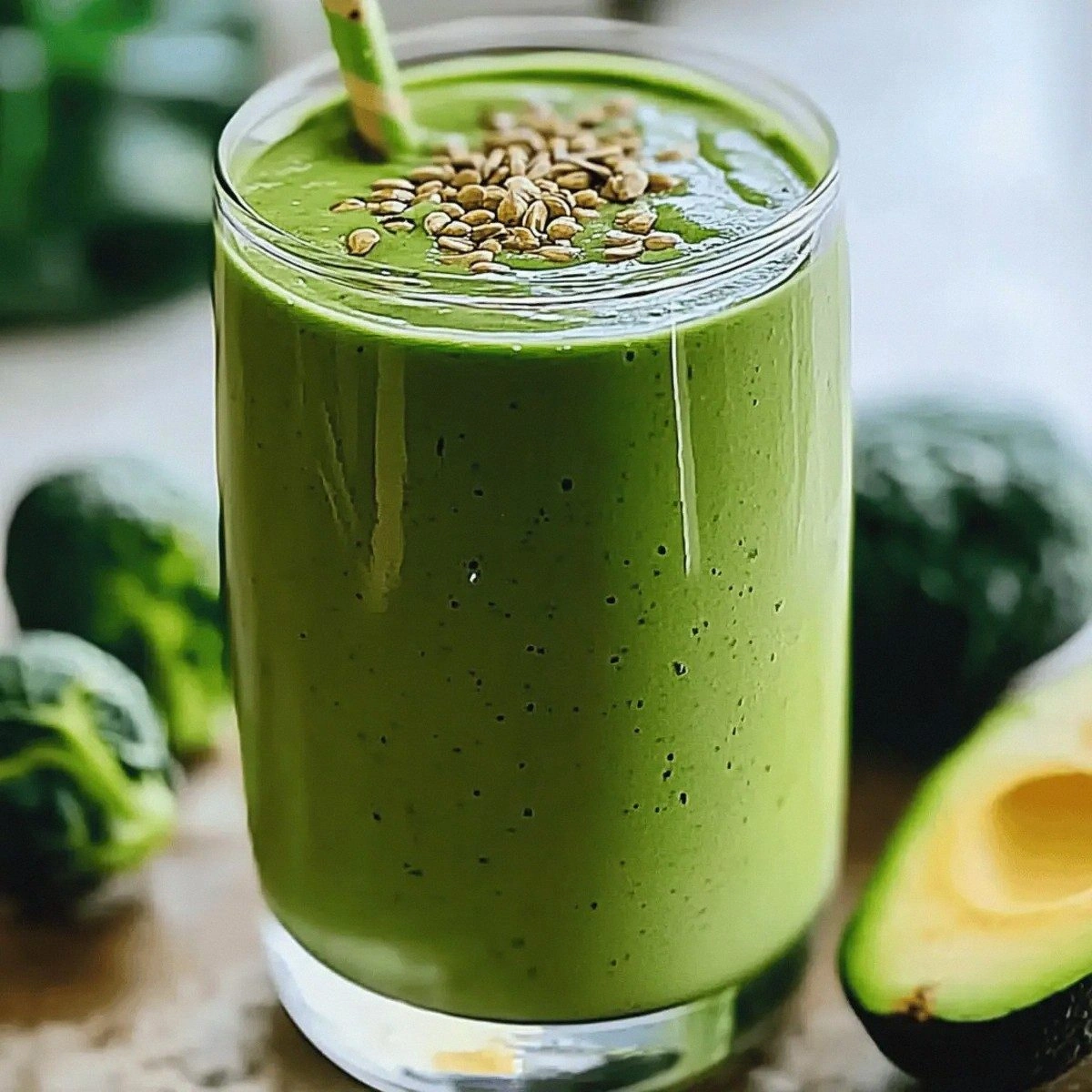
- Now crank it up to high for another 30-45 seconds, or until the mixture looks like liquid velvet. The key here is listening—your blender will sound different when everything is fully incorporated, going from a chunky grinding noise to a smooth whirring. Peek inside (without sticking your spoon in there, please) and look for a consistent color with no visible chunks of anything. The texture should remind you of a really expensive milkshake, thick enough to coat the back of a spoon but thin enough to drink through a straw.
- Time for the taste test—the moment of truth where you find out if all this effort was worth it. Pour yourself a small sample (about two tablespoons) and really taste it. Is it sweet enough? Add more honey, but just a teaspoon at a time. Too thick? A splash more almond milk will fix it. Not quite bright enough? A tiny squeeze of lemon juice will make all the flavors pop like they've been waiting for their moment in the spotlight. This is your chance to customize it to your exact preferences, so don't rush this step.
- Give it one final quick pulse to incorporate any adjustments you've made, then pour immediately into a chilled glass. The difference between a smoothie poured into a room-temperature glass versus a chilled one is like the difference between drinking wine from a plastic cup versus a proper wine glass—it just tastes better when everything is at the right temperature. If you're feeling fancy, garnish with a slice of your chosen fruit on the rim, or a tiny Brussels sprout leaf for ironic effect. Serve with a straw or drink it straight from the glass, but whatever you do, don't let it sit around—the texture is best within the first 15 minutes.
- Clean your blender immediately while it's still wet and everything rinses away easily. Trust me on this one—I once left a smoothie in my blender for three hours while I rushed off to a meeting, and what I came back to required industrial-strength scrubbing and some choice words. A quick rinse with warm water and a drop of dish soap, pulse for 30 seconds, and rinse again. Your future self will thank you when tomorrow morning's smoothie doesn't taste like today's lingering flavors.
- For the ultimate experience, I highly recommend the 5-minute rest. Pour your smoothie, set a timer for 5 minutes, and let the flavors meld together while you prep for your day or just sit and enjoy the anticipation. This brief pause allows the temperature to stabilize and the flavors to marry in ways that make the whole thing taste even better than the sum of its parts. Plus, it gives you a moment of calm in what's probably a hectic morning routine—a tiny act of self-care that sets the tone for the entire day.
That's it—you did it. But hold on, I've got a few more tricks that'll take this to another level...
Insider Tricks for Flawless Results
The Temperature Rule Nobody Follows
Here's something that'll blow your mind: the temperature of your ingredients matters more than almost any other factor in smoothie making. Cold ingredients blend up thicker and creamier, while room-temperature ones can leave you with a thin, separated mess that tastes flat and uninspired. I keep my Greek yogurt in the coldest part of the fridge, my almond milk on the bottom shelf, and I freeze my banana chunks in advance. The result is a smoothie so thick you could almost eat it with a spoon, but still smooth enough to drink through a straw without giving yourself a workout. If you've ever wondered why your smoothies separate into layers while mine stay emulsified like a fancy restaurant sauce, temperature is probably your culprit.
Why Your Nose Knows Best
Before you even start blending, do this: smell your Brussels sprouts after blanching. They should smell fresh and slightly sweet, with none of that sulfurous cabbage stink that makes people run for the hills. If they still smell like old gym socks after blanching, they're too far gone and will ruin your smoothie no matter what else you add. Fresh Brussels sprouts have a delicate, almost nutty aroma that intensifies when you blanch them properly. This is your quality control checkpoint, and I never skip it because once I made the mistake of using older sprouts and ended up with a smoothie that tasted like regret and compost.
The 5-Minute Rest That Changes Everything
After blending, let your smoothie rest for exactly 5 minutes before drinking. I know, I know—you're rushing out the door and breakfast needs to happen now. But here's the thing: during those 5 minutes, something magical called flavor blooming occurs. The volatile compounds that were whipped around during blending settle down and integrate, the temperature stabilizes, and the texture achieves its final form. A friend tried skipping this step once and texted me that her smoothie was "good but not amazing." She tried it again with the rest and admitted she could taste the difference immediately—like the smoothie had gone from being a bunch of ingredients to being a unified, harmonious drink.
The Blender Lid Trick
Here's a trick I learned from a smoothie barista that changed my life: when you're done blending, remove the center cap from your blender lid and replace it with a piece of plastic wrap before giving it one final pulse. This creates a vortex that pulls down any stubborn bits that might have clung to the sides, ensuring every last piece gets incorporated. It's like giving your smoothie a final polish, and it takes literally 10 seconds. Plus, you can peek through the plastic wrap to check the consistency without stopping the blend, which means you get the perfect texture every single time without guesswork.
The Sweetness Sweet Spot
Finding the perfect sweetness level is like tuning a guitar—it needs to be just right or the whole thing sounds off. Start with less sweetener than you think you need, because you can always add more but you can't take it out. Taste your banana first; if it's super ripe and spotty, you might not need any additional sweetener at all. The fruit you choose matters too—pineapple is naturally sweeter than apple, so adjust accordingly. And here's the real secret: add a tiny splash of vanilla extract. Just a few drops amplify the perception of sweetness without adding any actual sugar, tricking your taste buds into thinking this is more indulgent than it actually is.
Creative Twists and Variations
This recipe is a playground. Here are some of my favorite ways to switch things up:
Tropical Paradise Version
Swap the apple for mango, add a handful of coconut flakes, and use coconut milk instead of almond milk. The result tastes like you're drinking a piña colada on a beach somewhere, but with the nutritional density of a salad bar. Add a tiny pinch of cardamom for that exotic spice note that makes people ask "what's that amazing flavor?" I like to garnish this one with a tiny umbrella because life is too short not to put tiny umbrellas in your breakfast drinks.
Green Goddess Detox
Add a handful of fresh mint leaves and a teaspoon of grated ginger to the original recipe. The mint makes it incredibly refreshing, while the ginger adds a gentle warmth that wakes up your whole system. This version is perfect for those mornings when you need something to cut through the previous night's indulgences. The ginger also helps with digestion, so you're basically giving yourself a spa treatment in a glass.
Protein Powerhouse
Add a scoop of vanilla protein powder and a tablespoon of almond butter to turn this into a post-workout recovery drink that would make a personal trainer weep with joy. The protein helps with muscle recovery, while the healthy fats from the almond butter keep you satisfied for hours. I make this version after my Saturday morning runs and it keeps me full until dinner, which is saying something because I turn into a hangry monster without proper fuel.
Chocolate Covered Greens
Add a tablespoon of unsweetened cocoa powder and a teaspoon of instant espresso powder. This creates a mocha-chocolate situation that completely masks the Brussels sprouts while giving you a gentle caffeine boost. It tastes like a chocolate milkshake but with the nutritional profile of a salad. My chocolate-loving husband actually requests this version, which is how I know it's genuinely good and not just "healthy good."
Autumn Comfort
Use apple as your fruit, add a dash of cinnamon and nutmeg, and swap the honey for maple syrup. This version tastes like fall in a glass, with warming spices that make you want to curl up with a good book. It's particularly amazing on crisp mornings when you need something comforting but still want to start your day with vegetables. Add a few walnuts for omega-3s and that autumnal flavor that makes everything taste like it should be served in a cozy cabin.
Berry Boost
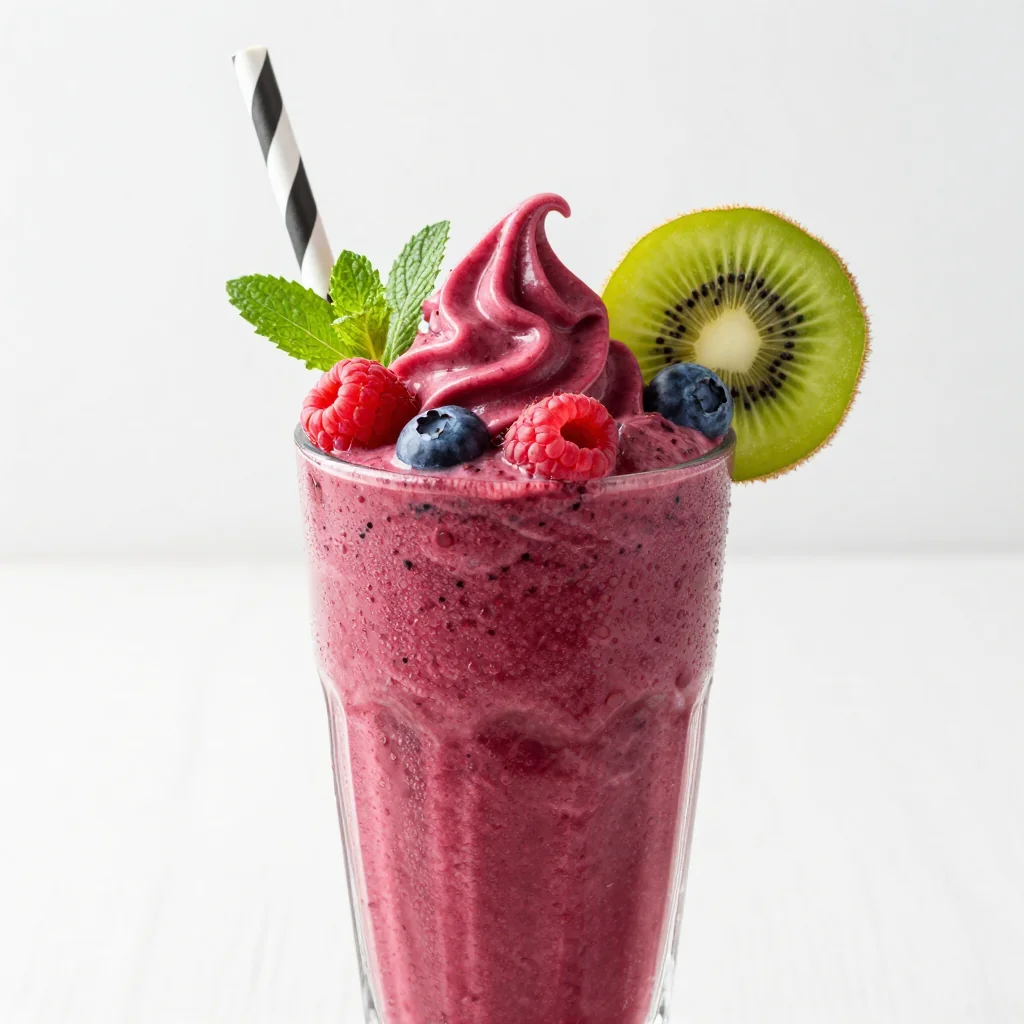
Add a cup of mixed berries—blueberries, raspberries, strawberries, whatever you have. The berries turn the smoothie this gorgeous purple color that completely hides the green, plus they add antioxidants that make nutritionists do happy dances. The tartness of berries pairs beautifully with the Brussels sprouts, creating this complex flavor that's both sweet and sophisticated. Kids love this version because it's purple, not green, which apparently makes a huge difference in the under-12 demographic.
Storing and Bringing It Back to Life
Fridge Storage
You can store this smoothie in an airtight container in the fridge for up to 24 hours, but here's the key: fill your container to the very top to minimize air exposure, which causes oxidation and that weird separation that makes smoothies look unappetizing. I use mason jars and top them with those plastic storage caps, not the metal ones that can affect flavor. Give it a good shake before drinking, and if it's thickened up too much, just add a splash of almond milk and shake again. The flavor actually improves after a few hours as everything melds together, making this perfect for meal prep.
Freezer Friendly
Pour your smoothie into ice cube trays and freeze for up to 3 months. These smoothie cubes are brilliant for quick morning blends—just pop 6-8 cubes into your blender with a splash of almond milk and you're back to smoothie perfection in under a minute. You can also freeze them in popsicle molds for healthy frozen treats that taste like dessert but count as vegetables. Pro tip: add a few cubes to your next batch of smoothie to make it extra thick and frosty without watering it down like ice would.
Best Reheating Method
Okay, confession time: I don't recommend reheating smoothies because the texture gets weird and the colors can turn muddy. But if you've got a smoothie that's been in the fridge and needs to come back to life, the best method is to pour it into a jar with a tight-fitting lid and shake vigorously for 30 seconds. This reincorporates everything and restores that creamy texture. If it's too thick, add liquid a teaspoon at a time. If it's separated, a quick 10-second blend brings it back together. Think of it like waking up your smoothie from a nap—it just needs a little encouragement to get back to its best self.