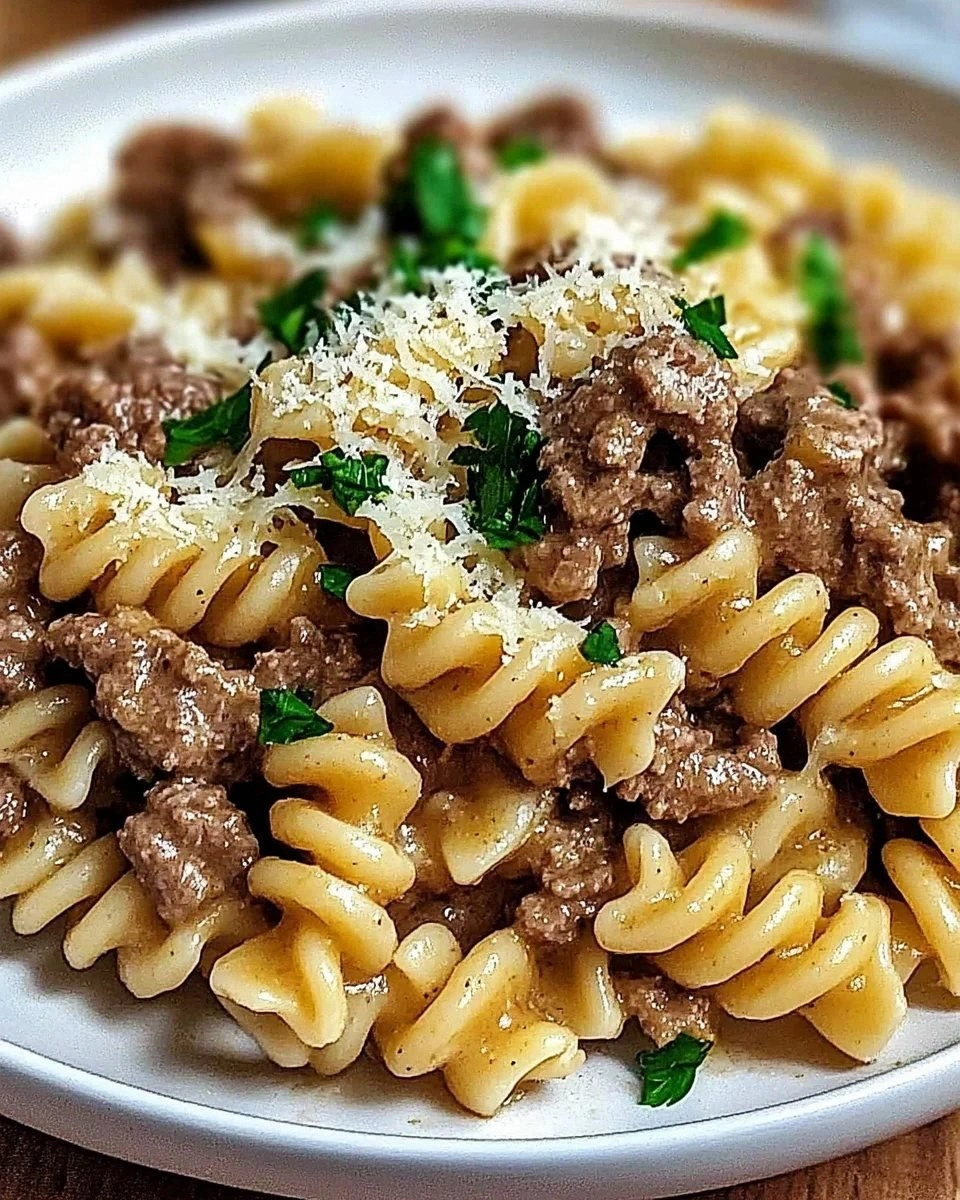
I still remember the Thursday night I almost ordered takeout instead of making dinner. The fridge was practically empty except for a half-pound of ground beef, some sad-looking rotini, and a block of Parmesan that had seen better days. Forty-five minutes later, I was standing over the stove with sauce dripping from my chin, frantically texting my best friend: "Cancel your dinner plans. I just accidentally created the most addictive pasta dish of my life." That happy accident became this recipe, and I've spent the last eighteen months perfecting every single bite so you can experience the same kitchen miracle without the panic.
Picture this: it's 7 PM, your stomach is staging a full-blown protest, and the aroma of garlic hitting hot butter fills your kitchen like the opening act of a rock concert. The beef sizzles and browns while the rotini twirls in its pot, and you're about to witness what happens when humble ingredients decide to throw an unforgettable party. This isn't just another pasta recipe — this is the one that'll make you cancel restaurant reservations because nothing out there can compete with what's happening in your own skillet right now.
What makes this version different from every other beef and pasta recipe cluttering the internet? For starters, we're building layers of flavor like we're constructing a flavor skyscraper instead of throwing everything into a pot and hoping for the best. The garlic gets three separate moments to shine — infused in the butter, caramelized with the beef, and a final raw hit that wakes up your taste buds like a splash of cold water. The Parmesan doesn't just melt; it transforms into a silky cloak that grabs onto every ridge of the rotini like it was custom-tailored for the job.
I've made this dish over a hundred times now, tweaking and adjusting until it reached what I call "dangerously delicious" territory — the kind of delicious where you find yourself standing at the fridge at midnight, eating it cold with a fork because you can't bear to wait for the microwave. Fair warning: once you nail this technique (and you will), you'll never look at ground beef the same way again. Let me walk you through every single step — by the end, you'll wonder how you ever made it any other way.
What Makes This Version Stand Out
Velvet-Smooth Sauce: Most recipes dump cheese into hot liquid and wonder why it turns into a grainy mess. We're using a temperature-controlled emulsion technique that keeps the Parmesan suspended in perfect silkiness, coating each pasta curl like liquid gold. The sauce stays smooth from first bite to last, never separating or becoming that dreaded oily puddle at the bottom of your bowl.
Triple-Threat Garlic: While other recipes treat garlic like an afterthought, we're using it three ways to create a flavor profile that evolves as you eat. First, we infuse the butter with gently toasted garlic that perfumes the entire dish. Then we add caramelized bits that provide sweet depth. Finally, a whisper of raw garlic right at the end gives you that pleasant sharpness that makes your tongue tingle.
Beef Browning Magic: That sad, gray ground beef you've been eating? We're fixing that travesty. By using a screaming-hot pan and resisting the urge to stir constantly, we develop those crispy, caramelized edges that taste like they came from a high-end burger joint. The fond (those brown bits stuck to the pan) becomes the foundation of our sauce, adding complexity you can't fake with bottled seasonings.
Texture That Talks: Rotini isn't just cute — it's functional. Those spirals catch sauce in every groove, ensuring no bite is dry or bland. We cook it just past al dente so it can absorb some sauce without becoming mushy, creating what I call "sauce-soaked springs" that pop with flavor when you bite down.
One-Pan Wonder: Despite tasting like you spent hours in the kitchen, everything happens in a single skillet. The pasta water becomes part of the sauce, the beef fat flavors everything, and you're left with minimal cleanup. It's the kind of efficiency that makes you feel like a kitchen genius, even on your most exhausted weeknight.
Crowd-Pleasing Power: I've served this to picky toddlers, skeptical teenagers, and food-snob friends who claim they "don't do comfort food." Every single one has asked for seconds, and most have demanded the recipe before the dishes were even done. It's sophisticated enough for date night but approachable enough for your nephew who only eats chicken nuggets.
Make-Ahead Champion: This dish actually improves after a night in the fridge. The flavors meld and deepen, transforming into something even more spectacular. Pack it in individual containers and you've got lunches that'll make your coworkers weep with jealousy when they smell it heating in the microwave.
Inside the Ingredient List
The Flavor Foundation
Ground beef is the star here, but not just any ground beef will do. You want 80/20 for the perfect balance — enough fat to keep things juicy and flavorful, but not so much that your sauce turns into an oil slick. Skip the super-lean 93/7 unless you enjoy chewing on what tastes like seasoned cardboard. The fat renders and becomes the carrier for all our other flavors, so don't you dare drain it all away. That golden liquid is liquid flavor gold that'll make your sauce taste like it simmered for hours instead of minutes.
Fresh garlic is non-negotiable. Those jars of pre-minced garlic floating in citric acid water? They're the culinary equivalent of using a plastic plant instead of real flowers — technically the same thing, but completely missing the point. Fresh garlic has enzymes and volatile compounds that create that addictive savory depth we're after. When you crush or mince fresh garlic, you're triggering a chemical reaction that creates allicin, the compound responsible for garlic's pungent flavor and health benefits.
The Texture Crew
Rotini is your pasta soulmate here, but here's what nobody tells you: the ridges matter more than the shape. Those tight spirals are like tiny flavor catchers, holding onto sauce in a way that penne or farfalle can only dream about. Don't substitute with smooth pasta shapes unless you enjoy chasing sauce around your plate like it's playing hard to get. The key is cooking it until it's just past al dente — still with a bit of bite, but soft enough to absorb some of that glorious sauce.
Butter creates the silkiest base for our sauce, but we're not just melting it and calling it a day. We're going to brown it slightly, taking it past melted into that nutty, toasted territory that makes French pastry chefs weep with joy. This process, called beurre noisette, transforms ordinary butter into something that tastes like it came from a Michelin-starred kitchen. The milk solids caramelize and create depth that oil simply can't match.
The Unexpected Star
Heavy cream might seem like overkill in a beef pasta dish, but here's where we get sneaky. Just a splash — literally two tablespoons — emulsifies with the Parmesan and pasta water to create a sauce that's creamy without being heavy. It's the difference between a sauce that coats and a sauce that puddles. The fat content in heavy cream is just right for binding everything together without making you feel like you swallowed a brick.
Nutmet is my secret weapon that makes people ask "what is that amazing flavor?" without being able to place it. Just a whisper — we're talking an eighth of a teaspoon — adds warmth and complexity that makes the beef taste beefier and the cheese taste cheesier. It's like Instagram's Valencia filter for your taste buds: everything just looks (and tastes) better with it.
The Final Flourish
Parmesan cheese needs to be the real deal — Parmigiano-Reggiano if your budget allows, but any good aged Parmesan will work. The stuff in the green can has its place (maybe), but it's not here. Real Parmesan melts into the sauce like it was born to be there, creating strings of cheesy goodness that stretch from fork to mouth in the most satisfying way. Save some of the rind in your freezer — throw it into the sauce while it simmers for an extra umami punch that'll make you feel like a kitchen wizard.
Fresh parsley isn't just a pretty face at the end. It adds a bright, grassy note that cuts through the richness like a squeeze of lemon on seafood. Chop it just before serving — those little green flecks add visual appeal and a fresh flavor that dried parsley wishes it could achieve. Plus, it makes you look like you know what you're doing, even if you're still learning which end of the spatula to hold.
The Method — Step by Step
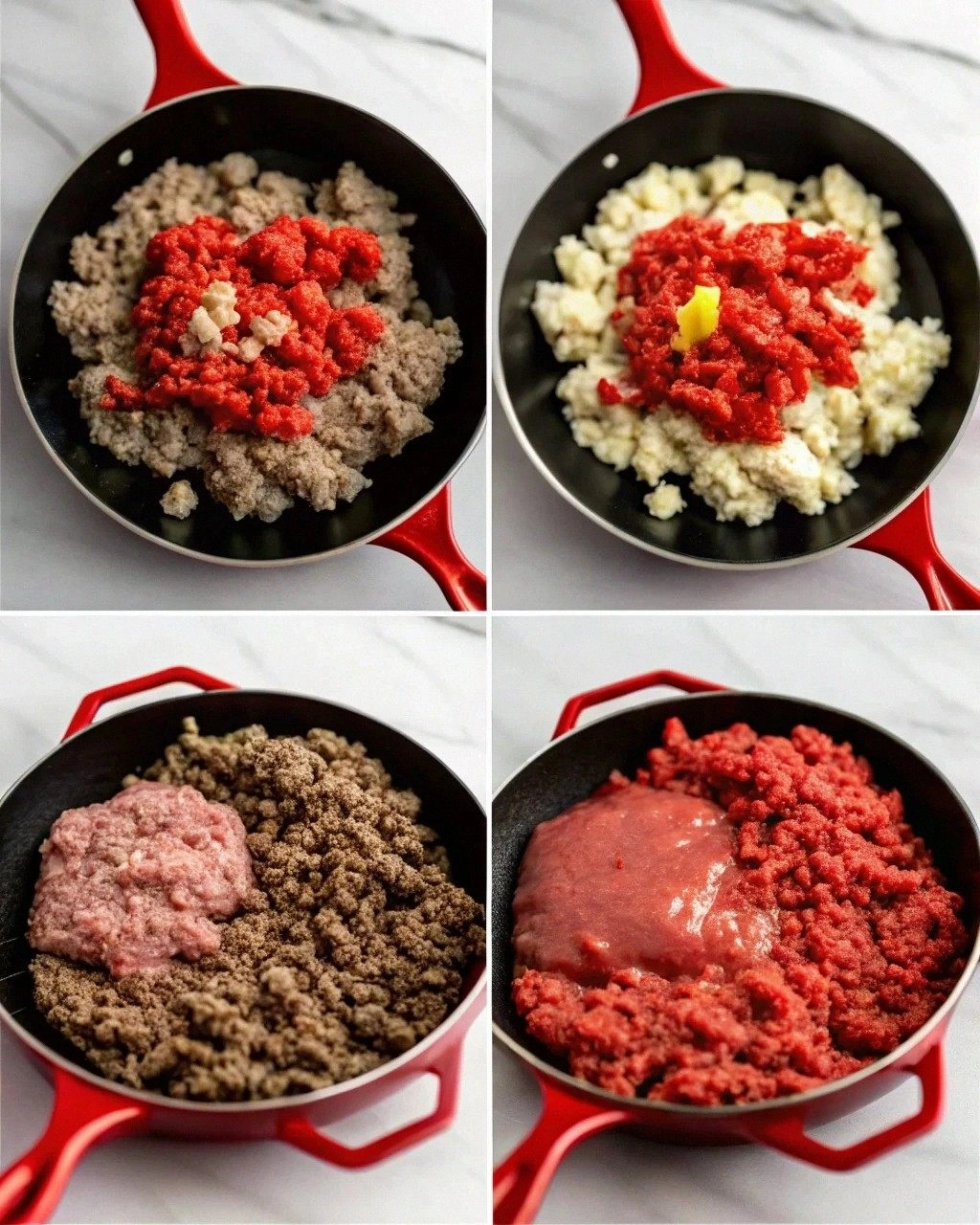
- Start by bringing a large pot of salted water to a rolling boil — and I mean aggressively salted, like the sea got angry. While you're waiting, take your ground beef out of the fridge. Cold beef hitting a hot pan is like jumping into a cold pool — it seizes up and never browns properly. You want it at room temperature so it can develop those gorgeous caramelized edges that'll make your sauce taste like it was kissed by fire. Pat the beef dry with paper towels because moisture is the enemy of browning, and we're not here to steam our beef like sad cafeteria food.
- Heat your largest skillet over medium-high heat for exactly two minutes — set a timer because impatient cooks are the reason most beef dishes taste gray and lifeless. Add the butter and watch it like a hawk. First it'll foam, then the foam will subside, and finally you'll see little brown specks forming. That's your signal that you've reached beurre noisette territory. Toss in your minced garlic and let it sizzle for just thirty seconds — any longer and it turns bitter faster than your ex's new relationship.
- Now comes the moment of truth: add your ground beef but resist every urge to break it up immediately. Let it sit undisturbed for a full two minutes. I know it's hard — you'll want to fuss with it, but trust the process. Those crispy edges we're after need uninterrupted contact with the hot pan. After two minutes, flip sections over and break it into bite-sized pieces, but don't go crazy making it uniform. Some bigger chunks add textural interest and make every bite feel like a treasure hunt.
- While your beef is developing its beautiful crust, your pasta water should be at a rolling boil. Salt it until it tastes like the ocean — seriously, dip a spoon in and taste it. If you think it's too salty, add more salt. Most of that salt stays in the water, not the pasta, and under-salted pasta water is the silent killer of good pasta dishes. Add your rotini and set a timer for one minute less than the package suggests for al dente. The pasta will finish cooking in the sauce, absorbing all those meaty flavors like tiny edible sponges.
- Back to your beef: once it's browned and gorgeous, sprinkle in your seasonings. Here's where most recipes go wrong — they add everything at once and wonder why it tastes flat. We're building layers. Add the salt, pepper, and Italian seasoning, but save the nutmeg for later. Let those spices toast in the beef fat for about a minute until your kitchen smells like an Italian grandmother's been cooking all day. The heat activates the essential oils in the dried herbs, releasing flavors that would otherwise stay locked away like shy party guests.
- Scoop out one cup of that starchy pasta water before you drain the pasta — it's liquid gold that'll transform your sauce from ordinary to restaurant-worthy. The starch in the water helps emulsify the sauce, creating that silky texture that coats every noodle. Drain the pasta but don't rinse it — rinsing washes away the starch we need and leaves you with slippery noodles that refuse to grab onto sauce like a toddler refusing vegetables.
- Reduce your heat to medium and add the heavy cream to the beef. It'll bubble and steam like a tiny dairy volcano — that's exactly what we want. Add half your grated Parmesan and stir like your life depends on it. The cheese will melt and create a sauce that's creamy but not heavy. Now add your pasta water, a quarter cup at a time, until you reach the consistency of melted ice cream. Too thick and it'll feel like eating cheese dip, too thin and it won't cling to the pasta.
- Add the drained rotini to the sauce and toss everything together like you're conducting a delicious symphony. Add the remaining Parmesan and watch it melt into strings of cheesy perfection. This is where the magic happens — the pasta finishes cooking in the sauce, absorbing all those meaty, garlicky flavors while releasing starch that thickens everything to the perfect consistency. If it looks too thick, add more pasta water. Too thin? Let it simmer for a minute to reduce.
- Off the heat, add your final clove of raw minced garlic and the nutmeg. This fresh garlic hit wakes up the entire dish, adding a bright, sharp note that makes the cooked garlic taste even sweeter by comparison. The nutmeg should be subtle — if you can identify it clearly, you've added too much. It should enhance the other flavors like a good supporting actor, never stealing the show. Toss in most of your chopped parsley, saving some for the final garnish.
- Plate it up in warm bowls (cold bowls steal heat faster than a pickpocket in Rome) and garnish with the remaining parsley and extra Parmesan. The cheese should melt slightly from the heat, creating little rivers of golden deliciousness. Serve immediately with crusty bread to mop up every last drop of sauce — trust me, you'll want to savor every bit of this liquid gold. And there you have it: beef and rotini that'll make you forget every other pasta dish ever existed.
That's it — you did it. But hold on, I've got a few more tricks that'll take this to another level...
Insider Tricks for Flawless Results
The Temperature Rule Nobody Follows
Here is the game-changing secret that separates restaurant-quality from home-cooking: temperature control. Your beef should hit the pan at room temperature, but your cheese should hit the sauce at the perfect moment — when it's hot enough to melt but cool enough not to break. If your sauce is bubbling like a jacuzzi, your Parmesan will seize into grainy clumps that feel like sand between your teeth. Wait until it's just hot enough that you can hold your finger in it for three seconds without screaming. That's the sweet spot where cheese transforms into silk instead of cottage cheese.
I learned this the hard way after serving what looked like curdled cream sauce to my in-laws. The taste was there, but the texture resembled something you'd find in a baby's diaper. Now I keep a thermometer handy — 160°F is perfect for adding cheese. Any hotter and you're playing Russian roulette with texture.
Why Your Nose Knows Best
Your nose is the most underutilized tool in your kitchen arsenal. When the garlic hits the butter, it should smell like you've walked into an Italian grandmother's kitchen — warm, inviting, and making your stomach growl like a bear waking from hibernation. If it smells sharp or acrid, you've gone too far and your sauce will taste bitter. The moment it smells like you want to bottle the aroma and wear it as perfume, that's when you add the beef.
The same goes for the beef browning. When it's ready to flip, your kitchen should smell like the best burger joint in town, not like something's burning. Trust your nose over the clock — every stove heats differently, every pan conducts heat at its own pace. Your nose doesn't lie, but recipes can be filthy liars when it comes to exact timing.
The 5-Minute Rest That Changes Everything
After you turn off the heat, walk away. Set a timer for five minutes and do anything else — check Instagram, pour yourself a glass of wine, practice your acceptance speech for when you win "Best Home Cook." During this rest, the sauce thickens, the pasta absorbs the perfect amount of liquid, and the flavors stop competing and start harmonizing like a well-trained choir. Skip this step and you've got good pasta. Embrace it and you've got pasta that'll make you question every restaurant meal you've ever paid for.
A friend once texted me in a panic: "It's too soupy! What did I do wrong?" I asked if she'd let it rest. She hadn't. Ten minutes later, another text: "Holy crap, it's perfect now." The resting time allows the starch in the pasta to work its thickening magic, turning what looks like a sauce disaster into velvet perfection.
The Cheese Grating Game-Changer
Invest in a microplane if you don't have one — it's the difference between cheese that melts smoothly and cheese that sits in your sauce like grated plastic. The ultra-fine shavings dissolve instantly, creating that seamless texture that makes restaurant sauces so addictive. Plus, you'll use less cheese for more flavor impact, which means this indulgent dish is practically a health food (don't check my math on that one).
Grate your cheese directly over the pot, letting it snow down like delicious dairy confetti. The motion itself makes you feel like a proper chef, and the aroma that wafts up as it hits the hot sauce will make you understand why people become obsessed with cooking. It's aromatherapy, but useful.
The Pasta Water Timing Trick
Here's what separates the pros from the "I followed the recipe exactly" crowd: save your pasta water, but don't dump it all in at once. Add it gradually, like you're negotiating with your sauce. The sauce should coat the back of a spoon but still flow like lava. Too thick? More water. Too thin? Let it reduce for thirty seconds. You're looking for the consistency of melted gelato — fluid but with body, coating but not drowning.
Keep a cup of pasta water on standby even after you've plated. Sometimes the sauce thickens as it cools, and a tablespoon of this starchy miracle water brings it right back to life. It's like a reset button for your sauce, ensuring every bite from first to last is as perfect as the one before.
Creative Twists and Variations
This recipe is a playground. Here are some of my favorite ways to switch things up:
The Spicy Rebel
Add a teaspoon of red pepper flakes with the garlic, and swap half the Parmesan for Pecorino Romano. The sheep's milk cheese adds a sharper, saltier bite that plays beautifully with the heat. Finish with a drizzle of chili oil that makes your lips tingle in the most addictive way. This version has converted more "I don't like spicy food" people than I can count — it's got heat, but it's balanced by the creamy sauce so you're reaching for water, not running for the hills.
The Green Goddess
Stir in two cups of baby spinach during the last minute of cooking. The residual heat wilts it perfectly without turning it into that sad, overcooked green slime. Add a handful of fresh basil along with the parsley, and suddenly you've got a dish that tastes like summer in a bowl. The spinach adds nutrients that let you pretend this is healthy while you're inhaling cheese and pasta like there's no tomorrow.
The Mushroom Lover's Dream
Sauté eight ounces of sliced cremini mushrooms in the butter before adding the beef. They'll release their liquid, concentrate their flavor, and create an umami bomb that makes the beef taste even beefier. The mushrooms add a meaty texture that stretches the beef further while making the whole dish taste more luxurious. Even mushroom-haters have been known to convert after trying this version.
The Surf and Turf Show-Off
Add a cup of cooked shrimp during the final two minutes of cooking. The sweet seafood plays gorgeously against the savory beef and cheese, creating a restaurant-quality dish that'll make you feel like you're dining somewhere with white tablecloths. Use large shrimp (26-30 count) so they don't disappear into the sauce. The key is adding them at the very end so they stay tender and sweet instead of rubbery and sad.
The Breakfast-for-Dinner Champion
Top each serving with a perfectly fried egg, letting the yolk break and create its own sauce. The richness of the egg yolk adds another layer of luxury that makes this feel like the most indulgent comfort food ever created. Add some crispy bacon crumbles along with the egg if you're feeling particularly rebellious. It's breakfast, it's dinner, it's everything you never knew you needed at 7 PM on a Tuesday.
The Veggie-Packed Parent Trap
Grate one zucchini and one carrot directly into the sauce during the last five minutes. The vegetables disappear into the sauce (perfect for picky eaters) while adding nutrients and stretching the dish to feed more people. The grated vegetables also add natural sweetness that balances the richness of the sauce. Kids who claim they hate vegetables have been known to ask for seconds of this version, none the wiser about the veggie invasion.
Storing and Bringing It Back to Life
Fridge Storage
Cool completely before storing — hot pasta in a sealed container creates a steam bath that turns your perfect sauce into a broken, oily mess. Portion into airtight containers and refrigerate for up to four days. The flavors actually intensify overnight, making leftovers something to celebrate rather than suffer through. Store in shallow containers so it cools quickly and evenly, preventing that weird condensation that waters down your sauce.
Pro tip: save some pasta water in a separate container. When you're ready to reheat, you'll have the magic ingredient that brings everything back to life. The sauce will thicken in the fridge, and that starchy water is the key to restoring its silky glory without turning it into soup.
Freezer Friendly
This dish freezes beautifully for up to three months, but here's the key: undercook the pasta slightly if you plan to freeze it. The freezing and thawing process softens pasta, so starting with firmer pasta means it won't turn to mush. Freeze in individual portions using freezer bags — squeeze out all the air and lay flat for space-efficient storage. Thaw overnight in the fridge rather than using the microwave defrost setting, which can create hot spots that break your sauce.
When freezing, hold back a bit of the cheese and add it fresh when reheating. This gives you that just-made flavor that frozen pasta often loses. Label everything with the date — future you will thank present you when you're digging through the freezer at midnight, hunting for comfort food.
Best Reheating Method
Skip the microwave unless you're desperate — it heats unevenly and can turn your sauce into an oil slick faster than you can say "delivery pizza." Instead, reheat gently in a skillet over medium-low heat with a splash of reserved pasta water. Stir constantly and add water gradually until you reach the perfect consistency. It should take about five minutes and taste almost as good as fresh.
If you must use the microwave, add a tablespoon of water, cover loosely, and heat at 70% power in 30-second bursts, stirring between each burst. It's more work, but it's the difference between leftovers that taste like leftovers and leftovers that taste like you just made fresh pasta. Your future self, standing at the fridge at midnight, will appreciate the extra effort.