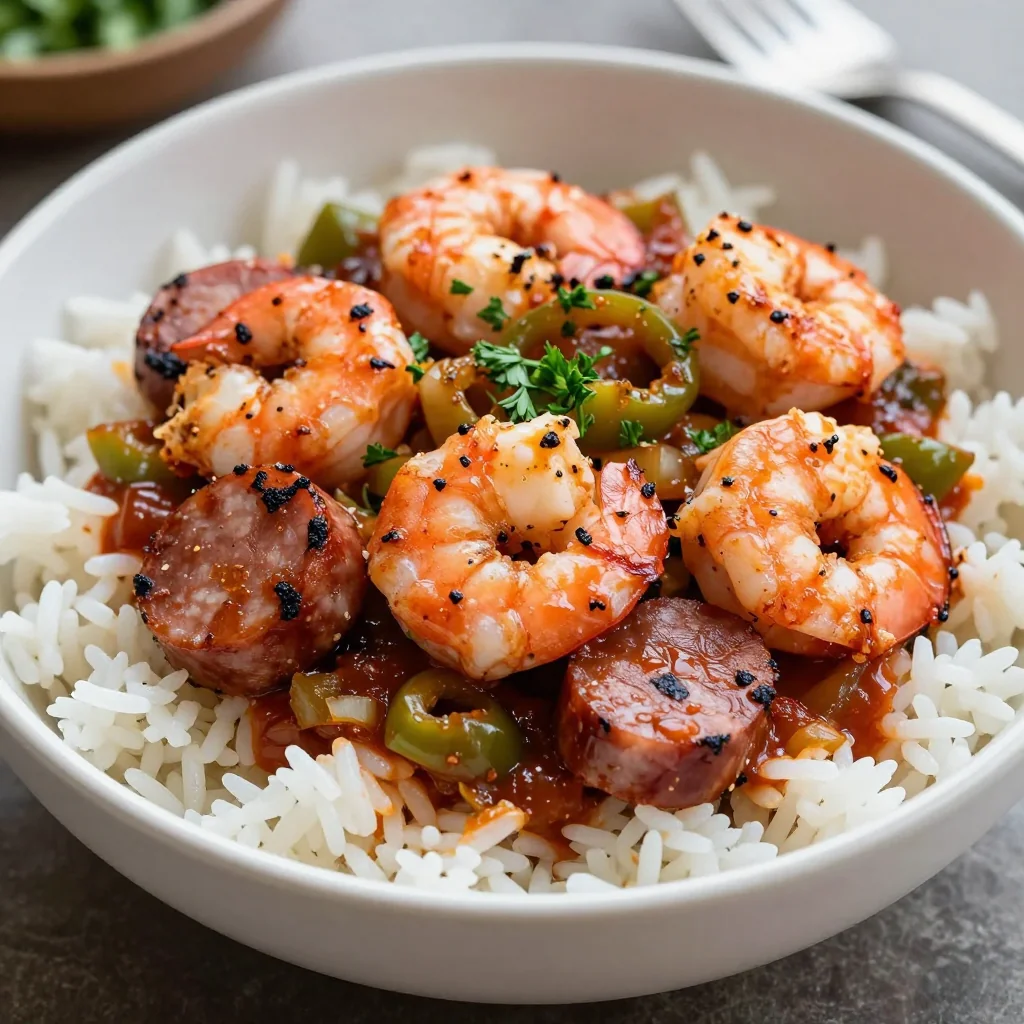
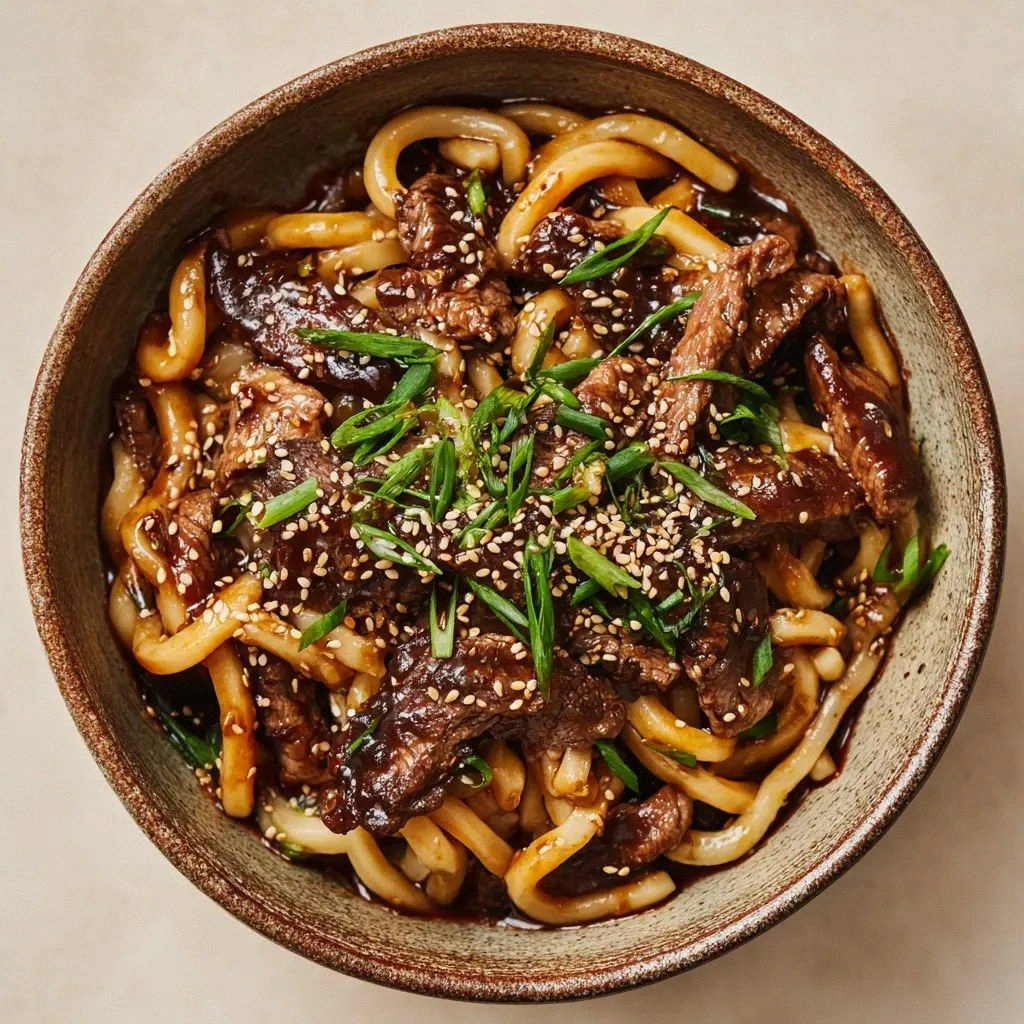
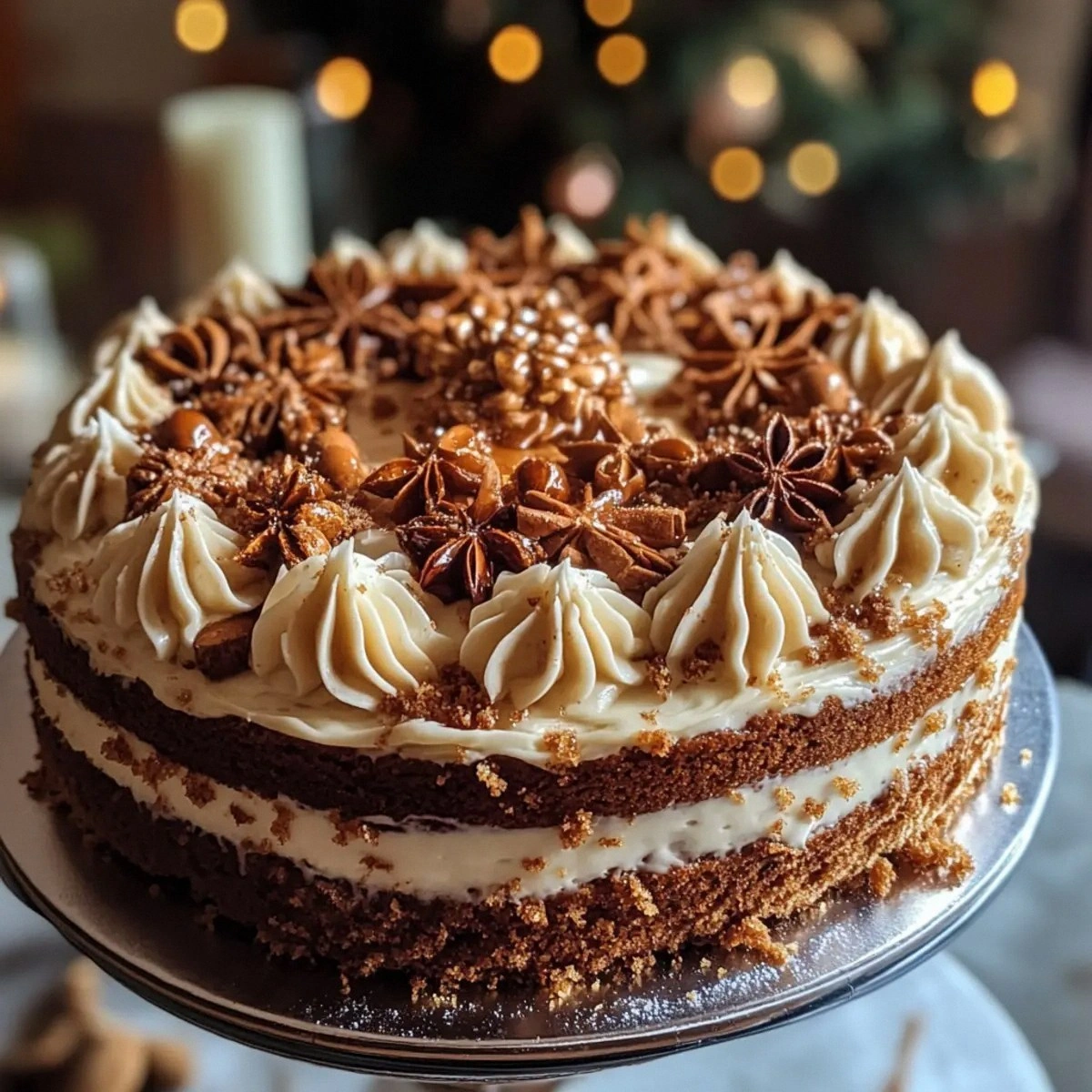
Picture this: you’re in the middle of a hectic week, the fridge is a barren wasteland, and you’ve got a craving that screams for something bold, sweet, and utterly addictive. You remember a friend’s rave review of bacon‑wrapped chicken that left her taste buds dancing, and you decide tonight’s dinner will be that exact thing. I’ve spent the last year tweaking the recipe, playing with spice ratios, and experimenting with different cuts of chicken until I finally landed on the version that makes every bite a little moment of culinary bliss. This isn’t just another take‑out copy‑cat; it’s a kitchen masterpiece that turns a humble chicken tender into a caramelized, smoky, and mouth‑watering star of the plate. The moment the first tenders hit the pan, the sizzle is like a tiny fireworks display, and the scent of bacon and brown sugar fills the room, making every passerby pause and stare.
I dare you to taste this and not go back for seconds. The coating clings to the tender, creating a crunchy shell that cracks like brittle ice when you bite, while the inside stays moist and tender, a contrast that makes each mouthful a delightful paradox. The sweet caramel glaze glistens like amber honey, and the subtle heat from a pinch of cayenne pepper wakes up the palate, preventing the dish from feeling one‑dimensional. It’s the kind of dish that makes you forget you ever bought those pre‑seasoned chicken tenders at the grocery store. My kitchen has turned into a laboratory, and the results have been nothing short of explosive.
What sets this version apart is that it’s built around a simple yet powerful flavor foundation: a sugar‑spice rub that caramelizes into a glossy glaze, bacon that adds savory fat and a smoky char, and a touch of heat that keeps the dish from feeling flat. The key is the balance—sweetness, spice, and smokiness work in harmony, and the technique ensures the bacon remains crisp while the chicken stays juicy. I’ve learned that the trick is not to overcook the chicken; instead, let the bacon do most of the work while the sugar takes care of the caramelization. The result is a dish that’s easy to prepare yet delivers a flavor punch that feels like a culinary triumph.
I’ll be honest—I ate half the batch before anyone else got to try it. That’s because the first bite is a revelation: the bacon’s salty crunch pairs perfectly with the sweet glaze, and the tender chicken is so juicy it practically melts in your mouth. If you’ve ever struggled with chicken tenders that come out dry or bacon that turns soggy, you’re not alone—and I’ve got the fix. Most recipes get this completely wrong, focusing on either the bacon or the seasoning, but not both. The real magic happens when you let the sugar caramelize while the bacon crisps, creating a coating that’s both sweet and savory.
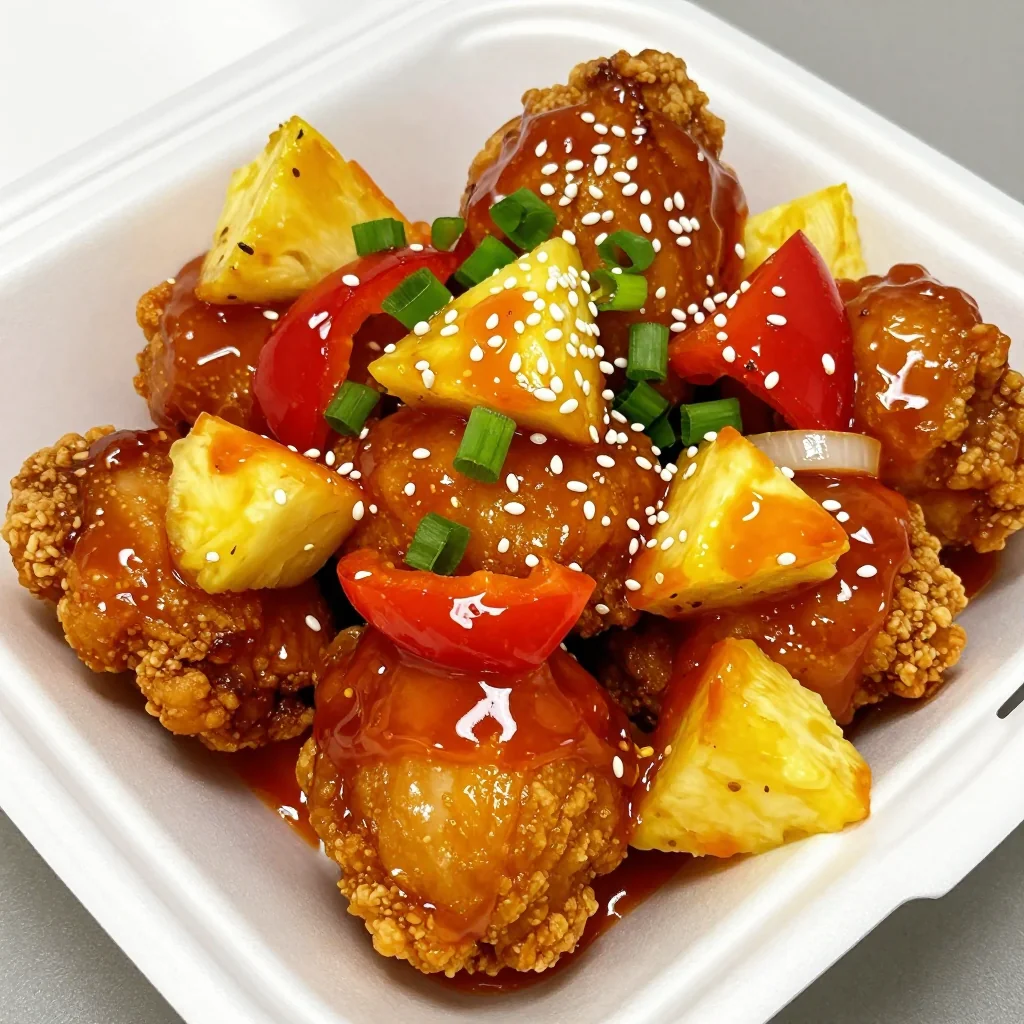
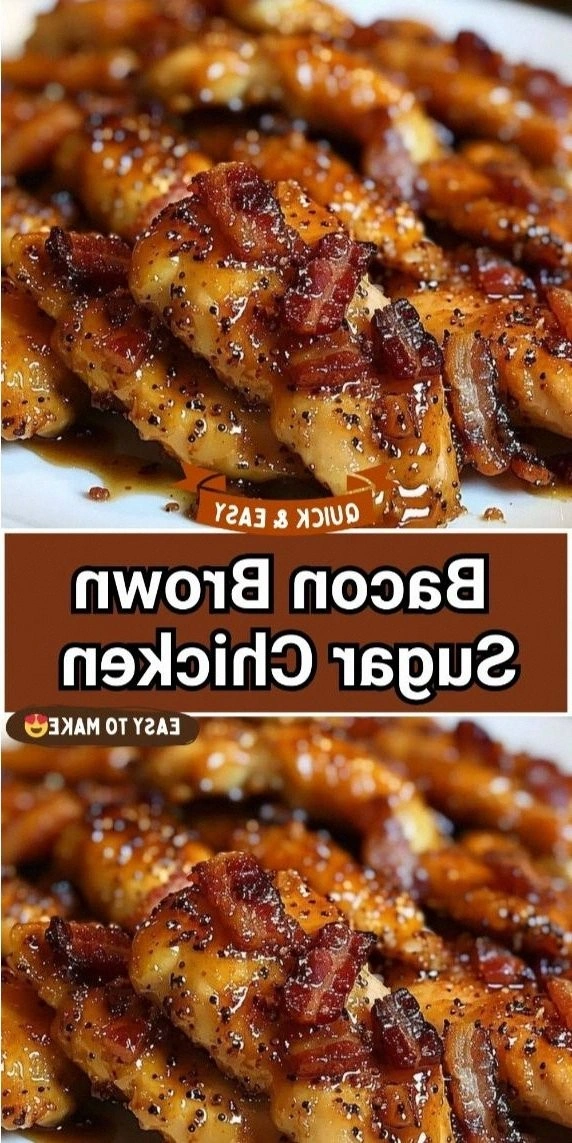
Picture yourself pulling this out of the oven, the whole kitchen smelling incredible, and the family or friends rushing in, eyes wide, mouths watering. The sizzle is audible even from the living room, a subtle reminder that something delicious is cooking. The caramelized crust is so glossy it almost looks like a glossy lacquer, and the bacon’s crisp edges crackle under your knife. The first bite is a perfect harmony of textures and flavors, and you’ll find yourself reaching for more before the plate is even empty. That’s the power of a well‑executed recipe—turning simple ingredients into an unforgettable experience.
Let me walk you through every single step—by the end, you’ll wonder how you ever made it any other way. This recipe is hands down the best version you’ll ever make at home, and it’s so easy that even a beginner can master it. I’ll share my personal hacks, the exact timing you need, and the subtle touches that elevate the dish from good to legendary. The next few sections will give you everything you need to recreate this culinary masterpiece in your own kitchen, and trust me, it’s going to become a staple in your meal rotation.
I’ve spent countless hours experimenting with different spice blends, bacon types, and cooking methods. The result? A dish that’s so versatile, you can serve it as an appetizer, a main course, or even a party snack. The sweet, smoky, and slightly spicy profile makes it a crowd-pleaser, and the bacon adds that irresistible crunch that keeps people coming back for more. If you’re a fan of bold flavors and crave a dish that satisfies both sweet and savory cravings, this is the recipe for you. Stay tuned, because the next section will break down exactly what makes this masterpiece so special.
Alright, let’s break down exactly what goes into this masterpiece. We’ll start with the flavor foundation, then move on to the texture crew, the unexpected star, and finally the finishing flourish that ties everything together. Each ingredient has a specific role, and together they create a symphony of taste that will have your taste buds dancing. Let’s dive in.
What Makes This Version Stand Out
- Flavor Depth: The sugar and spice rub creates a caramelized crust that balances sweet, smoky, and spicy notes, turning each bite into a flavor explosion.
- Crisp Texture: Bacon wraps the tenders, providing a crunch that snaps like brittle ice when you bite, while the chicken stays moist inside.
- Easy Prep: All you need is a handful of pantry staples and a few minutes of prep—no fancy equipment or advanced techniques.
- Versatile Appeal: Works as a dinner main, a party appetizer, or a quick weeknight meal, making it a staple for any occasion.
- Make‑Ahead Friendly: The dish can be assembled ahead of time and baked just before serving, saving you kitchen time.
- High‑Impact Presentation: The glossy glaze and caramelized edges create an eye‑catching dish that looks as good as it tastes.
- Balanced Sweetness: The brown sugar caramelizes into a sweet glaze without overpowering the savory bacon.
- Heat Control: A pinch of cayenne pepper adds just enough heat to elevate the flavor profile without being overwhelming.
Alright, let’s break down exactly what goes into this masterpiece... But first, here’s a quick kitchen hack to streamline the process.
Inside the Ingredient List
The Flavor Base
The heart of this dish is the sugar‑spice rub, which marries the sweetness of brown sugar with the depth of paprika, garlic powder, and black pepper. The brown sugar isn’t just for sweetness; it caramelizes beautifully, forming a glossy glaze that clings to the chicken. Paprika adds a subtle smokiness that complements the bacon’s flavor, while garlic powder provides an aromatic undertone that enhances every bite. Black pepper brings a mild heat and a touch of earthiness, creating a balanced seasoning profile that doesn’t overpower the other flavors.
The Texture Crew
Bacon is the star of the texture crew, wrapping each tender to lock in moisture and add a savory crunch. Thick‑cut bacon is preferred because it renders fat slowly, ensuring a crisp exterior while keeping the chicken juicy inside. The bacon’s salty profile counterbalances the sweetness of the sugar rub, creating a harmonious flavor contrast. If you prefer a less salty option, try using turkey bacon or a lower‑sodium variety, but be aware that the overall flavor balance will shift slightly.
The Unexpected Star
A pinch of cayenne pepper may seem like an odd addition, but it injects a subtle heat that awakens the palate and prevents the dish from feeling flat. The heat is subtle enough to let the sweet and smoky flavors shine but strong enough to add depth. If you’re heat‑averse, you can skip the cayenne entirely, but the dish will lose a layer of complexity. Alternatively, a dash of smoked paprika can replace the cayenne for a different kind of heat.
The Final Flourish
To finish the dish, a quick glaze of honey and soy sauce is brushed over the tenders in the last few minutes of baking. This glaze adds a subtle umami bite and a glossy sheen that enhances the dish’s visual appeal. The honey’s natural sweetness balances the soy sauce’s saltiness, creating a well‑rounded finish that ties all the flavors together. If you’re looking for a vegan option, you can substitute maple syrup for honey and use tamari instead of soy sauce.
Everything’s prepped? Good. Let’s get into the real action.
The Method — Step by Step
- Preheat your oven to 400°F (200°C). Line a baking sheet with parchment paper or a silicone mat to prevent sticking. Let the oven heat up while you prep the chicken, ensuring it’s hot enough to sear immediately. This step guarantees a quick sear that locks in juices and starts the caramelization process right away.
- Pat the chicken tenders dry with paper towels. Removing excess moisture is crucial because it allows the bacon and sugar rub to adhere properly. A dry surface creates a crispier crust, while a wet surface can cause the coating to slide off. The result is a perfectly crisp exterior that still keeps the interior juicy.
- Combine the brown sugar, paprika, garlic powder, black pepper, and cayenne pepper in a shallow dish. Stir until the spices are evenly distributed. This mixture is the sweet‑smoky backbone of the dish, and a well‑mixed rub ensures consistent flavor in every bite. The sugar will caramelize into a glossy glaze, while the spices create a depth that’s hard to beat.
- Toss the chicken tenders in the spice mix until each piece is fully coated. Use your hands for even coverage; the coating should clump slightly around each tender. This ensures every bite has that sweet, smoky flavor. The sugar will caramelize into a glossy glaze, turning the chicken into a showstopper.
- Wrap each tender with a slice of bacon, securing with a toothpick if desired. The bacon adds savory fat and a smoky char while keeping the chicken moist during baking. It also provides a crispy exterior that contrasts beautifully with the tender interior. If you prefer a lighter version, use turkey bacon, but the flavor profile will shift slightly.
- Arrange the bacon‑wrapped tenders on the prepared baking sheet in a single layer. Leave space between each piece so heat can circulate. This prevents steaming and promotes crispness. The result is a beautifully caramelized crust that’s both sweet and savory.
- Bake for 20-25 minutes, flipping halfway through. The bacon should be crisp, and the chicken cooked through. The sugar will caramelize into a glossy glaze. The timing ensures the chicken stays juicy while the bacon crisps perfectly.
- While baking, prepare a quick glaze by simmering 2 tablespoons of honey and 1 tablespoon of soy sauce in a small saucepan until slightly thickened. This glaze adds depth and a subtle umami bite. The honey’s natural sweetness balances the soy sauce’s saltiness, creating a well‑rounded finish that ties all the flavors together. Brush it over the tenders in the last 5 minutes of cooking.
- Remove from oven, let rest 5 minutes, then serve immediately. The rest allows juices to redistribute, ensuring every bite is tender and flavorful. The glaze will set into a sticky coating that clings to the bacon. The result is a caramelized, bacon‑wrapped chicken that’s impossible to resist.
That’s it — you did it. But hold on, I’ve got a few more tricks that will take this to another level. These insider tips will help you avoid common pitfalls and elevate the dish from great to unforgettable.
Insider Tricks for Flawless Results
The Temperature Rule Nobody Follows
Many cooks think that any oven temperature will do, but the secret lies in a consistent 400°F (200°C). If your oven runs hot, the sugar can burn before the chicken is cooked through. Conversely, a cooler oven can leave the chicken dry. Use an oven thermometer to confirm the temperature, and if you’re using a convection setting, reduce the heat by 25°F (14°C) to avoid over‑browning.
Why Your Nose Knows Best
The aroma is your best indicator of doneness. When the sugar caramelizes, it releases a sweet, toasty scent that signals the glaze is set. If you notice a burnt smell, pull the dish out immediately to prevent bitterness. A fresh, buttery aroma from the bacon indicates crispness, while a sour or off smell means the chicken isn’t ready.
The 5-Minute Rest That Changes Everything
Letting the tenders rest for five minutes after baking allows the juices to redistribute, preventing the chicken from drying out. During this brief pause, the glaze continues to set, creating a glossy, sticky coating that’s both flavorful and visually appealing. Skipping this step often results in a less cohesive dish.
Use a Wire Rack for Extra Crunch
Placing the tenders on a wire rack over the baking sheet lets heat circulate around the bacon, producing an extra crisp exterior. This simple trick also prevents the bottom of the bacon from becoming soggy, ensuring a uniform texture throughout.
Brush, Don’t Pour
When applying the glaze, use a small brush rather than pouring. A brush gives you better control over the glaze’s thickness and prevents the sugar from running off the tender. This technique keeps the glaze evenly distributed and enhances the caramelized appearance.
Creative Twists and Variations
Spicy Sriracha Kick
Swap the cayenne pepper for a tablespoon of sriracha sauce to give the dish a fiery kick. The sriracha adds a creamy heat that complements the sweet glaze, making it a perfect match for spicy food lovers. Serve with a cooling cucumber salad to balance the heat.
Maple‑Mustard Glaze
Replace the honey‑soy glaze with a blend of maple syrup and Dijon mustard. The maple adds a deep sweetness while the mustard introduces a tangy bite that cuts through the richness. This variation works well with roasted vegetables for a balanced meal.
Herb‑Infused Bacon
Infuse the bacon with fresh rosemary or thyme before wrapping. The herbs seep into the bacon, adding aromatic complexity that elevates the dish. This is an excellent option for a Mediterranean‑inspired dinner.
Chicken Parmesan Twist
After baking, top each tender with marinara sauce and a sprinkle of mozzarella before broiling for 2 minutes. The cheese melts into a gooey coating, and the marinara adds a tomatoaceous depth. Serve over spaghetti for a classic Italian take.
Asian Fusion
Add a splash of rice vinegar to the glaze and sprinkle toasted sesame seeds on top before serving. The vinegar cuts through the sweetness, while the sesame seeds add a nutty crunch. Pair with steamed rice and sautéed greens for a complete Asian‑inspired meal.
Low‑Carb Version
Omit the brown sugar and instead use a sugar substitute like erythritol or stevia. The glaze will still caramelize, but the dish will be lower in carbs. This version is ideal for those following a keto or low‑carb diet.
Storing and Bringing It Back to Life
Fridge Storage
Store leftover tenders in an airtight container in the refrigerator for up to 3 days. Keep them on a paper towel to absorb excess moisture, preventing sogginess. Reheat in a 350°F oven for 10 minutes or until warmed through.
Freezer Friendly
For longer storage, wrap each tender individually in parchment paper and place them in a freezer bag. Freeze for up to 2 months. When ready to eat, thaw overnight in the refrigerator and reheat in the oven as described above.
Best Reheating Method
The best way to reheat is in a preheated oven at 350°F (175°C) for 10 minutes, which preserves the crisp bacon and restores the glaze’s shine. If you’re short on time, use a microwave on low power for 30 seconds, then finish in a skillet to crisp the bacon. Adding a splash of water before reheating helps steam the chicken back to juiciness.