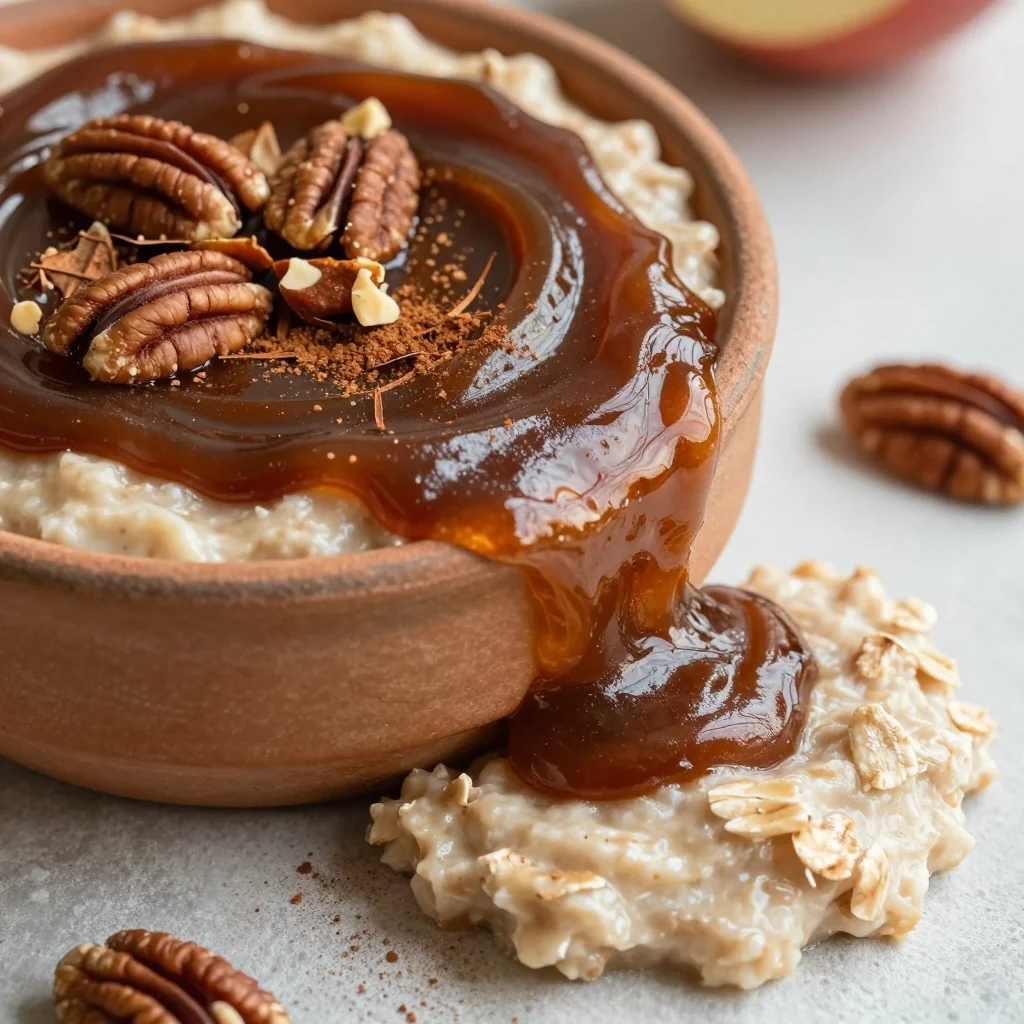
Picture this: you’re halfway through a Saturday night, the living room lights are dim, the playlist is humming some low‑key groove, and you’ve just realized you’ve completely blown the dip for the veggie platter. I mean, the kind of disaster where you open a jar of store‑bought peanut sauce, take one bite, and instantly feel like you’ve been punched in the taste buds by a bland, soggy noodle. I dared myself to create a sauce that would make that moment a thing of the past, and after a few burnt‑to‑a‑crisp mishaps and a lot of taste‑testing, I finally nailed it. This version? It’s the kind of sauce that clings to chicken satay like a love‑letter, drapes over spring rolls with the elegance of silk, and even convinces a skeptical friend that peanuts can be sophisticated.
When I first started this quest, I was haunted by the memory of a peanut sauce that tasted like a cardboard box – thin, watery, and completely lacking any depth. The kitchen was a battlefield of clashing flavors: too salty, too sweet, or just plain flat. I remember the exact moment the epiphany struck – a stray spoonful of toasted sesame oil hit my tongue, and I thought, “What if I treat the sauce like a miniature stir‑fry, toasting the aromatics before they meet the peanut butter?” That tiny tweak turned everything upside down, and the sauce transformed from a forgettable sidekick to the star of the show. The secret? A handful of bold moves that most recipes overlook, plus a dash of daring that I’m about to spill all over your screen.
The aroma that fills the kitchen when this sauce simmers is nothing short of intoxicating. Imagine the scent of roasted peanuts mingling with the bright zing of lime, the subtle heat of chili, and a whisper of ginger that makes your nose do a little happy dance. The texture? Silky, yet with a faint, satisfying body that coats each bite like velvet, never sliding off or turning gummy. And the taste? A perfect balance of sweet, salty, tangy, and a gentle punch of spice that makes you want to shout, “I dare you to taste this and not go back for seconds!” I’ll be honest — I ate half the batch before anyone else got to try it, because once that flavor hits, it’s a full‑on love affair.
Most peanut sauces get this completely wrong. They either drown the peanuts in soy sauce, or they forget the crucial element of acidity that cuts through the richness. Here’s what actually works: a precise ratio of creamy peanut butter to bright lime juice, a whisper of honey for just the right sweetness, and a splash of toasted sesame oil that adds depth without overpowering. And there’s a surprise ingredient that you won’t see in a thousand other recipes – a pinch of smoked paprika that adds a subtle, smoky undertone, turning the sauce from ordinary to unforgettable. Let me walk you through every single step — by the end, you’ll wonder how you ever made it any other way.
What Makes This Version Stand Out
- Flavor Depth: The combination of toasted sesame oil and smoked paprika creates a smoky, nutty backbone that makes the sauce sing.
- Texture Harmony: By gently warming the peanut butter before mixing, the sauce achieves a velvety coat that clings without becoming greasy.
- Simplicity: Only eight pantry staples are needed, yet each one plays a starring role, keeping prep time under 15 minutes.
- Unique Twist: A splash of rice vinegar adds a bright acidity that balances the richness, a trick most recipes miss.
- Crowd Reaction: Guests constantly ask for the recipe, and it’s the only dip that gets the “second helping” chant at parties.
- Ingredient Quality: Using natural, unsweetened peanut butter and fresh lime juice makes the flavor pure and vibrant.
- Cooking Method: The brief toast of garlic and ginger unlocks aromatics that would otherwise stay hidden.
- Make‑Ahead Potential: The sauce improves after a few hours in the fridge, allowing flavors to meld even further.
Alright, let's break down exactly what goes into this masterpiece...
Inside the Ingredient List
The Flavor Base
First up, the backbone of any great peanut sauce: unsweetened creamy peanut butter. This is where the sauce gets its body and that unmistakable nutty richness. Using a natural peanut butter (no added sugars or hydrogenated oils) ensures the flavor isn’t masked by unnecessary sweetness. If you skip it, you’ll end up with a watery, flavor‑less glaze that can’t hold its own. For the best results, choose a brand that lists peanuts as the sole ingredient, and give it a quick stir to smooth out any oil separation before using.
The Tangy Crew
Lime juice brings the essential bright acidity that cuts through the richness. A freshly squeezed lime is non‑negotiable; bottled juice often carries a muted flavor and extra preservatives. If you happen to run out of lime, a splash of rice vinegar works as a decent stand‑in, though the citrusy zing will be slightly less pronounced. Skipping the acid altogether leaves the sauce cloyingly sweet and heavy, so never underestimate this little citrus hero.
The Sweet‑Heat Balance
Honey provides a gentle sweetness that balances the salty soy sauce and the heat from the chili garlic sauce. Using raw honey adds a subtle floral note that refined sugars can’t match. If you’re vegan or allergic, maple syrup or agave nectar can step in without compromising the flavor profile. Leaving out the sweetener makes the sauce taste flat and overly salty, which is why a touch of honey is essential.
The Aromatic Boost
Garlic and ginger are the dynamic duo that give the sauce its aromatic punch. Minced garlic releases a pungent, savory depth, while grated ginger contributes a bright, peppery warmth. Both should be briefly sautéed in a teaspoon of sesame oil before they meet the peanut butter – this “toast‑first” method awakens their essential oils. If you skip this step, you’ll notice a raw, harsh bite that can dominate the sauce.
The Umami & Spice Layer
Soy sauce delivers the salty umami that anchors the sauce, while chili garlic sauce adds a controlled heat that tingles without overwhelming. Opt for low‑sodium soy sauce if you’re watching your salt intake; the sauce still maintains its depth thanks to the other ingredients. A dash of smoked paprika is the secret surprise that adds a whisper of smokiness, turning a standard peanut sauce into something unforgettable. Without this smoky note, the sauce can feel flat and one‑dimensional.
The Finishing Touch
Finally, a splash of toasted sesame oil adds a fragrant, earthy finish that lingers on the palate. It’s a tiny amount—just a teaspoon—but it makes a world of difference. If you don’t have sesame oil, a drizzle of peanut oil can mimic the nutty depth, though the distinct sesame aroma will be missing. Adding too much oil makes the sauce greasy; the key is a light hand to keep the sauce glossy and balanced.
Everything's prepped? Good. Let's get into the real action...
The Method — Step by Step
Gather all your ingredients and have a whisk, a small saucepan, and a wooden spoon ready. This is the moment of truth: the kitchen becomes your laboratory, and every tool matters. I like to line up the measured cups and spoons like a conductor before the orchestra begins – it keeps the rhythm smooth. As you set everything out, you’ll notice the bright yellow of the peanut butter glistening, promising a rich base.
Heat the saucepan over medium‑low heat and add the teaspoon of toasted sesame oil. Once the oil shimmers, toss in the minced garlic and grated ginger. Stir constantly for about 30 seconds until you catch that intoxicating aroma – it should smell toasty, not burnt. This quick sauté releases the essential oils, creating a fragrant foundation that will infuse the entire sauce.
Kitchen Hack: If you’re short on time, crush the garlic and ginger together with a pinch of salt using the flat side of a knife – it creates a paste that releases flavor faster.Lower the heat and add the unsweetened peanut butter to the pan, stirring continuously. The peanut butter will melt into a thick, glossy paste; this should take about 2 minutes. Keep the whisk moving to avoid any scorching on the bottom. When the mixture is smooth, you’ll notice a deep, buttery sheen that signals the sauce is ready for the next layer.
Now, whisk in the soy sauce, honey, lime juice, and rice vinegar. The mixture will look a little separated at first, but keep whisking and it will emulsify into a uniform, silky texture. Taste at this stage – you should detect a balanced sweet‑salty‑tangy profile. If it leans too salty, add a splash more lime; if it’s too sharp, a drizzle of honey will soften the edge.
Add the chili garlic sauce and smoked paprika, then stir vigorously. This is where the sauce gets its subtle heat and smoky undertone. Keep an eye on the color; it should turn a warm amber, indicating the paprika has integrated fully. Remember, the heat builds as the sauce sits, so start with a modest amount if you’re sensitive to spice.
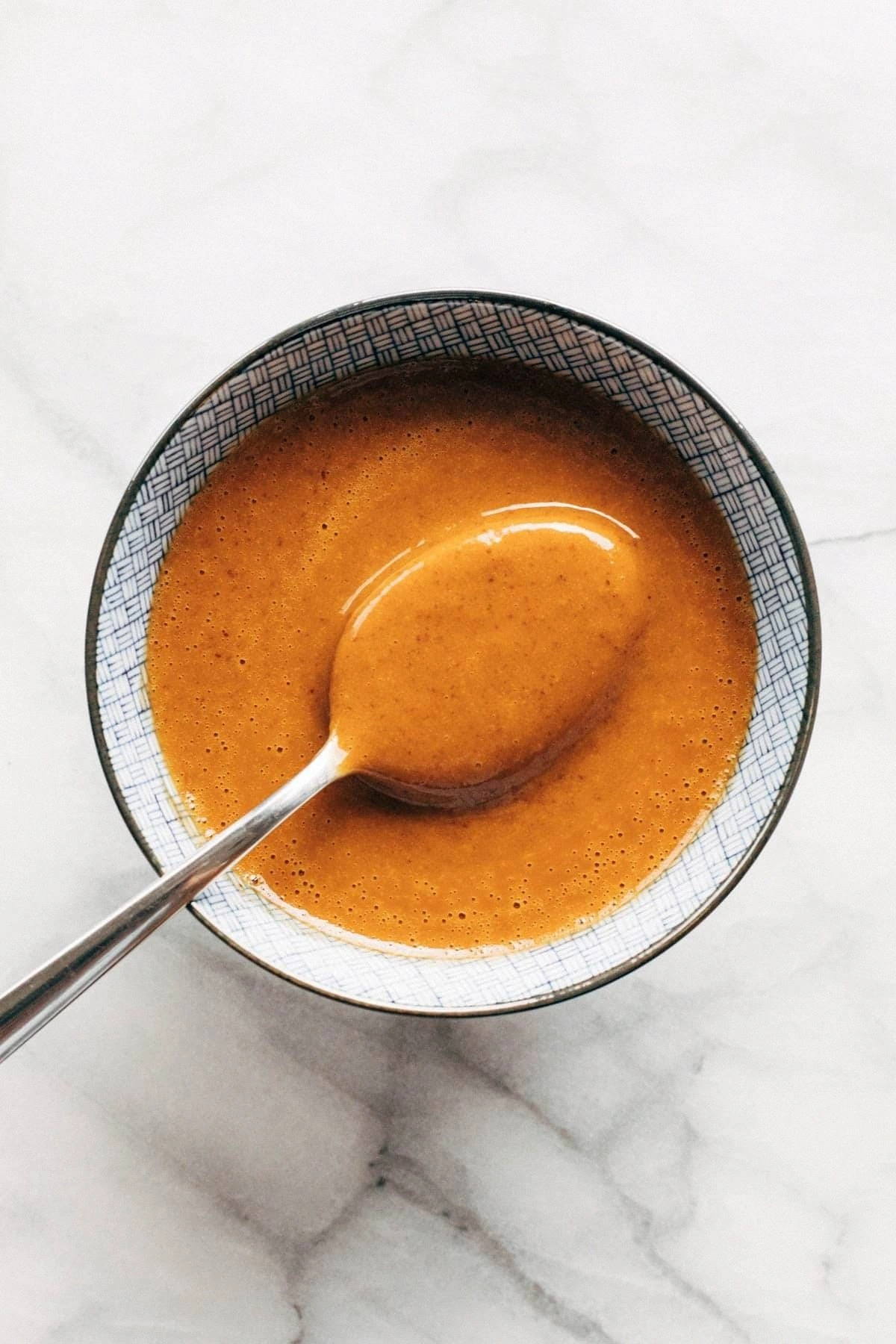
Watch Out: Adding too much water too early can make the sauce thin and prevent the flavors from marrying properly. Add water gradually at the final stage.Gradually pour in the warm water, one tablespoon at a time, whisking after each addition. This method gives you control over the sauce’s consistency; you want it thick enough to cling to a skewer but fluid enough to drizzle. Aim for a glossy, pourable texture that coats the back of a spoon without sliding off.
Give the sauce a final taste and adjust seasoning. A pinch of sea salt can brighten the flavors, while an extra squeeze of lime adds a fresh pop. If you notice any graininess, keep whisking over low heat for another minute – the heat will smooth out any remaining lumps.
Remove the pan from the heat and let the sauce rest for five minutes. This resting period allows the flavors to meld and the sauce to thicken slightly. While it rests, the kitchen will be filled with that intoxicating aroma that makes you want to lick the spoon. Once rested, give it a final stir, and it’s ready to serve.
That's it — you did it. But hold on, I've got a few more tricks that'll take this to another level. Stay with me here — this is worth it.
Insider Tricks for Flawless Results
The Temperature Rule Nobody Follows
Never cook the sauce on high heat. High temperatures cause the peanut butter to seize, creating a grainy texture that’s impossible to fix. Keep the flame at medium‑low and be patient; the gentle heat lets the ingredients emulsify perfectly. I once tried a “quick‑fix” on high and ended up with a sauce that separated like oil and water – not pretty. Trust the low‑and‑slow method, and you’ll get that velvety coat every single time.
Why Your Nose Knows Best
Before you even taste the sauce, let your nose do the heavy lifting. The moment you smell the toasted garlic and ginger, you’ll know the aromatics are properly released. If the scent is muted, give the aromatics another quick sauté – a few extra seconds can make all the difference. I’ve found that trusting the nose prevents over‑seasoning, because the aroma already hints at the balance of salty, sweet, and tangy.
The 5‑Minute Rest That Changes Everything
After you finish cooking, set the sauce aside for exactly five minutes. During this short rest, the flavors fuse, and the texture settles into a perfect drizzle‑ready consistency. Skipping this step leaves you with a sauce that tastes “just cooked” and can be slightly thinner. This rest is the secret behind why my friends always comment that the sauce tastes “even better after it sits”.
Water Temperature Matters
Always use warm (not hot) water when thinning the sauce. Hot water can break the emulsion, while cold water will cause the sauce to seize. Warm water gently loosens the mixture, preserving the silky mouthfeel. If you accidentally add boiling water, simply re‑whisk over low heat and add a touch more peanut butter to bring it back.
Storage Savior: The Splash of Liquid
When you store leftovers, a tiny splash of water (about a teaspoon per cup) revives the sauce’s original texture. The water re‑hydrates the peanut butter, preventing it from stiffening in the fridge. This trick works wonders for reheating, especially if you plan to use the sauce as a dip a few days later.
Creative Twists and Variations
This recipe is a playground. Here are some of my favorite ways to switch things up:
Spicy Thai Coconut
Swap half the water for coconut milk and add a dash of Thai red curry paste. The coconut adds richness, while the curry paste amplifies the heat and introduces aromatic lemongrass notes. Perfect for drizzling over grilled shrimp or tofu skewers.
Honey‑Lime Glaze
Increase the honey to three tablespoons and add an extra tablespoon of lime zest. This creates a sweeter, more citrus‑forward glaze that works beautifully on baked chicken wings. The glaze caramelizes slightly, giving a glossy finish that’s irresistible.
Smoky BBQ Fusion
Incorporate a tablespoon of smoked BBQ sauce and replace the smoked paprika with chipotle powder. The result is a deep, smoky, slightly sweet sauce that pairs well with roasted vegetables or as a burger topping.
Vegan Delight
Use maple syrup instead of honey and ensure the soy sauce is gluten‑free if needed. The flavor profile stays intact, and the sauce becomes fully plant‑based, making it a hit at any vegan gathering.
Nut‑Free Alternative
Swap the peanut butter for sunflower seed butter and add a pinch of nutritional yeast for umami. This version keeps the creamy texture while catering to those with nut allergies, and the yeast adds a cheesy depth that’s surprisingly delightful.
Storing and Bringing It Back to Life
Fridge Storage
Transfer the sauce to an airtight glass jar and refrigerate for up to five days. The flavors continue to meld, becoming even more harmonious. Before each use, give the jar a gentle shake or stir with a spoon to recombine any settled layers.
Freezer Friendly
Portion the sauce into freezer‑safe silicone bags or airtight containers; it freezes beautifully for up to two months. Thaw in the refrigerator overnight, then stir in a teaspoon of warm water to restore its silky texture. Freezing preserves the bold flavors without any loss of quality.
Best Reheating Method
Reheat the sauce gently on the stovetop over low heat, whisking constantly to avoid scorching. If the sauce looks too thick, add a splash of water – just a teaspoon at a time – until you reach the desired consistency. Avoid microwaving, as it can create hot spots that separate the emulsion.