Picture this: it’s a sweltering Saturday afternoon in my cramped city apartment, the air conditioner sputters like an old accordion, and I’m staring at a half‑finished batch of store‑bought salsa that tastes like it was made in a fluorescent‑lit factory. I’m hungry, the clock is ticking, and my friends have just texted, “Where’s the food?” I could have thrown a bag of chips on the couch, but I was feeling reckless. I grabbed a bag of frozen shrimp, a handful of fresh tomatoes, and a daring idea that would soon become my culinary anthem. I’m going to be honest — I ate half the batch before anyone else got to try it, and the rest of the crew is still begging for the recipe.
The moment the shrimp hit the sizzling pan, a sound like a tiny fireworks show erupted, and the kitchen filled with a perfume that was part smoky, part citrusy, and all pure coastal Mexico. The sauce, a ruby‑red concoction of tomatoes, jalapeños, and a whisper of smoked paprika, clung to each shrimp like a velvet glove, while the cilantro added a fresh snap that made my taste buds do a little cha‑cha. You could hear the faint hiss of the garlic as it turned golden, and the lime juice hit the pan with a pop that was as satisfying as a cork popping on a bottle of good wine. The whole scene was a sensory overload: the heat of the stove, the bright green of the herbs, the sizzle, the aroma, the anticipation that made my stomach do somersaults.
What makes this version stand out is that I refused to settle for a bland, “just‑add‑shrimp” shortcut. Most recipes get the balance of heat and acidity completely wrong, leaving you with a sauce that either burns your tongue or tastes like a watered‑down garden salad. I threw in a dash of smoked paprika and a pinch of cumin, which give the salsa an earthy depth you’d normally only find in a street‑side taco stand in Culiacán. And the secret weapon? A splash of high‑quality olive oil that turns the sauce into a glossy, luxurious coating that makes every bite feel like a celebration.
Let me walk you through every single step — by the end, you’ll wonder how you ever made it any other way. I dare you to taste this and not go back for seconds. Ready? Okay, ready for the game‑changer?
What Makes This Version Stand Out
- Flavor Explosion: The combination of smoky paprika, fresh lime, and jalapeño creates a layered heat that builds, not overwhelms, delivering a taste that dances on the palate.
- Texture Harmony: Succulent shrimp meet a salsa that’s thick enough to cling but still fluid, giving each bite a satisfying bite‑and‑slurp experience.
- Simplicity Meets Sophistication: Only ten core ingredients, yet each one is treated with respect, turning a weekday dinner into a culinary event.
- Ingredient Quality: Fresh, ripe tomatoes and wild‑caught shrimp make the difference between “good” and “hands down the best version you’ll ever make at home.”
- Crowd‑Pleaser Factor: This dish gets applause at the table, whether you’re serving it with tortillas, over rice, or as a standalone appetizer.
- Make‑Ahead Magic: The salsa can be prepared a day ahead, allowing the flavors to meld while the shrimp stay fresh for a quick finish.
- Versatile Cooking Method: A quick stovetop sauté that doesn’t require a grill or oven, perfect for any kitchen setup.
- Seasonal Flexibility: Works year‑round, but especially shines when tomatoes are at their peak in summer.
Inside the Ingredient List
The Flavor Base
Fresh tomatoes are the heart of any good salsa, providing natural sweetness and acidity that balances the heat. I use two cups of diced, vine‑ripe tomatoes; skipping this step or substituting canned will rob the dish of its bright, sun‑kissed character. If you can’t find ripe tomatoes, look for heirloom varieties at the farmer’s market – they bring a depth that supermarket tomatoes lack. The red onion adds a subtle bite; a half‑cup finely chopped will melt into the sauce without dominating it. For those who hate the sharpness of raw onion, a quick soak in cold water for five minutes tames the edge.
The Heat Crew
Jalapeño is the star of the heat department, and one seeded jalapeño gives just enough kick without turning the salsa into a fireball. If you like it hotter, leave the seeds in or add a pinch of chipotle powder for smoky heat. Two cloves of garlic, minced fine, release a fragrant aroma that underpins the entire sauce – don’t rush this step; let the garlic sweat gently so it becomes sweet, not bitter. Smoked paprika and cumin, each measured precisely (one teaspoon and half a teaspoon respectively), inject an earthy, smoky undertone that makes the salsa feel like it’s been slow‑cooked on a beach fire.
The Fresh Finish
Cilantro, a quarter‑cup chopped, brings a fresh, citrusy lift that cuts through the richness of the shrimp. If cilantro isn’t your thing, fresh parsley can stand in, but you’ll lose that authentic Mexican zing. Lime juice, two tablespoons, is added at the end to brighten the whole dish; the acidity also helps the shrimp stay tender. Olive oil, also two tablespoons, creates a glossy finish that coats each shrimp like a satin sheet.
The Optional Star
Avocado, sliced and added just before serving, introduces a buttery creaminess that contrasts beautifully with the bright salsa. It’s optional, but if you’re looking for that Instagram‑worthy green pop, one ripe avocado is perfect. Warm corn tortillas or sturdy tortilla chips provide the ideal vehicle for scooping – eight small corn tortillas, lightly warmed, will serve four people generously. Remember, the key is to keep the tortillas soft enough to fold but sturdy enough to hold the juicy shrimp.
Everything's prepped? Good. Let’s get into the real action…
The Method — Step by Step
- Heat two tablespoons of olive oil in a large, heavy‑bottomed skillet over medium‑high heat. As soon as the oil shimmers, add the minced garlic and let it sizzle for about 30 seconds, just until it turns a light golden color and releases that unmistakable aroma. Watch out: if the garlic burns, it will turn bitter and ruin the entire salsa, so keep a close eye and stir constantly.
- Toss in the diced tomatoes, red onion, and jalapeño. Stir everything together and let the mixture cook for 4‑5 minutes, allowing the tomatoes to break down and the onion to soften. You’ll notice the sauce thickening and a sweet, smoky scent filling the kitchen – that’s the flavor base building its foundation.
- Now sprinkle in the smoked paprika, cumin, and a pinch of salt and pepper. Stir vigorously so the spices coat every piece of tomato and onion, creating a deep, reddish hue that looks like a sunrise over the Pacific. Let the spices toast for another minute – you’ll hear a faint crackle, and the kitchen will smell like a Mexican street market at dusk.Kitchen Hack: For an ultra‑smooth salsa, use a handheld immersion blender for 10 seconds after the tomatoes have softened; you’ll keep texture while achieving a velvety coating.
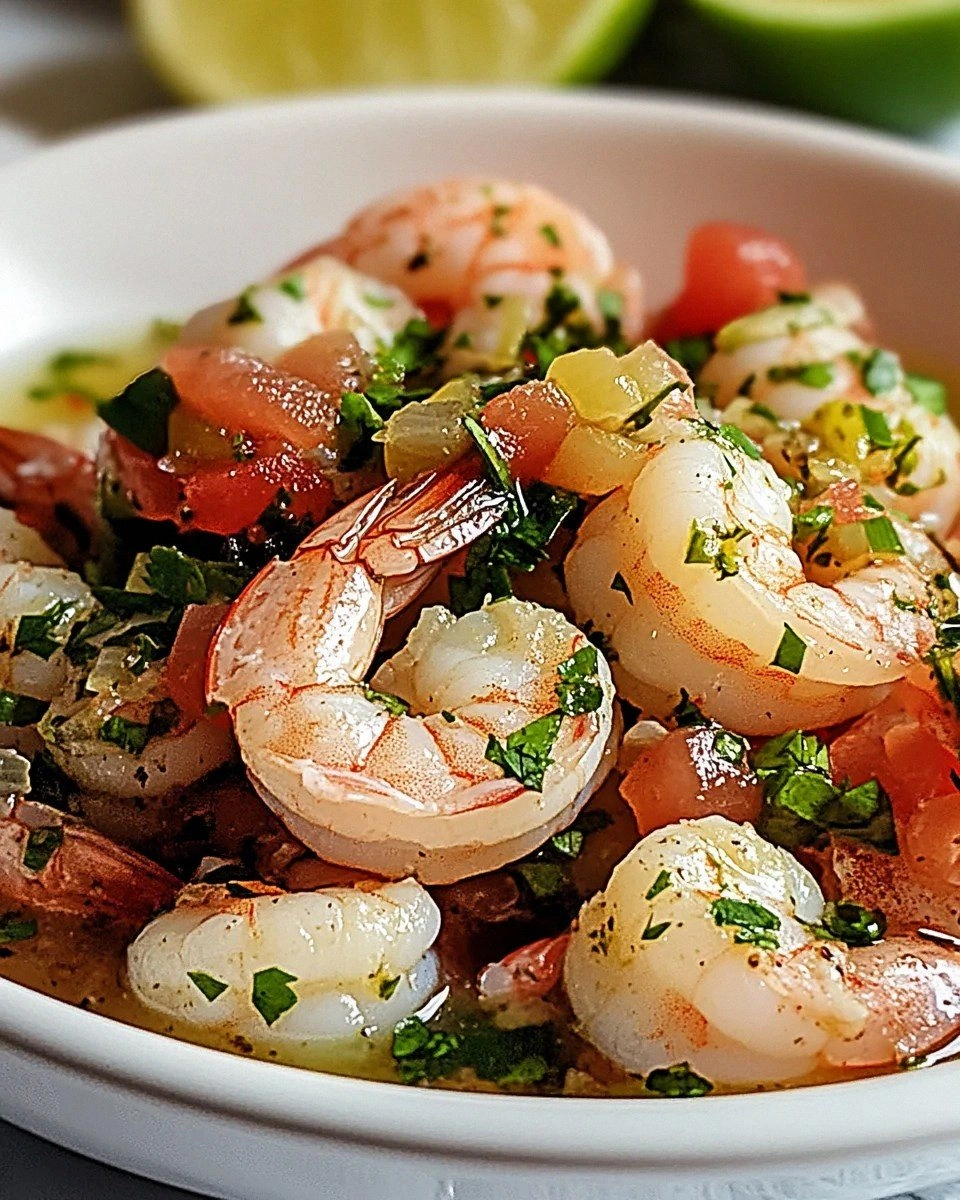
- Add the shrimp to the pan in a single layer. It’s crucial that the pan is hot enough that the shrimp sizzle immediately; you’ll hear a satisfying “pop‑pop” that tells you they’re searing, not steaming. Cook the shrimp for about 2 minutes on one side, then flip and cook another 2 minutes. The shrimp should turn a vivid pink and curl into a perfect “C” shape – that’s your visual cue that they’re done.
- Once the shrimp are cooked, drizzle the lime juice over the entire pan. The acidity will steam the sauce slightly, causing it to lift and swirl around the shrimp like a glossy glaze. Toss everything together gently, ensuring each shrimp is fully coated. At this moment, the sauce should have a glossy sheen that clings to the shrimp without pooling at the bottom.
- Remove the pan from heat and fold in the chopped cilantro. The fresh green specks should float on top, releasing a burst of herbaceous perfume that instantly brightens the dish. If you’re using avocado, slice it now and arrange it on top – the creamy green will contrast beautifully with the ruby salsa.
- Taste and adjust seasoning. Add a pinch more salt or a dash more lime if the flavors need a lift. Remember, the sauce should taste like a balanced dance of sweet, smoky, tangy, and mildly spicy – not one note dominating the rest.
- Serve immediately with warm corn tortillas, tortilla chips, or a bed of fluffy white rice. The heat from the pan will keep the shrimp tender for a few minutes, allowing guests to scoop, bite, and savor. Picture yourself pulling this out of the pan, the whole kitchen smelling incredible, and the first bite melting on your tongue – pure bliss.
That’s it — you did it. But hold on, I’ve got a few more tricks that’ll take this to another level. This next part? Pure magic.
Insider Tricks for Flawless Results
The Temperature Rule Nobody Follows
Never cook shrimp over low heat; you’ll end up with a soggy, flavorless mess. Crank the heat to medium‑high, and you’ll get that coveted sear that locks in juices. I once tried a gentle simmer, and the shrimp turned into a limp, gray mush – lesson learned. The key is a hot pan, quick sear, and immediate removal from heat once they’re pink.
Why Your Nose Knows Best
The moment the garlic turns golden and the paprika releases its smoky perfume is your cue that the flavor base is ready. If you can’t smell that earthy aroma, give the spices another 30 seconds; your nose is a more reliable timer than any kitchen gadget. Trust that sensory feedback – it’s the secret sauce of seasoned cooks.
The 5‑Minute Rest That Changes Everything
After you finish cooking, let the shrimp and salsa sit off the heat for five minutes. This short rest allows the flavors to meld, the lime to permeate the shrimp, and the cilantro to soften just enough to lose its raw bite. I’ve seen dishes served immediately that taste flat; a brief pause makes the whole thing sing.
Salt Timing Trick
Add a pinch of salt at the very start of the sauce to draw out moisture from the tomatoes, speeding up the reduction. Then finish with a final pinch after the lime juice so the seasoning stays bright and not muted. This two‑stage salting is why my salsa never tastes dull.
Pan Choice Power
A heavy‑bottomed cast‑iron skillet or a stainless steel sauté pan distributes heat evenly, preventing hot spots that can scorch the garlic. If you’re using a non‑stick pan, you’ll lose some of that caramelization, so I recommend a seasoned cast‑iron for authentic flavor.
Creative Twists and Variations
This recipe is a playground. Here are some of my favorite ways to switch things up:
Smoky Chipotle Version
Swap the jalapeño for a chipotle pepper in adobo sauce and add a half teaspoon of chipotle powder. The result is a deeper, smoky heat that pairs beautifully with the shrimp’s sweetness. Perfect for those who love a lingering, smoky aftertaste.
Coconut‑Lime Fusion
Replace half the olive oil with coconut milk and add a splash of toasted coconut flakes at the end. The creamy coconut adds a tropical richness that makes the dish feel like a beachside cocktail. Serve over jasmine rice for an exotic twist.
Garlic‑Butter Shrimp Upgrade
After searing the shrimp, finish them with a knob of butter and an extra clove of minced garlic. The butter creates a luxurious mouthfeel, while the extra garlic amplifies the aroma. This variation is ideal for a romantic dinner.
Veggie‑Packed Salsa
Dice a small cucumber and a handful of corn kernels into the salsa for added crunch and sweetness. The fresh cucumber cools the heat, while the corn adds a subtle pop. Great for a family-friendly version that sneaks in extra veggies.
Spicy Mango Twist
Fold in diced ripe mango and a dash of habanero sauce for a sweet‑heat combo that’s unforgettable. The mango’s natural sugars balance the heat, creating a tropical fiesta in every bite. Serve with grilled fish for a surf‑and‑turf experience.
Storing and Bringing It Back to Life
Fridge Storage
Transfer any leftovers to an airtight glass container and store them in the refrigerator for up to two days. The salsa will continue to meld, becoming even more flavorful, while the shrimp stay tender if covered properly. Before reheating, add a splash of water or extra lime juice to revive the sauce’s brightness.
Freezer Friendly
If you’ve made a big batch, the salsa (minus the shrimp) freezes beautifully for up to three months. Portion it into zip‑top bags, lay them flat, and freeze. When you’re ready, thaw overnight in the fridge, then quickly sauté fresh shrimp and fold them in for a fresh‑out‑of‑the‑freezer experience.
Best Reheating Method
Reheat the salsa gently over low heat, stirring constantly, and add a teaspoon of olive oil to restore its sheen. Add the shrimp back just before serving, letting them warm for a minute or two – they’ll stay juicy without overcooking. A tiny splash of water before reheating creates steam that brings the sauce back to its original glossy texture.