I still remember the first time I tasted a truly transcendent BBQ chicken pizza. It was a rainy Tuesday night, my delivery order had arrived stone-cold, and I was ready to swear off pizza forever. But then my neighbor knocked on my door with a homemade pie that changed everything. The crust crackled like thin ice under my fingers, the sauce had this smoky-sweet complexity that made my taste buds do a happy dance, and the chicken was so juicy it practically sang. That single slice sent me on a six-month obsession that involved testing twenty-seven different dough recipes, sampling every brand of barbecue sauce in a fifty-mile radius, and nearly burning down my kitchen twice. But the result? A BBQ chicken pizza recipe so good that my friends now schedule "pizza nights" months in advance just to guarantee they get a slice.
Picture yourself pulling this pizza out of your oven, the kitchen filling with the intoxicating aroma of caramelized barbecue sauce mingling with melted cheese and perfectly seasoned chicken. The crust has those gorgeous charred bubbles that tell you it's going to be crispy yet chewy, with just enough structure to hold up the generous toppings without going soggy. I dare you to taste this and not go back for seconds — in fact, I'll be honest, I ate half the batch before anyone else got to try it the first time I nailed this recipe. Most recipes get this completely wrong by drowning the pizza in sauce or using pre-cooked chicken that tastes like cardboard. Here's what actually works.
What makes this version stand out is the way we build layers of flavor that complement rather than compete with each other. We're not just throwing barbecue sauce on dough and calling it a day — we're creating a symphony where every ingredient has a solo moment while still harmonizing with the whole. The sauce gets a quick caramelization under the broiler that intensifies its sweetness and adds those coveted charred bits. The chicken gets a special rub that makes it taste like it's been slow-smoking for hours, even though it's done in minutes. And the cheese blend? It's not just mozzarella — we're creating a flavor profile that'll make you wonder why you ever settled for ordinary pizza.
Okay, ready for the game-changer? We're using a technique I learned from a pizza maker in Naples that involves a cold fermentation for the dough and a screaming-hot oven setup that replicates a wood-fired oven. Stay with me here — this is worth it. By the end of this guide, you'll be making BBQ chicken pizza that rivals anything you've had at fancy restaurants, with that perfect balance of sweet, smoky, tangy, and cheesy that makes every bite an adventure. Let me walk you through every single step — by the end, you'll wonder how you ever made it any other way.
What Makes This Version Stand Out
Smoky Complexity: Unlike most recipes that rely solely on bottled barbecue sauce, we build layers of smoke flavor through three different elements — smoked paprika in the chicken rub, liquid smoke in the sauce, and a final kiss of char from your oven's broiler. The result is depth that makes people ask "what's your secret?" after their first bite.
Perfect Crust Texture: Most homemade pizza crusts are either too dense like bread or so thin they tear. Our method creates a crust that's crispy on the bottom, airy at the edges, and chewy in the middle — the holy trinity of pizza texture that you usually only get from professional pizza ovens.
Chicken That Doesn't Dry Out: Here's where most recipes fail miserably — they tell you to use pre-cooked chicken that turns into leather in the oven. We start with raw chicken thighs, season them aggressively, and cook them right on the pizza so they stay juicy and absorb all those beautiful flavors.
Sauce That Actually Stays Put: Nothing's sadder than picking up a pizza slice only to have all the toppings slide off in one tragic sheet. Our sauce technique creates a tacky base that grips both the crust and the toppings, ensuring every bite is perfectly balanced rather than a chaotic mess.
Cheese Blend That Melts Like a Dream: We're not just dumping on bagged mozzarella. Our custom blend includes smoked gouda for depth, fontina for creaminess, and just enough low-moisture mozzarella for that classic pizza pull. The result is cheese that melts into glossy pools without releasing a flood of grease.
Make-Ahead Magic: This recipe is designed for real life — you can prep the dough up to three days ahead, the sauce keeps for a week, and the seasoned chicken can be frozen for months. Future pacing: picture yourself coming home after a brutal day, pulling prepped components from your fridge, and having restaurant-quality pizza in twenty minutes.
Crowd-Pleasing Balance: The sweet-savory-tangy ratio here hits that universal pleasure center that makes even picky eaters convert. It's not so barbecue-heavy that it feels like a Southern cookout threw up on bread, but it's got enough personality to stand out from regular pizza night.
Alright, let's break down exactly what goes into this masterpiece...
Inside the Ingredient List
The Foundation — Flour Power
Bread flour is non-negotiable here — all-purpose flour simply doesn't have enough protein to develop the gluten structure we need for that perfect chew. The higher protein content creates those beautiful gluten strands that trap gas during fermentation, giving you those coveted air bubbles that make each bite light rather than dense. If you absolutely must substitute, you can use 00 flour, but reduce the water by two tablespoons since it absorbs liquid differently. The salt in the dough isn't just for flavor — it strengthens the gluten network and controls fermentation, ensuring your crust has structure rather than turning into a floppy mess.
The Flavor Base — Sweet, Smoky, Tangy
Dark brown sugar in the barbecue sauce provides deep molasses notes that complement the smoke flavors without making the sauce cloyingly sweet. Apple cider vinegar adds brightness that cuts through the richness of the cheese and chicken, preventing the whole thing from tasting heavy. Smoked paprika is our secret weapon — it's like liquid smoke in powder form, adding complexity without the artificial taste that liquid smoke can sometimes bring. Worcestershire sauce contributes umami depth that makes people taste this and immediately know it's not just bottled sauce from the grocery store.
The Protein Star — Chicken That Doesn't Disappoint
Chicken thighs are essential here — breasts dry out faster than your motivation on a Monday morning, while thighs stay succulent even under the intense heat of a pizza oven. We remove the skin to prevent it from going rubbery, but keep the fat that renders during cooking to baste the meat and keep it moist. The spice rub penetrates deeper than just salt and pepper, creating flavor throughout rather than just on the surface. Cutting the chicken into small pieces ensures it cooks through quickly without overcooking the rest of your pizza.
The Final Flourish — Herbs and Heat
Fresh cilantro adds a bright, almost citrusy note that cuts through the richness and makes the whole pizza taste fresh rather than heavy. Red onion provides sharpness and crunch that contrasts beautifully with the soft cheese and tender chicken. A final drizzle of honey creates those coveted caramelized spots that add textural interest and concentrated flavor pockets. The optional jalapeños aren't just for heat — their grassy flavor complements the barbecue sauce in ways that make you understand why this combination became a classic.
Everything's prepped? Good. Let's get into the real action...
The Method — Step by Step
- Start your dough the night before — this isn't negotiable if you want that complex flavor and perfect texture. Combine your bread flour, salt, and yeast in a large bowl, then slowly stream in warm water while mixing with your other hand. The dough will look shaggy and rough at first, like it could never come together, but trust the process. Once it forms a cohesive mass, knead it on a lightly floured counter for exactly eight minutes — set a timer, because under-kneading gives you a dense crust while over-kneading makes it tough.
- Now comes the part that separates amateur pizza from the pros — the cold fermentation. Place your dough in an oiled bowl, cover it tightly with plastic wrap, and park it in the coldest part of your fridge for 24 to 72 hours. This slow fermentation develops those complex, slightly sour flavors that make restaurant pizza taste better than homemade. The cold temperature slows down yeast activity, allowing enzymes to break down starches into sugars that create deeper flavor and better browning. If you've ever struggled with this, you're not alone — and I've got the fix: patience.
- While your dough works its magic, prepare the chicken rub that'll make your kitchen smell like a barbecue joint. Combine brown sugar, smoked paprika, garlic powder, onion powder, salt, and a secret ingredient — a pinch of cinnamon that adds warmth without being detectable. Toss your chicken thighs in this mixture until every piece is thoroughly coated, then let it sit for at least thirty minutes. This isn't just busy work — the salt draws out moisture, creating a brine that seasons the meat throughout, while the sugar helps with caramelization later.
- The sauce is where most recipes go wrong — they either use straight bottled sauce (too sweet) or try to make everything from scratch (too time-consuming). Our hybrid approach combines your favorite bottled sauce with tomato paste for body, apple cider vinegar for brightness, and a touch of liquid smoke for depth. Simmer this mixture for exactly ten minutes — long enough to meld flavors but not so long that it becomes thick like ketchup. The result should coat a spoon but still spread easily, like warm honey.
- When you're ready to assemble, preheat your oven to its absolute maximum — usually 500°F or 550°F — with your pizza stone or upside-down baking sheet inside. This is the moment of truth: if your oven isn't hot enough, you'll get a pale, doughy crust instead of the leopard-spotted beauty we're after. Let it heat for at least forty-five minutes — don't rush this step, because a properly heated stone is the difference between soggy bottom and crispy perfection.
- Now comes the fun part — shaping your dough. Remove it from the fridge one hour before you plan to bake, then gently stretch it from the center outward, letting gravity do most of the work. You're aiming for a 12-inch round with slightly thicker edges that'll puff up into that classic pizza crust rim. If it tears, don't panic — just pinch it back together and let it rest for five minutes before continuing. The dough should feel smooth and elastic, like a baby's cheek.
- Assembly is where timing matters — work quickly so your dough doesn't stick to your peel. Dust your pizza peel with cornmeal, then transfer the stretched dough. Working fast, spread a thin layer of sauce over the dough, leaving a half-inch border for the crust. Scatter your seasoned chicken pieces evenly, then top with your three-cheese blend and a light drizzle of olive oil. That sizzle when it hits the stone? Absolute perfection.
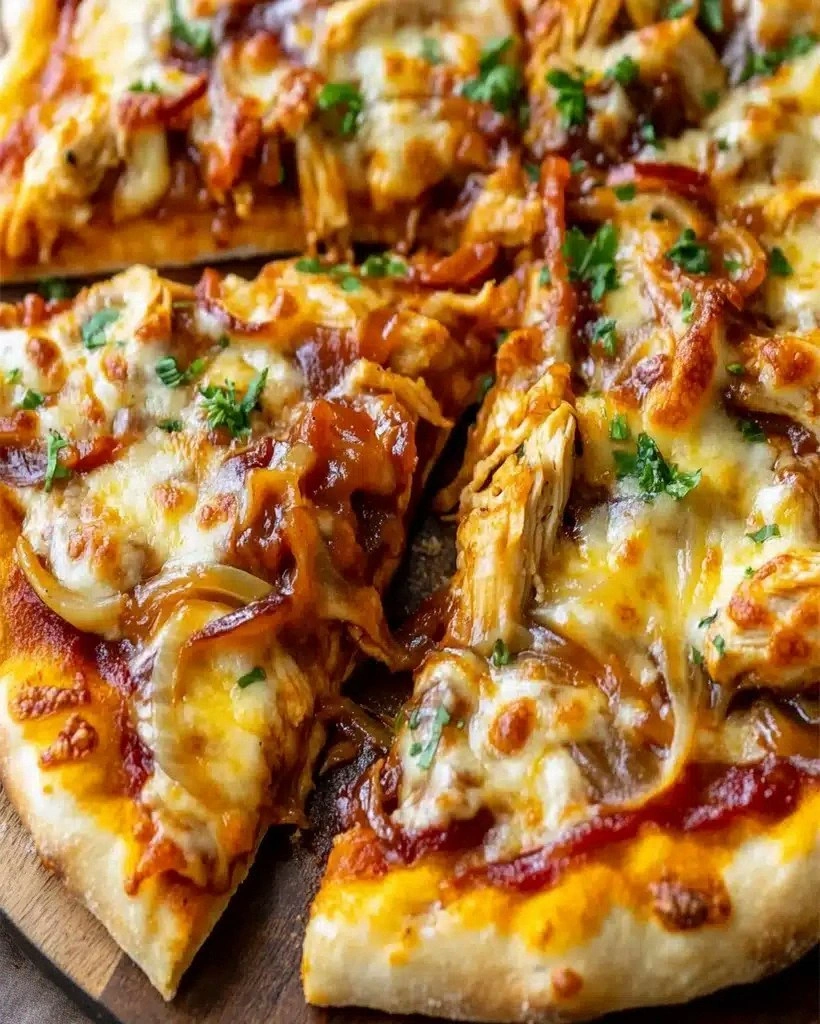
- The final bake is where magic happens — slide your pizza onto the preheated stone and bake for 8-10 minutes, rotating halfway through for even browning. The crust should puff up dramatically, developing those beautiful charred spots that signal flavor development. The cheese should melt into glossy pools with golden spots, while the chicken cooks through and the sauce caramelizes at the edges. When it's done, the crust should sound hollow when you tap the bottom — that's how you know it's perfectly crisp.
That's it — you did it. But hold on, I've got a few more tricks that'll take this to another level...
Insider Tricks for Flawless Results
The Temperature Rule Nobody Follows
Here's the thing that'll make you feel like a pizza wizard — your ingredients need to be at the right temperature for everything to work. The dough should be cold from the fridge when you shape it, because warm dough gets sticky and tears. But your sauce and cheese should be at room temperature so they spread and melt evenly. I learned this the hard way after making pizza with cold cheese that stayed in stubborn little clumps instead of melting into that gorgeous lava flow we all crave. Now I pull my cheese out of the fridge when I start preheating the oven, and the difference is night and day.
Why Your Nose Knows Best
Trust your senses more than your timer — when the pizza is almost done, you'll smell it before you see it. That intoxicating aroma of caramelized barbecue sauce and melting cheese will waft through your kitchen about two minutes before it's perfectly done. This is when you should peek through the oven window (don't open the door and let heat escape). The edges should be deeply golden, the cheese should be bubbling gently, and there should be a few dark spots on the crust that look almost burnt but aren't. A friend tried skipping this step once — let's just say it didn't end well, and we had to order takeout after all that work.
The 5-Minute Rest That Changes Everything
I know it's torture, but let your pizza rest for five minutes before cutting — those bubbling hot toppings need time to settle so they don't slide off in a molten avalanche. During this rest, the cheese firms up slightly, making it easier to get clean cuts, and the sauce thickens as it cools, creating that perfect cling to each bite. Use this time to gather your serving plates, chop fresh cilantro, and maybe drizzle a little more barbecue sauce artistically over the top. If you've ever wondered why restaurant pizza holds together better than yours, this resting period is half the secret.
The Cheese Temperature Sweet Spot
Here's something that'll blow your mind — different cheeses melt at different temperatures, which is why we use a blend. Fontina melts first, creating a creamy base that holds everything together. Smoked gouda melts next, adding those gorgeous golden pools with concentrated flavor. Mozzarella melts last, creating those Instagram-worthy cheese pulls. Grating your cheese instead of shredding it makes it melt more evenly because the smaller pieces heat uniformly. And please, for the love of all that's holy, never use pre-shredded cheese — the anti-caking agents prevent proper melting and leave you with a gritty texture.
The Steam Finish Technique
p>Right when your pizza comes out, there's a trick that makes restaurant pizza taste so fresh — add a tiny splash of water to the pan and immediately cover it with a large bowl for thirty seconds. This creates a quick steam that rehydrates the crust edges, making them perfectly crisp-tender rather than jaw-breaker hard. It also helps the cheese achieve that glossy, just-melted look that makes people reach for their phones to take pictures. Just don't use too much water — a teaspoon is plenty, and make sure your pan can handle the temperature shock.Creative Twists and Variations
This recipe is a playground. Here are some of my favorite ways to switch things up:
The Hawaiian BBQ Mashup
Add chunks of fresh pineapple that have been quickly grilled in a dry pan until caramelized — they bring tropical sweetness that plays beautifully with the smoky barbecue sauce. Use Canadian bacon instead of chicken for a more traditional Hawaiian vibe, and swap the smoked gouda for provolone for a milder flavor that lets the fruit shine. A sprinkle of toasted coconut flakes added right after baking gives you that vacation-in-your-mouth feeling that makes January bearable.
The Spicy Southwest Version
Replace half the barbecue sauce with chipotle peppers in adobo sauce, blended until smooth — it gives you heat and smoke in one punch. Use pepper jack cheese instead of fontina, and add roasted poblano strips and fresh corn kernels for textural contrast. Finish with a squeeze of lime and fresh cilantro stems (they're more flavorful than the leaves) for brightness that cuts through all that richness.
The White BBQ Chicken Pizza
Skip the red barbecue sauce entirely and make an Alabama white barbecue sauce with mayo, apple cider vinegar, and lots of black pepper. Use roasted garlic instead of raw in the chicken rub, and add caramelized onions for sweetness. This version is surprisingly lighter than the original, perfect for summer when heavy red sauce feels like too much.
The Breakfast BBQ Pizza
Add thin slices of breakfast sausage to the chicken, crack a few eggs right on top during the last few minutes of baking, and finish with everything bagel seasoning on the crust. The runny yolks create a sauce that mingles with the barbecue in ways that'll make you question why breakfast pizza isn't a universal law. Serve this at brunch and watch your friends lose their minds.
The Veggie-Loaded Version
Keep the chicken but add roasted red peppers, caramelized onions, and sautéed mushrooms that have been cooked until their moisture evaporates — nobody likes soggy pizza. Use smoked mozzarella to compensate for the missing smokiness from the reduced chicken, and add fresh arugula after baking for peppery bite. Even meat-lovers devour this version.
The Mediterranean Fusion
Replace the barbecue sauce with a mixture of sun-dried tomato pesto and a touch of honey, use feta mixed into the cheese blend, and add artichoke hearts and kalamata olives. The key is using preserved lemon peel instead of fresh — it adds that same brightness but with more complexity. Finish with fresh oregano instead of cilantro for a completely different flavor profile.
Storing and Bringing It Back to Life
Fridge Storage
Let leftover pizza cool completely before storing — hot pizza in a container creates condensation that makes the crust soggy faster than you can say "delivery." Wrap individual slices in aluminum foil, then place in a zip-top bag with as much air removed as possible. This double-wrapping prevents the crust from absorbing fridge odors while keeping it from drying out. Stored this way, your pizza stays good for up to four days, though honestly, it's never lasted that long in my house. The cheese might look a little dull after refrigeration, but a quick reheat will bring back its glossy glory.
Freezer Friendly
For longer storage, freeze slices on a baking sheet until solid, then transfer to a freezer bag — this prevents them from sticking together in one giant pizza clump. You can freeze whole pizzas too, but slice them first for easier portioning. Wrap each slice in plastic wrap, then foil, then into a freezer bag — it seems excessive but prevents freezer burn that can turn your masterpiece into cardboard. Frozen pizza keeps for up to three months, though the texture is best within the first month. Pro tip: write the date on the bag with a Sharpener, because three months from now you won't remember if it's BBQ chicken or pepperoni.
Best Reheating Method
The microwave is pizza's mortal enemy — it turns the crust rubbery and the cheese into an oil slick. Instead, heat a skillet over medium heat, add your slice crust-side down for two minutes to re-crisp the bottom. Then add a tiny splash of water to the pan (not on the pizza), cover with a lid, and steam for thirty seconds — this melts the cheese without drying it out. For multiple slices, the oven is your friend: 375°F on a baking sheet for 8-10 minutes, covered with foil for the first half to prevent over-browning. Add a tiny splash of water before reheating — it steams back to perfection and tastes almost as good as fresh.