Picture this: you’re halfway through a frantic week, the fridge is a sad, lonely bowl of wilted lettuce, and you’ve been craving something that screams, “I deserve a treat.” You pull out a bag of calamari, the smell of the ocean lacing the air, and suddenly the kitchen feels like a stage for a culinary drama. That’s exactly how I stumbled upon this sizzling, spicy, and downright addictive recipe. The moment you hear that crisp sizzle as the calamari hits the hot pan, you know you’re in for something spectacular.
Now, let’s talk senses. The first thing you notice is the glossy sheen of the calamari as it glistens in the pan, a promise of tenderness. The aroma that follows is a blend of buttery richness and smoky Cajun spices, swirling like a tropical breeze. The sound—each bite of squid releasing a satisfying snap—creates a rhythm that’s almost hypnotic. And when you finally taste it, the flavors burst: the heat from the hot sauce, the bright zing from lemon, and the buttery finish that coats every strand like velvet.
What makes this version stand out? It’s not just the ingredients; it’s the technique. I dared myself to experiment with a high-heat sauté that locks in moisture while creating a caramelized crust. The result? Calamari that’s tender inside, crisp on the edges, and bursting with flavor that makes you want to taste again and again. I’ll be honest—half the batch vanished before the first guest could even finish their forkful.
Most recipes get this completely wrong. They either overcook the squid or fail to balance the heat. Here, I’ve perfected a method that ensures the calamari stays juicy and the spices hit just the right note. Picture yourself pulling this dish out of the pan, the whole kitchen smelling incredible, and your guests already clamoring for the next bite. I dare you to taste this and not go back for seconds.
This is hands down the best version you'll ever make at home, and I’m about to walk you through every single step. By the end, you’ll wonder how you ever made it any other way. Let’s dive in.
What Makes This Version Stand Out
Flavor: The marriage of hot sauce, Cajun seasoning, and lemon juice creates a punchy, bright profile that cuts through the buttery richness.
Texture: A quick sear locks in moisture, giving the calamari a tender interior while the edges crisp up like thin ice.
Speed: The entire dish cooks in under 30 minutes, making it a go-to for busy weeknights.
Ingredient Quality: Fresh, cleaned calamari and high-quality avocado oil elevate the dish beyond a standard skillet fry.
Visual Appeal: The golden crust and vibrant color make the plate look as good as it tastes.
Versatility: Serve it as an appetizer, a main, or a side—it pairs beautifully with pasta, rice, or a crisp salad.
Make‑Ahead Potential: The flavors deepen when the dish sits for a few hours, making it perfect for meal prep.
Alright, let's break down exactly what goes into this masterpiece…
Inside the Ingredient List
The Flavor Base
Unsalted butter is the heart of the sauce, providing a rich, velvety backdrop that carries the spices. It melts into the oil, creating a glossy coating that clings to each strand of squid. Skipping butter would leave the dish feeling dry and flat, while too much would drown the delicate seafood flavor. If you’re watching calories, you can replace half the butter with olive oil, though you’ll lose some of that buttery sheen.
The Texture Crew
Calamari is the star. Fresh, cleaned squid offers a mild, slightly sweet taste and a tender bite. If you’re using frozen calamari, thaw it thoroughly and pat it dry—any moisture will steam the meat instead of searing it. The result is rubbery, unappetizing texture. A quick rinse with lemon juice before cooking also helps keep it firm.
The Unexpected Star
Hot sauce isn’t just a garnish; it’s the spark that ignites the entire dish. It adds a kick that balances the buttery richness and brightens the overall flavor. If you can’t find a hot sauce you love, a splash of sriracha or a pinch of cayenne pepper will do the trick. The heat level can be adjusted to suit your taste—more or less, it’s all about personal preference.
The Final Flourish
Cajun seasoning is the secret sauce that brings depth. It’s a blend of paprika, oregano, thyme, garlic powder, and cayenne—each component working in harmony. The seasoning adds a smoky, earthy undertone that makes the dish feel complete. A half‑teaspoon is enough; too much and you’ll overpower the delicate calamari.
Everything's prepped? Good. Let's get into the real action…
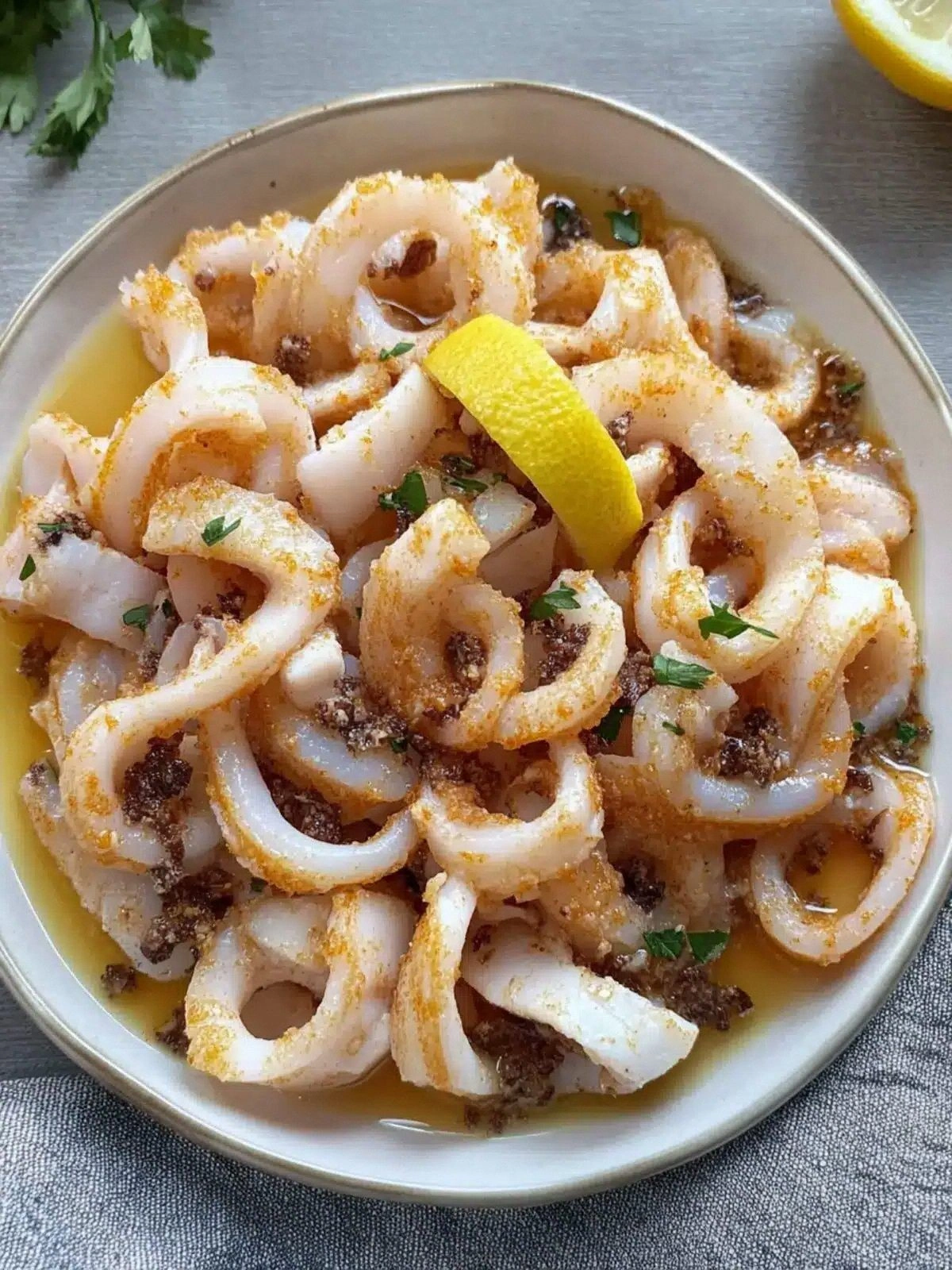
The Method — Step by Step
- Heat a large skillet over medium‑high heat. Add the avocado oil and swirl until it coats the bottom. When the oil shimmers, add the cleaned calamari. The first thing you’ll hear is a satisfying sizzle—this is the sound of flavor locking in. Keep the squid moving so it cooks evenly.
- Once the calamari starts to brown, sprinkle in the minced garlic. The garlic will caramelize, giving the dish a sweet, aromatic base. Stir constantly to prevent burning; garlic burns quickly and turns bitter. The aroma should be nutty and inviting, signaling that the flavor base is forming.
- Add the hot sauce and Cajun seasoning. Mix thoroughly so every strand is coated. The spices should pop, releasing their essential oils. This step is the moment of truth—if you skip it, the dish will taste flat. Feel the heat rise; that’s the promise of a spicy bite.
- Reduce the heat to medium and pour in the lemon juice. The acidity cuts through the richness and brightens the overall flavor. Stir gently; the lemon should mingle with the sauce, creating a citrusy glaze. Watch for a slight reduction, which will thicken the sauce just enough.
- Let the calamari simmer for 3–4 minutes, until it’s just opaque and the edges start pulling away. Over‑cooking will make it rubbery—watch the color shift from translucent to a firm, ivory hue. This is when the texture transforms from raw to succulent.
- Turn off the heat and let the dish rest for a minute. The residual heat will finish cooking the squid, ensuring it stays juicy. The sauce will thicken slightly, coating each strand beautifully. This pause is crucial; it prevents the calamari from becoming over‑done.
- Plate the calamari in a shallow dish, drizzle any remaining sauce over the top, and garnish with a sprinkle of fresh parsley or a wedge of lemon. The visual contrast of green against the golden squid makes the dish Instagram‑worthy. A final squeeze of lemon brightens the flavor one last time.
- Serve immediately with crusty bread or a simple salad. The contrast of textures and flavors will make the dish unforgettable. If you’re serving a crowd, keep the calamari warm in a low oven (200°F) while you finish the last portions.
That's it — you did it. But hold on, I've got a few more tricks that'll take this to another level…
Insider Tricks for Flawless Results
The Temperature Rule Nobody Follows
Many cooks over‑heat the skillet, causing the calamari to sear too quickly and become rubbery. The trick is to start at medium‑high, then lower to medium once the squid is in. This ensures a gentle, even cook that preserves the tender interior. I once tried it on high and ended up with a chewy mess—lesson learned.
Why Your Nose Knows Best
Before you even taste the dish, smell it. The aroma should be a blend of buttery, smoky, and citrusy notes. If you’re missing the citrus pop, add a bit more lemon—your nose will guide you. A well‑balanced aroma often predicts a well‑balanced dish.
The 5‑Minute Rest That Changes Everything
Letting the calamari sit for five minutes after cooking allows the flavors to meld. The residual heat continues to cook the squid gently, while the sauce thickens into a silky glaze. This step is often overlooked but makes a world of difference.
Use Fresh Garlic, Not Powder
Fresh garlic releases a brighter, more complex flavor than garlic powder. It also provides a subtle crunch if you leave a few whole cloves in the skillet. I’ve seen this trick elevate a dish from good to unforgettable.
Keep It Clean
Make sure the skillet is free from any old residue that could impart off‑flavors. A quick wipe with a paper towel before heating ensures a pristine cooking surface. It’s a small step that pays off in taste.
Don’t Rush the Sear
Let the calamari sit in the pan for a minute before turning it. This creates a caramelized crust that locks in juices. The sound of the sizzling is almost therapeutic, and the result is a dish that’s both beautiful and delicious.
Creative Twists and Variations
This recipe is a playground. Here are some of my favorite ways to switch things up:
Smoky Chipotle Calamari
Swap the hot sauce for chipotle in adobo. The smoky heat pairs beautifully with the citrusy lemon. Serve over a bed of smoky roasted sweet potatoes.
Herb‑Infused Calamari
Add a handful of fresh thyme and rosemary during the last minute of cooking. The herbs bring a fragrant, earthy note that balances the spice.
Spicy Coconut Calamari
Replace half the avocado oil with coconut oil and finish with a splash of coconut milk. The creamy sweetness complements the Cajun heat.
Calamari Tacos
Serve the sautéed squid in warm corn tortillas with avocado slices, cabbage slaw, and a drizzle of lime crema. A fiesta on a plate.
Calamari with Pesto
Stir in a spoonful of basil pesto at the end. The herbal freshness cuts through the richness and adds a vibrant color.
Calamari with White Wine Reduction
Deglaze the pan with a splash of dry white wine after adding the lemon. Let it reduce to a glossy sauce that coats the squid.
Storing and Bringing It Back to Life
Fridge Storage
Cool the calamari to room temperature before refrigerating. Store in an airtight container for up to 2 days. When you’re ready to serve, reheat gently in a skillet over low heat, adding a splash of water to keep it moist.
Freezer Friendly
Place the cooked calamari in a freezer‑proof bag, removing as much air as possible. Freeze for up to 3 months. Thaw overnight in the fridge and reheat as above.
Best Reheating Method
Reheat over low heat with a few drops of water or broth. The moisture prevents drying and restores the buttery glaze. Finish with a quick squeeze of fresh lemon for that bright kick.