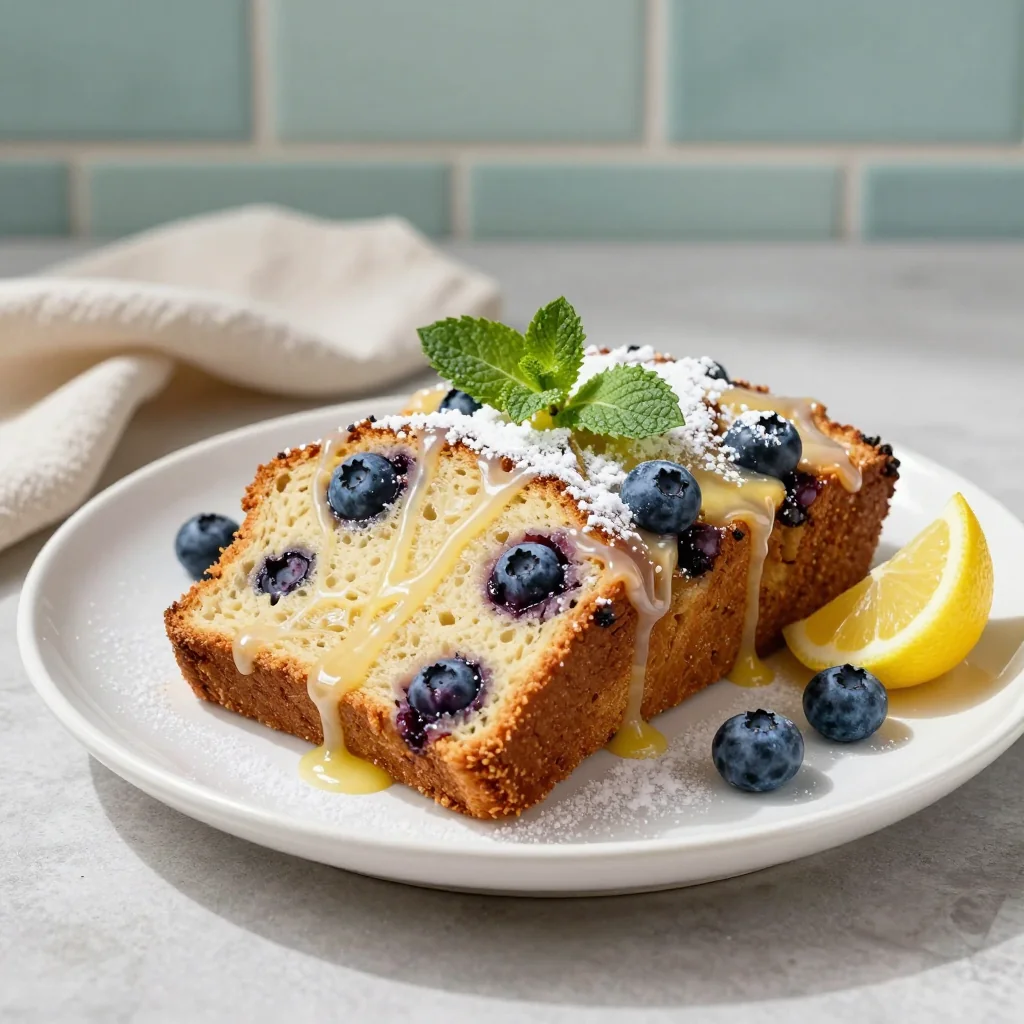
A bright, tender loaf that bursts with juicy blueberries and a silky lemon glaze—perfect for any time of day.
Personal Story
The first time I tasted a slice of lemon‑blueberry bread, I was sitting on a sun‑drenched patio in the south of France, watching the world drift lazily by while a gentle breeze carried the scent of citrus from a nearby orchard. My grandmother had just pulled the loaf from the oven, its golden crust crackling softly, and the sweet‑tart glaze caught the light like a promise of summer. I remember the way the blueberries burst with each bite, releasing a burst of juiciness that mingled effortlessly with the bright lemon glaze, creating a symphony of flavors that felt both comforting and exhilarating.
This loaf has its roots in classic American quick breads, yet the addition of fresh blueberries and a lemon glaze gives it a Mediterranean twist that feels both familiar and exotic. In my kitchen, it has become a staple for brunches, tea time, and even as a light dessert after a hearty dinner. The recipe has traveled across continents, gathering little secrets and tips from friends, bakers, and even a pastry chef I met in a bustling market in Barcelona.
In this article, I’ll walk you through every nuance of the recipe: from selecting the ripest lemons and plump blueberries, to mastering the delicate balance of sweetness and acidity in the glaze. You’ll learn why each step matters, how to avoid common pitfalls, and how to adapt the loaf for different dietary needs without sacrificing that unforgettable zing.
I’m thrilled to share this beloved recipe with you, and I can’t wait to see how it brightens your kitchen and your table. Let’s get baking!
🌟 Why This Recipe Will Captivate You
Whether you’re a seasoned baker or a weekend enthusiast, this lemon‑blueberry bread offers a delightful blend of texture, flavor, and visual appeal that keeps you coming back for more.
- ✨ Moisture Mastery: The combination of buttermilk and melted butter ensures a tender crumb that stays soft for days, while the blueberries add pockets of juicy burst.
- ✨ Bright Citrus Balance: A lemon zest‑infused batter paired with a light glaze creates a harmonious sweet‑tart contrast that awakens the palate.
- ✨ Simple Yet Sophisticated: No fancy equipment required—just a standard loaf pan and a few basic tools, yet the result looks bakery‑worthy.
- ✨ Versatile Serving Options: Enjoy it warm with butter, chilled with a dollop of Greek yogurt, or toasted for a crunchy breakfast treat.
- ✨ Nutrient Boost: Blueberries provide antioxidants, while lemon adds a dose of vitamin C, making this indulgent treat a bit more wholesome.
- ✨ Perfect for Any Season: Its bright flavors lift winter mornings just as well as they complement summer picnics.
🥗 Ingredients
📝 Complete Ingredient List
For the Bread:
- 250 g all‑purpose flour
- 50 g granulated sugar
- 5 g baking powder
- 2 g salt
- 200 g fresh blueberries
For the Wet Mix:
- 120 g unsalted butter, melted
- 200 g buttermilk
- 2 large eggs
- 1 tbsp lemon zest
- 30 ml fresh lemon juice
For the Lemon Glaze:
- 100 g powdered sugar
- 30 ml fresh lemon juice
- 1 tsp lemon zest
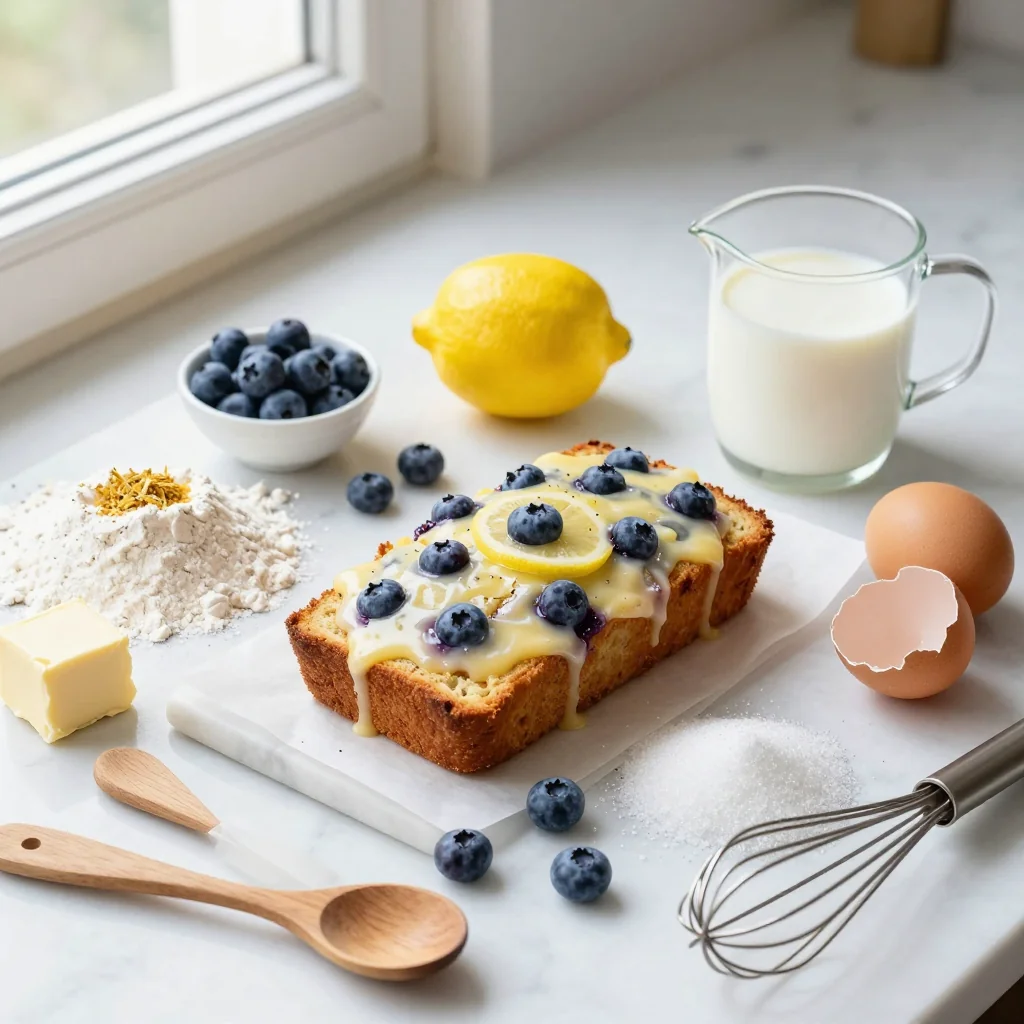
🔍 Focus on Key Ingredients
Blueberries
Blueberries are the star of this loaf, providing bursts of sweet‑tart flavor and a beautiful speckled interior. Choose berries that are firm, deep‑blue, and free of any mushy spots. If using frozen berries, keep them frozen until you fold them into the batter to prevent premature bleeding of color.
Lemon Zest & Juice
The zest contains aromatic oils that deliver an intense citrus perfume, while the juice adds the necessary acidity to balance the sweetness. Use a microplane to grate the zest, avoiding the white pith which can taste bitter. Freshly squeezed juice is essential; bottled juice often lacks the bright, clean flavor needed for the glaze.
Buttermilk
Buttermilk reacts with the baking powder to create a tender crumb and a subtle tang that complements the lemon. If you don’t have buttermilk on hand, you can make a quick substitute by adding 1 tablespoon of white vinegar or lemon juice to 200 ml of regular milk and letting it sit for 5 minutes.
🔄 Quick Substitutions
| If you don’t have… | Use instead… |
|---|---|
| Buttermilk | Milk + 1 tbsp lemon juice or vinegar |
| Fresh blueberries | Frozen blueberries (add directly) |
| Unsalted butter | Salted butter (reduce added salt) |
👨🍳 Step‑by‑Step Instructions
Follow these detailed steps to create a perfectly moist loaf with a glossy lemon drizzle. Each phase is designed to build flavor, texture, and visual appeal.
📋 Phase 1: Preparation & Mise en Place
Gather and measure all ingredients, then preheat the oven.
Preheat the Oven and Prepare the Pan
Set your oven to 180 °C (350 °F) and allow it to fully preheat. Grease a 9×5‑inch (23 × 13 cm) loaf pan with a thin layer of melted butter, then line the bottom with parchment paper for easy release.
Combine Dry Ingredients
In a large mixing bowl, whisk together the flour, sugar, baking powder, and salt until evenly distributed. This ensures the leavening agent is dispersed, giving a uniform rise.
🔥 Phase 2: Mixing, Baking & Glazing
Blend wet and dry components, fold in blueberries, and bake.
Whisk Wet Ingredients
In a separate bowl, beat the melted butter with the buttermilk, eggs, lemon zest, and lemon juice until smooth. The butter should be warm but not hot, preserving the delicate lemon aroma.
Combine Wet and Dry Mixtures
Pour the wet mixture into the dry ingredients and stir gently with a spatula until just combined. Over‑mixing will develop gluten, leading to a dense crumb. The batter should appear slightly lumpy.
Fold in Blueberries
Using a gentle folding motion, incorporate the blueberries into the batter. If you’re using frozen berries, add them directly from the freezer to keep the batter cool and prevent color bleed.
Bake the Bread
Transfer the batter to the prepared loaf pan, smoothing the top with a spatula. Bake for 35‑40 minutes, or until a toothpick inserted into the center comes out clean and the top is golden‑brown. Rotate the pan halfway through for even browning.
Prepare the Lemon Glaze While Baking
In a small bowl, whisk together powdered sugar, fresh lemon juice, and a pinch of lemon zest until smooth. The glaze should be pourable but thick enough to coat the loaf without running off.
✨ Phase 3: Finishing & Serving
Cool, glaze, and present the loaf.
Cool the Bread Slightly
Allow the loaf to rest in the pan for 10 minutes, then lift it onto a wire rack. This brief cooling prevents the glaze from melting immediately upon contact.
Drizzle the Lemon Glaze
Using a spoon or a small pourer, drizzle the lemon glaze over the warm loaf, allowing it to cascade down the sides. The glaze will set as the bread cools, creating a shiny finish.
Serve and Store
Slice the bread with a serrated knife, serving it warm or at room temperature. Store leftovers in an airtight container; the glaze keeps the crumb moist for up to four days.
💡 Expert Tips & Tricks
🛒 Choosing the Best Ingredients
Select lemons that feel heavy for their size; this indicates a high juice content and vibrant zest. For blueberries, look for a uniform deep‑blue color with a silvery bloom—this natural wax protects the fruit and signals freshness. When buying butter, opt for European‑style butter with a higher butterfat percentage; it adds richness and a buttery crumb. If possible, use a kitchen scale for precise measurements; baking is a science, and small variations can affect texture.
🔪 Preparation Techniques
Before zesting, wash the lemons thoroughly and pat them dry. Use a microplane to avoid digging into the bitter white pith. When folding blueberries, use a rubber spatula and a gentle “lifting” motion—this preserves the fruit’s shape and prevents the batter from turning purple. Also, sift the flour and baking powder together to aerate them, ensuring a lighter loaf.
🌡️ Mastering the Bake
Every oven behaves slightly differently; invest in an oven thermometer to verify the true temperature. If the top browns too quickly, loosely cover it with foil after 25 minutes. The internal temperature of a fully baked loaf should read about 95 °C (203 °F). Remember that the loaf continues to cook slightly from residual heat while it rests, so avoid over‑baking.
🍽️ Presentation & Service
For a polished look, drizzle the glaze in a slow, steady stream, allowing it to pool at the base of each slice. Sprinkle a pinch of extra lemon zest over the top just before serving for an aromatic finish. Pair each slice with a dollop of lightly sweetened ricotta or a smear of mascarpone for added indulgence. A dusting of powdered sugar can add a festive touch for special occasions.
🏆 Pro Tips
Elevate your loaf from good to extraordinary with these professional insights.
- 🎯 Temperature‑Controlled Butter: Chill the melted butter to about 20 °C before mixing; this prevents the batter from becoming too warm, which could cause the blueberries to release excess moisture and affect crumb structure.
- 🎯 Acid‑Base Balance: The lemon juice’s acidity reacts with the baking powder, creating carbon dioxide bubbles that lift the batter. Too much acid can weaken the rise, so measure precisely and avoid adding extra lemon beyond the recipe.
- 🎯 Even Blueberry Distribution: Toss the blueberries in a tablespoon of flour before folding them in. The flour coats the berries, reducing their tendency to sink to the bottom during baking.
- 🎯 Glaze Consistency Control: If the glaze is too thick, thin it with a few drops of warm water; if too thin, add a touch more powdered sugar. The right consistency should coat the back of a spoon without dripping off instantly.
- 🎯 Crumb Texture Enhancement: For an ultra‑tender crumb, replace 20 g of the all‑purpose flour with cake flour. The lower protein content reduces gluten formation, yielding a softer interior.
- 🎯 Visual Appeal: After glazing, let the loaf rest on a cooling rack for 15 minutes; this allows the glaze to set and creates a glossy finish that catches the light beautifully.
“A great loaf is a balance of chemistry and love; the lemon’s brightness and the berry’s burst are a reminder that simple ingredients can create unforgettable moments.” — Thomas Keller
🔄 Variations and Adaptations
This recipe is a versatile canvas. Below are several ways to customize it for dietary preferences, flavor twists, and family‑friendly versions.
🥬 Vegetarian / Vegan Version
Replace the eggs with a “flax egg” (1 tbsp ground flaxseed mixed with 3 tbsp water, set for 5 minutes) and use a plant‑based butter such as coconut oil or vegan margarine. Swap buttermilk for soy or oat milk blended with 1 tbsp lemon juice. The texture remains moist, and the lemon‑blueberry profile stays intact.
- Flax egg adds binding and a subtle nutty note.
- Coconut oil imparts a faint tropical aroma that pairs nicely with lemon.
🌶️ Flavor Variations
Experiment with complementary flavors to suit different cuisines or seasons.
Spicy Kick:
Add ½ tsp ground cayenne pepper to the dry mix for a subtle heat that contrasts with the citrus.
Mediterranean Twist:
Fold in ¼ cup chopped toasted almonds and a drizzle of honey over the glaze for a nutty, sweet finish.
Asian Inspiration:
Replace the lemon zest with yuzu zest and add a teaspoon of toasted sesame oil to the wet mix for a fragrant, exotic note.
⚠️ Dietary Adaptations
Gluten‑Free:
Use a 1‑to‑1 gluten‑free flour blend (rice flour, tapioca starch, potato starch) and add 1 tsp xanthan gum to mimic gluten’s elasticity.
Lactose‑Free:
Swap butter for lactose‑free margarine and use almond milk mixed with 1 tbsp lemon juice as a buttermilk substitute.
Low‑Calorie:
Reduce sugar to 30 g, use applesauce (unsweetened) for half of the butter, and choose low‑fat buttermilk. The loaf will be lighter but still flavorful.
👶 Kid‑Friendly Version
For picky eaters, omit the glaze and serve the loaf with a light honey drizzle. You can also fold in a handful of mini chocolate chips for added appeal. Keep the lemon zest subtle to avoid overwhelming young palates.
📦 Storage and Reheating
🧊 Conservation
In the Refrigerator:
- Duration: Up to 5 days.
- Recommended container: Airtight plastic or glass container.
- Tip: Place a paper towel on top to absorb excess moisture and keep the crust crisp.
In the Freezer:
- Duration: Up to 3 months.
- Method: Wrap the loaf tightly in parchment, then foil, and store in a freezer‑safe bag.
- Defrosting: Thaw overnight in the refrigerator, then warm gently in the oven.
💡 For best flavor, re‑glaze after reheating; the glaze can be refreshed with a quick drizzle of fresh lemon juice mixed with powdered sugar.
♨️ Reheating
🔥 Oven (Recommended):
- Preheat to 160 °C (325 °F).
- Wrap the slice loosely in foil to retain moisture.
- Heat for 8‑10 minutes.
- Remove foil, drizzle a thin layer of fresh glaze, and bake for an additional 2 minutes for a glossy finish.
⚡ Microwave (Quick):
- Place slice on a microwave‑safe plate.
- Cover with a microwave‑safe lid or damp paper towel.
- Heat on medium power for 30‑45 seconds.
- Stir a tiny amount of glaze and drizzle over the slice.
🍳 Skillet:
Heat a non‑stick skillet over medium heat, add a small knob of butter, and toast the slice for 2‑3 minutes per side. This method gives a crisp exterior while keeping the interior moist.
🍷 Perfect Pairings
🥗 Accompaniments
- Fresh Mixed Greens: A light vinaigrette of lemon juice, olive oil, and honey complements the citrus notes without overpowering.
- Greek Yogurt with Honey: The creamy tartness balances the sweet glaze, creating a harmonious bite.
- Prosciutto‑Wrapped Asparagus: The salty‑savory contrast heightens the lemon’s brightness.
🍷 Wine & Beverage Pairings
- Prosecco: Its crisp bubbles echo the lemon’s effervescence and cleanse the palate between bites.
- Riesling (off‑dry): The subtle sweetness mirrors the glaze while the acidity matches the lemon.
- Non‑Alcoholic: Sparkling water infused with a splash of lemon and a sprig of mint offers a refreshing, low‑calorie option.
🍰 Complementary Courses
Begin with a light citrus salad featuring orange segments and a drizzle of honey‑lime dressing. Follow the bread with a delicate vanilla panna cotta topped with fresh berries. The progression from light to sweet ensures a balanced dining experience.
❓ Frequently Asked Questions
Q: Can I use frozen blueberries instead of fresh?
Absolutely. Frozen blueberries work well and often retain more flavor because they’re flash‑frozen at peak ripeness. Add them directly to the batter while still frozen; this prevents them from turning the batter purple and helps them stay evenly distributed.
Q: How do I prevent the blueberries from sinking to the bottom?
Toss the blueberries in a tablespoon of flour before folding them into the batter. The flour coating adds a bit of weight and creates a barrier that slows their descent during baking, ensuring an even distribution throughout the loaf.
Q: What if I don’t have buttermilk?
Create a quick substitute by adding 1 tablespoon of fresh lemon juice or white vinegar to 200 ml of regular milk. Let the mixture sit for 5 minutes; it will thicken and acquire the tang needed for the crumb structure.
Q: My glaze turned out too thin—what can I do?
If the glaze is runny, whisk in additional powdered sugar a tablespoon at a time until the desired thickness is reached. Conversely, if it becomes too thick, thin it with a few drops of warm water or extra lemon juice, keeping the flavor balance in mind.
Q: Can I make this loaf ahead of time for a party?
Yes. Bake the loaf a day before the event, let it cool completely, then store it covered at room temperature. Reheat slices briefly in the oven before serving and add a fresh drizzle of glaze for that just‑baked appearance.
Q: How do I adjust the recipe for a larger crowd?
Use the portion‑adjuster on the recipe card (default 8 servings). Increase the quantities proportionally—multiply each ingredient by the new serving count divided by eight. The built‑in JavaScript will recalculate the numbers for you instantly.
🎉 Let’s Get Baking!
This Lemon Blueberry Bread with Lemon Glaze Drizzle is more than a recipe—it’s an invitation to celebrate bright flavors, simple techniques, and the joy of sharing homemade goodness. From the first fragrant zest of lemon to the final glossy drizzle, each step is designed to deliver a loaf that looks as stunning as it tastes. Whether you’re serving it at a brunch, a family gathering, or simply treating yourself after a long day, the balance of sweet blueberries and tangy lemon will leave a lasting impression.
I hope you enjoy baking this loaf as much as I enjoy sharing it. Snap a photo, tag it with #LemonBlueberryJoy, and let the community see your masterpiece. Feel free to leave a comment below with your tweaks, questions, or proud moments—you’ll inspire fellow bakers and help this recipe evolve.
Have you tried this recipe?
Leave a comment and rating below! Share your photos on Instagram with #LemonBlueberryJoy to be featured on our site.
Lemon Blueberry Bread with Lemon Glaze Drizzle
A bright, tender loaf bursting with juicy blueberries and a silky lemon glaze.
📝 Ingredients
For the Bread
For the Wet Mix
For the Lemon Glaze
👨🍳 Instructions
- 1 Preheat oven to 180 °C (350 °F) and prepare a loaf pan with butter and parchment.
- 2 Whisk together flour, sugar, baking powder, and salt in a large bowl.
- 3 In a separate bowl, combine melted butter, buttermilk, eggs, lemon zest, and lemon juice; mix until smooth.
- 4 Pour wet mixture into dry ingredients, stirring gently until just combined.
- 5 Fold in blueberries, coating them lightly with flour to keep them suspended.
- 6 Transfer batter to the pan and bake for 35‑40 minutes, checking with a toothpick.
- 7 While the bread bakes, whisk powdered sugar, lemon juice, and zest to create the glaze.
- 8 Cool the loaf 10 minutes, then remove from pan onto a rack.
- 9 Drizzle the lemon glaze over the warm loaf, allowing it to set.
- 10 Slice, serve, and store any leftovers in an airtight container.
🥗 Nutritional Information (per serving)
Calories
Protein
Carbs
Fat
Fiber
Sodium
*Values are estimated based on ingredient data.