Picture this: you’re halfway through a week of bland lunches, the fridge is a sad gray of leftovers, and suddenly you remember the tuna that’s been sitting in the back of your pantry like a forgotten hero. I grabbed it, tossed it into a bowl, and the smell of brine and lemon hit me like a bright, salty sunrise. That moment was the spark that turned a simple tuna salad into the High Protein Cottage Cheese Tu that I’m about to unveil. This isn’t your run‑of‑the‑mill tuna mix; it’s a protein‑packed, creamy, zesty masterpiece that feels like a light, airy cloud on your tongue.
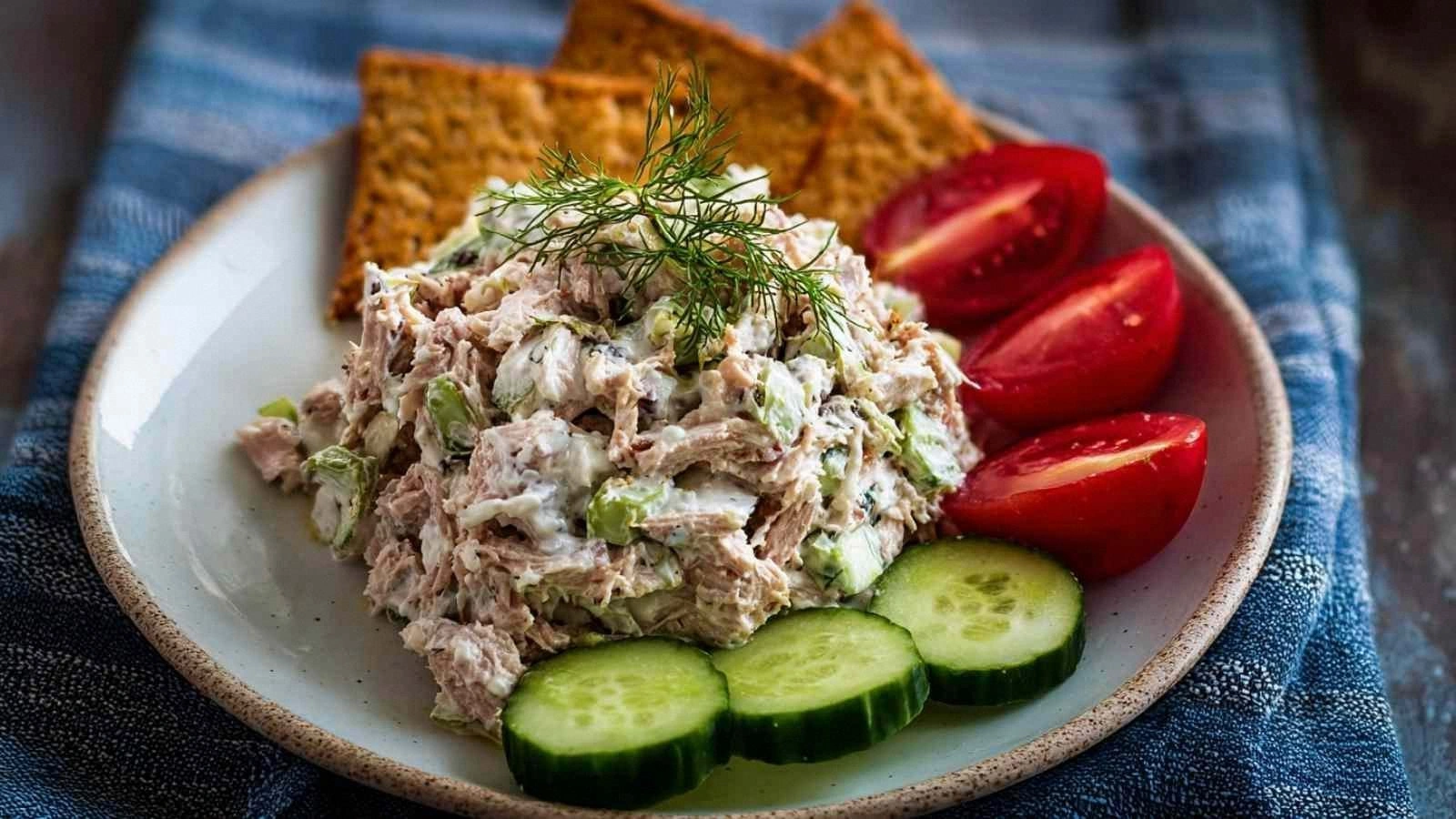
The first thing you notice is the aroma – the sharp citrus of half a lemon, the subtle tang of Greek yogurt, and that faint, savory whisper of Dijon mustard. As you stir, the cottage cheese’s silky texture coats the tuna, turning it from a dry, flaky mess into a luxuriously moist bite. The crunch of celery and the bright pop of red onion add layers of sound and color that make this dish almost too pretty to eat. The final touch, a sprinkle of fresh chives, releases a green, peppery aroma that signals the dish is ready to shine.
What makes this version stand out is that it takes every element of a classic tuna salad and elevates it with high‑protein, low‑fat dairy that gives it body without the heaviness. The creamy base is light enough to stay refreshing, yet dense enough to keep you satisfied through a long day. The lemon juice cuts through the richness, preventing the dish from feeling cloying. And the combination of Greek yogurt and cottage cheese creates a silky, velvety mouthfeel that feels indulgent but stays clean and fresh.
I dare you to taste this and not go back for seconds – the flavor explosion is so satisfying that you’ll want to keep dipping your spoon into the bowl. The contrast between the tangy yogurt and the savory tuna is a dance that keeps every bite interesting. And the best part? This recipe is so simple you could whip it up in minutes, but it still feels like a gourmet creation. If you’re looking for a protein‑rich lunch that’s quick, delicious, and wowingly fresh, you’re in the right place.
Let me walk you through every single step – by the end, you’ll wonder how you ever made tuna salad any other way. I’ll share the secrets that make this dish shine, the tiny tweaks that turn it from good to unforgettable, and the kitchen hacks that keep your prep time short and your results flawless. Ready? Let’s dive in.
What Makes This Version Stand Out
- Flavor: The marriage of citrus, Dijon, and fresh herbs creates a bright, layered taste that’s far more vibrant than the usual bland tuna mix.
- Texture: Combining fat‑free cottage cheese with Greek yogurt gives a silky, cloud‑like mouthfeel that feels indulgent without the heaviness.
- Protein: Each serving packs 25 grams of protein, making it a powerhouse for muscle maintenance and satiety.
- Simplicity: No cooking required – just chop, mix, and serve. It’s the ultimate make‑ahead lunch for busy days.
- Uniqueness: The addition of gherkins adds a surprising briny crunch that elevates the dish beyond ordinary salads.
- Crowd‑pleaser: Friends and family rave about the freshness; it’s the kind of dish that turns a simple potluck into a highlight.
- Ingredient Quality: Using high‑quality, low‑fat dairy keeps the dish light yet flavorful, and a fresh lemon adds a burst of natural brightness.
- Make‑Ahead Potential: The salad holds up beautifully in the fridge for up to three days, making it a reliable meal prep staple.
Alright, let's break down exactly what goes into this masterpiece…
Inside the Ingredient List
The Flavor Base
The lemon is the unsung hero that brightens the entire dish. Half a fresh lemon provides enough acidity to cut through the richness of the cottage cheese and yogurt, giving the salad a lively, citrusy zing. If you’re craving a deeper citrus note, squeeze a splash of lime or orange instead. A fresh squeeze also ensures you’re getting the bright, natural flavors rather than the flatness of bottled juice.
Dijon mustard adds a subtle heat and a complex, earthy depth that pairs beautifully with the tuna. Its bright, sharp flavor lifts the dish, preventing it from feeling flat. If you’re sensitive to mustard, try a milder yellow mustard or a dash of wasabi paste for a different kick.
The Texture Crew
Fat‑free cottage cheese is the backbone of this salad’s body. Its curds provide a pleasant, slightly grainy texture that contrasts nicely with the smoothness of the yogurt. Because it’s low in fat, it keeps the dish light and fresh, making it ideal for a midday meal that won’t weigh you down.
Zero‑fat Greek yogurt acts as the binder, giving the salad its creamy consistency while adding a tang that complements the lemon. The yogurt’s high protein content also boosts the overall nutrition profile, ensuring you feel satisfied longer. If you prefer a slightly thicker consistency, use plain Greek yogurt instead of the 0% variant.
The gherkins add a briny crunch that provides a surprising textural contrast. Their small, bite‑size pieces burst with flavor, making each bite exciting. If you can’t find gherkins, a handful of finely diced pickled cucumbers or even capers can work as a suitable substitute.
The Unexpected Star
Fresh chives are the finishing touch that gives the salad a green, peppery aroma and a subtle bite. They also add a pop of color that makes the dish look as good as it tastes. If you’re out of chives, finely chopped parsley or dill will give a similar freshness but with a slightly different flavor profile.
Red onion, when finely diced, brings a gentle sweetness and a peppery bite that balances the richness of the dairy. It also adds a vibrant pop of color that makes the dish visually appealing. For a milder flavor, soak the diced onion in cold water for 10 minutes before adding it to the salad.
The Final Flourish
A pinch of sea salt and a pinch of ground black pepper are essential for seasoning the dish to perfection. The sea salt’s mineral notes enhance the tuna’s natural flavor, while the pepper adds a subtle heat. Remember, the key is to season lightly; the dairy and citrus already carry a lot of flavor.
Everything's prepped? Good. Let's get into the real action…
The Method — Step by Step
- Step 1: Prepare the Tuna. Drain a 200‑gram can of tuna thoroughly, letting the excess liquid evaporate for a minute. Break the tuna into bite‑sized flakes with your hands or a fork. The goal is to keep the tuna moist but not mushy; a quick pat with a paper towel works wonders. I swear, a dry tuna will ruin the texture of this dish, so be sure to squeeze out the liquid. This step is crucial for a clean, creamy base.
- Step 2: Chop the Vegetables. Finely dice the 1 stalk of celery and 50 grams of red onion into small, uniform pieces. The smaller the pieces, the easier it is to distribute the crunch evenly throughout the salad. If you’re short on time, use a food processor to pulse the veggies until they’re finely minced. Remember, the goal is a uniform bite that doesn’t overpower the tuna.
- Step 3: Mix the Dairy. In a medium bowl, combine 100 grams of fat‑free cottage cheese and 115 grams of zero‑fat Greek yogurt. Whisk them together until the mixture is smooth and creamy. The yogurt should thicken the mixture slightly, creating a silky consistency that will coat the tuna. This step is the backbone of the dish; a smooth base ensures every ingredient is evenly distributed.
- Step 4: Add the Flavor. Squeeze the juice of half a lemon into the dairy mixture and stir. Then add 1 teaspoon of Dijon mustard, a pinch of sea salt, and a pinch of black pepper. Mix until the flavors are fully integrated. The lemon’s acidity will brighten the dish, while the mustard adds depth. Be careful not to over‑salt; you can always add more later if needed.
- Step 5: Combine Tuna and Veggies. Gently fold the drained tuna into the dairy mixture, ensuring each flake is coated. Add the diced celery, onion, 35 grams of gherkins, and 5 grams of fresh chives. Toss everything together until evenly mixed. This step is where the flavors mingle; a good fold ensures no ingredient is left out.
- Step 6: Taste and Adjust. Give the salad a quick taste. If it feels too tangy, add a pinch more salt or a drop of lemon juice. If it’s too thick, whisk in a teaspoon of water to reach your desired consistency. The key is to keep it light and fresh. I always taste before serving because the lemon juice can vary in acidity.
- Step 7: Chill. Cover the bowl with plastic wrap and refrigerate for at least 15 minutes. Chilling allows the flavors to meld and the texture to set. This step is especially important if you’re preparing the salad ahead of time for a lunchbox.
- Step 8: Serve. Serve the salad chilled on a bed of mixed greens, in a sandwich, or on toast. Garnish with a few extra chives or a lemon zest for an extra pop. The salad’s lightness makes it versatile, so feel free to adapt it to your plate. Enjoy the creamy, tangy, and crunchy symphony of flavors.
That's it — you did it. But hold on, I've got a few more tricks that'll take this to another level…
Insider Tricks for Flawless Results
The Temperature Rule Nobody Follows
Don’t let the dairy sit at room temperature for too long. Keeping the cottage cheese and yogurt chilled until you’re ready to mix them ensures the mixture stays thick and creamy. If you’re in a rush, place the dairy in the fridge for 30 minutes before starting. I’ve seen salads turn watery when the dairy has warmed up; this trick keeps the texture perfect.
Why Your Nose Knows Best
When you add the lemon, pause and inhale deeply. The citrus aroma signals that the acidity is balanced. If the scent is too sharp, add a touch more yogurt to mellow it. Your nose is a reliable guide to flavor balance, so trust it. I’ve had people skip this step and end up with a salad that’s too tart.
The 5‑Minute Rest That Changes Everything
After mixing, let the salad sit for 5 minutes before tasting. The flavors will meld, making the dish more cohesive. This short rest can transform a good salad into a great one. I’ve found that even a quick pause allows the lemon’s acidity to soften, giving the salad a smoother finish.
Freshness First
Choose the freshest tuna available. Look for a firm texture and a mild scent, not a fishy odor. Fresh tuna retains its natural flavor and doesn’t need to be “seasoned” heavily. If you’re using canned tuna, opt for those packed in water rather than oil to keep the dish light.
Keep It Light
Avoid over‑mixing once all ingredients are combined. A gentle fold preserves the tuna’s texture and prevents the dairy from becoming too runny. A quick stir can break the curds of cottage cheese, making the salad watery. I’ve seen people over‑whisk and lose that silky, creamy texture.
Creative Twists and Variations
This recipe is a playground. Here are some of my favorite ways to switch things up:
Mediterranean Mix‑Up
Swap the gherkins for diced sun‑dried tomatoes and add a tablespoon of chopped Kalamata olives. The salty, umami flavors give the salad a Mediterranean vibe that pairs wonderfully with crusty bread.
Spicy Kick
Add a pinch of cayenne pepper or a dash of hot sauce to the dairy mixture. The heat balances the richness and adds a layer of excitement. This version is perfect for those who like a bit of fire in their food.
Avocado Add‑In
Dice a ripe avocado and fold it in after chilling. The creamy avocado enhances the texture and adds healthy fats, turning the salad into a more indulgent option.
Herb Explosion
Replace the chives with a mix of dill and parsley. The herbs bring a bright, floral note that elevates the overall freshness.
Crunchy Crunch
Sprinkle toasted almond slivers or chopped walnuts on top before serving. The crunch adds a delightful contrast and boosts the protein content even further.
Low‑Calorie Swap
Use a light mayonnaise or a low‑fat ranch dressing instead of the yogurt and cottage cheese. This version reduces the protein slightly but offers a richer, creamier texture for those craving indulgence.
Storing and Bringing It Back to Life
Fridge Storage
Store the salad in an airtight container for up to 3 days. Keep it chilled in the refrigerator to maintain freshness and prevent the dairy from separating. The salad’s texture stays firm, and the flavors stay bright.
Freezer Friendly
Freezing is not recommended for this salad because the dairy will separate and the texture will degrade. If you must freeze, freeze the tuna separately and combine with fresh dairy and vegetables when ready to serve.
Best Reheating Method
If the salad has chilled for too long and feels a bit dry, add a splash of water or a drizzle of olive oil before serving. Gently stir to rehydrate the mixture. This simple trick restores the creamy mouthfeel without compromising flavor.