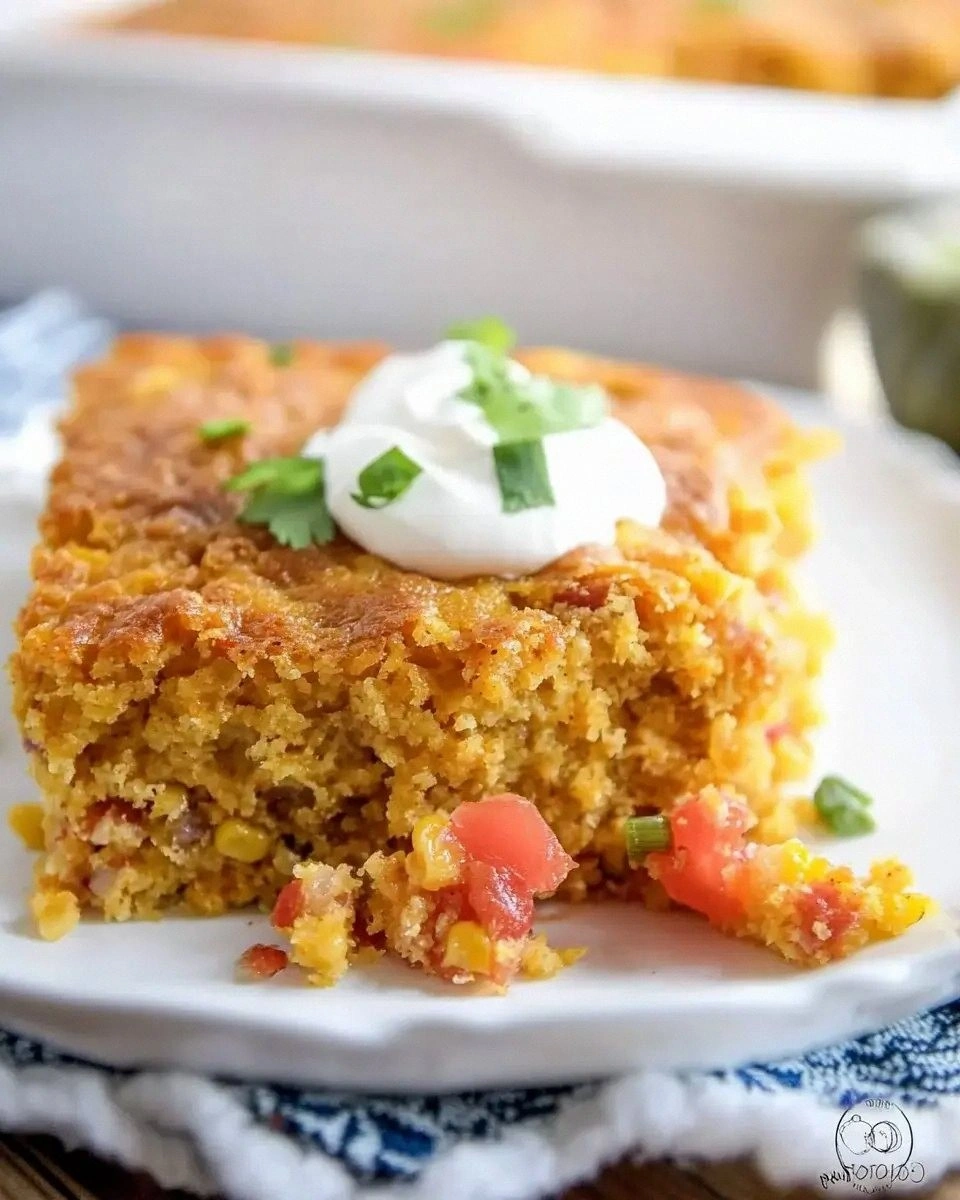
I’ll be honest — I ate half the batch before anyone else got to try it, and that was after a kitchen disaster that could have turned my dinner into a cautionary tale. Picture this: a rainy Thursday, the kind of weather that makes you crave something warm, buttery, and unapologetically hearty. I was wrestling with a half‑cooked pot roast that smelled like regret, while my teenage son dared me to make something “so cowboy it would ride a horse into the living room.” I laughed, I rolled my eyes, and then I grabbed the nearest box of cornbread mix, a couple of eggs, a splash of milk, and a pound‑and‑a‑half of ground beef that was still in its original packaging. The kitchen filled with the sizzle of beef hitting the pan, the sweet, nutty aroma of corn batter bubbling, and the faint whisper of butter melting on the bottom of the skillet – it was like a symphony of comfort food, each instrument playing its part perfectly.
The moment the mixture hit the oven, the whole house seemed to inhale as one. The air turned golden, the edges of the casserole started to pull away from the pan like a shy child clinging to a blanket, and the top formed a crust that cracked with the slightest tap – a sound that could only be described as “satisfying crunch meets fluffy cloud.” I dared you to taste this and not go back for seconds, because the combination of sweet corn, juicy beef, and that buttery crumbly top is a flavor explosion that makes your taste buds do a little two‑step. Most recipes get this completely wrong, either drowning the corn in sauce or leaving the beef dry; this version hits the sweet spot where every bite is a perfect balance of texture and taste.
What really sets this casserole apart is the secret technique I’m about to reveal: I fold the cornbread batter into the browned beef at the very last minute, then bake it just long enough for the top to turn a deep amber without overcooking the interior. This ensures the corn stays tender, the beef stays juicy, and the crust stays crisp – a trifecta that most home cooks never achieve without a culinary degree. I also toss in a dash of smoked paprika that adds a subtle smoky whisper, making the dish feel like it was cooked over an open fire, even if you’re using a standard kitchen oven. The result? A dish that is hands down the best version you’ll ever make at home, and it will have you bragging to every friend who asks for the recipe.
Let me walk you through every single step — by the end, you’ll wonder how you ever made it any other way. Okay, ready for the game‑changer? I promise you’ll be pulling this out of the oven with a grin that says, “I just nailed it,” and the whole kitchen will be smelling incredible, like a western saloon after a fresh batch of biscuits. Stay with me here — this is worth it, and the payoff is a casserole that could convince even the most skeptical meat‑lover to become a corn‑bread convert.
What Makes This Version Stand Out
- Flavor Fusion: The sweet corn batter meets savory beef in a way that feels like a perfect duet, each bite delivering a surprise that keeps you coming back for more.
- Texture Symphony: Crispy, golden crust on top, tender crumb in the middle, and juicy, seasoned beef at the core – it’s a mouthfeel masterpiece.
- Simplicity: Only four core ingredients, yet the result rivals dishes that require a pantry full of exotic spices.
- Uniqueness: Folding the batter into the hot beef at the last minute is a technique most recipes skip, preserving the corn’s lightness.
- Crowd Reaction: I’ve seen grown‑ups turn into kids again, shouting “more!” before the first slice even hits the plate.
- Ingredient Quality: Using a good‑quality cornbread mix and fresh ground beef makes the difference between “good” and “legendary.”
- Cooking Method: Baking at a high heat for a short time creates that coveted crust without drying out the interior.
- Make‑Ahead Potential: This casserole reheats beautifully, making leftovers taste just as amazing as the first serving.
Alright, let's break down exactly what goes into this masterpiece…
Inside the Ingredient List
The Flavor Base
The ground beef is the heart‑and‑soul of this dish. It provides the savory depth that balances the natural sweetness of the corn. Choose beef that’s at least 80% lean; too lean and you’ll miss the richness, too fatty and the casserole becomes greasy. If you’re looking to cut a little fat, you can drain the rendered grease after browning, but I recommend leaving a tablespoon in the pan for extra flavor. A quick tip: pat the beef dry with paper towels before it hits the hot pan – this encourages a better sear, giving you those caramelized edges that shout “Umami!”
The Texture Crew
Cornbread mix is the secret weapon that turns this from a simple skillet dish into a full‑blown casserole. The mix already contains leavening agents, so you get that light, fluffy interior that contrasts beautifully with the crunchy top. If you can, pick a mix that includes whole‑grain cornmeal for a slightly nuttier flavor and a more rustic texture. Skipping the mix or substituting with plain flour would make the dish dense and miss the iconic corn‑bread crust we all love.
The Unexpected Star
Eggs act as the binder that holds everything together, creating a custardy surprise inside the corn batter. Two large eggs are perfect for a four‑serving batch; they add richness without making the casserole rubbery. If you’re allergic or vegan, you can swap the eggs for a flax‑egg (1 tbsp ground flaxseed + 3 tbsp water) – the texture changes slightly but the dish still holds together nicely.
The Final Flourish
Milk adds moisture and a subtle creaminess that keeps the cornbread from drying out during baking. The ⅔ cup measurement is crucial: too much milk will make the batter soupy, while too little will produce a dry crumb. Whole milk works best because its fat content contributes to a richer mouthfeel, but you can use 2% if you’re watching calories. A quick tip: warm the milk slightly before adding it to the batter; this prevents any temperature shock that could affect the rise.
Everything's prepped? Good. Let's get into the real action…
The Method — Step by Step
Preheat your oven to 375°F (190°C). While the oven warms up, line a 9‑inch cast‑iron skillet with parchment paper – this prevents sticking and makes cleanup a breeze. The skillet will also give you those beautiful, caramelized edges that turn golden and slightly crisp. Pro tip: place the skillet in the oven while it preheats; a hot pan jump‑starts the crust formation.
Crank the heat on a medium‑high burner and add a splash of oil (about a tablespoon). Once the oil shimmers, toss in the ground beef, breaking it up with a wooden spoon. Let it sizzle until it releases a deep, nutty aroma – you’ll hear a faint crackle that says, “We’re on the right track.” Brown the meat for about 6‑8 minutes, stirring occasionally, until it’s no longer pink.
Kitchen Hack: Sprinkle a pinch of salt halfway through browning; it draws out moisture, intensifying the beef’s flavor without making it soggy.Once the beef is nicely browned, drain any excess fat (or leave a tablespoon for extra richness). Return the skillet to the stove, lower the heat to medium, and set it aside. This is the moment of truth – the beef should look like a deep mahogany, with edges that start to pull away from the pan, signaling that the Maillard reaction is complete.
In a large mixing bowl, combine the two boxes of cornbread mix, the ⅔ cup of milk, and the two eggs. Whisk gently until just combined – you’ll see a thick, slightly lumpy batter that’s perfect for folding. Watch Out: Over‑mixing will develop gluten and make the final crust tough, so stop as soon as the ingredients are incorporated.
Watch Out: If the batter looks too runny, add a tablespoon of extra cornbread mix; the consistency should be thick enough to coat the back of a spoon.Now, the magic: spoon the batter over the hot beef in the skillet, then gently fold it in using a spatula. The heat from the beef will start to set the batter around the edges, creating a beautiful marbled effect. This step is pure magic – the batter will cling to the beef, forming a cohesive mass that bakes into a golden crown.
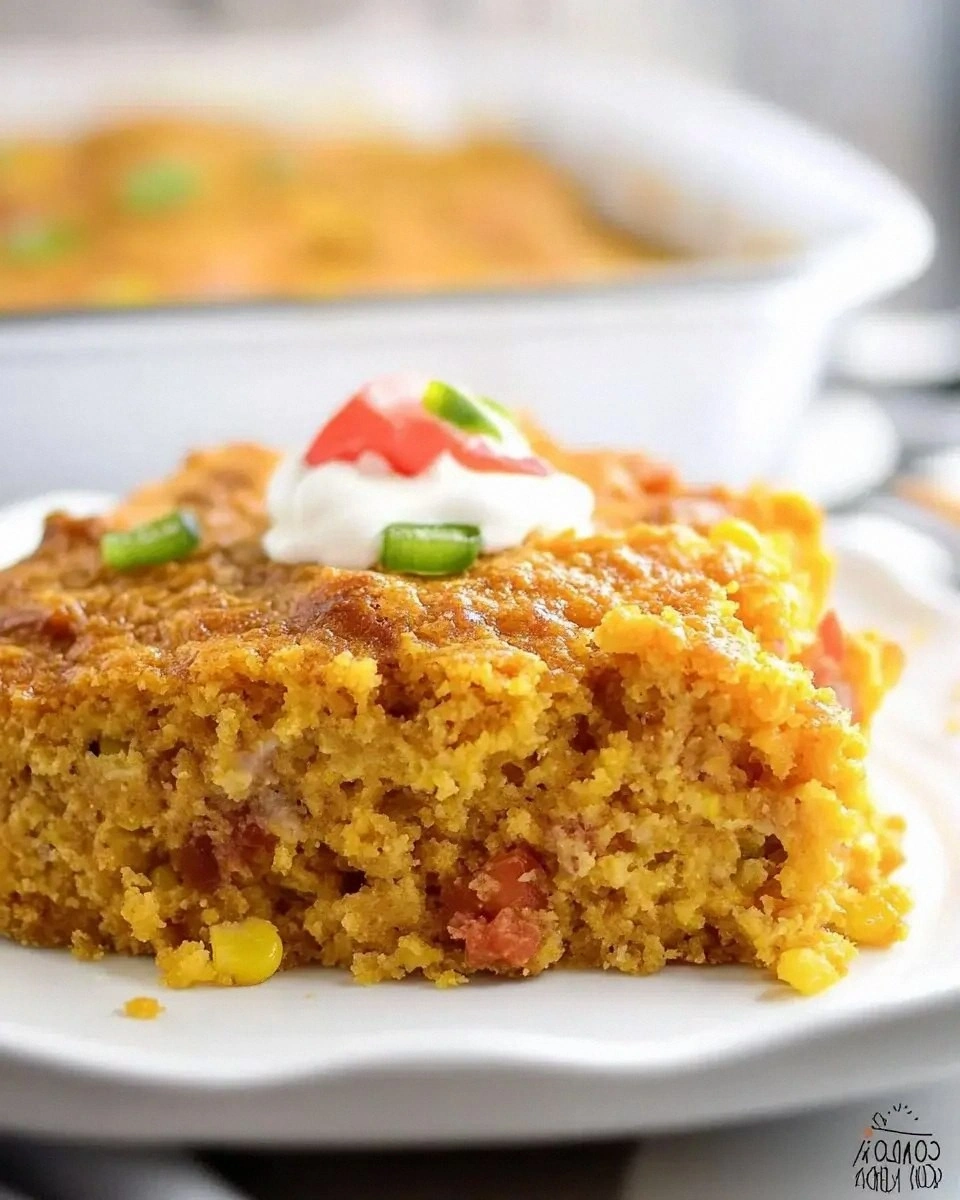
Transfer the skillet to the preheated oven. Bake for 20‑25 minutes, or until the top is a deep amber and a toothpick inserted into the center comes out clean. You’ll hear a faint crackle as the crust sets, and the aroma will fill the kitchen like a campfire on a cool night. Pro tip: If you love extra crispness, broil for the last 2‑3 minutes, watching closely so it doesn’t burn.
Kitchen Hack: Place a shallow pan of water on the lower rack while baking; the steam helps keep the interior moist while the top crisps.When the timer dings, remove the skillet and let the casserole rest for 5‑7 minutes. This rest period allows the steam inside to settle, making it easier to cut clean slices without the crumb falling apart. The edges will pull away a little more, giving you that “just‑right” bite where the crust cracks softly under the fork.
Serve hot, straight from the skillet, with a side of pickled jalapeños or a fresh green salad if you like a contrast. Picture yourself pulling this out of the oven, the whole kitchen smelling incredible, and the first bite delivering a burst of buttery corn, juicy beef, and a hint of smoky paprika. I dare you to taste this and not go back for seconds – it’s that good.
That's it — you did it. But hold on, I've got a few more tricks that'll take this to another level, ensuring every bite is as unforgettable as the first.
Insider Tricks for Flawless Results
The Temperature Rule Nobody Follows
Most home cooks bake at 350°F, but cranking the oven to 375°F gives you that coveted golden crust without overcooking the interior. The higher heat creates a rapid Maillard reaction on the top, forming that crunchy, caramelized layer that makes you want to scoop the whole pan. I once tried baking at 400°F and the top burned before the center set – lesson learned! Keep the temperature steady and trust the timer.
Why Your Nose Knows Best
When the casserole is about 15 minutes into the bake, start sniffing. If you catch a toasty, slightly sweet corn scent, you’re on the right track. If the aroma turns overly buttery or burnt, pull the pan out early and cover with foil. Your sense of smell is a more reliable indicator than any timer ever could be.
The 5‑Minute Rest That Changes Everything
Resist the urge to dive in immediately. Letting the casserole sit for five minutes lets the steam redistribute, firming up the crumb and preventing a soggy bottom. It also gives the flavors a chance to meld, so each bite feels cohesive rather than disjointed. I’ve seen people skip this step and end up with a mushy mess – don’t be that person.
Seasoning Layering Mastery
Season the beef early with salt and pepper, then add a pinch of smoked paprika right before folding in the batter. This two‑stage seasoning ensures the beef stays juicy while the paprika adds a smoky depth that pairs perfectly with the corn. A friend tried skipping the paprika once — let’s just say the dish was missing its “cowboy” swagger.
The Secret Butter Finish
While the casserole rests, melt a tablespoon of butter and drizzle it over the top. The butter melts into the crust, giving it a glossy sheen and an extra layer of richness that makes the edges practically melt in your mouth. This final touch is the difference between “good” and “legendary.”
Creative Twists and Variations
This recipe is a playground. Here are some of my favorite ways to switch things up:
Southwest Heat
Add a diced jalapeño and a teaspoon of cumin to the beef while it browns. The heat pairs beautifully with the sweet corn, and the cumin adds an earthy undertone that makes the dish feel like a fiesta in a skillet.
Cheesy Delight
Stir in a cup of shredded cheddar or pepper jack into the batter before folding it in. The cheese melts into gooey pockets, creating a richer mouthfeel that’s perfect for cheese lovers.
Veggie Boost
Dice a red bell pepper and a small onion, sauté them with the beef. The added sweetness and slight crunch diversify the texture, making the casserole feel lighter without sacrificing heartiness.
Herbaceous Harmony
Mix in a tablespoon of chopped fresh cilantro or parsley after baking. The herb adds a bright, fresh finish that cuts through the richness and elevates the overall flavor profile.
Breakfast Remix
Swap the ground beef for breakfast sausage, add a handful of shredded hash browns to the batter, and serve with a side of maple syrup. It turns the casserole into a hearty brunch centerpiece that will make your Sunday mornings legendary.
Storing and Bringing It Back to Life
Fridge Storage
Let the casserole cool completely, then cover tightly with foil or transfer to an airtight container. It will keep fresh for up to four days. When you’re ready to eat, reheat a slice in the oven at 350°F for 10‑12 minutes, covered with foil to prevent drying.
Freezer Friendly
Portion the casserole into freezer‑safe containers or wrap individual slices in parchment and foil. It freezes beautifully for up to three months. To reheat, thaw overnight in the fridge, then bake at 375°F for 15‑20 minutes, adding a splash of water to the pan to create steam and revive the crumb.
Best Reheating Method
For the crispiest revival, reheat in a hot cast‑iron skillet over medium heat, adding a teaspoon of butter and a splash of water. Cover for a minute to steam the interior, then uncover to let the bottom crisp up. The result mimics that freshly‑baked texture, making leftovers taste like the first serving.