Love this? Pin it for later! 📌
There’s something quietly majestic about a glistening, herb-crusted pork loin emerging from the oven just as your guests are shaking January’s chill from their coats. The first time I served this roast on Martin Luther King Jr. Day, the house smelled like rosemary, garlic, and possibility—exactly the kind of sensory memory that makes a holiday feel rooted. Growing up, my grandmother always reminded me that gatherings are never just about food; they’re about legacy, stories, and the warmth we pass around the table. This roast honors that philosophy: it’s approachable enough for a novice cook, impressive enough for a seasoned host, and generous enough to feed a crowd without emptying your grocery budget.
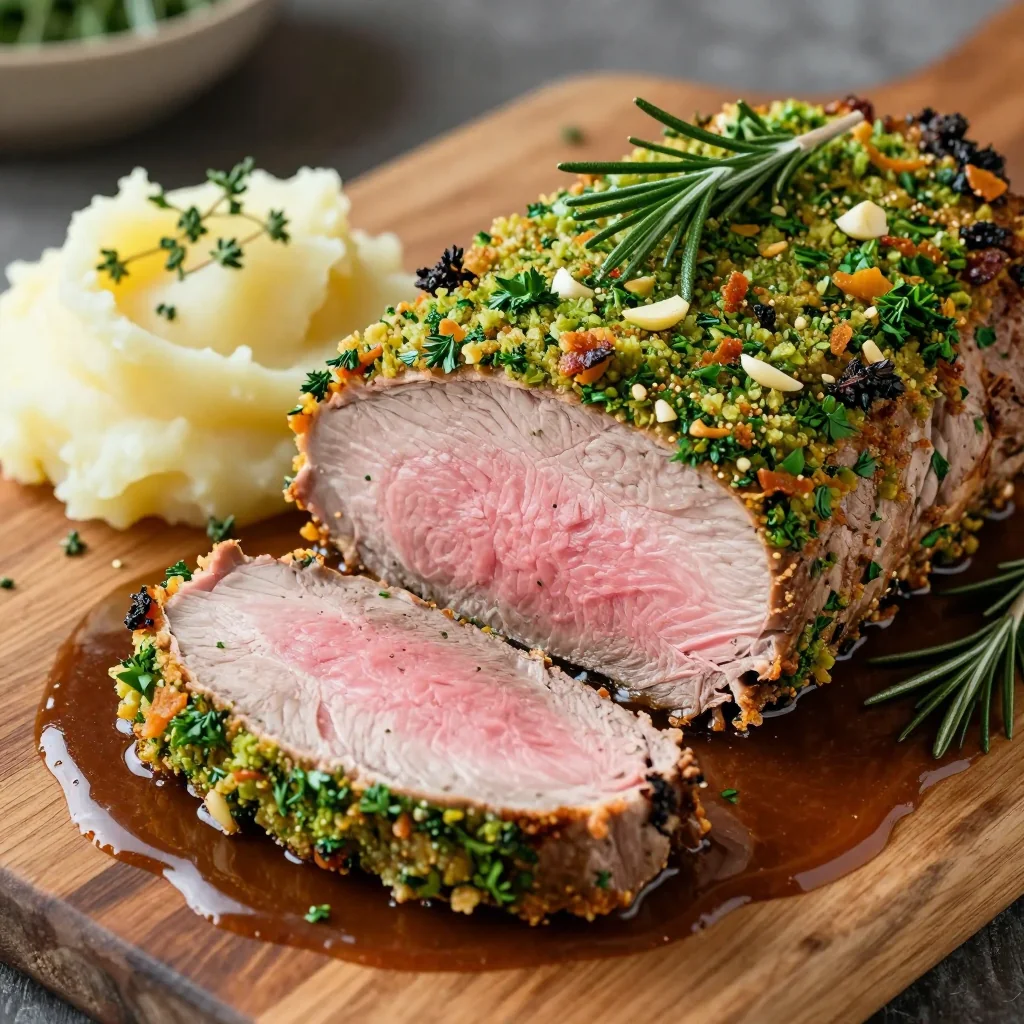
MLK Day falls at a moment when we crave comfort but still cling to the bright promise of a new year. A pork loin, lean yet luxurious, bridges those desires. The crust here is a mosaic of winter herbs—woodsy thyme, peppery rosemary, bright parsley—bound with a kiss of Dijon and a whisper of brown sugar that caramelizes into a mahogany bark. Roasting low and slow keeps every slice juicy, while resting the meat atop a bed of baby potatoes turns the side dish into a one-pan wonder. If you’re planning a reflective afternoon of service followed by a communal table, this recipe stretches to feed volunteers, neighbors, or three generations of cousins. And because the oven does most of the work, you’re free to linger over sparkling cider, swap memories, or reread “Letter from Birmingham Jail” while the roast quietly transforms into Sunday-night perfection.
Why This Recipe Works
- Even browning: A quick stovetop sear before roasting jump-starts the Maillard reaction without drying the interior.
- Flavor layering: Fresh herbs in the crust, dried herbs in the salt rub, and a final herb-butter baste build multidimensional taste.
- One-pan sides: Root vegetables roast underneath, soaking up savory drippings and eliminating extra dishes.
- Make-ahead friendly: The herb paste can be prepped two days early; the roast can be tied and salted the night before.
- Reliable doneness: A probe thermometer guarantees rosy, juicy meat—no guesswork, no anxiety.
- Holiday symbolism: Serving pork—long a symbol of prosperity—on a day dedicated to hope feels quietly celebratory.
Ingredients You'll Need
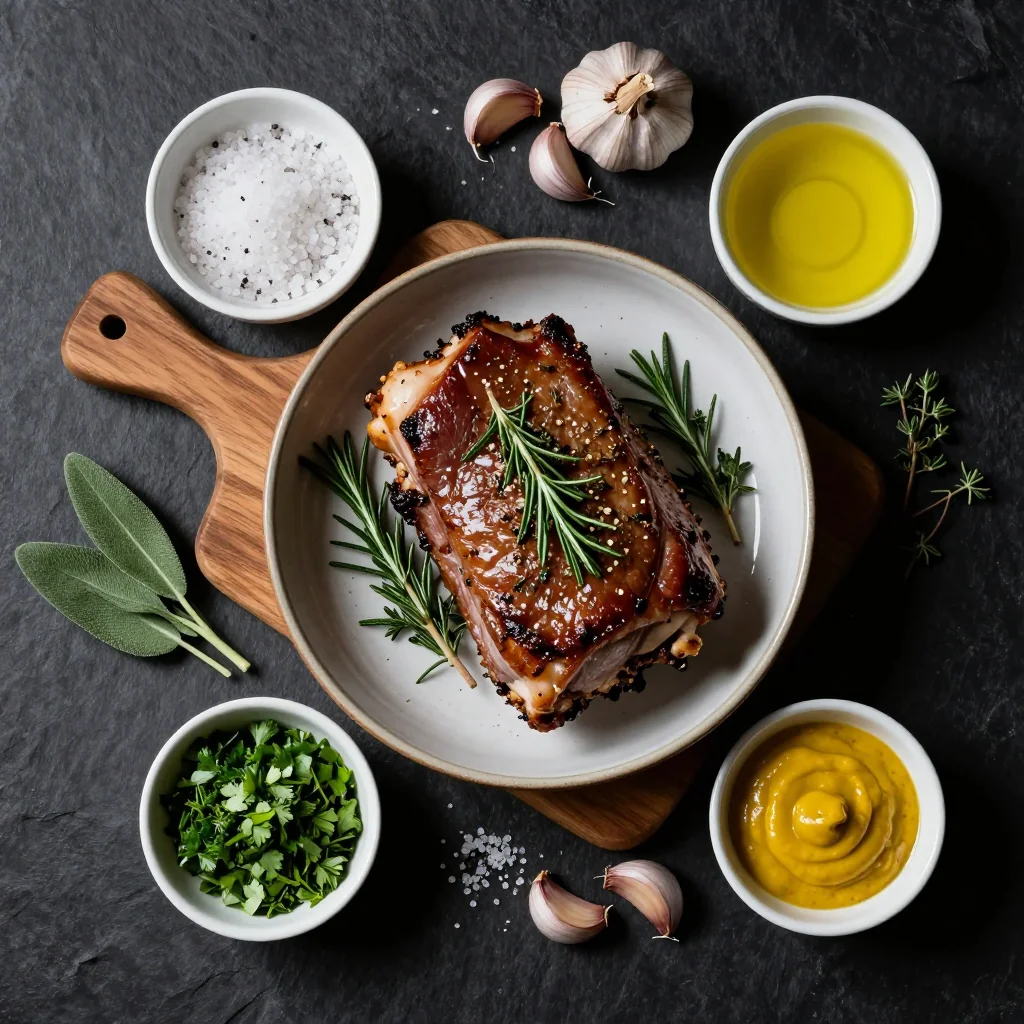
Before we talk technique, let’s talk shopping. A pork loin is not the same as a pork tenderloin; the former is wide, gently tapered, and ideal for roasting a crowd, while the latter is slender and quick-cooking. Look for a center-cut pork loin roast between 3½ and 4½ pounds, preferably heritage-breed pork with a thin ribbon of fat cap still attached. The fat self-bastes as it renders, keeping the roast succulent. Ask your butcher to french the bones if you want a show-stopping rack presentation, or choose a boneless roast for easier carving.
Herbs need to be fresh for the crust; dried herbs are only for the preliminary salt rub. Parsley stems actually contain more essential oil than the leaves, so don’t discard them—chop everything finely. If rosemary feels too piney for your crowd, swap in sage, but keep the thyme; its citrus-peel undertone brightens pork beautifully. Dijon acts as both glue and flavor amplifier, while brown sugar balances the mustard’s tang and encourages caramelization. Olive oil keeps the paste spreadable, but a spoonful of melted butter at the end will give you a restaurant-grade shine.
Regarding the pan companions, baby potatoes hold their shape, but fingerlings or quartered Yukon Golds work. Carrots add color, onions perfume the drippings, and a single sliced fennel bulb melts into licorice-sweet softness. If you prefer apples, swap the fennel for two firm Honeycrisps; they’ll slump into a chunky compote that begs to be spooned alongside each slice of pork.
How to Make Herb Crusted Pork Loin for a Roasted MLK Day Dinner
Pat the pork loin dry with paper towels; moisture is the enemy of browning. If your roast is uneven, fold the thinner tail underneath and tie with kitchen twine every 1½ inches to create a uniform cylinder. In a small bowl, combine 1 tablespoon kosher salt, 1 teaspoon freshly cracked black pepper, ½ teaspoon smoked paprika, and ½ teaspoon dried thyme. Rub this mixture over every surface, including ends. Place the roast on a wire rack set inside a rimmed baking sheet and refrigerate, uncovered, at least 8 hours or up to 24. This dry-brine seasons the meat deeply and dries the exterior so the crust will adhere.
On roasting day, remove the pork from the refrigerator 45 minutes before searing. Meanwhile, drop 2 cups loosely packed flat-leaf parsley, 3 tablespoons fresh thyme leaves, 2 tablespoons fresh rosemary needles, 3 cloves garlic, and the zest of 1 lemon into a mini food processor. Pulse until finely chopped, then add 2 tablespoons Dijon mustard, 1 tablespoon light brown sugar, ½ teaspoon kosher salt, and 3 tablespoons olive oil. Process to a spreadable paste, scraping the bowl once. You want the texture of pesto, not baby food.
Heat 2 teaspoons neutral oil in a heavy 12-inch skillet over medium-high until shimmering. Sear the pork loin on all four sides until deep golden, about 3 minutes per side. Do not crowd the pan; if your roast is too large, cut it in half and sear in batches. Transfer to a plate and let cool 5 minutes so the herb paste won’t slide off when applied.
Preheat oven to 325°F (163°C). Smear the herb paste over the top and sides of the roast, pressing so it clings. Arrange 2 pounds halved baby potatoes, 4 medium carrots cut into 2-inch batons, 1 large onion cut into eighths, and 1 fennel bulb sliced ½-inch thick in the center of a roasting pan. Drizzle with 1 tablespoon olive oil, season with salt and pepper, and toss to coat. Make a small valley in the middle and set the pork loin, fat-cap up, on the vegetables. Slide a probe thermometer horizontally into the thickest part, avoiding bone if your roast is bone-in.
Transfer the pan to the oven and roast until the internal temperature reaches 140°F (60°C) for blush-pink centers, about 1 hour 15 minutes to 1 hour 45 minutes depending on thickness. Begin checking at the 60-minute mark. Halfway through, give the vegetables a gentle stir so they bathe in the rendered juices. If the herb crust starts to overbrown, tent loosely with foil.
When the roast reaches 140°F, melt 1 tablespoon unsalted butter and stir in 1 teaspoon chopped parsley. Brush this glossy mixture over the crust, then increase oven temperature to 425°F (220°C) for 5 minutes to crystallize the sugars. Remove pan from oven, transfer pork to a carving board, and tent loosely with foil. Rest 15 minutes; the internal temperature will rise to a food-safe 145°F (63°C) while juices redistribute.
Place the roasting pan over medium heat on the stovetop. Whisk 1 tablespoon all-purpose flour into the vegetables and drippings and cook 1 minute. Pour in 1 cup low-sodium chicken broth and ½ cup dry white wine, scraping browned bits. Simmer 3 minutes until thickened; taste for salt. Strain if you want silky gravy or leave rustic with vegetables.
Snip off the twine. Using a long sharp slicing knife, cut across the grain into ½-inch slices. Arrange on a platter, surround with the caramelized vegetables, and drizzle with a spoonful of pan gravy. Garnish with fresh parsley or pomegranate arils for a pop of ruby red that nods to the holiday’s spirit of vibrancy and hope.
Expert Tips
Thermometer is Non-Negotiable
An inexpensive probe thermometer saves dinner. Set the alarm for 140°F and forget clock-watching.
Don’t Skip the Rest
Fifteen minutes of patience prevents a tidal wave of juice on the cutting board, ensuring moist slices.
Make-Ahead Herb Paste
The paste freezes beautifully in ice-cube trays; pop out a cube whenever you need instant flavor.
Reserve the Fat Cap
Render the trimmed fat into cracklings; sprinkle them over roasted brussels sprouts for a salty crunch.
Citrus Swap
Orange or lime zest can stand in for lemon, each bringing a different sunny personality to winter herbs.
Double the Vegetables
Leftover roasted vegetables become tomorrow’s soup: simply blend with broth and a splash of cream.
Variations to Try
- Mediterranean: Swap rosemary for oregano, add sun-dried tomatoes to the paste, and serve with lemon-tahini drizzle.
- Apple-Cider Glaze: Replace brown sugar with boiled cider and tuck quartered apples around the roast.
- Spicy-Sweet: Add 1 teaspoon chipotle powder to the herb paste and brush with maple syrup during the final 5 minutes.
- Asian-Inspired: Use white miso instead of Dijon, add grated ginger, and serve with sesame-garlic bok choy.
- Smoky Coffee: Mix 1 teaspoon espresso powder into the salt rub for a subtle campfire note.
Storage Tips
Refrigerator: Cool leftover pork completely, then store slices in an airtight container with any pan juices up to 4 days. Keep vegetables in a separate container so they don’t weep on the meat.
Freezer: Wrap individual portions in parchment, then foil, then a freezer bag. Freeze up to 3 months. Thaw overnight in the refrigerator and reheat gently in a covered skillet with a splash of broth at 275°F until just warmed.
Make-Ahead: The herb paste can be blended and refrigerated 2 days ahead. You can also sear and crust the roast, then hold it on its rack (uncovered) in the fridge up to 24 hours; just add 10 minutes to the initial roasting time.
Frequently Asked Questions
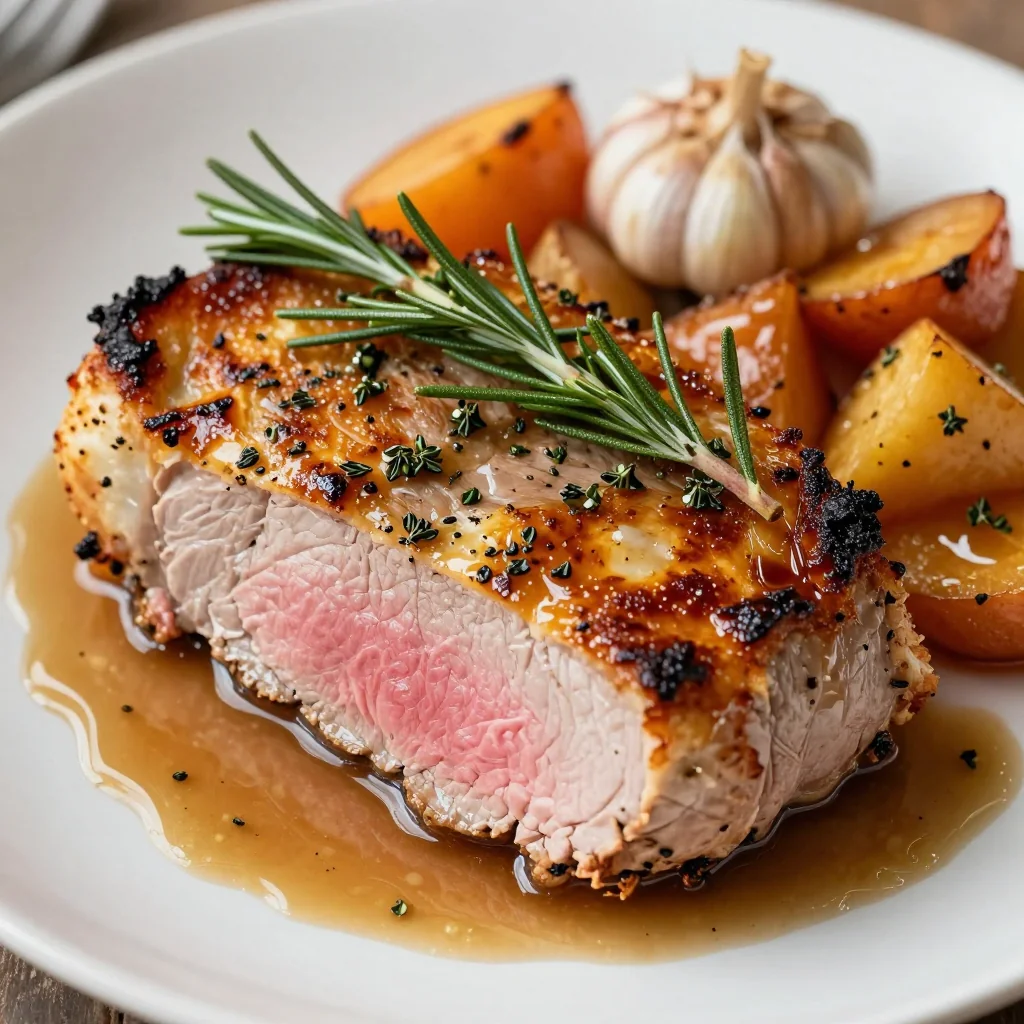
Herb Crusted Pork Loin for a Roasted MLK Day Dinner
Ingredients
Instructions
- Dry-brine: Mix salt, pepper, paprika, and dried thyme; rub over pork. Refrigerate uncovered 8–24 hours.
- Herb paste: Blend parsley, thyme, rosemary, garlic, lemon zest, Dijon, brown sugar, and olive oil to a pesto consistency.
- Sear: Heat oil in skillet. Sear pork on all sides until golden, about 3 minutes per side. Cool 5 minutes.
- Crust: Spread herb paste over top and sides of roast.
- Vegetables: Toss potatoes, carrots, onion, and fennel with oil, salt, and pepper in roasting pan; create a valley and set pork on top.
- Roast: Insert probe thermometer. Roast at 325°F until 140°F internal, 75–90 minutes.
- Glaze: Brush with melted butter mixed with parsley. Increase heat to 425°F for 5 minutes.
- Rest & carve: Tent pork with foil 15 minutes, then slice and serve with vegetables and optional pan gravy.
Recipe Notes
Leftover pork makes incredible sandwiches with whole-grain mustard and arugula on crusty rolls. Save the bones for a small-batch broth flavored with star anise and ginger.