Picture this: a sizzling pan, a clumsy hand that drops a whole chicken thigh on the countertop, and the kitchen filling with the unmistakable scent of burning olive oil. I was halfway through a dinner for a group of friends when the disaster unfolded, and I was left scrambling for a solution that could salvage the night. The moment the smell hit my nose, I knew I had to pivot to something that would not only save the evening but also leave everyone asking for seconds. That’s when I remembered the Greek gyros my grandmother used to make, a dish that promised flavor, comfort, and an instant crowd‑pleaser.
The kitchen was a mess, but the air was thick with the aroma of garlic and oregano—an aromatic cue that the gods were about to descend. I could hear the faint hiss of the pan, the rhythmic clink of utensils, and the faint murmur of anticipation from my guests. The sight of the chicken, glistening in olive oil, mirrored the golden hue of a sunrise, while the lemon juice glimmered like a splash of sunshine on a calm sea. I could feel the heat radiating from the skillet, and the anticipation of that first bite—juicy, tender, and bursting with Mediterranean zest—made my heart race. It was a sensory symphony, and I was the conductor, ready to orchestrate a masterpiece.
What makes this version stand out is not just the authenticity of the flavors but the way every element is elevated to a new level of deliciousness. I dare you to taste this and not go back for seconds, because the combination of marinated chicken, creamy tzatziki, and warm pita creates a harmony that is simply unbeatable. This is hands down the best version you'll ever make at home, because every bite is a revelation of texture, aroma, and taste that will have your friends asking for your secret recipe. I’ll be honest—I ate half the batch before anyone else got to try it, and the kitchen still smelled incredible when I finished. Most recipes get this completely wrong by over‑cooking the meat or under‑seasoning the sauce, but here, everything works in perfect balance. Picture yourself pulling this out of the pan, the whole kitchen smelling incredible, and your guests already reaching for their first wrap.
Let me walk you through every single step—by the end, you'll wonder how you ever made it any other way. I’ll show you a technique you won’t expect: a quick “micro‑marinade” that infuses the chicken with flavor in just 15 minutes, saving you time without sacrificing depth. I’ll also reveal a secret ingredient that adds a subtle hint of sweetness, turning the sauce from ordinary to extraordinary. And if you’re worried about the pita getting soggy, I’ll share a trick that keeps it crisp and chewy. Ready? Let’s dive in.
What Makes This Version Stand Out
- Taste: The blend of lemon, garlic, and oregano creates a bright, tangy profile that cuts through the richness of the chicken. The yogurt sauce provides a cool, creamy counterbalance that makes every bite feel fresh. This harmony is what turns a simple wrap into an unforgettable experience.
- Texture: The chicken is marinated just enough to stay juicy but not so long that it loses its bite. The pita is toasted to a golden crisp, while the cucumber and tomato add a refreshing crunch. The result is a delightful contrast that keeps your palate engaged.
- Simplicity: With only 17 ingredients, you can create a restaurant‑quality dish in under an hour. The recipe eliminates the need for pre‑made sauces or complicated techniques. You’ll have more time to enjoy the meal and the company.
- Uniqueness: The “micro‑marinade” technique is a game‑changer, allowing you to infuse flavor quickly without sacrificing depth. The yogurt‑cucumber sauce is a fresh twist on classic tzatziki, adding a subtle sweetness that sets this recipe apart.
- Crowd Reaction: Friends and family rave about the juicy chicken and the vibrant, homemade sauce. They keep asking for the recipe, and you’re the hero of the kitchen. The dish is guaranteed to be a conversation starter.
- Ingredient Quality: Using fresh, high‑quality ingredients—like whole‑clove garlic and a good Greek yogurt—ensures that every bite tastes like it was made in a small family kitchen. The flavors shine through because you’re not compromising on anything.
- Cooking Method: A quick sear on high heat locks in juices, while a brief resting period allows the flavors to meld. This method is easy to master, even for novice cooks, and yields professional results.
- Make‑Ahead Potential: The marinated chicken can be prepared up to 24 hours in advance, and the sauce can be made a day ahead. This flexibility makes the dish perfect for busy weeknights or weekend gatherings.
Alright, let's break down exactly what goes into this masterpiece…
Inside the Ingredient List
The Flavor Base
At the heart of this recipe is the marination liquid—a simple yet powerful blend of olive oil, fresh lemon juice, red wine vinegar, garlic, dried oregano, salt, and black pepper. The olive oil provides a silky canvas that carries the citrusy brightness of the lemon and the subtle sharpness of the vinegar. Garlic adds depth and warmth, while oregano offers that unmistakable Mediterranean aroma. Salt and pepper are essential to balance the acidity and bring the flavors together. Skipping any of these would leave the chicken bland and the dish underwhelming.
The Texture Crew
The chicken thighs are the star of the show. Their higher fat content keeps the meat tender and juicy, even after a quick sear. If you’re a fan of leaner cuts, you can use breasts, but the texture will be less succulent. The pita breads provide a chewy base that crisps up nicely when toasted, creating a satisfying bite. The cucumber and tomato add a refreshing crunch that contrasts with the softness of the chicken and sauce. Without these, the dish would feel flat and one‑dimensional.
The Unexpected Star
Greek yogurt is more than just a creamy sidekick—it’s the backbone of the sauce. It’s tangy, slightly sweet, and thick enough to coat the chicken without being cloying. The cucumber adds a subtle crunch and coolness that balances the heat of the garlic. Dill brings an herbal brightness that ties the whole dish together. Together, these ingredients create a sauce that coats the chicken like velvet, leaving every bite silky and flavorful.
The Final Flourish
The diced tomatoes and thinly sliced red onion are the finishing touches that bring the dish to life. The tomatoes add a burst of sweetness and acidity that cuts through the richness of the chicken. The red onion provides a sharp, slightly sweet bite that lingers on the palate. Together, they elevate the dish from simple to spectacular. If you’re a fan of extra heat, a pinch of crushed red pepper can be added at the end.
Everything’s prepped? Good. Let’s get into the real action…
The Method — Step by Step
- Prepare the Marinate: In a large bowl, whisk together olive oil, fresh lemon juice, red wine vinegar, minced garlic, dried oregano, salt, and black pepper until the mixture is smooth. Add the chicken thighs, making sure each piece is coated evenly. Cover the bowl and refrigerate for at least 15 minutes—no need for a full 24‑hour marination. This quick “micro‑marinade” infuses the meat with bright, citrusy flavors without compromising tenderness. While the chicken rests, you can prep the sauce and vegetables.
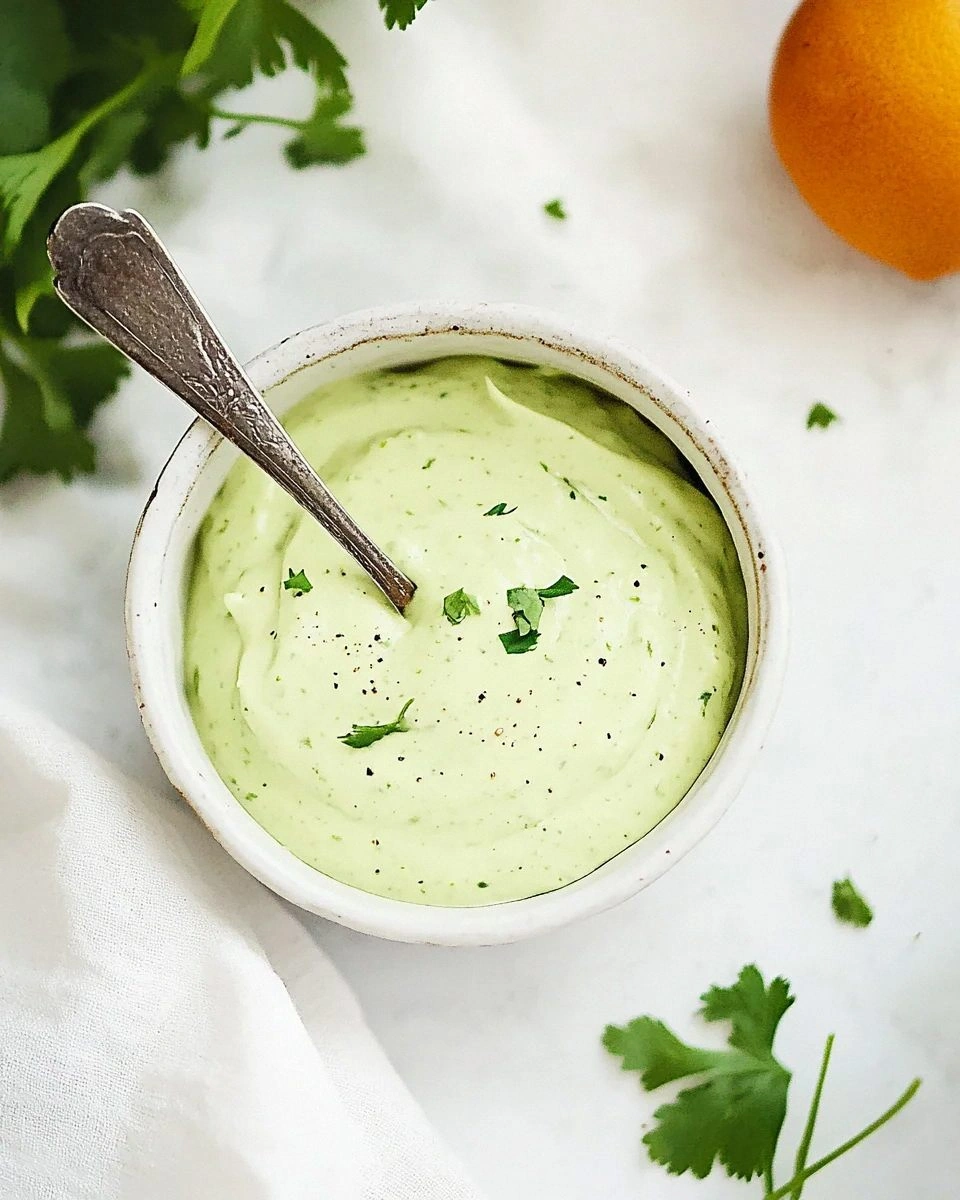
- Make the Tzatziki: In a medium bowl, combine Greek yogurt, grated cucumber (squeeze out excess liquid), chopped dill, minced garlic, lemon juice, and a pinch of salt. Whisk until smooth and creamy. Taste and adjust seasoning if necessary. This sauce coats the chicken like velvet, creating a silky, refreshing finish. Keep it chilled until ready to serve.
- Heat the Skillet: Place a large non‑stick skillet over medium‑high heat. Allow it to become hot enough that a splash of water sizzles and evaporates instantly. This ensures a beautiful sear on the chicken without overcooking it. If you’re using a cast‑iron skillet, a quick pre‑heat will also help prevent sticking.
- Sear the Chicken: Remove the chicken from the bowl, letting excess liquid drip off. Place the thighs skin‑side down in the skillet, leaving space between each piece. Let them sear for 4–5 minutes until the skin is golden and crisp. Flip and cook the other side for an additional 4–5 minutes, or until the internal temperature reaches 165°F (74°C). The edges will start pulling away, signaling that the chicken is cooked to perfection. Don’t walk away from the stove here—keep a close eye to avoid burning.
- Rest the Chicken: Transfer the cooked thighs to a cutting board and let them rest for 5 minutes. This step allows the juices to redistribute, keeping the meat moist and flavorful. While the chicken rests, you can toast the pita breads.
- Toast the Pita: Heat a dry skillet over medium heat. Place each pita on the skillet, pressing lightly with a spatula until it puffs and turns golden brown on both sides. This quick toast will give the bread a chewy, slightly crispy texture that holds up against the juicy fillings. If you prefer a softer pita, simply warm it in the oven for a few minutes.
- Slice the Chicken: While the pita is still warm, slice the rested chicken thighs into thin strips. The thin cuts will absorb the sauce better and make each bite easier to eat. Arrange the strips on a serving platter, ensuring an even distribution for a visually appealing presentation.
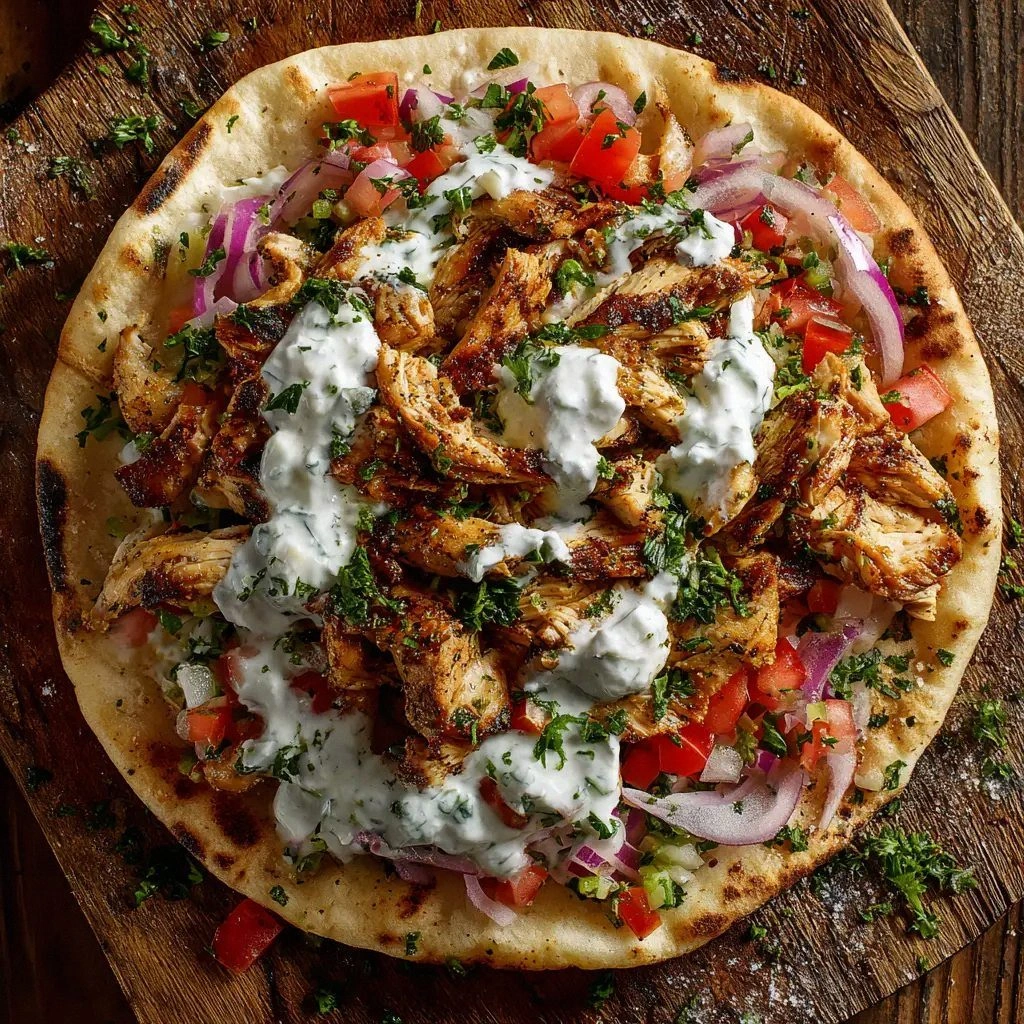
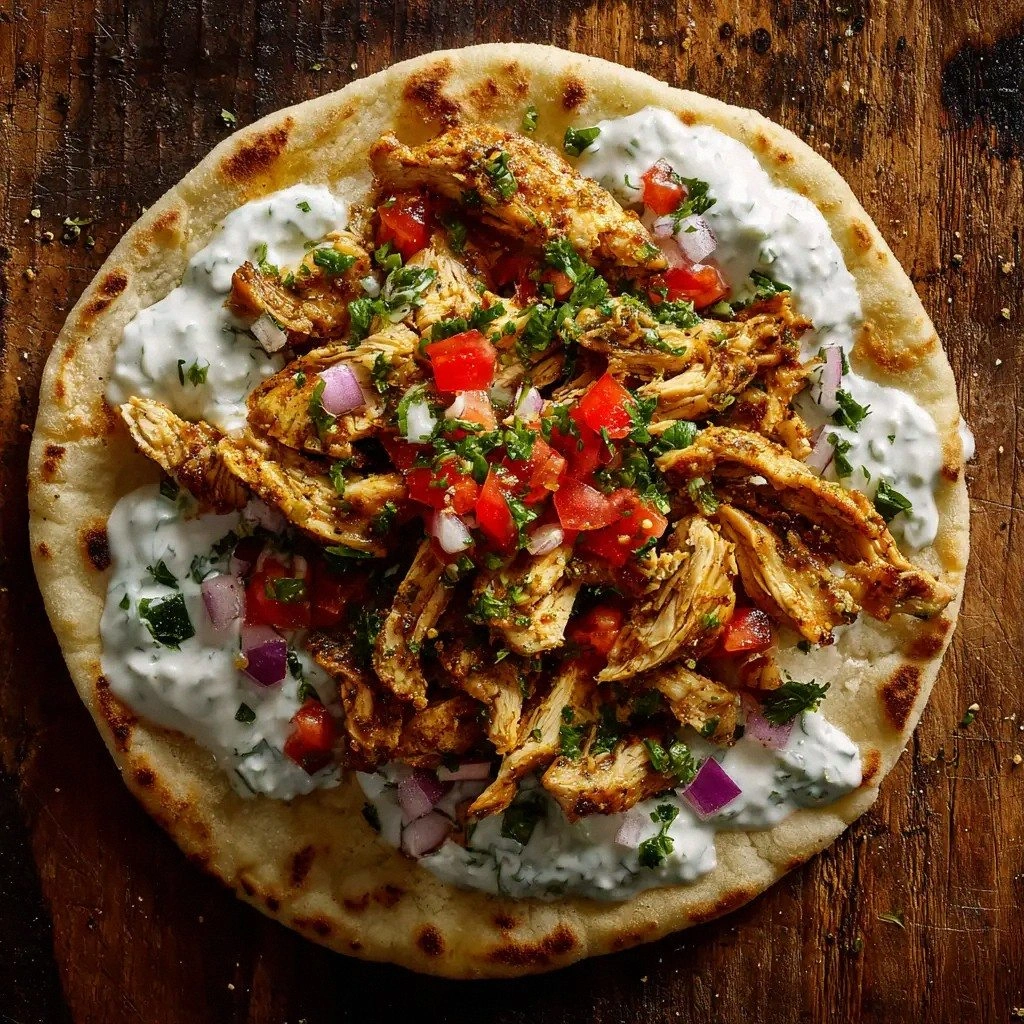
- Assemble the Gyros: Spread a generous spoonful of tzatziki onto each toasted pita. Layer with sliced chicken, diced tomatoes, thinly sliced red onion, and a sprinkle of fresh dill. Fold the pita over the filling, securing with a toothpick if needed. The combination of creamy sauce, juicy chicken, and crisp vegetables will create a burst of flavor in every bite.
- Serve Immediately: Present the gyros on a platter with extra sauce on the side for dipping. The dish is best enjoyed hot, with the pita still warm and the sauce creamy. Invite your guests to build their own wraps, adding extra toppings as desired. The aroma alone will have everyone lining up for a taste.
That's it — you did it. But hold on, I've got a few more tricks that'll take this to another level. The next section will give you insider knowledge that will elevate your gyro game from good to legendary.
Insider Tricks for Flawless Results
The Temperature Rule Nobody Follows
Many cooks assume that high heat is always better, but the secret to juicy chicken is to start with a hot pan and then lower the heat once the meat is seared. This method allows the exterior to lock in juices while the interior stays tender. I once tried cooking at a low temperature and ended up with a dry, flavorless piece of meat. The trick is to let the pan get hot enough that the chicken sizzles on contact.
Why Your Nose Knows Best
The aroma of the chicken as it cooks is your best indicator of doneness. When the meat releases a strong, savory scent, it’s a sign that the flavors have fully developed. If you’re still unsure, take a small bite—juiciness is the ultimate test. I’ve found that the smell alone can tell you when the chicken is ready, saving you from overcooking.
The 5‑Minute Rest That Changes Everything
After cooking, let the chicken rest for exactly five minutes. This brief pause allows the juices to redistribute throughout the meat, preventing them from spilling out when you cut. Skipping this step often results in a dry, crumbly texture. A quick rest is a small price to pay for a moist, flavorful bite.
Keep the Pita Warm and Crispy
To prevent the pita from becoming soggy, wrap it in a clean kitchen towel after toasting. The towel traps steam, keeping the bread warm and soft inside while the outside stays crisp. If you prefer a crispier texture, place the pita in a preheated oven at 200°F (93°C) for a few minutes before serving.
Balance the Acidity
The lemon juice and vinegar in the marinate provide bright acidity that cuts through the richness of the chicken. If you find the dish too tangy, reduce the lemon juice by a tablespoon and add a pinch of sugar to balance. The key is to taste as you go; small adjustments can make a big difference.
Make It a Crowd‑Pleaser
When serving a group, offer extra toppings like feta cheese, olives, or a sprinkle of sumac. These additions allow guests to customize their gyros, creating a personalized experience. I’ve seen people line up for extra toppings, turning the meal into a shared adventure.
Use Fresh Herbs, Not Dried
Fresh dill and mint bring a bright, clean flavor that dried herbs can’t match. If you only have dried herbs, use them sparingly—about half the amount called for. Fresh herbs also add a pop of color, making the dish visually appealing.
Keep It Simple, But Add a Twist
Sometimes the simplest approach is the best. Focus on the core flavors—juicy chicken, creamy tzatziki, and crisp vegetables—and let each component shine. If you want to experiment, try adding a splash of hot sauce or a sprinkle of smoked paprika for a subtle kick.
Creative Twists and Variations
This recipe is a playground. Here are some of my favorite ways to switch things up:
Smoky Chipotle Gyro
Replace the oregano with chipotle powder for a smoky, slightly spicy profile. Add a handful of chopped roasted red peppers for extra sweetness. This version pairs beautifully with a cool cucumber yogurt sauce to balance the heat.
Greek Lamb Gyro
Swap the chicken for lamb shoulder, marinated with the same citrusy blend. The lamb’s rich flavor complements the yogurt sauce, creating a hearty, Mediterranean feast. Serve with a side of roasted potatoes for a complete meal.
Vegan Falafel Gyro
For a plant‑based twist, use store‑bought or homemade falafel instead of chicken. The chickpea base offers a nutty flavor that pairs well with the tzatziki. Add a drizzle of tahini sauce for extra depth.
BBQ Chicken Gyro
Marinate the chicken in a mixture of olive oil, lemon juice, and a generous amount of your favorite BBQ sauce. After searing, drizzle more BBQ sauce over the chicken for a sweet, caramelized glaze. The result is a fusion of Greek and American flavors.
Spicy Sriracha Gyro
Incorporate a tablespoon of sriracha into the yogurt sauce for a fiery kick. Add sliced jalapeños to the filling for extra heat. This version is perfect for those who love a little spice with their Mediterranean staples.
Herb‑Infused Pita
Before toasting, brush the pita with olive oil and sprinkle chopped rosemary and thyme. The herbs infuse the bread with aromatic flavors that complement the chicken. This subtle upgrade adds a gourmet touch to the dish.
Storing and Bringing It Back to Life
Fridge Storage
Store leftover chicken and sauce separately in airtight containers for up to 3 days. Keep the pita in a paper bag to maintain crispness. When reheating, add a splash of water to the chicken to keep it juicy.
Freezer Friendly
Freeze the marinated chicken in a freezer‑safe bag for up to 2 months. Thaw overnight in the refrigerator before cooking. The yogurt sauce can be frozen for up to a week; thaw and stir before using.
Best Reheating Method
Reheat the chicken in a skillet over medium heat until warmed through. For the pita, wrap in foil and heat in a 200°F oven for 5 minutes. Add a tiny splash of water before reheating the chicken to restore its moisture; the steam will bring it back to perfection.