I remember the night I almost ruined a dinner for my sister’s birthday. A pot of curry had gone a little too far into the “smoky” zone, and the whole kitchen smelled like a campfire that never quite caught. I was about to toss the entire batch when I discovered a secret technique that turned the disaster into a triumph. That single tweak—adding coconut milk at the right moment—saved the sauce, softened the spices, and created a silky, tomato‑rich base that still carries a hint of heat. I dare you to taste this and not go back for seconds.
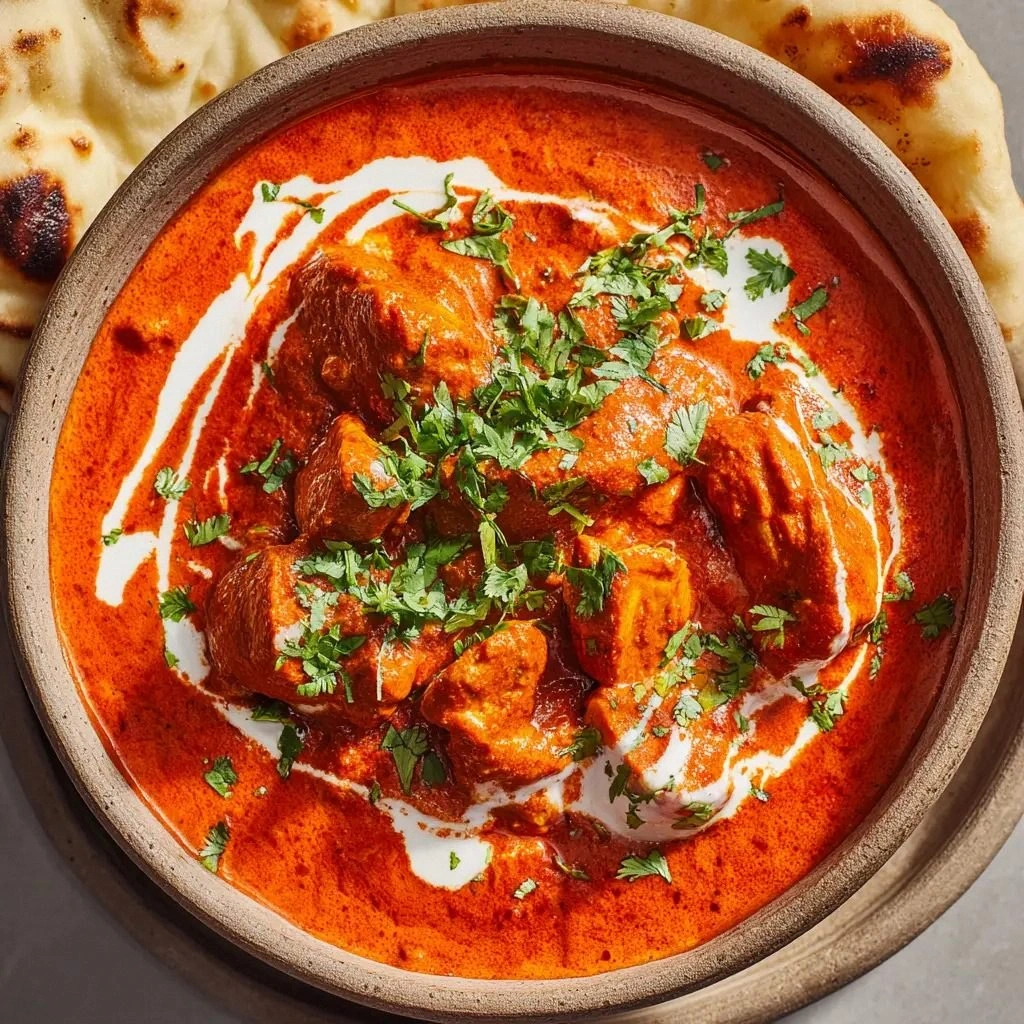
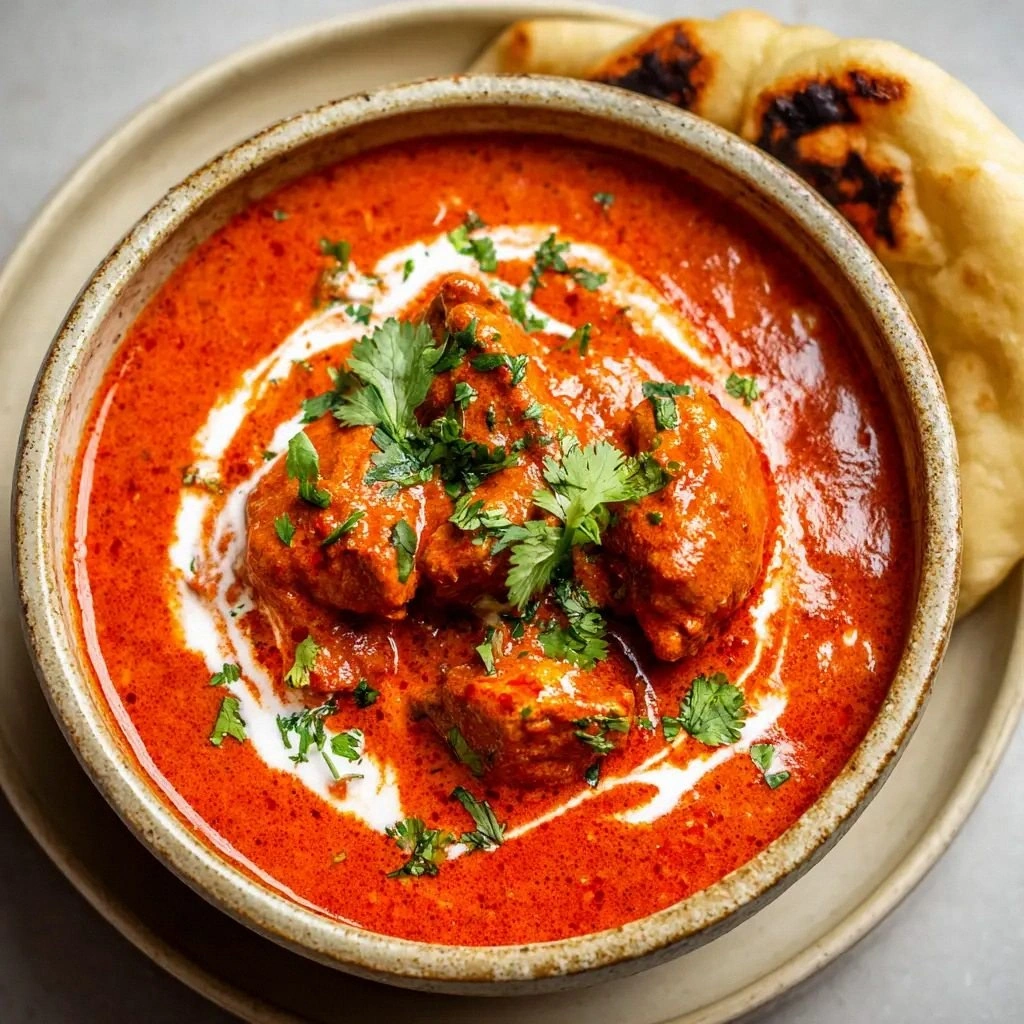
Imagine the first bite: the sauce is thick, almost like velvet, clinging to each morsel of chicken. The aroma of toasted cumin and garam masala rises, mingling with the sweet scent of fresh ginger and the subtle earthiness of smoked paprika. The sound of the pot is a gentle hiss, a promise that the flavors are melding together. The texture is a perfect balance—tender chicken that falls apart on the tongue, wrapped in a luscious, creamy sauce that coats the rice or flatbread like a warm blanket.
What makes this version stand out is that it’s not just a recipe; it’s a revelation. I’ve spent years experimenting with Indian curries, and this one feels like a secret handshake between the kitchen and your palate. The sauce is both comforting and daring, the spices are bold yet harmonious, and the coconut milk gives it a luxurious finish that feels like a holiday even on a weekday. Most recipes get this completely wrong by overcooking the chicken or undercooking the spices. Here’s what actually works: let the aromatics bloom before adding the liquid, and finish with a splash of coconut milk to balance the acidity of the tomatoes.
Picture yourself pulling this out of the oven, the whole kitchen smelling incredible, and your guests gathering around the table with eyes wide open. This is hands down the best version you’ll ever make at home, and I’ve got the secret to make it even more unforgettable. Let me walk you through every single step—by the end, you’ll wonder how you ever made it any other way.
What Makes This Version Stand Out
- Flavor: The sauce is a harmonious blend of sweet coconut milk and acidic crushed tomatoes, balanced by a robust spice mix that delivers depth without overpowering.
- Texture: Tender chicken pieces that practically melt, set against a silky sauce that coats every grain of rice or naan.
- Ease: Every step is straightforward, with no hidden tricks—perfect for both beginners and seasoned cooks.
- Ingredient Quality: Fresh ginger, high‑fat coconut milk, and real garam masala make the difference between a good curry and a great one.
- Versatility: Works beautifully with chicken, shrimp, or even tofu—just adjust cooking time.
- Make‑ahead Potential: The curry keeps its flavor after a day; a quick reheat restores the sauce’s silky sheen.
- Crowd Appeal: The dish is comforting yet exotic, making it a hit at dinner parties or family gatherings.
- Time Efficiency: From prep to plate, the entire process takes less than an hour, so you can enjoy dinner without a long wait.
Alright, let’s break down exactly what goes into this masterpiece…
Inside the Ingredient List
The Flavor Base
Onion: The sweet, caramelized onion forms the aromatic foundation of the curry. When sautéed until golden, it releases natural sugars that enhance the overall depth of flavor. If you skip it, the sauce will feel flat and lack the necessary sweetness to balance the spices.
Garlic: Fresh garlic provides a punchy, savory kick that cuts through the richness of coconut milk. Its aroma lingers throughout the dish, making each bite more complex. Removing garlic will leave the curry tasting one-dimensional.
Ginger: Fresh ginger adds a bright, peppery note that lifts the heaviness of the sauce. It also contributes subtle heat that complements the smoked paprika. If you’re short on time, you can use 1 teaspoon of ground ginger, but the fresh flavor is unmistakable.
The Texture Crew
Chicken: Boneless skinless breasts or thighs are ideal because they stay juicy and tender. The thighs have more fat, which keeps the meat moist; the breasts are leaner and cook faster. Cutting the chicken into bite‑sized pieces ensures even cooking and easier spooning into the sauce.
Tomatoes: Crushed tomatoes give the curry a thick, velvety consistency and a subtle sweetness that balances the spices. If you prefer a smoother sauce, use pureed tomatoes; if you want more texture, leave the chunks as is.
The Unexpected Star
Coconut Milk: The full‑fat coconut milk is the secret to the creamy, luxurious mouthfeel that coats the chicken. It also tempers the acidity of the tomatoes and the heat of the spices. Skipping coconut milk will result in a thinner, less indulgent sauce that lacks that signature “curry” richness.
The Final Flourish
Fresh Cilantro: Chopped cilantro adds a burst of freshness that cuts through the richness of the sauce. It also provides a subtle herbal note that enhances the overall flavor profile. If you’re not a fan of cilantro, you can substitute parsley or basil for a different twist.
Salt: Kosher salt balances all the flavors, allowing the spices to shine without overpowering the dish. Too little salt will make the sauce taste flat; too much can make it overly salty. Adjust to taste after the curry has simmered.
Everything’s prepped? Good. Let’s get into the real action…
The Method — Step by Step
- Heat the olive oil in a large skillet over medium heat. Add the diced onion and sauté until it turns translucent and starts to brown, about 5 minutes. The onion should look like golden amber; if it starts to burn, lower the heat. This step is crucial because it builds the flavor foundation.
- Add the minced garlic and grated ginger, stirring constantly for 1 minute until fragrant. The garlic will release a sharp aroma that permeates the oil. Watch for any signs of burning—if it turns dark, remove the pan from heat and let it cool slightly.
- Introduce the garam masala, turmeric, smoked paprika, and cumin. Stir for 30 seconds until the spices are toasted. The aroma should be rich and toasty, like a freshly ground coffee shop. This is the moment of truth; the spices must bloom without burning.
- Pour in the crushed tomatoes and bring the mixture to a gentle simmer. Let it cook for 10 minutes, allowing the tomatoes to reduce slightly and the flavors to meld. The sauce should thicken into a thick, red gravy.
- Add the chicken pieces, turning them to coat with the sauce. Cook for 8 minutes, or until the chicken is no longer pink. The edges of the chicken should pull away from the pan, indicating doneness. If the chicken sticks, give it a minute before flipping.
- Stir in the coconut milk, then reduce the heat to low. Let the curry simmer gently for 10 minutes, allowing the coconut to integrate fully with the tomato base. The sauce will become silky and glossy.
- Season with salt, adjusting to taste. If you prefer a bit more heat, add a pinch of red pepper flakes. This step finalizes the flavor profile, ensuring each bite is balanced.
- Finish by stirring in fresh cilantro, reserving a small handful for garnish. The cilantro adds brightness that cuts through the richness of the coconut milk. Let the curry rest for 2 minutes before serving.
- Serve hot with warm naan or basmati rice. The bread is perfect for scooping up the creamy sauce, while the rice offers a neutral backdrop that lets the curry shine.
- If you’re feeling adventurous, garnish with a squeeze of lime or a sprinkle of toasted sesame seeds. The lime adds a citrusy zing, and the sesame gives a nutty crunch that contrasts the silky sauce.
That’s it — you did it. But hold on, I’ve got a few more tricks that’ll take this to another level.
Insider Tricks for Flawless Results
The Temperature Rule Nobody Follows
Why it matters: Cooking the spices at the right temperature unlocks their full aroma. Too hot, and you’ll burn them; too cool, and they won’t release their oils. Keep the flame medium and stir constantly.
Why Your Nose Knows Best
Tip: Trust the scent. When the spices begin to perfume the air, the sauce is ready to move to the next step. If you’re unsure, pause and sniff; it’s a reliable indicator of progress.
The 5-Minute Rest That Changes Everything
Why it matters: Letting the curry rest after cooking allows the flavors to marry fully. The sauce will thicken slightly, and the chicken will absorb more of the spices, making each bite richer.
The Secret of a Silky Finish
Tip: Finish the dish with a small splash of cream or a dollop of yogurt if you prefer extra richness. Stir gently to incorporate without curdling.
The One Ingredient That Elevates
Tip: Use a high‑fat coconut milk; the fat content creates a smoother, more luxurious sauce that clings to the chicken beautifully.
The Quick Fix for a Thin Sauce
Tip: If your sauce is too thin, simmer uncovered for a few minutes to reduce or whisk in a tablespoon of flour dissolved in water to thicken.
Creative Twists and Variations
Spicy Peanut Butter Kick
Swap the coconut milk for a mixture of coconut milk and creamy peanut butter. The nutty undertone pairs well with the smoky paprika, creating a Southeast Asian fusion that’s bold and comforting.
Lemon‑Ginger Zest
Add a squeeze of fresh lemon juice and a dash of grated lemon zest at the end. The citrus brightens the dish, cutting through the richness and leaving a clean, refreshing finish.
Vegetarian Version
Replace the chicken with diced butternut squash or paneer. The vegetables absorb the sauce beautifully, making this a hearty plant‑based option that still feels indulgent.
Quick Weeknight Fix
Use pre‑cooked rotisserie chicken and a ready‑made tomato sauce. This shortcut keeps the flavor profile intact while slashing prep time.
Breakfast Twist
Serve the curry over fluffy scrambled eggs instead of rice. The eggs soak up the sauce, creating a savory breakfast that’s both filling and exotic.
Gluten‑Free Delight
Swap naan for corn tortillas or a gluten‑free flatbread. The dish remains fully gluten‑free while still delivering the same comforting texture.
Storing and Bringing It Back to Life
Fridge Storage
Store the curry in an airtight container for up to 3 days. The coconut milk may separate slightly; give it a quick stir before reheating.
Freezer Friendly
Freeze portions in freezer bags for up to 2 months. Thaw overnight in the fridge before reheating.
Best Reheating Method
Reheat gently on the stovetop or in the microwave, adding a splash of water or coconut milk to restore the sauce’s creaminess. Stir until hot and silky.