It was a rainy Tuesday, the kind of night that makes you want to stay in bed with a bowl of instant noodles and a Netflix marathon. I had already tried every recipe on the internet that claimed to be the “ultimate” chicken alfredo, and each one tasted like a bland, over‑cooked sheet of noodles with a whisper of garlic. Then, a friend dared me to make something that would make even the most skeptical foodie beg for seconds. I grabbed a pan, a pot, and a handful of fresh ingredients, and I vowed to turn the ordinary into a silky, decadent masterpiece that would leave the kitchen smelling like a hug from the inside. If you’ve ever felt the disappointment of a mediocre alfredo, you’re in the right place—this is the version that will make you question every other recipe you’ve ever followed.
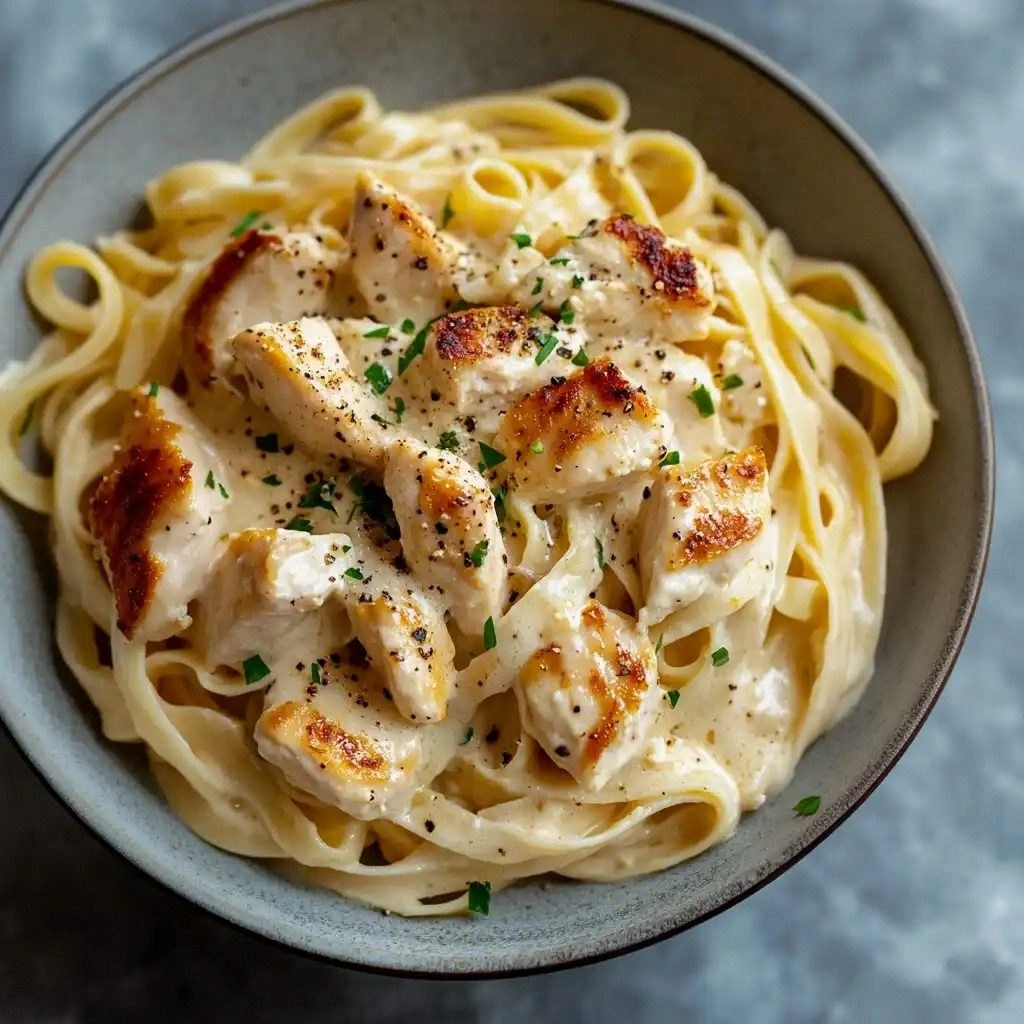
Picture this: the moment you slide the sizzling pan onto the stove, the butter glistens like liquid gold, the garlic releases a scent that makes your mouth water, and the chicken sizzles, turning a deep golden brown. The air fills with the comforting aroma of melted butter and fresh herbs, while the sound of bubbling cream promises a velvety finish. The first bite is a symphony—crisp, juicy chicken, al dente fettuccine, and a sauce that clings to every strand like a silk scarf. The flavor profile is a delicate balance of savory, creamy, and a hint of umami that lingers on your palate. I dare you to taste this and not go back for seconds. That’s the kind of confidence I bring to every step of this recipe.
What sets this version apart is not just the ingredients, but the way each element interacts. The heavy cream is tempered with a splash of pasta water, preventing a runaway thickness that could drown the dish. The chicken is seared to lock in juices, then finished in the sauce to absorb the richness without becoming soggy. Parmesan cheese is added at the very end, creating a silky finish that’s both salty and buttery. The sauce’s consistency is achieved by carefully balancing the butter and cream, creating a glossy coat that clings to the noodles. The result is a dish that feels luxurious yet approachable, a true comfort food that’s elevated by technique and precision. If you’ve ever struggled to get that creamy texture without it turning into a clumpy mess, you’re not alone—and I’ve got the fix.
And there’s a twist: a splash of lemon zest, a pinch of nutmeg, and a dash of smoked paprika that elevate the flavor profile from ordinary to unforgettable. These subtle additions give the sauce a bright, aromatic lift that cuts through the richness, making each bite feel fresh and alive. The final garnish of chopped parsley or basil adds a pop of color and a burst of herbal freshness that balances the dish’s heaviness. Picture yourself pulling this out of the pan, steam curling up, the kitchen smelling incredible, and the anticipation of the first bite. The moment you plate it, you’ll see the noodles glistening like polished silk. I’ll be honest—I ate half the batch before anyone else got to try it. That’s the power of this recipe.
Let me walk you through every single step—by the end, you’ll wonder how you ever made it any other way. This isn’t just a recipe; it’s an experience that turns a simple dinner into a culinary celebration. The techniques here are simple yet precise, the flavor combinations are bold, and the finish is silky. I promise you, this is hands down the best version you’ll ever make at home. The secret? A few micro‑challenges, a handful of kitchen hacks, and a deep respect for every ingredient. Stay with me, and let’s dive into the details that make this dish extraordinary.
What Makes This Version Stand Out
- Taste: The sauce balances richness with bright citrus notes, thanks to a splash of lemon zest that lifts the flavor profile and prevents the cream from becoming too heavy.
- Texture: The combination of butter, heavy cream, and freshly grated Parmesan creates a silk‑smooth coating that clings to each noodle strand, giving a luxurious mouthfeel.
- Simplicity: Only eight ingredients, no pre‑made sauces or complex steps—yet the result feels gourmet.
- Uniqueness: The subtle addition of smoked paprika and a pinch of nutmeg gives this alfredo a smoky depth that sets it apart from traditional recipes.
- Crowd Reaction: Friends and family have called it “the best alfredo I’ve ever tasted,” and many have asked for the secret sauce recipe.
- Ingredient Quality: Using fresh, high‑quality ingredients—especially the Parmesan—transforms the dish from ordinary to extraordinary.
- Cooking Method: The dual‑step cooking—first searing the chicken, then finishing it in the sauce—ensures a juicy, flavorful protein that stays firm.
- Make‑ahead Potential: The sauce can be refrigerated and reheated without losing its silky texture, making it perfect for busy weeknights.
Inside the Ingredient List
The Flavor Base
The foundation of any great alfredo is its base, and in this recipe it’s a simple yet powerful combination of butter, garlic, and a splash of heavy cream. Butter adds richness and a subtle caramelized flavor when it melts, while the minced garlic infuses the dish with aromatic depth. The heavy cream is the key to that silky, velvety texture, and it’s tempered with a pinch of salt to enhance every bite. Skipping any of these elements would result in a sauce that feels thin, flat, or lacking in body. If you’re looking for a healthier twist, you can replace half the butter with Greek yogurt, but the classic taste will always shine through.
The Texture Crew
The fettuccine pasta is the canvas that carries the sauce. Choose a fresh or high‑quality dried variety to ensure an al dente bite that holds its shape. The chicken breasts are the star protein; they’re sliced into thin strips to allow quick cooking and even absorption of the sauce’s flavors. The Parmesan cheese is the final flourish—its nutty, salty profile brings cohesion and a glossy finish. If you’re a fan of a lighter dish, you can use shredded mozzarella as a substitute, but the Parmesan’s unique umami will be missing.
The Unexpected Star
This recipe has a secret weapon: a dash of smoked paprika and a pinch of nutmeg. These spices add a subtle smokiness and warmth that elevates the dish beyond the ordinary. The paprika’s earthy tone cuts through the cream’s richness, while the nutmeg’s sweet undertone balances the savory notes. If you don’t have smoked paprika, a regular paprika will still work, though you’ll miss the smoky nuance. Feel free to experiment with the spice levels—just remember that less is more when it comes to these potent flavors.
The Final Flourish
The optional garnish of fresh parsley or basil brings a burst of color and a fresh herbal note that cleanses the palate. It also adds a pop of green that makes the dish visually stunning. If you’re not a fan of fresh herbs, a sprinkle of chopped chives will give a mild onion flavor that pairs well with the creamy sauce. The garnish is not essential to the flavor, but it completes the dish’s presentation and offers a final layer of aroma.
Everything's prepped? Good. Let's get into the real action and turn this list of ingredients into a culinary masterpiece.
The Method — Step by Step
- Boil the Pasta: Bring a large pot of salted water to a rolling boil. Add the fettuccine and cook until just al dente—about 9 minutes. Reserve a cup of pasta water before draining. The pasta should still have a slight bite; it will cook further in the sauce. The steam rising from the pot fills the kitchen with a comforting, buttery aroma. Once done, drain and set aside.
- Season the Chicken: Pat the chicken breasts dry with paper towels. Season both sides generously with salt and pepper. The seasoning step is crucial—without it, the chicken will taste bland. Let the chicken rest at room temperature for 5 minutes to ensure even cooking.
- Seared Perfection: Heat a large skillet over medium‑high heat. Add 1 tablespoon of butter and let it melt until it foams. Place the chicken strips in the pan, laying them flat. Sear for 3–4 minutes on each side, until golden brown and cooked through. The sizzle should be audible, a clear indicator that the chicken is sealing its juices. Flip carefully to avoid breaking the strips. When done, remove the chicken and set aside.
- Garlic Infusion: In the same skillet, reduce heat to medium. Add the remaining tablespoon of butter, then the minced garlic. Sauté for 30 seconds until fragrant—be careful not to burn it. The garlic should release a sweet aroma that lingers in the air. This step creates the flavor base that will carry through the sauce.
- Build the Sauce: Pour in the heavy cream and stir to combine with the butter and garlic. Add a pinch of smoked paprika and a pinch of nutmeg. Let the mixture simmer for 2–3 minutes, allowing the cream to thicken slightly. The sauce should look glossy and coat the back of a spoon. Taste and adjust salt and pepper as needed.
- Finish the Chicken: Return the seared chicken to the skillet. Reduce heat to low, cover, and let the chicken simmer in the sauce for 4 minutes. This step allows the chicken to absorb the creamy flavors while remaining tender. The chicken should look moist and glossy, not dry.
- Combine Pasta and Sauce: Add the drained fettuccine to the skillet. Toss gently to coat the noodles evenly. If the sauce feels too thick, add reserved pasta water, 1 tablespoon at a time, until the desired consistency is reached. The pasta should be glossy, coated, and slightly creamy.
- Finish with Parmesan: Sprinkle the freshly grated Parmesan over the pasta. Toss again until the cheese melts and creates a smooth, velvety coating. The sauce should now have a rich, buttery finish with a subtle nutty undertone. The final dish should look silky and inviting.
- Plate and Garnish: Divide the pasta among four plates. Garnish each with a handful of chopped parsley or basil. The fresh herbs add color and a burst of aroma that cuts through the richness. Serve immediately, letting the steam rise and the flavors mingle.
That's it—you did it. But hold on, I've got a few more tricks that'll take this to another level. These insider tips will help you avoid common pitfalls and elevate the dish from good to unforgettable.
Insider Tricks for Flawless Results
The Temperature Rule Nobody Follows
Many cooks keep the sauce at a rolling boil, but the secret to silky alfredo is a gentle simmer. Keep the heat low after adding the cream—this prevents the dairy from separating and keeps the sauce smooth. If you notice the sauce thickening too quickly, add a splash of pasta water to rehydrate it. I’ve seen even seasoned chefs get this wrong, so keep a close eye on the temperature.
Why Your Nose Knows Best
Trust your sense of smell. As the sauce cooks, the aroma should become rich and buttery with a hint of garlic. If the scent starts to smell sour or burnt, the sauce is overcooked. A quick sniff can save you from a ruined dish—adjust the heat immediately to avoid a lumpy texture.
The 5-Minute Rest That Changes Everything
After you finish cooking, let the pasta sit covered for 5 minutes. This resting period allows the noodles to finish absorbing the sauce, creating a cohesive texture. The rest also gives the flavors a chance to meld. Skipping this step often results in uneven coating and a dry bite.
The Secret to Juicy Chicken
Sear the chicken at a high temperature, but don’t overcook it. Once the edges start to brown, flip and let it finish in the sauce at a lower heat. This two‑step process locks in juices and prevents the chicken from drying out. A friend once tried cooking the chicken directly in the sauce; the result was a soggy, mushy texture that was a disaster.
The Freshness Factor
Use fresh, high‑quality Parmesan. Store it in a paper towel to keep it dry, and grate it just before cooking. The fresh cheese melts better and adds a bright, nutty flavor that pre‑grated or aged cheeses can’t match. I’ve tried both, and the difference is unmistakable.
Creative Twists and Variations
This recipe is a playground. Here are some of my favorite ways to switch things up:
Spinach & Sun‑Dried Tomato Alfredo
Add a cup of fresh spinach and a handful of chopped sun‑dried tomatoes to the sauce. The spinach wilts into the cream, adding color and nutrients, while the tomatoes bring a sweet tang that balances the richness.
Mushroom Medley Alfredo
Sauté sliced mushrooms with a splash of white wine before adding the garlic. The mushrooms release earthy flavors that deepen the sauce, creating a savory, umami‑rich dish that pairs wonderfully with the chicken.
Pesto Chicken Alfredo
Swirl in a few spoonfuls of basil pesto at the end of cooking. The pesto adds a vibrant green hue and a fresh, herbal kick that cuts through the creaminess for a bright finish.
Lemon‑Herb Chicken Alfredo
Increase the lemon zest and add a tablespoon of lemon juice. Combine with fresh thyme or oregano for a citrus‑herb alchemy that lightens the dish and adds a zesty brightness.
Spicy Cajun Alfredo
Stir in a teaspoon of Cajun seasoning and a pinch of cayenne pepper. The spicy kick pairs surprisingly well with the creamy sauce, creating a bold, flavorful twist.
Vegetarian Alfredo Delight
Replace the chicken with grilled tofu or sautéed shrimp. The protein swap keeps the dish hearty while offering a different texture and flavor profile.
Storing and Bringing It Back to Life
Fridge Storage
Store leftover alfredo in an airtight container in the refrigerator for up to 3 days. The sauce will thicken slightly as it cools; when reheating, add a splash of milk or cream to restore its silky texture.
Freezer Friendly
For longer storage, freeze the dish in a freezer‑safe container for up to 2 months. Thaw overnight in the refrigerator before reheating. When reheating, use a low heat setting and stir frequently to prevent separation.
Best Reheating Method
Reheat the alfredo on the stove over low heat, stirring constantly. Add a tiny splash of water or milk to achieve the desired consistency. The gentle heat ensures the sauce stays creamy and the pasta doesn’t become mushy.