I’ll be honest — the first time I tried to make a slow‑cooker pork dinner, I ended up with a rubbery slab that could have been used as a doorstop. My roommate stared at the plate, raised an eyebrow, and muttered, “Did you forget the flavor?” That moment sparked a kitchen‑wide quest: find a fool‑proof method that turns a humble pork shoulder into melt‑in‑your‑mouth, caramel‑kissed perfection without any of the guesswork. After countless trial runs, a handful of burnt‑toast experiments, and a few late‑night taste‑tests that left the cat meowing for seconds, I finally cracked the code. This version is the result of that relentless pursuit, and I’m certain it’s the best version you’ll ever make at home.
Imagine the scene: the slow cooker humming in the corner, a fragrant plume of sweet‑savory steam curling up like a lazy cat, the kitchen bathed in a golden glow from the late‑afternoon sun. You’ll hear the faint pop of onions caramelizing in a skillet, the subtle hiss as garlic hits hot oil, and the gentle clink of a wooden spoon against the pot. The smell? A heady blend of smoky pork, tangy apple cider, and a hint of earthy brown sugar that makes your stomach do a little happy dance. When you finally lift the lid, the pork pulls apart with the ease of a well‑written novel, and the sauce clings to each shred like velvet, glossy and rich.
What sets this recipe apart is not just the end result, but the streamlined process that makes it practically fool‑proof. Most recipes get the timing wrong, leaving you with a dry, overcooked mess or a soggy, flavorless heap. This one leverages a secret combination of a quick sear, a splash of acidity, and a carefully timed low‑heat simmer that guarantees juicy, tender meat every single time. I dare you to taste this and not go back for seconds — the balance of sweet, salty, and tangy is so spot‑on your taste buds will file a formal complaint if you try to cheat.
And here’s the kicker: right before the final slow‑cook, I introduce a dash of smoked paprika and a spoonful of Dijon mustard — ingredients you wouldn’t expect in a “basic” pork recipe, but they add depth that makes the dish sing. The mustard cuts through the richness, while the smoked paprika adds a whisper of wood‑fire that lingers on the palate. Picture yourself pulling this out of the cooker, the whole kitchen smelling incredible, and the first bite delivering a symphony of flavors that makes you wonder how you ever settled for anything less. Let me walk you through every single step — by the end, you’ll wonder how you ever made it any other way.
What Makes This Version Stand Out
- Flavor Explosion: The blend of apple cider vinegar, brown sugar, and a hint of smoked paprika creates a sweet‑tangy glaze that coats the pork like a caramelized blanket.
- Texture Perfection: A quick sear before slow cooking locks in juices, while the long, gentle braise breaks down connective tissue for that melt‑in‑your‑mouth feel.
- Simplicity: Only nine ingredients, a handful of steps, and you can set it and forget it — perfect for busy weeknights.
- Unique Twist: The surprise addition of Dijon mustard adds a subtle heat and bright acidity that elevates the whole dish.
- Crowd‑Pleaser: Even the most skeptical eaters rave, often asking for the recipe before the plate is even cleared.
- Ingredient Quality: Using a well‑marbled pork shoulder ensures the meat stays juicy, while fresh garlic and onion build a robust flavor base.
- Low‑Effort Cooking Method: The slow cooker does the heavy lifting, giving you a hands‑off experience without sacrificing depth.
- Make‑Ahead Potential: This dish reheats beautifully, making leftovers a gourmet‑level lunch or dinner.
Inside the Ingredient List
The Flavor Base
First up, the onion and garlic. They form the aromatic backbone, releasing sweet, earthy notes as they soften. If you skip the onion, you’ll lose that underlying sweetness that balances the acidity later. For a twist, try swapping half the yellow onion for a sweet Vidalia or even a small amount of shallots for a milder profile.
The Sweet‑Tangy Duo
Brown sugar and apple cider vinegar are the dynamic duo that give this pork its signature glaze. The sugar caramelizes during the slow cook, creating that glossy finish, while the vinegar cuts through the richness, preventing the dish from feeling heavy. If you’re out of brown sugar, dark muscovado works beautifully, adding a deeper molasses flavor.
The Unexpected Star
Dijon mustard might seem out of place, but it’s the secret weapon that adds a subtle piquancy and helps emulsify the sauce. It also brings a faint mustard seed crunch that you’ll notice only after the first bite. Should you be allergic to mustard, a teaspoon of whole‑grain mustard or even a splash of honey‑mustard sauce can mimic the effect.
The Final Flourish
Smoked paprika and soy sauce finish the flavor orchestra. The paprika adds a smoky depth that makes the pork taste like it’s been slow‑roasted over a wood fire, while soy sauce contributes umami and a touch of saltiness. If you’re watching sodium, low‑sodium soy sauce or tamari works just as well.
Everything's prepped? Good. Let's get into the real action…
The Method — Step by Step
Start by patting the pork shoulder dry with paper towels — this is crucial for a good sear. Heat a large skillet over medium‑high heat, add a tablespoon of olive oil, and let it shimmer. When the oil is hot, place the pork in the pan; you should hear an immediate sizzle that tells you the Maillard reaction is happening. Let it brown on each side for about 3‑4 minutes, turning only once. This step locks in juices and creates those caramelized bits that will later enrich the sauce. Power transition: Okay, ready for the game‑changer?
Kitchen Hack: After searing, use the same pan to sauté the onions and garlic — the browned pork bits will dissolve into the aromatics, creating instant flavor depth.Add the diced onion to the skillet, stirring until they turn translucent and begin to caramelize, about 5 minutes. Toss in the minced garlic and let it bloom for another 30 seconds — you’ll hear a faint crackle that signals the garlic’s oils are releasing. Sprinkle the smoked paprika over the mixture, stirring quickly to prevent burning; the paprika will darken and release a smoky aroma that fills the kitchen. This is the moment of truth where the base builds its flavor foundation.
Deglaze the pan with a splash (about ¼ cup) of apple cider vinegar, scraping the bottom with a wooden spoon to lift every browned fragment. The vinegar will fizz and steam, a sign that you’re extracting maximum flavor. Let the liquid reduce for a minute, concentrating the taste. Then stir in the brown sugar, soy sauce, and Dijon mustard, allowing them to melt into a glossy glaze. If you notice the mixture getting too thick, add a splash of water or broth — but keep it minimal to preserve intensity.
Transfer the seared pork to the slow cooker, arranging it in a single layer for even cooking. Pour the entire sauce over the meat, making sure every surface is coated. The pork should be almost completely submerged; if not, add a little more broth or water. This step is where the magic happens — the slow cooker will turn this glossy sauce into a luscious, tender broth that infuses the meat.
Set the slow cooker to low and cook for 6‑8 hours, or high for 3‑4 hours. The low setting is ideal for developing depth, while the high setting works when you’re short on time. You’ll know it’s done when a fork slides into the meat with little resistance and the sauce has thickened to a syrupy consistency. Watch Out: Resist the urge to lift the lid frequently — each peek releases heat and extends cooking time.
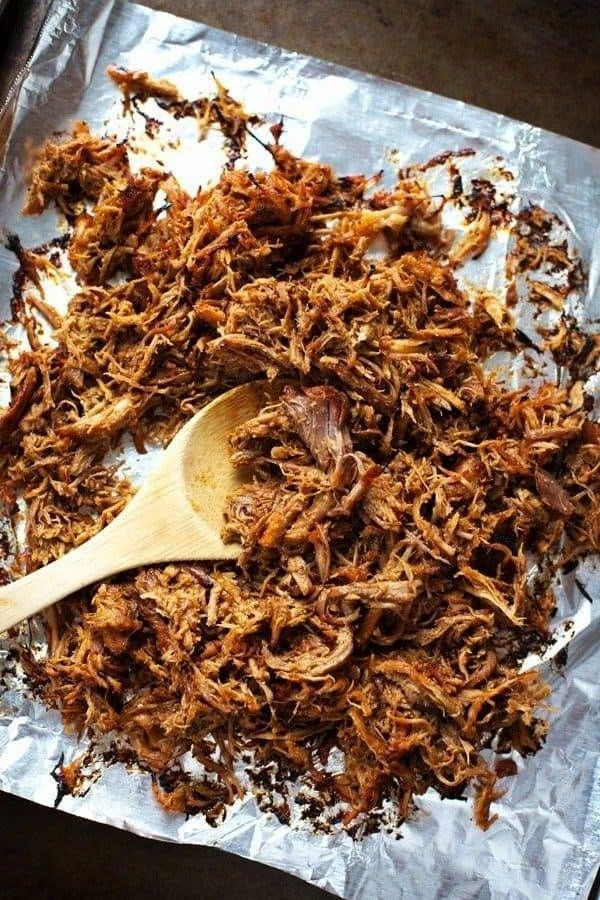
Watch Out: Over‑cooking can cause the pork to become mushy; aim for the sweet spot where it’s fork‑tender but still holds its shape.About 30 minutes before serving, switch the cooker to “warm” and uncover the pork. Use two forks to shred the meat directly in the sauce; the fibers will separate effortlessly, and the sauce will cling to each strand. Taste and adjust seasoning with a pinch of salt or a drizzle more vinegar if you crave extra tang. This is the part where you truly make the dish yours.
If you love a little crunch, spread the shredded pork on a baking sheet, drizzle with a spoonful of the remaining sauce, and broil for 3‑4 minutes until the edges caramelize and turn crisp. The contrast between the soft interior and the caramelized exterior is pure magic, reminiscent of a perfect pork taco topping.
Serve the pork over a bed of fluffy rice, buttery mashed potatoes, or even a crisp slaw for a textural contrast. Garnish with freshly chopped parsley or cilantro for a splash of color and a fresh herb note that cuts through the richness. Pair with a glass of chilled Riesling or a light ale to balance the sweet‑savory profile.
That’s it — you did it. But hold on, I’ve got a few more tricks that’ll take this to another level, from finishing sauces to side‑dish pairings that will make your dinner table the talk of the town.
Insider Tricks for Flawless Results
The Temperature Rule Nobody Follows
Most home cooks set the slow cooker to “low” and forget that the exact temperature can vary between models. I recommend using a thermometer to check that the internal temperature of the pork reaches at least 190°F (88°C) for optimal collagen breakdown. If your cooker runs hot, lower the time by 30 minutes; if it runs cool, add an extra hour. This small adjustment makes the difference between fork‑tender and dry.
Why Your Nose Knows Best
Don’t rely solely on the clock. When the sauce starts to bubble gently and you catch a sweet‑tangy aroma wafting up, that’s your cue that the flavors are marrying perfectly. Trust that nose; it’s a more accurate indicator than any timer.
The 5‑Minute Rest That Changes Everything
Once the pork is done, let it rest, uncovered, for five minutes before shredding. This short pause allows the juices to redistribute, preventing them from spilling out when you pull the meat apart. The result is a juicier, more flavorful bite every time.
Sear Like a Pro
A common mistake is crowding the pan, which steams rather than sears the pork. Use a heavy‑bottomed skillet and give each piece enough room; you’ll hear that satisfying sizzle that tells you the crust is forming. This step builds the “flavor base” that later transforms the sauce.
The Finish‑Line Glaze
After shredding, whisk together a tablespoon of butter, a drizzle of honey, and a pinch of cayenne. Toss the pork in this glaze just before serving for an extra sheen and a subtle heat kick. A friend tried skipping this step once — let’s just say the dish felt a bit flat, and the sauce clung a little too heavily.
Creative Twists and Variations
This recipe is a playground. Here are some of my favorite ways to switch things up:
Asian‑Infused
Swap soy sauce for tamari, add a splash of sesame oil, and toss in sliced green onions at the end. The result is a nutty, umami‑rich pork that pairs beautifully with steamed jasmine rice.
Mexican Fiesta
Replace the Dijon with chipotle in adobo, add a teaspoon of cumin, and serve the shredded pork inside warm corn tortillas with avocado slices. This version brings smoky heat and a fresh crunch that’s perfect for taco night.
Apple Cider Harvest
Add diced apples and a handful of fresh sage during the last hour of cooking. The apples soften and sweeten the sauce, while sage adds an earthy, festive note — ideal for autumn gatherings.
BBQ Bold
Mix in your favorite BBQ sauce with the brown sugar and replace the smoked paprika with a smoky chipotle powder. This creates a tangy‑sweet glaze that’s perfect for slathering on buns for pork sliders.
Herbaceous Light
Omit the soy sauce, increase the vinegar slightly, and finish with a generous handful of fresh rosemary and thyme. The herbaceous aroma brightens the dish, making it an excellent accompaniment to roasted vegetables.
Storing and Bringing It Back to Life
Fridge Storage
Allow the pork to cool to room temperature, then transfer it to an airtight container. It will keep for up to 4 days in the refrigerator. When reheating, add a splash of water or broth, cover, and gently warm on the stove or in the microwave to retain moisture.
Freezer Friendly
Portion the pork and sauce into freezer‑safe bags or containers, leaving a little headspace for expansion. Freeze for up to 3 months. Thaw overnight in the fridge, then reheat using the same method as for fridge leftovers, adding a drizzle of water to revive the glaze.
Best Reheating Method
For the best texture, reheat the pork in a skillet over low heat, stirring occasionally. The gentle heat prevents the meat from drying out, and the added liquid helps the sauce regain its silky sheen. If you’re in a hurry, the microwave works, but cover the dish with a damp paper towel to trap steam.