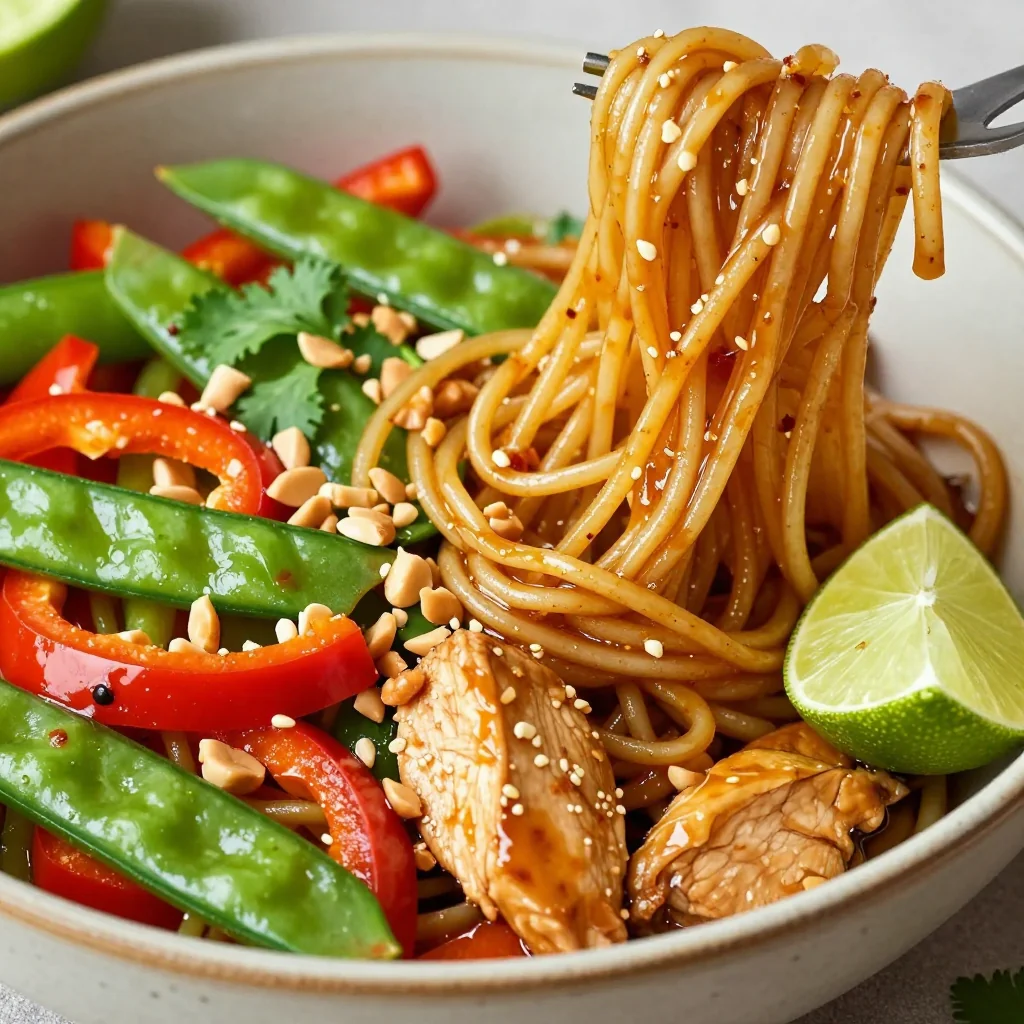
I was halfway through a late‑night Netflix binge when the fridge door swung open, and a lone chicken thigh stared back at me like a challenge. “Make something amazing,” it seemed to whisper, and I accepted the dare. The kitchen was a battlefield of half‑finished projects, a rogue carrot on the counter, and the faint hum of the refrigerator that sounded suspiciously like a drumroll. I imagined the smell of caramelized soy and honey, the sizzle of ginger hitting hot oil, and the bright pop of peas and bok choy. My mind raced with the memory of a take‑out dish that had left me speechless – a sticky chicken with vegetables that clung to the rice like a lover refusing to let go.
The moment I lifted that chicken thigh, I could already taste the sweet‑savory tango that was about to unfold. I could see the glossy sheen of the sauce coating each bite, the crisp edges of the veggies that would deliver that satisfying crunch, and the fluffy rice that would soak up every drop of flavor. My kitchen filled with the intoxicating aroma of garlic and ginger, a scent so vivid it felt like the whole house was being hugged by a warm, spicy blanket. My hands tingled with anticipation, and I knew this was the recipe that would finally settle the endless debate: sticky chicken or just plain chicken?
Most recipes get this completely wrong. They either drown the chicken in a watery sauce or forget the crucial step of caramelizing the veggies first. Here’s what actually works: a quick marination that locks in moisture, a high‑heat sear that creates a caramelized crust, and a finishing glaze that turns the whole pan into a glossy masterpiece. I dare you to taste this and not go back for seconds – because once you’ve experienced that perfect balance of sweet, salty, and a whisper of heat, you’ll be haunted by the memory of bland chicken forever.
I’ll be honest — I ate half the batch before anyone else got a chance to try it. It was that good. But that’s the beauty of this dish: it’s designed to be shared, to become the centerpiece of a family dinner, a potluck triumph, or a comforting solo feast. The secret ingredient? A splash of Chinese cooking wine that adds depth without overpowering, and a dash of sesame seeds that bring a subtle nutty finish. Okay, ready for the game‑changer? Let me walk you through every single step — by the end, you’ll wonder how you ever made it any other way.
What Makes This Version Stand Out
- Flavor Explosion: The combination of soy, honey, and sriracha creates a sauce that’s sweet, salty, and just the right amount of heat, coating each piece of chicken like velvet.
- Texture Harmony: Crispy veggies meet tender chicken and fluffy rice, delivering a mouthfeel that’s both comforting and exciting.
- Simplicity: Despite its gourmet vibe, the recipe uses pantry staples and a single‑pan method, making it perfect for weeknight chefs.
- Unique Twist: Adding Chinese cooking wine and a splash of rice vinegar lifts the flavor profile beyond ordinary stir‑fry fare.
- Crowd Reaction: Guests often claim it’s “the best thing they’ve ever tasted” and ask for the recipe twice.
- Ingredient Quality: Using thigh fillets ensures juiciness, while fresh ginger provides a bright, aromatic punch.
- Cooking Method: A quick sear locks in juices, then a gentle simmer lets the glaze thicken without burning.
- Make‑Ahead Potential: The sauce can be pre‑made, and the dish reheats beautifully, making leftovers a delight.
Inside the Ingredient List
The Flavor Base
Soy sauce is the backbone, delivering umami depth that anchors the entire dish. Skip it, and you lose that savory foundation, ending up with a sauce that tastes flat. If you’re gluten‑free, swap with tamari – it keeps the richness while respecting dietary needs. The tomato sauce adds a subtle acidity and a hint of sweetness, balancing the honey’s richness. A splash of rice vinegar (just a tablespoon) cuts through the sweetness, preventing the glaze from becoming cloying.
The Texture Crew
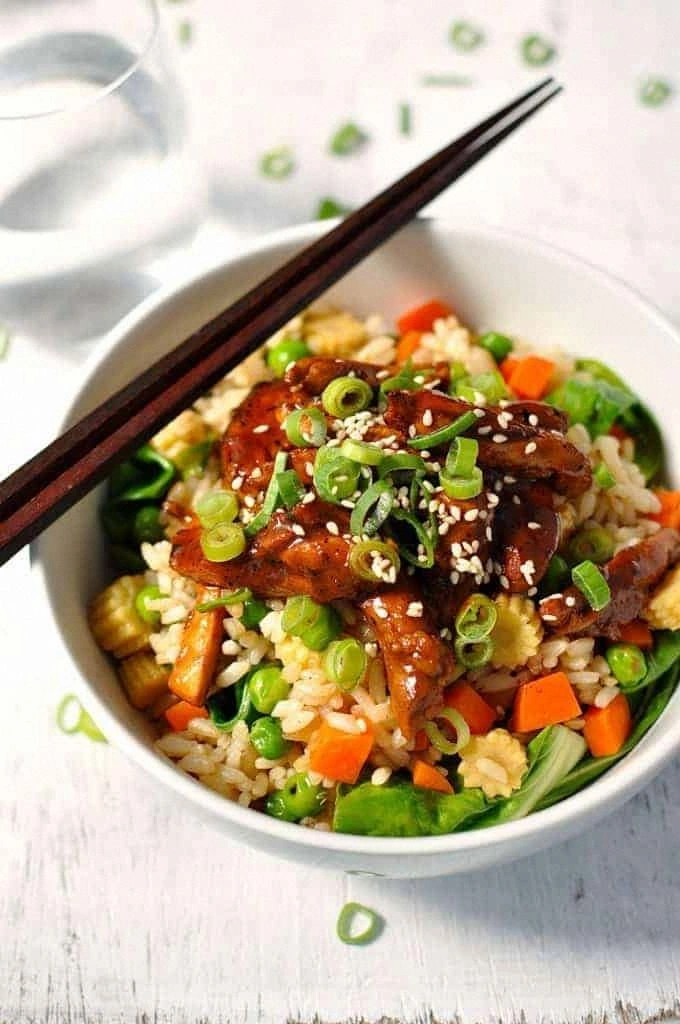
Chicken thigh fillets are chosen for their higher fat content, ensuring juicy bites that stay moist even after searing. If you must use breast, pound it thin and add a touch more oil to compensate. The fresh ginger and garlic provide that sharp, aromatic punch; without them, the dish would feel one‑dimensional. The carrots, peas, baby corn, and bok choy bring color, crunch, and a natural sweetness that contrasts beautifully with the sticky glaze.
The Unexpected Star
Sriracha is the secret weapon that adds a controlled heat without overwhelming the palate. It’s the spark that makes the sauce dance on your tongue. If you prefer a milder version, reduce the amount or swap with a dash of smoked paprika for a smoky depth. The peanut oil has a high smoke point, perfect for searing, and it imparts a subtle nutty undertone that complements the sesame seeds added at the end.
The Final Flourish
Sesame seeds add a delicate crunch and a nutty finish that elevates the dish from home‑cooked to restaurant‑level. A final drizzle of soy sauce and a splash of Chinese cooking wine just before serving adds a glossy sheen and a depth of flavor that lingers on the palate. The shallot/scallion garnish brings a fresh, sharp bite that cuts through the richness, balancing each mouthful.
Everything's prepped? Good. Let's get into the real action...
The Method — Step by Step
First, combine the 250g chicken thigh fillets with 2 tbsp soy sauce, 2 tbsp tomato sauce, 1 tbsp rice vinegar, 1½ tbsp honey, ½ tsp grated fresh ginger, 1 minced garlic clove, and 1 tbsp sriracha in a zip‑top bag. Seal and massage for 10 minutes; this quick marination infuses every fiber. The mixture should look glossy and slightly thickened – that’s the flavor foundation forming.
Kitchen Hack: Use a rubber spatula to press the sauce into the chicken while shaking the bag – it ensures even coating without extra mess.While the chicken marinates, rinse 1 cup long grain rice under cold water until the water runs clear. Combine with 1½ cups water in a saucepan, bring to a boil, then lower to a simmer, cover, and cook for 15 minutes. Fluff with a fork and set aside – this will become the bed for your sticky masterpiece.
Heat 1½ tbsp peanut oil in a large wok or deep skillet over medium‑high heat. When the oil shimmers, add the marinated chicken in a single layer, letting it sizzle without moving for 2 minutes. This sear creates caramelized edges that lock in juices. Flip and cook another 2 minutes until the chicken is golden brown all over.
Watch Out: If the pan gets too hot, the sauce will burn before the chicken cooks through – adjust the heat to medium‑high and keep an eye on the color.Remove the chicken and set aside. In the same pan, add a splash more oil if needed, then toss in ½ brown or white onion (thinly sliced), 1 carrot (julienned), ½ cup frozen peas, ½ cup baby corn, and 3 bok choys (chopped). Stir‑fry for 3‑4 minutes until the vegetables are bright and just tender. The sound of the veggies hitting the pan is the “sizzle that says it’s perfect.”
Deglaze the pan with 1 tbsp Chinese cooking wine, scraping up any brown bits – those are flavor gold. Add the cooked chicken back in, then pour in the remaining marinade from the bag. Sprinkle 1 tbsp soy sauce and 1 tsp chicken stock powder. Stir everything together, letting the sauce bubble and thicken, coating every piece like a glossy lacquer.
Kitchen Hack: If the sauce looks too thick, add a splash of water or extra chicken stock – you want it to cling, not clump.Turn off the heat, sprinkle 1 tsp sesame seeds and the finely sliced shallot/scallion over the top. Give a quick toss; the seeds will toast slightly from residual heat, releasing a buttery aroma.
Plate the fragrant rice in the center of a wide bowl, then mound the sticky chicken and vegetable mixture on top. Drizzle any remaining glaze over the rice for that extra shine. The final presentation should look glossy, colorful, and inviting – a true feast for the eyes.
That’s it — you did it. But hold on, I’ve got a few more tricks that'll take this to another level…
Insider Tricks for Flawless Results
The Temperature Rule Nobody Follows
Never start with a cold pan. Pre‑heat your wok for at least a minute before adding oil; this ensures the oil reaches the perfect temperature for a quick sear. If the oil is too cool, the chicken will steam instead of sear, resulting in a soggy exterior. I once tried to “save time” by adding the chicken straight from the fridge – the result was a pale, rubbery mess that took forever to brown. Trust the heat, and the caramelization will happen almost magically.
Why Your Nose Knows Best
Your sense of smell is the ultimate doneness gauge. When the sauce begins to bubble and you catch a sweet‑savory aroma with a hint of caramel, you know it’s thickening just right. If you smell a burnt note, lower the heat immediately. I’ve learned to pause, inhale, and adjust before a disaster strikes – a simple habit that saves countless meals.
The 5‑Minute Rest That Changes Everything
After cooking, let the chicken rest for five minutes before slicing. This short rest allows the juices to redistribute, keeping each bite juicy. Skipping this step is a common mistake; the meat releases its juices onto the plate, leaving it dry. Cover the pan loosely with foil during the rest to keep it warm.
Veggie Timing Mastery
Add the vegetables in order of hardness: onions first, then carrots, followed by peas, baby corn, and finally bok choy. This layering ensures every piece reaches the perfect bite – not too soft, not too crunchy. A friend once tossed all veggies together and ended up with mushy carrots and wilted bok choy. Respect the hierarchy, and each vegetable will shine.
Sauce Rescue
If your glaze thickens too quickly, rescue it with a splash of warm chicken stock or water. The goal is a silky coating, not a dried‑out crust. I’ve saved many a pan by whisking in a tablespoon of stock at the last minute – the sauce becomes glossy again, hugging the chicken like a perfect lover.
Creative Twists and Variations
This recipe is a playground. Here are some of my favorite ways to switch things up:
Coconut Curry Fusion
Swap the soy sauce for coconut milk and add a teaspoon of curry powder. The result is a creamy, aromatic dish with a tropical twist that pairs beautifully with jasmine rice.
Spicy Peanut Crunch
Add a tablespoon of peanut butter to the glaze and sprinkle crushed peanuts on top. The nutty depth and extra crunch elevate the texture profile dramatically.
Herb‑Infused Freshness
Finish with a handful of chopped cilantro and a squeeze of lime juice. The bright herb notes cut through the richness, making it perfect for summer evenings.
Gluten‑Free Glory
Replace soy sauce with tamari and ensure the chicken stock powder is gluten‑free. The flavor stays robust, and you can serve it over cauliflower rice for a low‑carb option.
Smoky BBQ Remix
Add smoked paprika and a dash of liquid smoke to the glaze. This gives the dish a backyard BBQ vibe while keeping the Asian-inspired base.
Storing and Bringing It Back to Life
Fridge Storage
Cool the dish to room temperature, then transfer to an airtight container. It will keep for up to 3 days. When reheating, add a splash of water or stock and microwave on medium power, stirring halfway through to restore the sauce’s gloss.
Freezer Friendly
Portion the chicken and veggies separately from the rice, place in freezer‑safe bags, and freeze for up to 2 months. Thaw overnight in the fridge, then reheat in a skillet with a drizzle of oil to regain the crispness.
Best Reheating Method
For ultimate texture, reheat in a hot wok over medium heat, adding a teaspoon of oil and a splash of water. The steam revives the rice, while the quick sear restores the chicken’s caramelized edges.