INTRODUCTION
Picture this: a Sunday afternoon, the kitchen is a battlefield, and you’re armed with a sheet pan, a handful of breadcrumbs, and a craving that refuses to quit. I was halfway through a midnight snack run, craving something hearty, when my fridge turned into a crime scene of half‑peeled eggplants and a jar of marinara that smelled like a summer garden. I laughed, because I knew I was about to create a dish that would make every other version look like a sad, soggy memory. This is not just another eggplant parmesan; it’s a sheet pan symphony where each slice sings, the cheese melts into a golden blanket, and the sauce drapes like velvet over the crispy edges.
Let me walk you through every single step — by the end, you’ll wonder how you ever made it any other way. The first thing that strikes you is the aroma: a warm, buttery scent of toasted breadcrumbs mingling with the earthy perfume of eggplant that has been lovingly seasoned. As the oven heats, the pan emits a crackling whisper, the sound of the sauce bubbling like a gentle tide. When the dish is pulled out, the steam rises in fragrant ribbons, and the cheese is bubbling, slightly browned, and irresistibly gooey. The moment you taste it, the flavors explode: a savory, slightly sweet tomato base, the nutty depth of parmesan, the subtle peppery bite of mozzarella, and that unmistakable, comforting crunch of the breaded eggplant.
I dare you to taste this and not go back for seconds. The truth is, once you experience the harmony of textures and flavors, you’ll find yourself reaching for a second plate before the first has even cooled. Most recipes get this completely wrong by over‑baking the eggplant or using too much sauce, resulting in a soggy mess. Here, we’re going to keep the eggplant crisp, the sauce thickened, and the cheese perfectly melted, with a golden crust that shatters like thin ice under a spoon. The secret? A simple coating technique, a precise oven temperature, and a little patience.
This version stands out because it transforms a classic into a showstopper that’s easy to assemble and impossible to forget. I’ll be honest — I ate half the batch before anyone else got to try it. The next time you’re in a rush, just grab a sheet pan, slice your eggplant, and let the oven do the rest. Picture yourself pulling this out of the oven, the whole kitchen smelling incredible, and a crowd of friends begging for the recipe. And now, let’s dive into the details that make this dish unforgettable.
What Makes This Version Stand Out
- Texture: The eggplant slices achieve a golden, crispy exterior while remaining tender inside, thanks to a double‑breading technique that locks in moisture and adds crunch.
- Flavor Depth: A blend of dried oregano, basil, and garlic powder elevates the marinara, creating layers of herbaceous notes that dance on the palate.
- Cheese Harmony: Combining parmesan and mozzarella gives a balanced melt and a subtle nutty finish that pairs perfectly with the tomato base.
- Ease: No fancy pans or complicated steps—just a sheet pan, a few ingredients, and a reliable oven. Even beginners can master this.
- Make‑ahead Friendly: Assemble the dish the night before, refrigerate, and bake in the morning. It’s a time‑saving strategy that keeps flavors intact.
- Visual Appeal: The golden crust, bubbling cheese, and bright red sauce make this dish Instagram‑ready and appetizing to the eye.
Alright, let's break down exactly what goes into this masterpiece...
Inside the Ingredient List
The Flavor Base
At the heart of this dish is the marinara sauce, a thick, tomato‑rich foundation that carries the herbs and cheese. Use a homemade sauce or a high‑quality store‑bought version with no added sugars. The sauce should be thick enough to cling to the eggplant, not run off like a thin salsa. If you skip the sauce, you’ll miss the juicy, savory burst that makes each bite memorable. A good rule of thumb: stir the sauce and let it reduce a bit on the stove to thicken before assembling.
The Texture Crew
Breadcrumbs and eggs form the backbone of the crisp coating. The breadcrumbs should be fine, but not too powdery; a mix of panko and regular breadcrumbs gives a satisfying crunch with a slight chew. The eggs act as a binder, ensuring the breadcrumbs adhere evenly and creating a golden crust. If you prefer a gluten‑free version, substitute the breadcrumbs with almond flour or crushed cornflakes. Remember, the coating is what makes the eggplant bite, so don't cut corners.
The Unexpected Star
Eggplant itself is the unsung hero of this dish. Choose firm, medium‑sized eggplants that hold their shape when sliced. Wash them, pat dry, then slice into 1/4‑inch thick rounds. The thickness is crucial; thinner slices cook too fast and become mushy, while thicker slices may stay raw inside. A quick blanch in salted water before breading can reduce bitterness and help the slices cook evenly.
The Final Flourish
Cheese is the crowning glory. A combination of parmesan for depth and mozzarella for melt gives a balanced flavor. Grate the parmesan finely so it melts into the sauce, and shred the mozzarella so it spreads evenly. Sprinkle a little extra parmesan on top before baking for a golden, bubbly finish. If you’re feeling adventurous, add a pinch of crushed red pepper flakes to the cheese layer for a subtle heat.
Everything's prepped? Good. Let's get into the real action...
The Method — Step by Step
- Preheat your oven to 400°F (200°C). Line a large sheet pan with parchment paper or lightly oil it to prevent sticking. The pan’s width should accommodate the eggplant slices in a single layer without overlapping—this ensures even cooking and crisp edges. This step is critical; a hot pan guarantees a better sear and prevents the breading from becoming soggy.
- While the oven is heating, set up your breading station. In one shallow dish, beat the eggs with a splash of water or milk. In a second dish, combine the breadcrumbs with dried oregano, basil, garlic powder, salt, and pepper. The breadcrumb mixture should be moist enough to cling to the eggplant but dry enough to stay crisp. If you’re using panko, mix it with regular breadcrumbs for a balanced texture.
- Take each eggplant slice, dip it first in the egg wash, letting any excess drip back, then coat thoroughly with the breadcrumb mixture. Press the crumbs onto the surface to ensure a firm bond. Place the coated slices onto the prepared sheet pan, leaving a small gap between each piece to allow heat circulation. This spacing prevents steaming and keeps the coating crunchy.
- Bake the eggplant for 20 minutes, flipping halfway through. The first 10 minutes will set the coating, while the second half will allow the cheese and sauce to meld. Keep an eye on the edges; when they start pulling away from the pan, it’s a sign of crispness. If you prefer a darker crust, broil for an additional 2 minutes—just watch it closely to avoid burning.
- While the eggplant is baking, warm the marinara sauce gently on the stove or in a microwave. Add a splash of olive oil to enrich the sauce and help it cling to the eggplant. If the sauce is too thick, thin it with a bit of water or broth; if too thin, let it simmer longer to reduce.
- Halfway through the baking time, spoon a generous layer of marinara over each eggplant slice, making sure the sauce covers the breaded surface. Sprinkle shredded mozzarella evenly across the top, followed by a dusting of grated parmesan. The cheese should be evenly distributed so every bite has a balanced flavor.
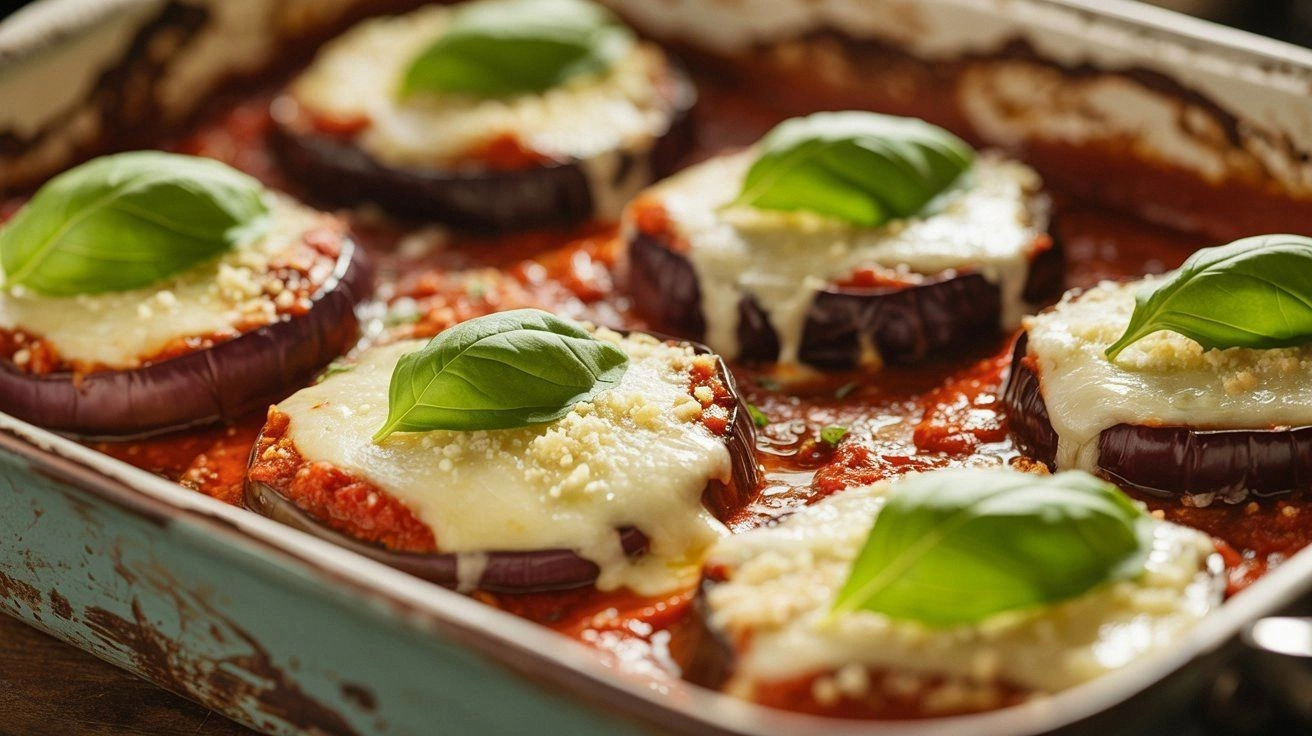
- Return the pan to the oven and bake for an additional 10–12 minutes, or until the cheese is melted, bubbly, and slightly golden. The sauce should be bubbling, and the crust should be crisp. The final bake is where the magic happens—cheese melts into sauce, creating a velvety coating that clings to the crispy eggplant.
- Remove the pan from the oven and let the dish rest for 5 minutes. This brief pause allows the flavors to settle and the cheese to set, preventing it from sliding off when you plate. During this time, garnish with fresh basil leaves or a drizzle of olive oil if desired.
- Serve hot, either on its own for a light dinner or over a bed of pasta, quinoa, or crusty bread. The dish pairs wonderfully with a crisp green salad and a glass of dry white wine. The combination of textures—crunchy, creamy, and tender—makes each bite a delightful experience.
That's it — you did it. But hold on, I've got a few more tricks that'll take this to another level...
Insider Tricks for Flawless Results
The Temperature Rule Nobody Follows
Many cooks bake at 350°F, but 400°F is the sweet spot for crispness. The higher temperature ensures the breadcrumbs brown quickly while the eggplant cooks through. I’ve found that a preheated oven at 400°F gives the perfect golden crust without overcooking the interior. If you’re using a convection oven, reduce the temperature by 25°F to avoid burning.
Why Your Nose Knows Best
Before you even open the oven door, inhale the aroma of the baking eggplant. A warm, buttery scent is a sign of a good crust; if it smells more like burnt oil, the oven might be too hot. Trust your senses—your nose is a reliable indicator of doneness.
The 5‑Minute Rest That Changes Everything
After you remove the pan, let the dish rest for exactly five minutes. This pause allows the cheese to set, preventing it from sliding off when you plate. It also lets the sauce thicken slightly, creating a richer coating. I’ve seen people skip this step and end up with a gooey mess.
Double‑Breading for Extra Crunch
Dip the eggplant slices in egg wash, coat with breadcrumbs, let them rest for a minute, then dip again in egg wash and coat once more. This double layer gives a thicker, crunchier crust that holds up even when you add extra sauce.
Fresh Herbs vs. Dried
Fresh basil adds a bright, sweet note that dried basil can’t match. Add a handful of torn basil leaves on top before serving for a fresh burst of flavor. If you prefer a more robust taste, use dried oregano and basil in the breadcrumb mix.
Cheese Variations for a Gourmet Twist
Swap mozzarella for provolone or fontina for a richer melt. Add a sprinkle of gorgonzola or blue cheese for a sharp contrast. These variations elevate the dish from comfort food to a gourmet experience.
Creative Twists and Variations
This recipe is a playground. Here are some of my favorite ways to switch things up:
Vegan Version
Replace the egg wash with a plant‑based milk and use vegan breadcrumbs. Swap mozzarella for a vegan cheese blend and use a dairy‑free parmesan alternative. The result is a plant‑based masterpiece that still delivers that classic comfort.
Spicy Kick
Add a tablespoon of crushed red pepper flakes to the breadcrumb mix or sprinkle a pinch over the finished dish. The heat pairs beautifully with the sweet marinara, creating a balanced flavor profile.
Herb‑Infused Crust
Incorporate fresh thyme or rosemary into the breadcrumb mixture. The aromatic herbs infuse the coating with a fragrant depth that complements the tomato base.
Low‑Carb Alternative
Use almond flour or crushed pork rinds instead of breadcrumbs. This keeps the dish low in carbs while maintaining a crunchy texture. Pair with a side of sautéed spinach for a complete low‑carb meal.
Cheesy Layer Swap
Swap mozzarella for provolone or blend in a bit of gouda for a smoky flavor. The cheese will melt differently, adding a new dimension to the dish.
Breakfast Twist
Serve the sheet pan with a side of scrambled eggs and toast. The savory eggplant pairs surprisingly well with a hearty breakfast, turning the dish into a brunch favorite.
Storing and Bringing It Back to Life
Fridge Storage
Cool the dish completely, then cover tightly with foil or plastic wrap. Store in the refrigerator for up to 3 days. When reheating, place on a baking sheet and warm at 350°F for 10–12 minutes until heated through.
Freezer Friendly
Wrap the cooled dish in parchment paper, then place in a freezer bag. Freeze for up to 2 months. To reheat, thaw overnight in the fridge, then bake at 350°F for 15–20 minutes.
Best Reheating Method
Use the oven instead of the microwave to preserve the crisp crust. If you’re in a hurry, a quick microwave can be used, but the texture may become soggy. A splash of water before reheating creates steam, keeping the eggplant moist.