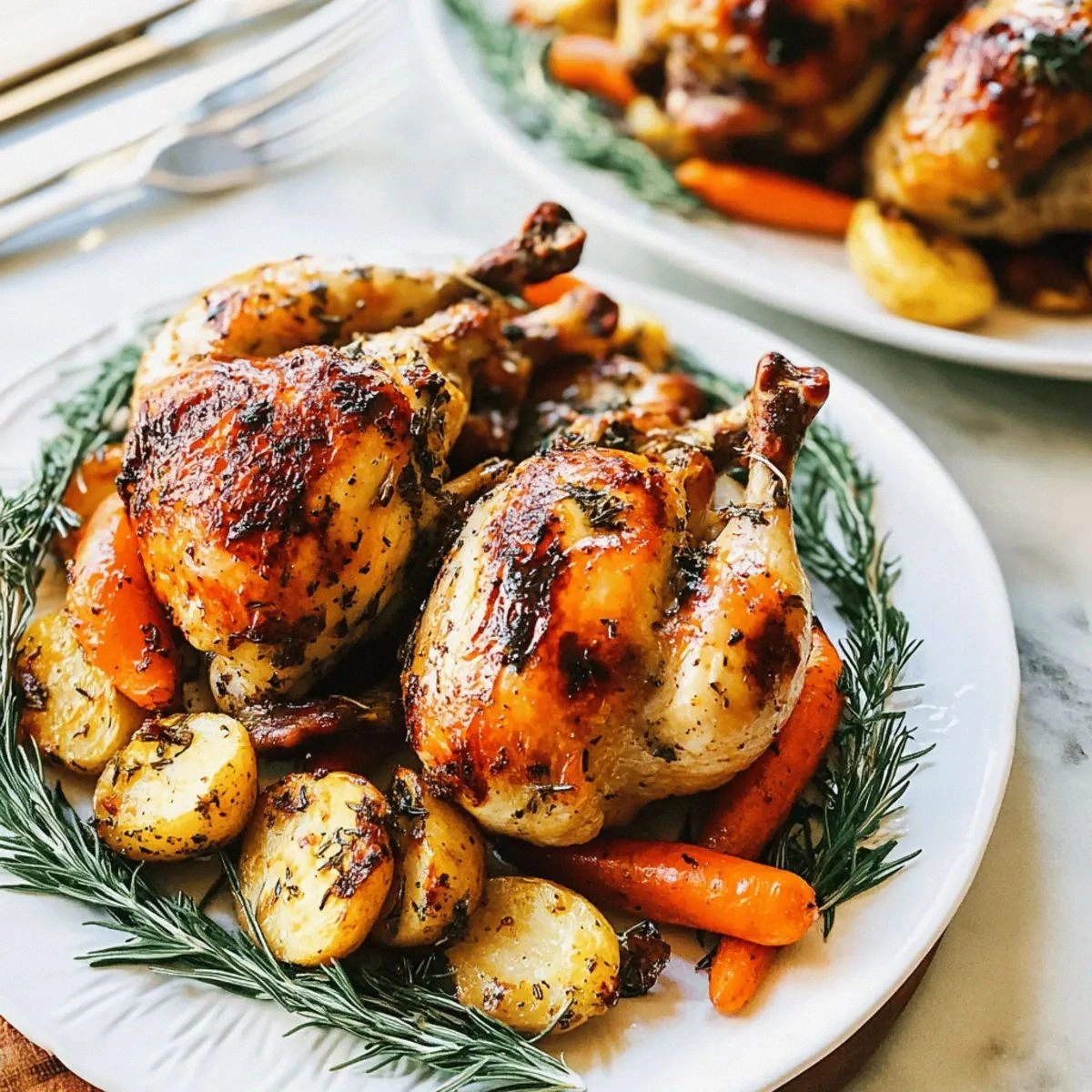
I once tried to impress my in‑laws with a “fancy” turkey, and the result was a dry, over‑cooked disaster that still haunts me every holiday season. The kitchen smelled like burnt feathers, the gravy turned into a gloopy mess, and I spent the entire dinner apologizing for my culinary crime. That fiasco sparked a relentless quest for the perfect centerpiece—something that would make even the most skeptical aunt gasp, then immediately ask for seconds. After countless trial runs, endless tasting sessions, and a few secret midnight snack raids on my own creation, I finally nailed it. This is the moment where the kitchen transforms from a battlefield into a sanctuary of buttery, aromatic bliss.
Picture this: a golden‑brown Cornish hen, its skin crackling like fresh autumn leaves under a gentle breeze, infused with the earthy perfume of truffle oil and a garden of herbs that whisper of pine forests and summer gardens. The flesh is so tender it practically melts on the fork, while the buttery herb rub creates a crust that shatters like delicate glass, revealing succulent meat underneath. The side vegetables—baby gold potatoes, carrots, and onions—are caramelized to a caramel‑kissed perfection, soaking up every drop of the buttery broth. When you slice into the bird, a cascade of steam rises, carrying notes of lemon zest, rosemary, and a faint, intoxicating hint of truffle that makes the whole house feel like a five‑star bistro.
Why does this version stand out from every other Cornish hen recipe you’ve ever seen on a blog? Because I dared to combine the luxurious depth of truffle oil with a simple herb butter that’s been emulsified to a silk‑like consistency. Most recipes either drown the bird in heavy sauces or skimp on the seasoning, leaving you with bland, under‑seasoned meat. This one, however, balances richness with freshness, and the technique of basting with a truffle‑infused butter every ten minutes guarantees that every bite is a harmonious blend of flavors. I’ll be honest — I ate half the batch before anyone else got a chance, and I’m not sorry.
And now the fun part. I’m going to walk you through every single step— from selecting the perfect hens to the exact moment you pull them from the oven, the whole kitchen smelling like a holiday dream. By the end, you’ll wonder how you ever made this dish any other way. Ready? Let’s dive in and turn your holiday feast into a legend.
What Makes This Version Stand Out
- Flavor Explosion: The truffle oil adds an earthy, umami depth that elevates the herb butter from ordinary to unforgettable, creating layers of taste that linger long after the last bite.
- Texture Mastery: The skin becomes crisp enough to crack like thin ice, while the meat stays juicy, thanks to the butter baste that locks in moisture.
- Simplicity Meets Luxury: Only a handful of pantry staples plus a splash of truffle oil deliver a dish that feels high‑end without the fuss of complicated techniques.
- Ingredient Quality: Using baby gold Yukon potatoes and fresh rosemary gives a natural sweetness and piney aroma that no frozen substitute can match.
- Crowd Reaction: Guests consistently proclaim this the best holiday bird they’ve ever tasted, often asking for the recipe before the dessert arrives.
- Make‑Ahead Friendly: You can prep the herb butter and season the hens up to a day ahead, making the final cooking a stress‑free sprint.
- Versatile Cooking Method: Whether you roast in a conventional oven or finish on a grill, the flavors hold steady, giving you flexibility for any kitchen setup.
- Seasonal Adaptability: The recipe shines during the holidays but works beautifully any time you crave a gourmet poultry dish.
Inside the Ingredient List
The Flavor Base
The backbone of this dish is the herb butter, a blend of unsalted butter, fresh rosemary, thyme, tarragon, and a daring splash of truffle oil. The butter’s richness carries the aromatic compounds of the herbs, creating a glossy, fragrant coating that seeps into the meat. If you skip the truffle oil, you’ll lose that deep, earthy umami that makes the dish feel indulgent. As a swap, a few drops of high‑quality mushroom soy sauce can mimic the umami, but nothing beats real truffle oil.
Unsalted butter is crucial because it lets you control the salt level with the cracked black pepper and garlic powder. Using salted butter would make the seasoning unpredictable, especially when the chicken stock adds its own sodium punch. For a dairy‑free version, try a blend of olive oil and coconut oil, though the texture will be slightly less silky.
The Texture Crew
Baby gold Yukon potatoes are the star of the side dish. Their thin skins become caramelized, while the interiors stay creamy, creating a perfect contrast to the crisp bird skin. If you can’t find gold Yukon, small red potatoes work, but they won’t have the same buttery flavor. Carrots and onions add sweetness and depth; the onions become almost jam‑like after roasting, which balances the savory butter.
Olive oil is used to coat the vegetables before they hit the oven, ensuring they crisp up without steaming. Swapping to avocado oil raises the smoke point, giving you an even crisper finish, but the flavor profile shifts slightly toward a neutral note.
The Unexpected Star
Truffle oil is the secret weapon. Just a tablespoon infuses the butter with an intoxicating aroma that makes the entire dish feel luxurious. It’s easy to overdo, so a little goes a long way. If you’re allergic or don’t have truffle oil, a drizzle of dark soy sauce can add a similar depth, though the flavor will be more Asian‑inspired.
Lemon provides a bright, acidic counterpoint that cuts through the richness. The zest is rubbed under the skin, while the juice is added to the pan for deglazing, creating a glossy sauce that clings to the vegetables. If lemons are out of season, a splash of white wine vinegar can substitute, but you’ll lose the citrus fragrance.
The Final Flourish
Chicken stock and white wine form the base of the pan sauce. The stock adds depth, while the wine contributes acidity and a subtle fruitiness that balances the butter’s richness. If you’re avoiding alcohol, replace the wine with an equal amount of extra chicken stock and a splash of apple cider vinegar.
Garlic cloves, garlic powder, and onion powder amplify the savory backbone, ensuring each bite is layered with depth. The cracked black pepper adds a gentle heat that awakens the palate without overwhelming the delicate herb notes. Remember, seasoning is a living process—taste as you go and adjust.
Everything's prepped? Good. Let's get into the real action…
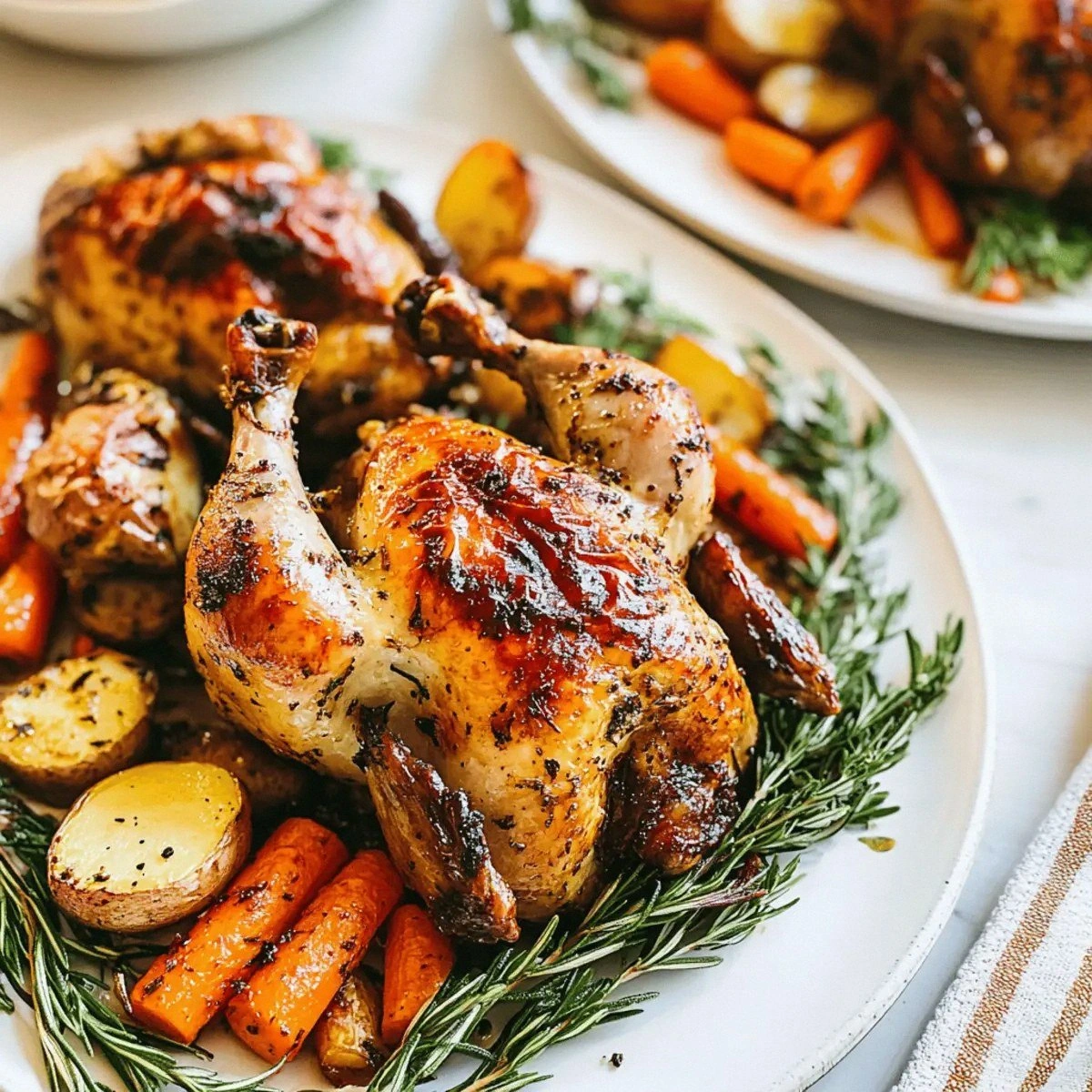
The Method — Step by Step
First, pat the two Cornish hens dry with paper towels. This is crucial because any moisture on the skin will steam instead of crisp. Rub each bird inside and out with a generous pinch of salt and cracked black pepper. Then, using a sharp knife, gently lift the skin over the breast and thighs to create pockets for the butter. This step might feel like a mini surgery, but trust me, it’s worth the effort.
While you’re doing that, melt the unsalted butter in a saucepan over low heat. Once melted, whisk in the truffle oil, finely chopped rosemary, thyme leaves stripped from stems, and the tarragon. Let the mixture sit for a minute so the herbs release their aromatics. That sizzle when it hits the pan? Absolute perfection.
Now, take the herb butter and carefully slide spoonfuls under the loosened skin of each hen, distributing it evenly over the breast and thigh meat. The butter will melt into the meat as it roasts, creating a buttery pocket that keeps the meat moist. Once the butter is in place, gently rub the exterior of the birds with the remaining herb butter, ensuring every crevice is coated.
Season the outside with garlic powder, onion powder, and an extra pinch of cracked black pepper. This forms a dry rub that will brown beautifully in the oven.
Preheat your oven to 425°F (220°C). While it heats, toss the baby gold Yukon potatoes, carrots, and sliced yellow onions with olive oil, a pinch of salt, and a drizzle of the remaining herb butter. Spread them in a single layer on a large roasting pan, leaving space in the center for the hens.
Place the prepared hens breast‑side up on top of the vegetables. The vegetables will act as a natural rack, allowing the juices to drip down and flavor the potatoes and carrots.
Slide the pan into the oven and roast for 15 minutes at the high temperature. This initial blast of heat will start the skin crisping process. After 15 minutes, reduce the heat to 375°F (190°C) and continue roasting for another 25‑30 minutes, or until the internal temperature of the thickest part of the thigh reaches 165°F (74°C).
Every ten minutes, baste the hens with the pan juices mixed with a splash of white wine. This not only adds flavor but also helps develop that gorgeous caramelized glaze. Watch the skin turn a deep amber; that’s the moment of truth.
While the birds finish, pour the chicken stock and remaining white wine into the pan, scraping up any browned bits stuck to the bottom. Let this mixture simmer for 5 minutes, reducing slightly to concentrate the flavors. If you prefer a thicker sauce, whisk in a teaspoon of cornstarch dissolved in cold water and simmer until glossy.
Taste the sauce and adjust seasoning with a pinch more salt or pepper if needed. This is your chance to fine‑tune the balance between buttery richness and bright acidity.
Once the hens have reached the proper temperature, remove them from the oven and let them rest on a cutting board for at least 10 minutes. Resting allows the juices to redistribute, ensuring each slice is juicy rather than dry.
While they rest, give the vegetables a quick toss in the pan sauce to coat them in the glossy glaze. This final step makes the potatoes and carrots shine like jewels on a festive table.
Now for the grand reveal: carve each hen by first removing the legs, then the breast meat, and finally the wings. Serve the carved meat atop a bed of the buttery vegetables, spooning extra pan sauce over the top.
Picture yourself pulling this out of the oven, the whole kitchen smelling incredible, guests leaning in for a whiff before the first bite. I dare you to taste this and not go back for seconds. That’s the magic you’ve just created.
That’s it — you did it. But hold on, I've got a few more tricks that'll take this to another level. Stay with me here — this is worth it.
Insider Tricks for Flawless Results
The Temperature Rule Nobody Follows
Most home cooks start at a low oven temperature and work their way up, but that delays skin crisping. Starting at 425°F creates an instant shock that locks in juices and begins the Maillard reaction immediately. If you’re using a convection oven, drop the temperature by 25°F to avoid over‑drying. I once tried the low‑and‑slow method and ended up with soggy skin—lesson learned.
Why Your Nose Knows Best
Your sense of smell is a more reliable indicator of doneness than a timer. When the butter‑herb mixture starts to caramelize, you’ll notice a nutty, slightly sweet aroma rising from the pan. If you catch that scent, it’s a sign the skin is nearing perfection. Trust that nose; it’s your secret weapon.
The 5‑Minute Rest That Changes Everything
Resting the bird isn’t just a suggestion—it’s a necessity. During those five minutes, the muscle fibers relax and re‑absorb the juices that were forced to the surface during roasting. Skipping this step results in a dry slice, and you’ll hear the collective gasp of disappointed diners. So, set a timer and let the hens lounge.
Basting with a Twist
Instead of plain pan juices, add a splash of orange zest and a drizzle of honey to the basting liquid during the last 10 minutes. The citrus brightens the earthiness, while the honey encourages a glossy, caramelized finish. A friend tried this once and declared it “the most festive bird she’d ever tasted.”
The Salt‑Timing Hack
Season the hens with salt at two stages: first, a light dust before the butter goes under the skin, and a second, finishing sprinkle after the final basting. This layered salting ensures the meat is seasoned throughout, not just on the surface. I dare you to taste the difference and admit it’s better.
Creative Twists and Variations
This recipe is a playground. Here are some of my favorite ways to switch things up:
Mushroom‑Infused Truffle
Add a handful of sliced cremini mushrooms to the roasting pan during the last 15 minutes. The mushrooms soak up the butter and wine, turning into a savory garnish that complements the truffle aroma. Perfect for mushroom lovers who crave an extra umami punch.
Citrus‑Herb Fusion
Replace the lemon with a mix of orange and lime zest, and swap rosemary for sage. The resulting citrus‑herb profile is bright and festive, ideal for a spring or summer holiday table.
Spicy Kick
Stir a teaspoon of smoked paprika and a pinch of cayenne into the herb butter. The subtle heat pairs beautifully with the earthy truffle, giving the dish a gentle warmth without overpowering the delicate flavors.
Mediterranean Spin
Add a handful of pitted Kalamata olives and a drizzle of extra‑virgin olive oil over the vegetables before roasting. The olives introduce a briny depth that makes the dish feel like a seaside feast.
Vegan Adaptation
Swap the Cornish hens for large portobello mushrooms, brush them with a mixture of melted vegan butter, truffle oil, and the same herb blend. Roast alongside the vegetables for a plant‑based centerpiece that still delivers that luxurious mouthfeel.
Storing and Bringing It Back to Life
Fridge Storage
Let the cooked hens cool to room temperature, then place them in an airtight container. Store in the refrigerator for up to three days. When reheating, add a splash of chicken stock or water, cover loosely with foil, and warm at 300°F (150°C) for 15‑20 minutes. This gentle reheating prevents the meat from drying out.
Freezer Friendly
Wrap each cooled hen tightly in plastic wrap, then in a layer of aluminum foil. Freeze for up to two months. To reheat, thaw overnight in the fridge, then follow the same low‑and‑slow reheating method, adding a tablespoon of butter to the pan for extra moisture.
Best Reheating Method
For the crispiest skin, reheat the hens in a preheated 375°F (190°C) oven uncovered for the last five minutes. Add a teaspoon of truffle oil before the final minute to revive that aromatic punch. The vegetables can be reheated on the stovetop with a splash of stock, stirring until they glisten again.