Picture this: you’re standing in a kitchen that smells like roasted garlic, citrus, and a hint of toasted sesame. The air is thick with anticipation, the sound of a blender whirring, and the faint clink of a stainless steel bowl. I was on a mission to rescue my friends from a bland, store‑bought hummus that tasted like it was made in a supermarket aisle. I dared them to taste this and not go back for seconds, and I was ready to prove that the humble chickpea can become the centerpiece of a culinary masterpiece.
I was in my kitchen, feeling like a culinary detective, hunting for the perfect balance of creamy, zesty, and crunchy. I pulled out a jar of tahini that had been sitting in the pantry for months, a lemon that had the perfect bright acidity, and a handful of fresh parsley that looked like green confetti. The moment the blender started, the kitchen filled with the comforting scent of toasted olive oil and cumin, and I could already taste the velvety texture that would coat your tongue like a silk scarf. The sizzle of garlic in the oil was the soundtrack to a dish that would soon become the talk of the table. And as I stirred, I felt the anticipation building, like a secret that was about to be revealed.
What makes this version stand out from every other recipe out there is that it doesn’t just rely on the basics; it layers flavor, texture, and visual appeal into a single, harmonious plate. The hummus itself is silky smooth yet has a subtle bite from smoked paprika that lingers on the palate. The garnish of pomegranate seeds adds a pop of color and a sweet crunch that contrasts beautifully with the creamy base. The pita is warm and slightly charred, offering a satisfying chew that complements the hummus. And the final flourish of feta and olives ties everything together, creating a Mediterranean tapestry that feels both familiar and daringly fresh.
I’ll be honest— I ate half the batch before anyone else got to try it. That was a confession I made in front of my friends, who laughed and begged for more. The best part? The hummus kept its silky consistency even after a few hours of sitting on the counter, which is a testament to the careful balance of oil and tahini. I dare you to taste this and not go back for seconds; if you do, let me know, and I’ll send you the recipe. Picture yourself pulling this out of the blender, the whole kitchen smelling incredible, and then sharing it with people who will rave about how it’s hands down the best version you’ll ever make at home.
If you've ever struggled with hummus that turns out too dry or too thick, you're not alone—and I've got the fix. The secret lies in the right ratio of olive oil to tahini and a splash of water to achieve that perfect, pourable texture. It’s a game-changer that transforms a simple dip into a party staple. And if you’re thinking this is just another hummus recipe, think again: this is a full sensory experience that will leave your guests asking for the recipe. Stay with me here—this is worth it. Let me walk you through every single step—by the end, you'll wonder how you ever made it any other way.
I was in the grocery aisle, debating between regular and low‑fat hummus, when a friend whispered, "Try the Mediterranean style." That was the spark that led me to experiment with smoked paprika, roasted red peppers, and a sprinkle of pomegranate seeds. The result? A platter that feels like a Mediterranean vacation in a bowl. The crunch of fresh veggies and the silky hummus create a symphony of textures that dance on your tongue. And the best part? This version is so versatile that you can serve it as an appetizer, a side dish, or even a light lunch.
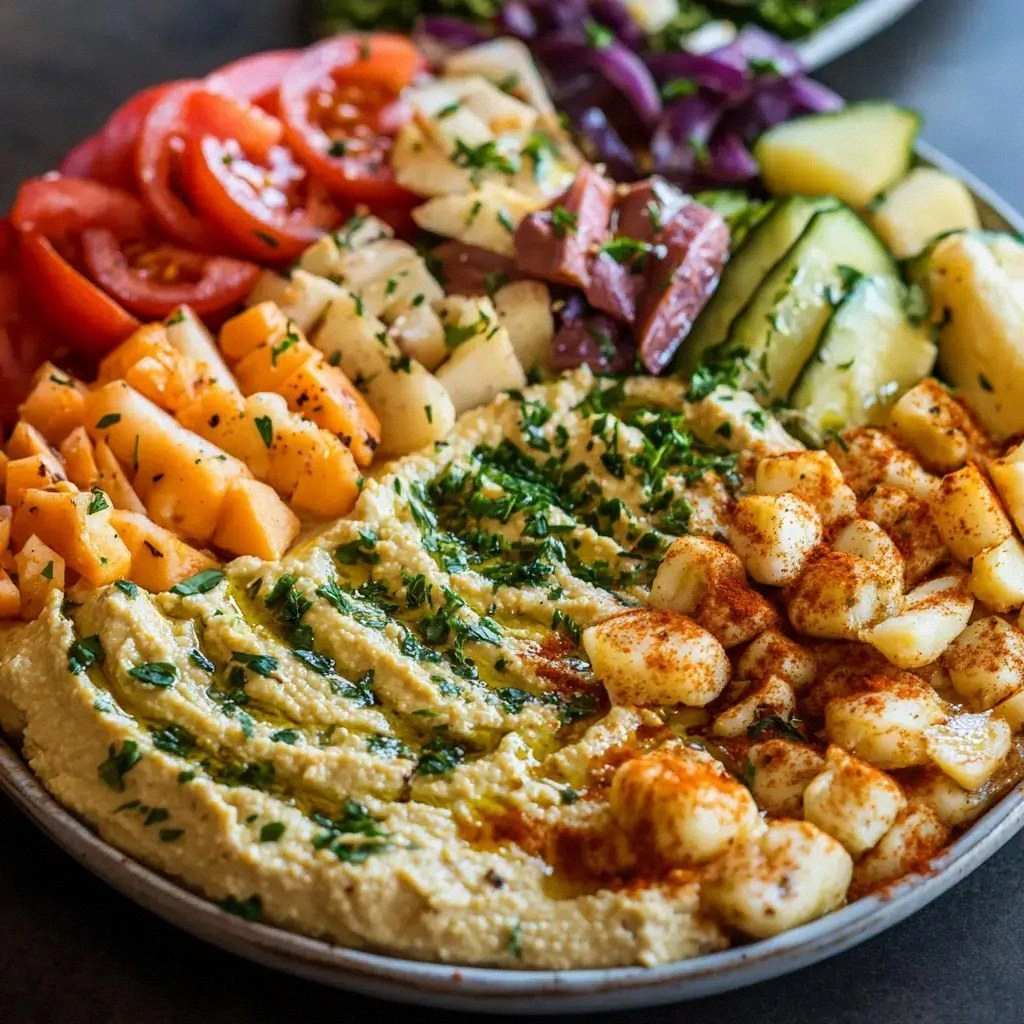
Picture the moment the hummus is plated: a glossy, golden bowl surrounded by a rainbow of toppings—crunchy cucumber slices, juicy cherry tomatoes, and the unmistakable pop of pomegranate seeds. The aroma of cumin and smoked paprika wafts through the air, making your mouth water before you even take a bite. The visual appeal is just as important as the flavor, and this platter delivers on both fronts. The contrast between the creamy hummus and the fresh, vibrant toppings is a feast for the eyes and the palate alike. And that first bite? It’s like a burst of sunshine on a cloudy day.
So buckle up, because this is not just another recipe—it's a culinary adventure that will elevate your next gathering. The next time you host a potluck or a casual get‑together, this platter will steal the show. Trust me, your friends will be asking for the recipe and your secret ingredient. And if you’re still skeptical, I dare you to taste this and not go back for seconds. Let’s dive in, shall we?
What Makes This Version Stand Out
- Flavor: The combination of tahini and lemon juice creates a rich, nutty base that balances acidity with smoothness. The smoky undertone from paprika adds depth, turning ordinary hummus into a memorable bite.
- Texture: A splash of water and extra virgin olive oil keeps the hummus silky and pourable, preventing it from becoming clumpy or too thick.
- Visual Appeal: The vibrant garnish—pomegranate seeds, feta, and olives—creates a color palette that looks as good as it tastes.
- Freshness: Freshly minced garlic and parsley provide a bright, aromatic lift that elevates the entire dish.
- Versatility: This platter can serve as a starter, side, or light meal, making it perfect for any occasion.
- Make‑ahead Potential: The hummus can be prepared a day in advance without losing its creamy texture, saving time on busy evenings.
- Authenticity: By using real Mediterranean ingredients like Kalamata olives and roasted red peppers, the dish stays true to its roots.
- Healthful: Packed with plant protein, healthy fats, and fiber, this platter satisfies both taste buds and nutritional goals.
Inside the Ingredient List
The Flavor Base
The foundation of any great hummus starts with the chickpeas. Use canned or cooked from scratch; the key is to drain them well to avoid excess moisture. Adding a tablespoon of lemon zest elevates the citrus profile, making the hummus feel lighter. If you prefer a tangier kick, replace half the lemon juice with a splash of white wine vinegar. This small tweak brings a subtle acidity that balances the richness of tahini.
Tahini is the heart of the sauce, providing that signature nutty flavor and creamy texture. Choose a high‑quality, cold‑pressed tahini for the best taste. If your tahini is too thick, a tablespoon of warm water can help achieve a silky finish. Remember, the ratio of tahini to olive oil is crucial—too much oil can make the hummus greasy, while too little can leave it dry.
The Texture Crew
Olive oil is the secret weapon that transforms the hummus into a silky, pourable delight. Use a generous drizzle of extra virgin olive oil; its fruity notes complement the cumin and smoked paprika. Garlic, when minced finely, adds depth without overpowering the other flavors. A pinch of sea salt brightens every component, ensuring the hummus isn’t bland.
Ground cumin offers a warm, earthy undertone that pairs beautifully with the smoky paprika. A half teaspoon of freshly ground black pepper adds a gentle heat that lingers on the palate. Water is your ally for achieving the perfect consistency—add it slowly, tasting as you go. If the hummus feels too thick, a tablespoon of warm water will smooth it out without diluting the flavor.
The Unexpected Star
Pomegranate seeds are more than a garnish; they provide a burst of sweetness and a satisfying crunch that contrasts with the creamy hummus. They also add a pop of color that makes the platter Instagram‑ready. If you’re not a fan of pomegranate, try chopped sun‑dried tomatoes for a tangy twist.
Feta cheese offers a salty, tangy finish that cuts through the richness of the hummus. Crumbled feta adds a creamy texture that contrasts with the crunchy vegetables. Kalamata olives bring a briny depth that echoes the Mediterranean vibe. Roasted red pepper strips add sweetness and a smoky aroma that complements the paprika.
The Final Flourish
Fresh parsley adds a bright, herbaceous note that lifts the entire dish. Chop it finely so that every bite is infused with a burst of green. The pita bread, warm and slightly charred, provides the perfect vehicle for scooping the hummus. Toast the pita lightly on a skillet to bring out its nutty flavor and crisp edges.
Cucumber slices, cherry tomatoes, and carrot sticks add crunch and freshness, balancing the richness of the hummus. They also bring a rainbow of colors that make the platter visually stunning. When arranging the platter, start with a base of hummus, then artfully place the toppings in a circular pattern. This not only looks appealing but also ensures every bite has a harmonious mix of flavors.
The Method — Step by Step
- Begin by draining and rinsing your chickpeas, whether canned or freshly cooked. Pat them dry with a clean towel to remove excess moisture, which helps achieve a smoother hummus. Place the chickpeas into a high‑speed blender or food processor. Add the minced garlic, lemon juice, and a pinch of sea salt. Blend until the mixture starts to thicken, then pause to scrape down the sides for an even blend.
- Introduce the tahini to the blender, followed by a generous splash of extra virgin olive oil. The olive oil not only adds richness but also helps emulsify the mixture into a silky texture. Blend again until the tahini is fully incorporated and the hummus becomes glossy. Taste and adjust the lemon juice or salt if needed—this is your chance to fine‑tune the flavor.
- Add ground cumin, smoked paprika, and freshly ground black pepper. These spices are the backbone of the Mediterranean flavor profile. Blend for another 30 seconds to allow the spices to distribute evenly throughout the hummus. If the hummus feels too thick, add a tablespoon of warm water and pulse until the desired consistency is achieved.
- Transfer the hummus to a serving bowl. Drizzle a little more olive oil over the top for a glossy finish, and sprinkle the smoked paprika for a subtle aroma. The bowl should look inviting, with a glossy sheen that reflects the light. This step sets the stage for the vibrant garnish.
- Arrange the pomegranate seeds, crumbled feta, sliced Kalamata olives, and roasted red pepper strips in a circular pattern around the hummus. This not only adds flavor but also creates a visual centerpiece that draws the eye. Make sure each topping is evenly spaced so that every bite contains a balanced mix of textures.
- Finely chop fresh parsley and scatter it over the platter. The parsley adds a burst of green that contrasts beautifully with the earthy tones of the hummus and olives. It also imparts a fresh, herbaceous aroma that lingers in the air. This step is essential for that authentic Mediterranean vibe.
- Warm the pita bread in a skillet over medium heat until lightly toasted and slightly charred on the edges. This gives the bread a nutty flavor and a satisfying crunch. Place the warm pita on a separate platter or the same bowl, ready for scooping. The warm bread is the perfect complement to the cool, creamy hummus.
- Add the cucumber slices, cherry tomatoes, and carrot sticks to the platter. These fresh veggies provide a crisp bite that balances the richness of the hummus. They also add a pop of color that makes the dish look as good as it tastes. Arrange them around the hummus in a way that encourages guests to mix and match flavors.
- At this point, your platter is almost ready. Let it sit for 5 minutes to allow the flavors to meld together. During this time, the hummus will settle, and the toppings will release their juices, creating a fragrant aroma that will have everyone coming back for more.
- Serve immediately, or cover with a thin layer of olive oil and plastic wrap if you plan to keep it for a few hours. This will preserve the hummus’s silky texture and keep the toppings fresh. Enjoy the burst of flavors and textures that make this platter unforgettable.
Insider Tricks for Flawless Results
The Temperature Rule Nobody Follows
Many people add cold ingredients directly into a hot blender, which can cause the mixture to separate. Instead, let your ingredients reach room temperature before blending. This small step ensures a smoother emulsion and a more consistent texture. I once tried the opposite and ended up with a lumpy hummus that needed a rescue of extra oil.
Why Your Nose Knows Best
Smell the hummus as you blend; the aroma of cumin and smoked paprika should become more pronounced. If the scent feels flat, add a pinch of salt or a dash of lemon juice. Your nose is your best ally in determining whether the flavor profile is balanced. A well‑seasoned hummus will have a fragrant, inviting scent that signals perfection.
The 5-Minute Rest That Changes Everything
After blending, let the hummus rest for at least five minutes before serving. This allows the flavors to meld and the texture to firm up slightly. The hummus will be less runny and more cohesive, making it easier to scoop. I’ve seen guests rave about how the rest makes the hummus feel like a creamy spread rather than a dip.
The Secret to Perfectly Toasted Pita
Toast pita bread on a dry skillet over medium heat, turning it every 30 seconds. The key is to get a slight char without burning it. This technique gives the bread a nutty flavor that complements the hummus. If you’re short on time, you can also warm the pita in the oven at 350°F for 5 minutes.
Balancing Sweet and Savory
Add a splash of honey or agave syrup to the hummus if you prefer a slightly sweet undertone. This works especially well with the smoky paprika and feta. The sweet note balances the saltiness of the olives and feta, creating a harmonious flavor profile. I’ve used this trick to impress guests who love a little sweetness in their savory dishes.
The Final Touch: Olive Oil Drizzle
A final drizzle of high‑quality olive oil before serving adds shine and enhances flavor. It also helps to keep the hummus moist if you’re storing it for later. The oil’s fruity notes bring a fresh finish to each bite. This is the little detail that turns an average hummus into a gourmet experience.
Creative Twists and Variations
Mediterranean Veggie Platter
Swap the pita for a selection of fresh flatbreads or naan. Add sliced bell peppers, olives, and artichoke hearts for a Mediterranean twist. The result is a colorful, veggie‑rich platter that pairs well with grilled chicken or fish.
Spicy Chipotle Hummus
Incorporate a tablespoon of chipotle in adobo for a smoky heat that contrasts the creamy base. Top with crushed tortilla chips for a crunchy texture. This version is perfect for a casual get‑together where guests love a kick.
Roasted Garlic & Herb Hummus
Roast the garlic cloves in the oven until caramelized before blending. Add fresh thyme and rosemary for an aromatic herbaceous note. This variation brings a warm, comforting flavor that works well in cooler weather.
Blue Cheese & Walnut Hummus
Replace feta with crumbled blue cheese for a tangy, pungent flavor. Add toasted walnuts for crunch and a nutty finish. This version is a crowd‑pleaser at parties where guests love bold flavors.
Sweet & Tangy Pomegranate Hummus
Blend in a handful of pomegranate molasses for a sweet‑tart glaze that coats the hummus. Sprinkle with pistachios for extra crunch. This variation is a showstopper for holiday gatherings.
Herbed Lentil Hummus
Swap chickpeas for cooked lentils to create a different texture and flavor profile. Add fresh mint and dill for a refreshing finish. This version is protein‑rich and perfect for a vegetarian dinner.
Storing and Bringing It Back to Life
Fridge Storage
Store the hummus in an airtight container for up to five days in the refrigerator. Before serving, stir in a tablespoon of olive oil to restore its silky texture. Keep the garnish separate until ready to serve to preserve freshness. This method ensures your hummus stays vibrant and flavorful.
Freezer Friendly
Freeze the hummus in a freezer‑safe container for up to two months. Thaw overnight in the refrigerator, then stir in a splash of warm water to re‑emulsify the mixture. The flavor remains intact, and the texture stays creamy. I’ve used this trick to have a ready‑to‑serve platter on busy evenings.
Best Reheating Method
Reheat the hummus gently in a saucepan over low heat, stirring constantly. Add a splash of water or milk to maintain moisture. This prevents the hummus from drying out or separating. The gentle heat restores the aroma and makes the hummus feel fresh.
Garnish Refresh
Refresh the garnish by adding fresh pomegranate seeds, parsley, and feta right before serving. This ensures the colors stay bright and the flavors remain crisp. The final touch makes the platter look freshly prepared and ready to be devoured.