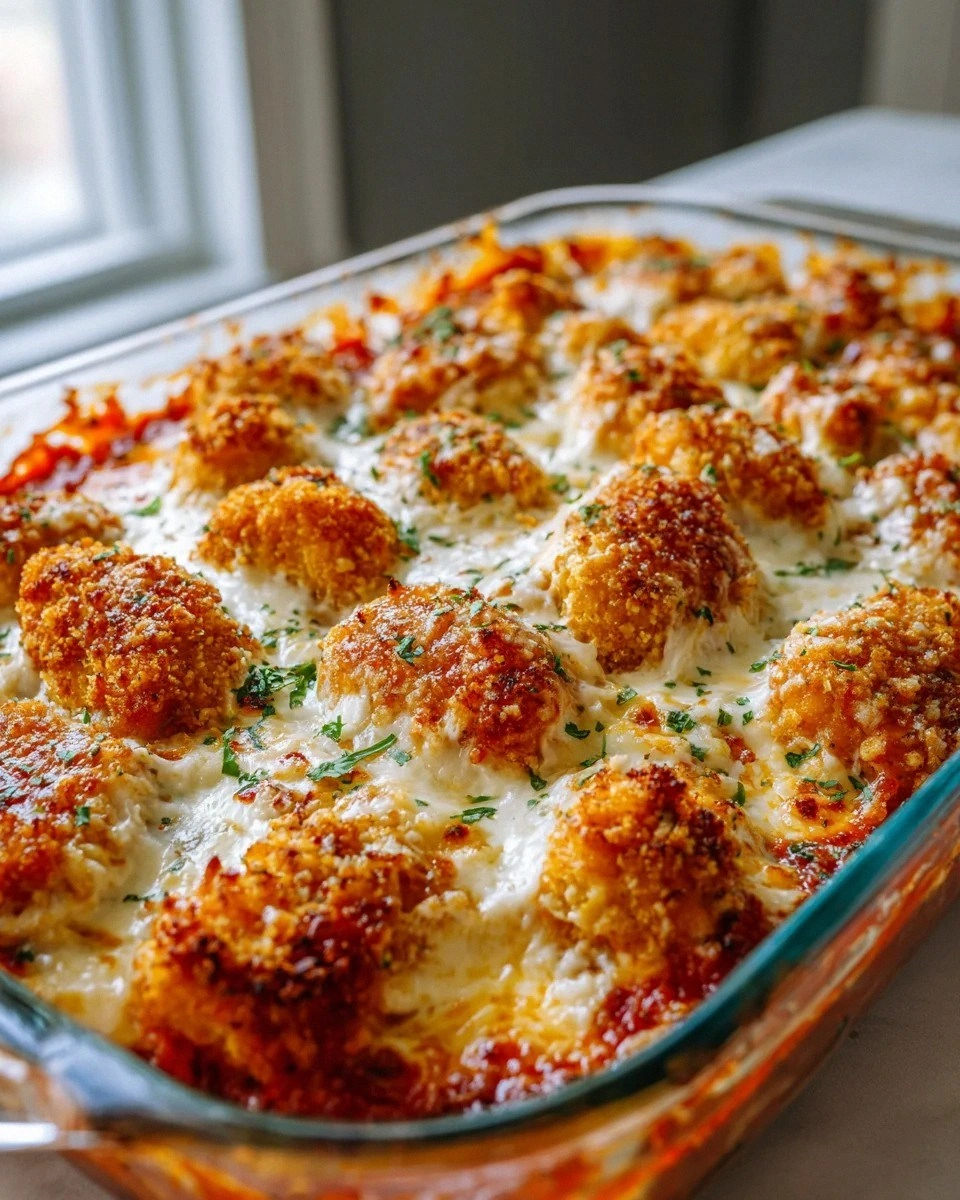
Picture this: it is 9:17 p.m. on a Tuesday, your favorite take-out joint has already closed, the rain is tap-dancing on your kitchen window, and your stomach is staging a full-scale rebellion. You open the fridge hoping for a miracle and see a tub of cottage cheese that has been side-eyeing you for three days and two lonely chicken breasts that feel like they have been living in the meat drawer since the dinosaurs. Most people would surrender to a bowl of cereal or a sad frozen burrito. Not us. Ten minutes later I am searing chicken that smells like a trattoria in Naples, and thirty minutes after that I am spooning molten mozzarella over a ruby-red marinara lake while the cottage cheese melts into creamy pockets that make ricotta look like it is trying too hard. That first bite? A hot-cool crunch-gooey symphony that had me standing over the skillet, fork in hand, rationalizing that “quality control” justified polishing off half the batch before my roommate even knew dinner existed. I dare you to taste this and not go back for seconds. Let me walk you through every single step—by the end, you will wonder how you ever made it any other way.
What pushes this bowl into the stratosphere is the quiet genius of cottage cheese. Most recipes get this completely wrong: they reach for ricotta because it sounds fancy, but ricotta just lounges there, bland and grainy, waiting for you to season it into submission. Cottage cheese already brings tangy intrigue, tiny curds that relax into velvety sauce, and protein that keeps you full long after Netflix asks if you are still watching. Add the crackling golden crust of a quick pan-sear, the sweet-acidic pop of good marinara, and that crown of blistered mozzarella, and you have a 45-minute miracle that tastes like you spent the afternoon simmering nonna’s Sunday gravy. Future pacing moment: picture yourself pulling this out of the oven, the whole kitchen smelling incredible, your phone already buzzing because the neighbor wants to know what on earth you are cooking.
Stay with me here—this is worth it. The technique is dead simple, but there are tiny moments (the temperature of the oil, the timing of the cheese melt, the way you let the chicken rest) that separate good from “I need this in my face immediately.” I will confess, I have eaten this for breakfast, cold, straight from the fridge, standing in pajamas while the coffee brewed. If you have ever struggled with dry chicken, curdled cheese, or soggy sauce, you are not alone—and I have the fix. Okay, ready for the game-changer?
What Makes This Version Stand Out
- Velvet-Cloak Sauce: The cottage cheese warms into silky pockets that hug every cube of chicken like a custom-knit sweater, creating richness without heavy cream or butter.
- One-Pan Wonder: Everything from searing to final cheese melt happens in a single skillet, meaning you can spend your evening eating, not scrubbing.
- Protein Double-Whammy: Lean chicken plus high-protein cottage cheese deliver 25 grams per serving, so you will not be raiding the pantry at midnight.
- Crispy-Edge Guarantee: A quick dusting of seasoned flour on the chicken creates shattering edges that shatter like thin ice under your fork yet stay juicy inside.
- Weeknight Fast: 15 minutes hands-on, 30 minutes total—faster than delivery and definitely faster than finding parking for pick-up.
- Make-Ahead Hero: Prep the components Sunday night, stash in containers, and assemble for lightning lunches all week; reheats like a dream.
Alright, let us break down exactly what goes into this masterpiece...
Inside the Ingredient List
The Flavor Base
We start with boneless, skinless chicken breasts—yes, the humble protein that everyone abuses into cardboard. The trick is to slice them into bite-sized chunks so they cook in minutes instead of drying out like the Sahara. Olive oil jumps in next; do not cheap out here. A tablespoon of the good stuff—fruity, peppery, green-gold—carries the Italian seasoning and forms the first layer of flavor. Skip the oil and your spices will burn like confetti on hot pavement. Salt and pepper seem obvious, but taste the chicken after a proper seasoning and you will realize most people under-salt by half. If you are staring at bland chicken, this is probably why.
The Texture Crew
Cottage cheese is the unexpected star, the Meryl Streep of dairy: versatile, reliable, always award-worthy. Full-fat is best—low-fat versions water out and leave you with a grainy puddle. One cup melts into the sauce, creating tiny pockets that burst with creaminess when you bite down. Marinara sauce should be the kind you would eat with a spoon; if it tastes flat from the jar, brighten it with a pinch of sugar and a splash of balsamic. Finally, shredded mozzarella is your lava blanket, bubbling and stretching into Instagram-ready cheese pulls. Fresh herbs at the end—basil, parsley, even thyme—wake everything up like a splash of cold water on a Monday morning.
The Unexpected Star
Cooked pasta or rice is not just a filler—it is the edible spoon that scoops up every last drip of sauce. Go short pasta like penne or rigatoni; their ridges cling to the cottage-cheese-marinara emulsion like Velcro. Rice lovers should reach for medium-grain; it stays plump without turning into mush. Quinoa works if you are feeling virtuous, but it will drink up sauce faster, so serve extra on the side. Cauliflower rice is an option for the carb-shy, but do not expect it to soak up flavors the same way; it is more like a polite nod than a bear hug.
The Final Flourish
Parmesan is optional but highly recommended; a feathery snow of it melts on contact and adds that nutty backbone. Fresh herbs bring color and a pop of chlorophyll that makes the red sauce look even redder. Red-pepper flakes are your insurance policy against blandness—just a pinch wakes up the tomatoes without turning the dish into a dare. And now the fun part: everything is prepped? Good. Let us get into the real action.
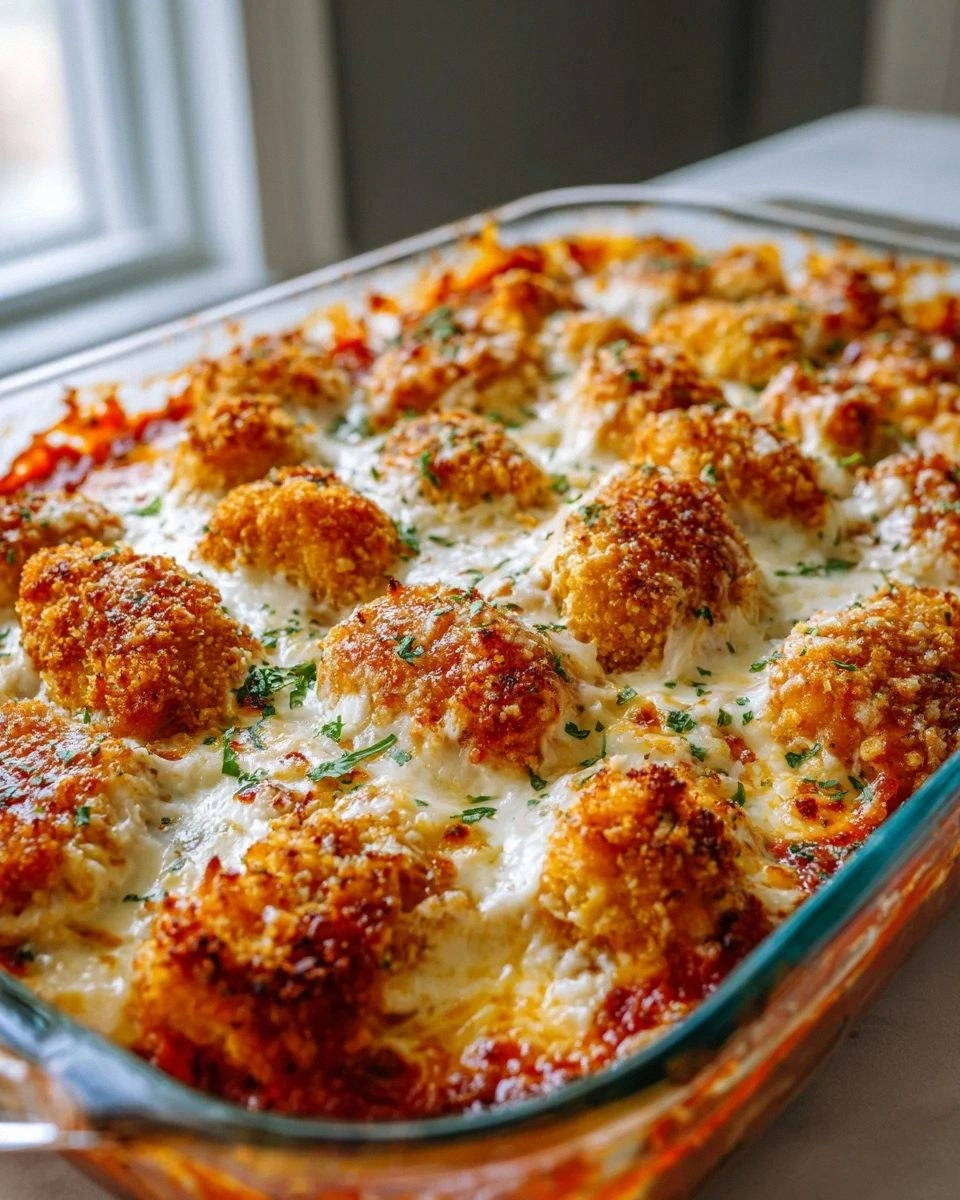
The Method — Step by Step
- Pat the chicken breasts dry with paper towels—moisture is the enemy of golden crust. Cube them into ¾-inch pieces so they cook evenly and you get more crispy edges per bite. Season aggressively with salt, pepper, and Italian seasoning; toss to coat while the olive oil heats in a wide skillet over medium-high. When the oil shimmers like a mirage, lay the chicken in a single layer and do not touch it for three full minutes. That sizzle when it hits the pan? Absolute perfection. Walk away and you will miss the Maillard magic; poke too early and you will tear the crust. Trust the timer, not your twitchy spatula fingers.
- Flip each piece using tongs; the underside should be caramelized to a nut-brown color that smells like Thanksgiving stuffing. Cook another two minutes, then scoot the chicken to the edges to make a well in the center. Pour the marinara straight into that hot clearing; it will bubble like hot lava, deglazing all those tasty browned bits. Stir so every cube gets a red bath, then reduce the heat to medium-low. This next part? Pure magic.
- Dot the surface with cottage cheese, spacing it like you are dropping cookie dough. Resist the urge to stir; you want little islands that melt but keep their shape. Cover the skillet with a lid and let it simmer gently for five minutes while you preheat the broiler. The cottage cheese will relax, the sauce will thicken, and your kitchen will smell like you hired an Italian grandmother. Lift the lid and give a gentle fold—those curds should swirl into the sauce like cream into coffee.
- Sprinkle the mozzarella in an even layer all the way to the edges; this prevents the cheese from sliding into one rubbery clump. Slide the skillet under the broiler, about six inches from the flame, and broil for two to three minutes until the top is blistered and freckled with bronze spots. Keep the oven door cracked and watch closely; the jump from golden to charcoal happens faster than a TikTok trend. When it looks like the surface of a toasted marshmallow, pull it out and let it rest for five minutes—this is the 5-minute rest that changes everything.
- While the cheese sets, warm your pasta or rice in the microwave with a splash of water so it steams back to life. Spoon the chicken parm mixture over the top, making sure to scoop up some of the molten mozzarella strands that stretch like taffy. Shower with fresh herbs and a quick grate of Parmesan; serve in shallow bowls so you do not lose any sauce to the depths of a dinner plate. The first bite should be a contrast of crispy edge, juicy chicken, creamy cottage-cheese sauce, and that Instagram-ready cheese pull. I dare you to taste this and not go back for seconds.
Insider Tricks for Flawless Results
The Temperature Rule Nobody Follows
Most home cooks crank the heat to “surface of the sun” and wonder why the outside is charcoal and the inside is still mooing. Medium-high is your sweet spot—hot enough to brown, cool enough to let the center cook through. If the oil starts smoking like a 1987 Honda, lower the flame and keep moving the pan off the burner for thirty seconds. A friend tried skipping this step once; let us just say it did not end well for the smoke alarm or the dog.
Why Your Nose Knows Best
When the marinara hits the pan, it should smell bright and tomato-sweet, not metallic or dull. If it smells like canned pennies, stir in a pinch of sugar and a whisper of butter; the sugar rounds the acid, the butter coats your tongue and fools you into thinking it simmered for hours. This sensory checkpoint takes three seconds and saves the whole dish.
The 5-Minute Rest That Changes Everything
Pull the skillet off the heat and let it sit, uncovered, for five full minutes. The sauce thickens, the cheese settles, and the chicken reabsorbs some of the juices it lost while bubbling like a jacuzzi. Skip this rest and you will burn your tongue, lose half the cheese to the serving spoon, and wonder why your sauce is thinner than your patience on a Monday morning.
Creative Twists and Variations
This recipe is a playground. Here are some of my favorite ways to switch things up:
Firecracker Heatwave
Swap Italian seasoning for Cajun spice, add a diced jalapeño to the marinara, and finish with pepper-jack cheese. The cottage cheese tames the flame just enough to keep your taste buds alive for round two.
Green Goddess Veggie Boost
Toss in a handful of baby spinach and sliced zucchini during the last two minutes of simmering. The veggies steam right in the sauce, and the cottage cheese clings to them like green velvet.
Smoky Bacon Avalanche
Start by rendering two chopped strips of bacon in the skillet; remove the crisp bits and sear the chicken in the smoky fat. Sprinkle the bacon back on top with the cheese. This version has ruined every diet I have ever started, and I regret nothing.
Mediterranean Sunset
Stir in a spoon of pesto, swap mozzarella for feta, and finish with chopped olives and sun-dried tomatoes. Suddenly you are on a Santorini balcony, even if you are actually in a studio apartment next to a fire station.
Buffalo Wing Throwdown
Replace marinara with half Buffalo sauce and half crushed tomatoes, use blue-cheese-stuffed cottage cheese (mix crumbles in), and top with celery-seed mozzarella. Game-day nirvana in a bowl.
Breakfast-for-Dinner Remix
Spoon the finished chicken parm over crispy hash browns, add a runny fried egg on top, and let the yolk mingle with the cottage-cheese sauce. Breakfast police, look away.
Storing and Bringing It Back to Life
Fridge Storage
Pack leftovers into shallow glass containers so they cool quickly and evenly. The cottage-cheese sauce will thicken in the fridge; that is normal. Keeps four days, but good luck making it past Tuesday. Add a tiny splash of water before reheating—it steams back to perfection and keeps the mozzarella from turning into sheet-rock.
Freezer Friendly
Portion into freezer bags, press out all the air, and lay flat so they stack like edible notebooks. Freeze up to two months. Thaw overnight in the fridge, not on the counter—nobody wants a bacterial pool party.
Best Reheating Method
Skillet over medium-low with a lid beats the microwave every time. If you must microwave, use 50% power in 45-second bursts, stirring between each, and finish with a thirty-second blast under the broiler to resurrect the cheese bubbles. Your future self will thank you when lunch tastes almost as dramatic as dinner did last night.