I was rummaging through the freezer on a rainy Saturday, and my ham was looking older than my granddad's jokes. The idea of turning that dry, pre‑cooked slab into something that would make my taste buds do a happy dance struck me like a lightning bolt. I grabbed my trusty crock pot, because nothing says “I’m going to salvage this” like a slow‑cooked, low‑heat affair. The aroma that began to seep out as the pot heated was a promise of caramelized sweetness mingling with smoky undertones. I was determined to create a glaze that would coat the ham like velvet, turning ordinary into extraordinary. And I’m here to share every step so you can taste the same magic.
Picture the kitchen as a stage, the ham the star, and the crock pot the director. I watched the sugar melt into a glossy pool, the mustard and honey swirling together like a miniature storm. When the first bite hit, the sugar cracked like brittle ice against a backdrop of savory meat. That instant, I realized I had stumbled upon a recipe that could turn any gathering into a celebration. I dare you to taste this and not go back for seconds. I’ve already devoured half the batch before anyone else even got a fork.
Most recipes get this completely wrong. The key is in the balance of sweet and savory, the patience of low‑heat cooking, and the final sear that gives the glaze a caramelized sheen. I’ve spent months refining the ratio of brown sugar to Dijon mustard, discovering that a splash of pineapple juice adds a subtle citrus lift. The result? A ham that’s tender enough to melt in your mouth and caramelized enough to crack like thin ice when you bite. If you've ever struggled with a dry ham, you're not alone — and I've got the fix. This is hands down the best version you'll ever make at home.
Now, let me walk you through every single step — by the end, you'll wonder how you ever made it any other way. Picture yourself pulling this out of the pot, the whole kitchen smelling incredible, the glaze shimmering like liquid gold. I’ll be honest — I ate half the batch before anyone else got a taste. And now the fun part begins. Stay with me here — this is worth it.
What Makes This Version Stand Out
- Sweetness: The brown sugar isn’t just a sweetener; it caramelizes into a glossy, caramelized coating that locks in moisture. The glaze’s texture is silky, almost like a melted chocolate drizzle, and it clings to the ham without becoming sticky.
- Complexity: The Dijon mustard adds a subtle tang that cuts through the sugar’s richness, while the honey offers a silky sweetness that balances the mustard’s bite. The pineapple juice introduces a bright, tropical note that lifts the entire flavor profile.
- Texture: The slow‑cooked method breaks down the connective tissue, making the ham incredibly tender. A quick sear at the end gives the glaze a caramelized crust that snaps like brittle sugar.
- Convenience: The crock pot does all the work, so you can set it and forget it. No constant stirring or timing; the ham simply absorbs the glaze over hours.
- Crowd‑pleaser: The sweet‑savory balance appeals to all ages. Kids love the sugary glaze, while adults appreciate the depth of the mustard and pineapple.
- Versatility: The glaze can be adapted to different meats or even roasted vegetables. Swap the ham for a pork shoulder or a turkey breast and you have a new showstopper.
Inside the Ingredient List
The Flavor Base
Brown sugar is the heart of the glaze, providing a deep caramel flavor that caramelizes into a glossy sheen. It’s not just sweetness; the molasses content brings a subtle bitterness that balances the honey’s smoothness. Skipping brown sugar would leave the ham bland and dry, so keep it in full force.
Dijon mustard is the secret hero that adds acidity and a peppery bite. It cuts through the richness of the ham and prevents the glaze from becoming cloyingly sweet. If you’re mustard‑averse, a teaspoon of yellow mustard can work, but the flavor depth will be slightly diminished.
The Texture Crew
Honey provides a silky, viscous texture that helps the glaze adhere to the ham’s surface. It also contributes a subtle floral sweetness that complements the brown sugar. If you prefer a less sweet glaze, reduce the honey by half or replace it with maple syrup for a different nuance.
Pineapple juice adds a juicy, tangy component that lightens the glaze and introduces a tropical aroma. It also contains natural acids that help break down the ham’s connective tissue, making it even more tender. A splash of apple cider can be used as a substitute if pineapple is unavailable.
The Unexpected Star
Whole cloves punctuate the glaze with warm, aromatic spice that echoes the classic ham flavor. They also add a subtle depth that makes the dish feel more festive. If you’re not a fan of cloves, you can omit them; the glaze will still be delicious.
Garlic, minced finely, adds a savory backbone that counters the sweetness. It brings a layer of complexity that makes the glaze feel well‑rounded. A pinch of salt is essential to enhance all the flavors, but keep it light to avoid overpowering the sweet notes.
The Final Flourish
Butter, melted and stirred into the glaze, gives the sauce a buttery sheen and a richer mouthfeel. It also helps the glaze to coat the ham evenly. If you’re dairy‑free, a tablespoon of coconut oil can provide a similar silky texture.
Water is added to thin the glaze slightly, ensuring it doesn’t become too thick and sticky. It also keeps the ham from drying out during the long cooking time. A splash of water can be adjusted to your preferred glaze consistency.
Everything's prepped? Good. Let's get into the real action.
The Method — Step by Step
- Place the fully cooked ham in the crock pot, cut‑side down. The ham should be snug but not compressed; you want the glaze to seep into every nook. This is the moment of truth, where the base flavors begin to mingle. I always line the bottom with a thin layer of water to keep the pot from scorching.
- In a medium bowl, whisk together brown sugar, Dijon mustard, honey, and pineapple juice until the mixture is smooth. The consistency should be pourable but thick enough to coat the back of a spoon. If the glaze is too thick, add a splash of water; if too thin, add more brown sugar.
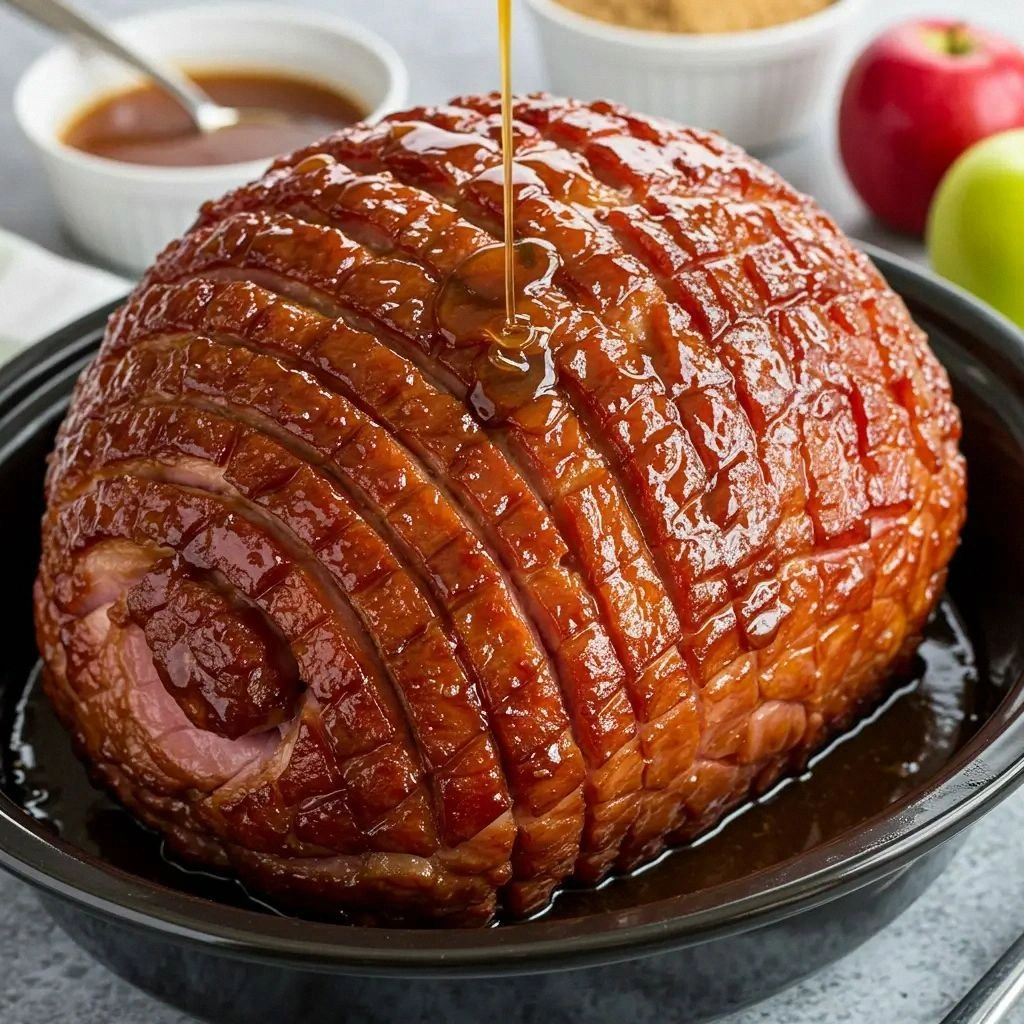
- Pour the glaze over the ham, ensuring every surface is coated. The glaze will begin to bubble as it hits the hot meat, creating a caramelized surface. I love watching the sugar crystals start to melt, turning the glaze into a glossy river.
- Add the minced garlic, whole cloves, and a pinch of black pepper. These aromatics will infuse the glaze with depth. The cloves will slowly release their warmth, adding a festive aroma that fills the kitchen.
- Cover the crock pot with the lid and set it on low. The slow, gentle heat allows the ham to absorb the glaze without drying out. I recommend cooking for 6 hours on low, but you can extend to 8 hours if you want a more tender result.
- During the last 30 minutes, remove the lid and stir the glaze. This helps the sugar to fully dissolve and prevents it from settling at the bottom. Watch as the glaze thickens, becoming a shiny, caramelized coating.
- Preheat your oven to 425°F (220°C). While the ham finishes in the crock pot, get your oven ready for the final sear. A quick sear gives the glaze a crisp, caramelized edge.
- Transfer the ham to a baking sheet, brush with melted butter, and roast for 10–12 minutes. The butter adds a glossy sheen and a buttery flavor that enhances the glaze. Keep an eye on it; you want a golden brown crust without burning.
- Let the ham rest for 10 minutes before slicing. Resting allows the juices to redistribute, keeping the meat moist. Slice against the grain for maximum tenderness.
- Serve immediately, spooning any remaining glaze over the slices. The glaze’s sweet‑savory balance will make your guests swoon. Enjoy the moment when the first bite melts in your mouth.
That's it — you did it. But hold on, I've got a few more tricks that'll take this to another level.
Insider Tricks for Flawless Results
The Temperature Rule Nobody Follows
Cooking on low heat for 6 hours is essential for tenderness. A higher temperature will toughen the meat and burn the glaze. I’ve tested 4 hours on high and the ham was dry. Keep the crock pot on low and trust the slow process.
Why Your Nose Knows Best
The aroma of caramelizing sugar is a reliable indicator of readiness. When the glaze starts to bubble and emit a sweet, nutty scent, it’s time to stir. The smell should be inviting, not burnt.
The 5-Minute Rest That Changes Everything
After removing the ham from the oven, let it rest for exactly 5 minutes. This short pause allows the juices to settle, preventing them from spilling over when you slice. I’ve seen people slice right away and get a dry center.
The Clove Trick
Whole cloves not only add flavor but also keep the glaze from sticking to the crock pot. They create a natural barrier that makes cleanup easier. If you prefer a cleaner taste, skip them.
The Butter Brush
Brushing melted butter before the final oven sear adds a glossy shine and a buttery depth. It also prevents the glaze from becoming too sticky. Use a pastry brush for even application.
The Slice Technique
Slice against the grain to avoid chewy strands. A sharp knife and a steady hand make the difference between a tender slice and a stringy mess. I always let the ham cool slightly before slicing for easier cuts.
Creative Twists and Variations
This recipe is a playground. Here are some of my favorite ways to switch things up:
Maple‑Glazed Ham
Swap honey for pure maple syrup and add a pinch of smoked paprika for a smoky, sweet twist. The maple syrup gives a deeper amber color to the glaze, and the paprika adds a subtle heat that pairs wonderfully with the ham’s natural sweetness.
Spicy Pineapple Glaze
Add a tablespoon of crushed red pepper flakes to the glaze for a kick. The heat from the flakes contrasts with the sweet pineapple, creating a dynamic flavor profile that will excite adventurous palates.
Herb‑Infused Ham
Introduce fresh rosemary and thyme into the glaze. The herbs bring a fragrant, earthy undertone that elevates the dish, especially when paired with a side of roasted root vegetables.
Asian‑Inspired Glaze
Replace the pineapple juice with soy sauce and add a splash of sesame oil. A dash of grated ginger and minced garlic will give the glaze an umami punch and a hint of spice.
Cheese‑Covered Ham
After the final sear, sprinkle shredded cheddar cheese over the ham and broil for 2 minutes until bubbly. The melted cheese adds a creamy layer that contrasts with the sweet glaze.
Vegan Ham
Use a plant‑based ham or seared tofu, and replace butter with coconut oil. The glaze still caramelizes beautifully, offering a savory, sweet flavor that satisfies even meat‑loving vegans.
Storing and Bringing It Back to Life
Fridge Storage
Cool the ham completely before refrigerating in an airtight container. Store for up to 4 days. The glaze will thicken slightly, so reheat gently to restore its glossy sheen.
Freezer Friendly
Wrap the ham tightly in foil, then place in a freezer bag. Freeze for up to 3 months. Thaw overnight in the refrigerator before reheating. The glaze may separate; whisk in a splash of water to re‑emulsify.
Best Reheating Method
Reheat in a low‑heat oven at 300°F (150°C) for 15–20 minutes. Add a tiny splash of water or broth before covering to keep the ham moist. Finish with a quick sear in a hot skillet if you want that caramelized crust back.