Picture this: I’m standing in my kitchen, a bag of frozen shrimp on the counter, a bottle of hot sauce in the cabinet, and a sudden craving that feels like a full‑blown culinary dare. I had just finished a marathon of bland fried chicken, and the air smelled like disappointment. The moment the shrimp hit the hot oil, a sizzling symphony erupted, the sound echoing louder than a drum solo. That single crackle turned my kitchen into a stage, and I knew I was about to rewrite the rules of shrimp appetizers. I’ve never tasted anything that could make me shout, “I dare you to taste this and not go back for seconds!” yet.
I’ve spent years chasing the perfect crunch, the ideal blend of heat and buttery richness, and this recipe finally hits every note. The shrimp’s skin turns from pale to a golden, almost translucent, crunch that shatters like thin ice, revealing a juicy center that tastes like the ocean in summer. The sauce coats each piece with a velvety heat that lingers on the tongue, while the buttery finish smooths the edges into a silky finish. If you’ve ever been disappointed by soggy or underseasoned shrimp, this version will leave you questioning every other recipe you’ve tried. The combination of Creole seasoning and a touch of cayenne creates a depth of flavor that feels both familiar and wildly adventurous.
What truly sets this dish apart is the meticulous balance of textures and flavors, achieved through a surprisingly simple technique that most recipes overlook. The double coating—flour, cornstarch, and a secret blend of spices—creates an almost imperceptible barrier that keeps the shrimp moist inside while delivering a crisp exterior. The sauce, a marriage of hot sauce, butter, and Worcestershire, is poured after frying, allowing the shrimp to absorb the heat without becoming greasy. The result? A dish that feels like a party in your mouth, with each bite delivering a burst of heat, a whisper of citrus, and a buttery finish that lingers. If you’ve ever struggled with shrimp that turns soggy or bland, you’re not alone—and I’ve got the fix.
I’ll be honest—I ate half the batch before anyone else even got a chance to taste it, and that’s saying something. The secret? A pinch of cayenne hidden in the flour mixture and a quick, high‑heat fry that locks in moisture. Picture yourself pulling this out of the pan, the whole kitchen smelling incredible, and the shrimp glistening with a glossy sheen of sauce. The aroma alone should have you reaching for a second plate before you even taste it. Stay with me here—this is worth it.
What Makes This Version Stand Out
- Crunch: The double coating of flour and cornstarch creates a light, airy crust that snaps with every bite, unlike the heavy batter of many fried shrimp recipes.
- Heat: The blend of hot sauce, cayenne, and Creole seasoning delivers a layered heat that warms the palate without overwhelming it.
- Moisture: Frying at a precise 375°F keeps the shrimp juicy inside, while the quick fry prevents the coating from becoming soggy.
- Flavor Depth: The sauce’s butter and Worcestershire base add savory umami that balances the spice and keeps the dish from feeling one‑dimensional.
- Speed: The entire process takes under 45 minutes, making it a perfect weeknight crowd‑pleaser.
- Make‑Ahead: The shrimp can be pre‑coated and frozen; just fry them fresh when you’re ready to serve.
- Versatility: Serve as an appetizer, a main course with rice, or a topping for salads and tacos.
- Ingredient Quality: Using jumbo shrimp and fresh hot sauce ensures a premium taste that’s hard to beat.
Inside the Ingredient List
The Flavor Base
The 1 cup of all‑purpose flour is the foundation of the crisp. It absorbs excess moisture, giving the coating a dry, golden finish. If you skip it, the shrimp will cling to the oil and become greasy. You can substitute half the flour with almond flour for a gluten‑free option, but the texture will shift slightly toward a nuttier bite.
The 1/2 cup of cornstarch is the secret to that light, almost translucent crunch. Cornstarch’s high starch content creates a delicate barrier that prevents the shrimp from steaming in the oil. If you can’t find cornstarch, arrowroot powder works as a close alternative, though it may produce a slightly different mouthfeel.
The 1 teaspoon of salt balances the heat and brings out the natural sweetness of the shrimp. Salt also helps the coating adhere and crisp up. Too little salt will leave the shrimp bland; too much will overpower the delicate seafood flavor.
The Seasoning Mix
1 tablespoon of Creole or seafood seasoning infuses the coating with smoky, peppery undertones that echo the sea. Creole seasoning’s blend of paprika, thyme, and oregano adds depth without adding bulk. If you’re on a low‑sodium diet, reduce the amount by half and increase the amount of fresh herbs.
1 teaspoon of granulated garlic or garlic powder gives the shrimp a savory backbone that pairs beautifully with the hot sauce. Garlic’s natural sweetness counters the cayenne’s bite. For a fresher flavor, use minced garlic, but be prepared for a slightly different texture.
1 teaspoon of lemon pepper brightens the coating with citrusy zing and a gentle pepper heat. Lemon pepper’s citrus notes cut through the richness of the butter in the sauce. If you don’t have lemon pepper, a splash of fresh lemon juice can serve as a substitute.
1/2 teaspoon of cayenne pepper adds a subtle, lingering heat that lingers on the tongue. The cayenne’s peppery flavor is more complex than plain chili powder, providing depth rather than a single punch. Adjust the amount to suit your spice tolerance.
1 teaspoon of onion powder offers a sweet, mellow undertone that balances the sharpness of the garlic and cayenne. Onion powder also enhances the overall umami profile. If you prefer a fresher taste, replace it with finely minced onion, but be aware of the added moisture.
1/2 teaspoon of cumin introduces a warm, earthy note that grounds the dish. Cumin’s nutty flavor complements the seafood and spices, creating a well‑rounded flavor profile. For a smoky twist, use smoked cumin or add a pinch of smoked paprika.
The Unexpected Star
1 lb of jumbo or large tail‑on shrimp is the star of the show. The size ensures each bite is substantial, and the tail provides a convenient handle for dipping. Fresh shrimp will give you the best flavor, but frozen shrimp that have been thawed and patted dry work well too.
2 cups of vegetable or peanut oil provide the high‑heat medium necessary for a crisp coating. Peanut oil’s high smoke point makes it ideal for frying, while vegetable oil offers a neutral flavor. If you prefer a healthier option, use canola oil, but be prepared for a slightly lighter texture.
The Final Flourish
1/2 cup of hot sauce is the main source of heat and flavor in the sauce. Choose a medium‑spicy sauce to avoid overpowering the shrimp, but feel free to use a hotter one if you’re a spice enthusiast. The sauce also adds a tangy brightness that cuts through the richness.
1/4 cup of butter provides a silky, buttery finish that balances the heat and adds depth. Butter’s rich flavor enhances the shrimp’s natural sweetness and creates a glossy sheen on the coating. If you’re dairy‑free, use a plant‑based butter alternative, but the texture may differ slightly.
1/4 teaspoon of additional cayenne pepper is added to the sauce to boost the heat after frying. This extra kick ensures the shrimp remains warm and spicy even after the oil has cooled. Use a fine pepper to avoid gritty texture.
1 teaspoon of granulated garlic in the sauce adds another layer of savory depth. It’s a subtle complement to the initial garlic in the coating, creating a cohesive flavor profile. If you prefer a fresher taste, use minced garlic.
1 teaspoon of Worcestershire sauce brings umami and a subtle tang to the sauce, tying all the flavors together. Its fermented notes add complexity, making the dish feel more sophisticated. For a vegan version, replace it with soy sauce or tamari.
Everything’s prepped? Good. Let’s get into the real action.
The Method — Step by Step
- Start by patting the shrimp dry with paper towels; moisture is the enemy of crisp. Toss the shrimp in a large bowl with the flour, cornstarch, salt, Creole seasoning, garlic powder, lemon pepper, cayenne, onion powder, and cumin until each piece is evenly coated. The coating should feel like a fine dusting, not a thick layer. This step is crucial for achieving that light, airy crunch.
- Heat the oil in a deep skillet or Dutch oven over medium‑high heat until it reaches 375°F (190°C). Use a thermometer for accuracy; if you don’t have one, test with a small piece of bread—it should sizzle and brown within 60 seconds. The oil must be hot enough to create a quick crust; otherwise, the shrimp will absorb oil and become greasy. This is the moment of truth.
- Add the shrimp in a single layer, being careful not to overcrowd the pan. Fry for 2–3 minutes per side, or until the coating is golden brown and the shrimp are opaque. Flip only once to avoid breaking the crust. The shrimp should emit a pleasant, toasted aroma that makes the kitchen feel like a summer barbecue.
- Once the shrimp are golden, remove them with a slotted spoon and set them on a paper‑towel‑lined plate to drain excess oil. The paper towels will absorb the oil quickly, keeping the shrimp crisp. The shrimp should still feel slightly warm, not steaming.
- While the shrimp are still hot, combine the hot sauce, butter, additional cayenne, Worcestershire sauce, and the second teaspoon of granulated garlic in a small saucepan over low heat. Stir until the butter melts and the sauce is smooth. This step ensures the sauce coats each shrimp evenly.
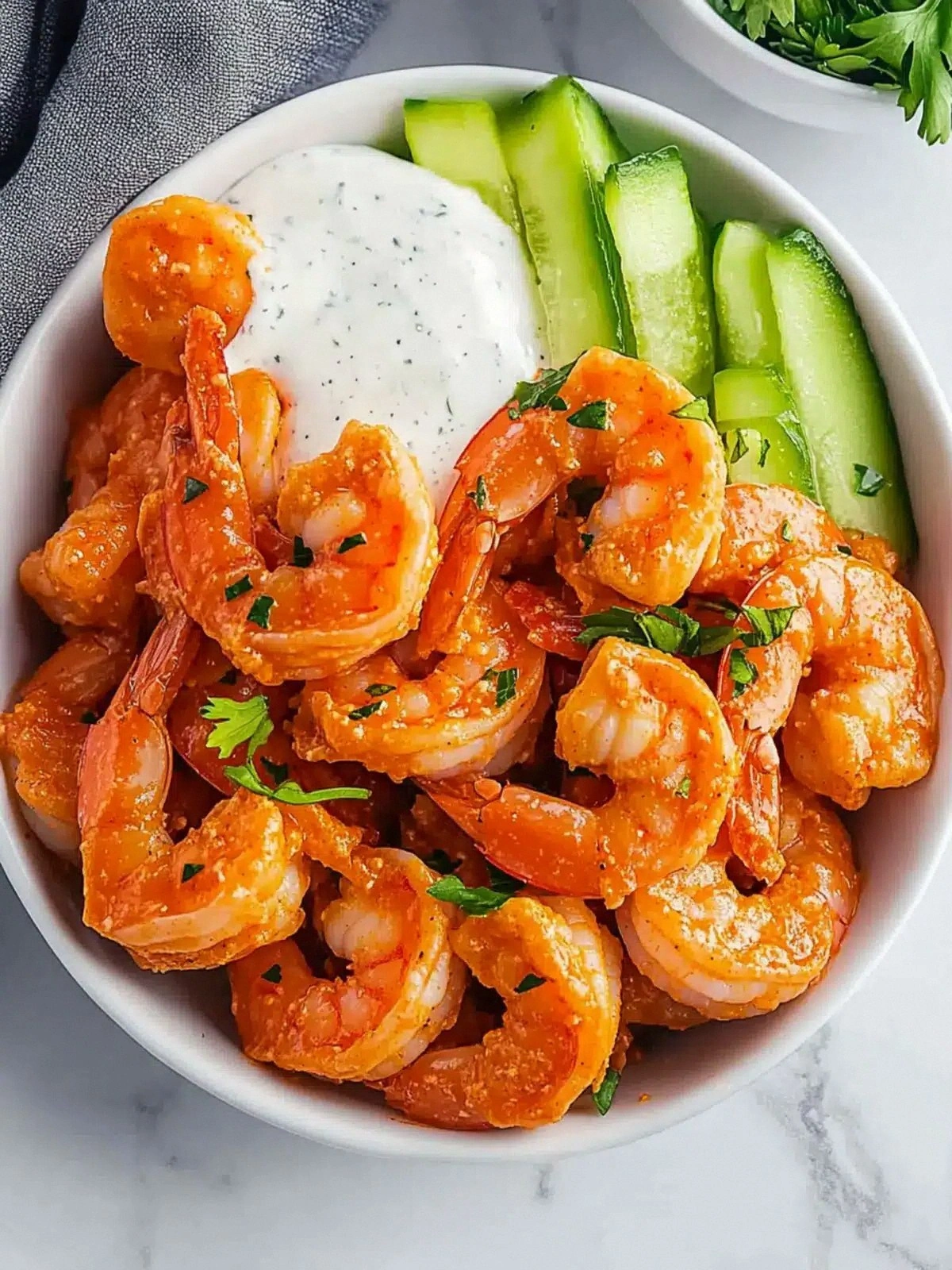
- Pour the hot sauce mixture over the shrimp and toss gently until every piece is coated. The heat from the shrimp will thicken the sauce slightly, giving it a glossy sheen. The sauce should cling to the shrimp like a velvet coat, not drip off.
- Serve immediately with celery sticks and a side of ranch or blue cheese dressing for dipping. The cool crunch of celery balances the heat, and the creamy dressing adds a cooling counterpoint. If you’re feeling adventurous, drizzle a little extra hot sauce on top for an extra kick.
That’s it—you did it. But hold on, I’ve got a few more tricks that will take this to another level. Keep reading, and you’ll discover how to elevate the flavor, texture, and presentation to a whole new dimension.
Insider Tricks for Flawless Results
The Temperature Rule Nobody Follows
Many home cooks fry shrimp at a lower temperature, hoping to save oil. The truth is, a high heat of 375°F creates a rapid crust that locks in moisture. If you let the shrimp cool a bit, the coating will soften and become soggy. I’ve tried cooking at 350°F and the shrimp were limp, so stick with the higher temperature for that perfect snap.
Why Your Nose Knows Best
As soon as the oil hits the right temperature, a faint toasty scent will rise. Trust that aroma—if it’s missing, the oil is too cool. I’ve had my fair share of shrimp that turned out greasy because I ignored the smell. Let the oil preheat fully before adding shrimp.
The 5‑Minute Rest That Changes Everything
After frying, let the shrimp rest on paper towels for 5 minutes. This short rest allows the coating to set and the excess oil to drain. Skipping this step often leaves the shrimp oily and less crisp. The rest also lets the sauce absorb into the coating, enhancing flavor.
Use the Right Frying Pan
A heavy‑bottomed skillet or Dutch oven distributes heat evenly, preventing hot spots that cause uneven browning. I’ve used a cast iron pan for years and it never disappoints. If you’re using a non‑stick pan, be careful not to overheat it, or the coating may stick.
Serve Immediately
Shrimp is at its best when served hot and fresh. The heat from the oil keeps the coating crisp, and the sauce remains silky. If you have to wait, reheat gently in a skillet or microwave, but avoid high heat that can melt the butter in the sauce.
Creative Twists and Variations
This recipe is a playground. Here are some of my favorite ways to switch things up:
Citrus‑Infused Shrimp
Add a splash of fresh orange juice to the sauce for a sweet, zesty twist. The citrus brightens the heat and pairs beautifully with the shrimp’s natural flavor. Serve over a bed of quinoa for a light dinner.
Spicy Garlic Butter Shrimp
Replace the hot sauce with a garlic butter sauce made from butter, minced garlic, and a pinch of smoked paprika. This version is rich, comforting, and less spicy. Pair it with roasted broccoli for a balanced plate.
Korean‑Style Shrimp
Swap the hot sauce for gochujang and add a drizzle of sesame oil. The fermented Korean paste gives a deep umami flavor and a subtle sweetness. Finish with toasted sesame seeds for crunch.
Pesto‑Coated Shrimp
Use basil pesto in place of the hot sauce for a fresh, herbaceous alternative. The pesto’s olive oil base keeps the shrimp moist, while the basil adds brightness. Serve with a side salad for a Mediterranean vibe.
Low‑Calorie Shrimp
Replace the butter with a small amount of coconut milk and use a light‑oil frying method. The coconut milk adds a subtle tropical flavor, while the light oil keeps the dish lower in calories. This version is perfect for a diet‑focused meal.
Storing and Bringing It Back to Life
Fridge Storage
Store leftover shrimp in an airtight container in the refrigerator for up to 2 days. Keep the sauce separate until ready to serve to prevent the coating from becoming soggy. When you’re ready to eat, reheat gently in a skillet over low heat, adding a splash of water to steam the shrimp back to life.
Freezer Friendly
Freeze the shrimp in a single layer on a baking sheet before transferring to a freezer bag. This prevents clumping and allows you to thaw only what you need. Thaw overnight in the fridge, then reheat as described above.
Best Reheating Method
Reheat in a hot skillet for 2 minutes per side, or in the microwave for 30 seconds, adding a tiny splash of water to keep the shrimp moist. The key is to heat just enough to warm the shrimp without overcooking it. The result will be almost as good as fresh.