Love this? Pin it for later! 📌
Why This Recipe Works
- One-pan wonder: Everything roasts together while you binge your favorite podcast—minimal dishes, maximum flavor.
- Natural sweetness: High-heat caramelization coaxes out the vegetables’ innate sugars—no maple syrup or honey needed.
- Meal-prep hero: Tastes even better the next day, so you can batch-cook on Sunday and build bowls all week.
- Herb flexibility: Swap fresh thyme for rosemary, oregano, or sage depending on what’s wilting in your fridge.
- Vegan & gluten-free: Crowd-pleasing side that every eater at the table can enjoy.
- Budget friendly: Root vegetables are among the cheapest produce pound-for-pound, especially in fall and winter.
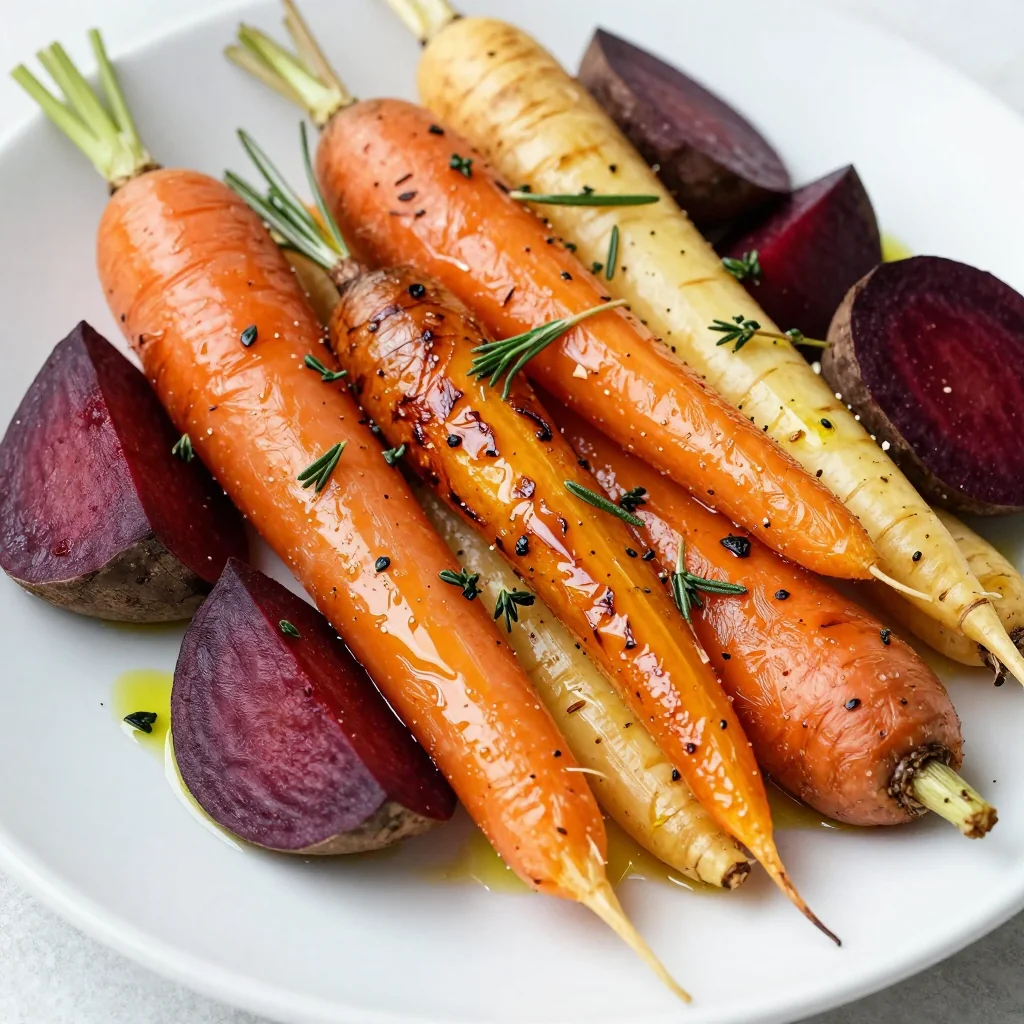
- Color therapy: Golden beets, purple carrots, and candy-stripe chioggias turn your sheet pan into edible art.
Ingredients You'll Need
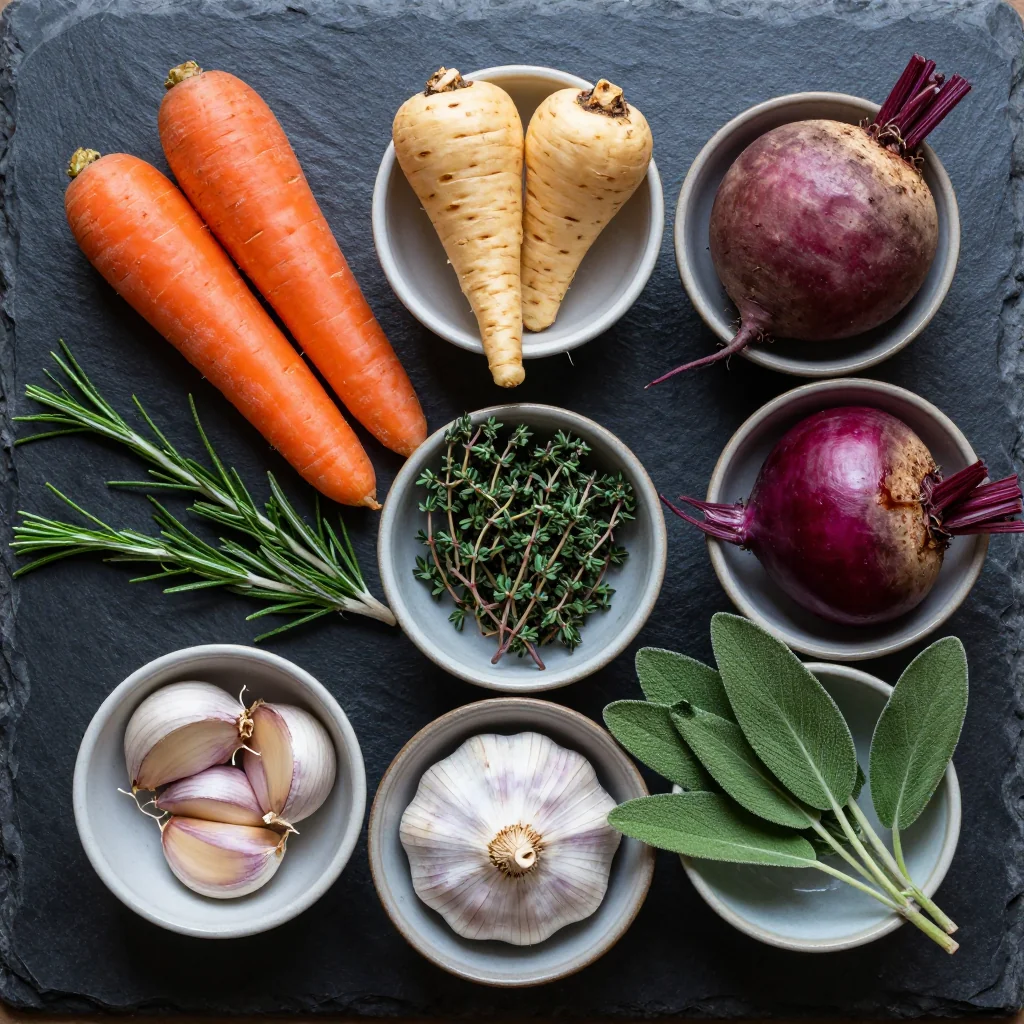
Before we talk technique, let’s talk produce. The beauty of this recipe is its flexibility, each root brings its own personality. Look for firm, unblemished vegetables with fresh-looking greens still attached—those tops are proof of life and translate to sweeter flesh. If your farmers’ market sells “seconds” (the quirky shapes), snap them up; once peeled and chopped, no one will know they were ever crooked.
Carrots – Choose rainbow carrots if you can; the pigments indicate different antioxidants. Peel only if the skins are tough—otherwise a good scrub retains nutrients. Cut into ½-inch coins so they cook at the same rate as denser companions.
Parsnips – The winter vegetable’s answer to candy. Avoid oversized ones—they can be woody. Quarter the thick tops and leave skinny tips whole for uniform roasting.
Beets – Golden beets are milder and won’t stain everything pink, but ruby beets add dramatic contrast. Either way, peel with a Y-peeler over parchment for easy cleanup. Dice ¾-inch so they stay tender-bitey without turning to mush.
Sweet Potato – Opt for orange-fleshed Garnet or jewel varieties. They bake up custardy and help balance earthier roots. Cube roughly the same size as your beets.
Red Onion – Its natural sugars glaze beautifully. Cut into petals so the edges frill and char.
Extra-Virgin Olive Oil – Since the oven is hot (425 °F), pick an oil with a smoke point around 400 °F. A peppery Tuscan oil adds grassy depth, while a mild Arbequina lets the vegetables star.
Fresh Thyme – Woodsy and slightly floral, thyme perfumes the oil and sticks to every crevice. Strip leaves from stems; save stems for stock. No fresh? Use 1 tsp dried, but add it before oil so it hydrates.
Rosemary – Optional but heavenly. Mince finely; those needle-like leaves can singe if left whole.
Smoked Paprika – Just ¼ tsp lends subtle campfire nuance without overpowering. Sweet paprika works in a pinch.
Sea Salt & Cracked Pepper – I use flaky salt for finishing, but kosher salt in the toss. Fresh-cracked pepper releases volatile oils—pre-ground can’t compete.
Optional Finishes – A squeeze of lemon wakes everything up; toasted pumpkin seeds add crunch; micro-greens make it Instagram-ready.
How to Make Clean Eating Roasted Root Vegetables With Herbs
Preheat & Prep Pans
Position rack in center of oven and preheat to 425 °F (220 °C). Line two large rimmed baking sheets with parchment. The rims keep oil from dripping, while parchment prevents sticking and makes cleanup a five-second crumple-and-toss affair.
Wash & Peel
Scrub vegetables under cool water. Peel beets and parsnips; carrots and sweet potatoes need peeling only if skins are thick or blemished. Keep a separate cutting board for beets to avoid Technicolor cross-contamination.
Uniform Knife Cuts
Dice beets and sweet potatoes into ¾-inch cubes. Slice carrots ½-inch thick on the bias for more surface area. Cut parsnips into ½-inch coins; halve thick tops. Red onion gets root-to-stem wedges so petals stay intact. Consistency equals even cooking.
Seasoning Vessel
Transfer vegetables to a large mixing bowl—bigger than you think so you can toss without a confetti explosion. Add olive oil, thyme, rosemary, smoked paprika, 1 tsp kosher salt, and ½ tsp cracked pepper. Using clean hands, massage oil and herbs into every nook for 30 seconds; this prevents dry patches.
Sheet-Pan Strategy
Spread vegetables in a single layer—crowding steams, spacing caramelizes. If pieces touch, that’s okay; stacking creates chewy edges. Slide beets toward center where heat is most intense; give sweet potatoes the perimeter where they’ll brown quickest.
Roast, Rotate, Roast
Bake 20 minutes. Remove pans, flip with a thin spatula (metal works best), rotate pans top-to-bottom and front-to-back. Roast another 15–20 minutes until vegetables are fork-tender and edges are lacquered mahogany. Total time: 35–40 minutes.
Finishing Touch
Taste a beet cube—if it melts on your tongue, you’re done. If centers resist, return for 5-minute bursts. Once out, shower with flaky salt, crack more pepper, squeeze half a lemon over, and toss with parsley for color.
Serve Warm or Room Temp
These beauties stay delicious for hours, making them perfect for buffet tables or lunchboxes. Transfer to a platter, drizzle with any remaining lemony olive oil from the bowl, and scatter toasted seeds for crunch.
Expert Tips
High Heat is Non-Negotiable
425 °F is the sweet spot. Lower temps dehydrate before browning; higher temps scorch paprika and herbs.
Oil Ratio Rule
Use 1 Tbsp oil per baking sheet. Too little and vegetables desiccate; too much and they fry, turning greasy.
Flip Once, Flip Early
Wait until the 20-minute mark when edges have set; flipping sooner causes sticking and breakage.
Color Coding
Group similar hues on separate pans if you want beet magenta to stay pure. Mix if you love watercolor edges.
Freeze Smart
Roasted roots freeze beautifully. Spread cooled veg on a tray to freeze individually, then bag. Reheat at 400 °F for 10 minutes.
Double Batch = Double Happiness
Two pans fit on one oven rack if you rotate halfway. Make extra; tomorrow you’ll thank yourself.
Variations to Try
- Moroccan Spice: Swap thyme for 1 tsp each cumin and coriander, add ¼ tsp cinnamon and a handful of dried cranberries the final 5 minutes.
- Asian Fusion: Replace olive oil with untoasted sesame oil, add 1 Tbsp grated ginger, finish with sesame seeds and scallions.
- Root & Fruit: Toss in 1-inch cubes of firm pear or apple during the last 15 minutes for a sweet-and-savory twist.
- Creamy Dill: While vegetables roast, whisk ¼ cup Greek yogurt, 1 Tbsp lemon, 1 Tbsp minced dill. Dollop on warm veg.
- Balsamic Glaze: Drizzle 2 Tbsp balsamic vinegar over vegetables in the last 5 minutes for sticky, tangy pockets.
- Parmesan Crust: Sprinkle ¼ cup finely grated Parmesan during final 3 minutes; broil 1 minute until lacy and golden.
Storage Tips
Refrigerator: Cool completely, then store in airtight glass containers up to 5 days. The flavors meld and intensify—great for cold salads.
Freezer: Spread cooled vegetables on parchment-lined sheet; freeze 2 hours. Transfer to zip-top bags, remove air. Keeps 3 months. Reheat from frozen at 400 °F for 10–12 minutes or microwave 2–3 minutes.
Meal-Prep Bowls: Layer 1 cup roasted vegetables over ½ cup cooked farro or quinoa, add a handful of greens, a tablespoon of hummus, and a sprinkle of seeds. Grab-and-go lunch for four days.
Frequently Asked Questions
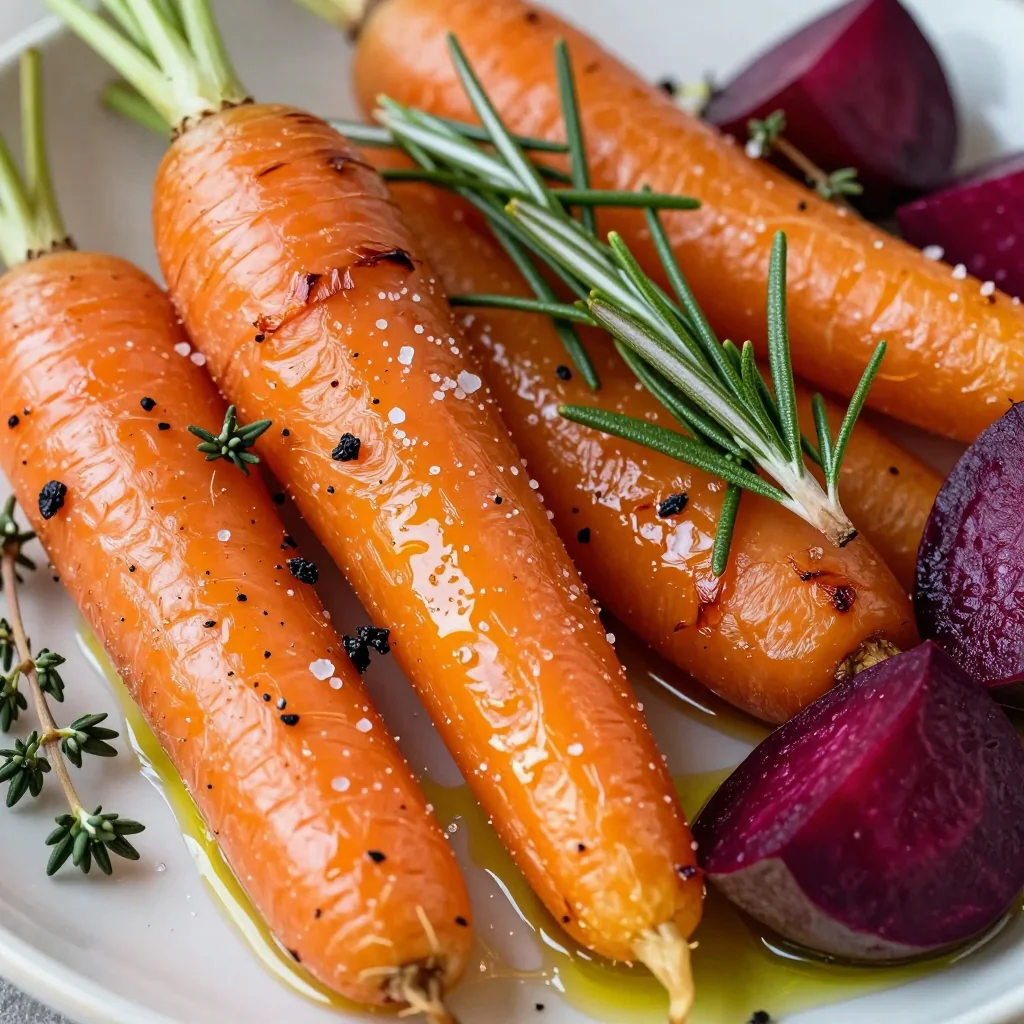
Clean Eating Roasted Root Vegetables With Herbs
Ingredients
Instructions
- Preheat: Preheat oven to 425 °F (220 °C). Line two rimmed baking sheets with parchment.
- Combine: In a large bowl, toss all vegetables with olive oil, thyme, rosemary, smoked paprika, salt, and pepper until evenly coated.
- Arrange: Spread vegetables in a single layer on prepared pans. Keep beets toward the center for higher heat.
- Roast: Roast 20 minutes, rotate pans and flip vegetables. Continue roasting 15–20 minutes until fork-tender and caramelized.
- Finish: Transfer to a serving bowl, squeeze lemon juice over, sprinkle with parsley and flaky salt. Serve warm or at room temperature.
Recipe Notes
For extra crunch, add ¼ cup toasted pumpkin seeds or chopped pecans before serving. Leftovers keep 5 days refrigerated or 3 months frozen.