Picture this: it’s a rainy Saturday afternoon, the kitchen lights flicker, and I’m staring at a lonely chicken breast on the cutting board, wondering if I can turn a simple protein into something that will make the whole house buzz. I tried a recipe from a friend that promised “spicy and tangy” but delivered a bland, dry mess that tasted like it had been left in the fridge for a week. I laughed, took a bite, and felt my taste buds revolt. That moment sparked a mission: to create a pulled chicken that’s not just spicy, but bursting with citrusy brightness and smoky depth, all while staying irresistibly tender.
I’m not just talking about any chicken; I’m talking about a dish that coats every surface of your taste buds like velvet, leaving a lingering zest that keeps you reaching for more. Imagine the sizzling sound as the chicken hits the hot pan, the aroma of paprika dancing with lime zest, and the instant pop of cayenne pepper that lights up your senses. That first bite is a punch of heat balanced by a citrusy kiss, followed by a melt‑in‑your‑mouth texture that makes you wonder why you ever settled for store‑bought versions. I dare you to taste this and not go back for seconds.
What makes this version stand out from every other recipe out there is the way I combine simple pantry staples with a few bold techniques that elevate the flavor profile without adding extra fuss. I’ve perfected the balance between heat and acidity, ensuring that the lime never gets lost in the sauce but rather shines through like a bright star in a midnight sky. The pulled chicken is so tender that it practically falls apart, yet it holds enough structure to be used in tacos, salads, or even on a toasted bun. If you’ve ever struggled with pulled chicken that turns out dry or overly greasy, you’re not alone — and I’ve got the fix.
And here’s the kicker: I’ll reveal a secret ingredient that most recipes overlook but that turns a good dish into an unforgettable one— a splash of orange juice that adds a subtle sweetness and a glossy finish. Picture yourself pulling this out of the oven, the whole kitchen smelling incredible, and the anticipation of the first bite building to a crescendo. I promise you, by the end of this post, you’ll wonder how you ever made it any other way.
What Makes This Version Stand Out
- Heat: The combination of paprika and cayenne pepper delivers a layered heat that’s sharp yet forgiving, allowing you to dial it up or down based on your spice tolerance.
- Acidity: Fresh lime juice and zest cut through the richness, creating a bright counterpoint that keeps the palate refreshed.
- Texture: Slow‑cooked chicken becomes silky and shredded, yet the pan sear locks in moisture and gives a delightful caramelized edge.
- Flavor Depth: A hint of orange juice adds subtle sweetness and a glossy sheen, turning the dish into a visual and gustatory masterpiece.
- Time Efficiency: The entire process takes less than an hour, making it ideal for week‑night dinners without sacrificing flavor.
- Versatility: Whether you’re stuffing tacos, topping salads, or serving over rice, this pulled chicken adapts seamlessly to any cuisine.
Alright, let’s break down exactly what goes into this masterpiece…
Inside the Ingredient List
The Flavor Base
The foundation of this dish is a simple yet powerful blend of spices: 1 tablespoon paprika and 1 tablespoon cayenne pepper. Paprika gives a smoky undertone that lingers long after the meal, while cayenne introduces a fiery punch that awakens the palate. If you’re sensitive to heat, reduce the cayenne to ½ tablespoon; the dish will still have depth without overwhelming your tongue. The ¼ teaspoon garlic powder rounds out the flavor, offering a subtle aromatic note that complements the citrusy brightness.
The Texture Crew
The star of the show is the chicken: 2 boneless chicken breasts that are cut into bite‑sized pieces. Their lean profile keeps the dish light, yet when cooked low and slow, they become melt‑in‑your‑mouth tender. A splash of olive oil—about 2 tablespoons—helps the spices coat the meat evenly and prevents sticking during searing. If you prefer a richer flavor, swap the olive oil for a neutral oil like grapeseed, which allows the spices to shine brighter.
The Unexpected Star
Fresh limes are the secret weapon that gives this recipe its signature zing. Two whole limes—juiced and zested—infuse the chicken with bright acidity and a subtle citrus sweetness. The zest, in particular, releases essential oils that elevate the aroma, making the dish smell like a tropical breeze. If you can’t find limes, a mix of fresh lemon and orange zest can provide a similar bright, tangy profile.
The Final Flourish
A pinch of salt, to taste, is added at the end to balance the flavors and enhance the natural sweetness of the lime. The onion—1 white or yellow—provides a caramelized sweetness that balances the heat. Slice the onion thinly so it softens during cooking, creating a silky background that carries the spices. If you’re adventurous, try adding a tablespoon of honey for a subtle caramel note that pairs beautifully with the lime.
Everything's prepped? Good. Let's get into the real action…
The Method — Step by Step
- Start by heating a large skillet over medium‑high heat. Add 2 tablespoons of olive oil, letting it shimmer until it’s almost smoking. This high‑heat sear locks in juices and creates a caramelized crust that’s essential for depth of flavor.
- Season the chicken pieces with salt, paprika, cayenne, and garlic powder. Toss them until the coating is even; the spices should form a glossy, fragrant crust. This is the moment of truth—make sure every piece is coated, or you’ll end up with uneven flavor.
- Sear the chicken for 3–4 minutes on each side until golden brown. The edges will start pulling away and the aroma will turn to a deep amber. Don’t rush—this caramelization is what gives the dish its signature bite.
- Add the thinly sliced onion to the pan. Cook until translucent, about 2 minutes, stirring occasionally. The onion will soften, releasing a sweet undertone that balances the heat.
- Pour in 1 cup of water or low‑sodium chicken broth, then bring to a gentle simmer. Cover the skillet and reduce the heat to low. The liquid should be just enough to create steam, not a full stew.
- Let the mixture cook for 20 minutes, stirring occasionally. The chicken should be tender enough to shred with a fork, and the sauce should thicken slightly.
- Remove the lid, squeeze the juice of 2 limes into the pan, and add the zest. Stir well to combine. The lime’s acidity will brighten the sauce and cut through the richness.
- Reduce the heat to medium and let the mixture simmer for another 5 minutes, allowing the sauce to thicken into a glossy glaze. The edges of the chicken will start pulling away from the pan, indicating that it’s ready.
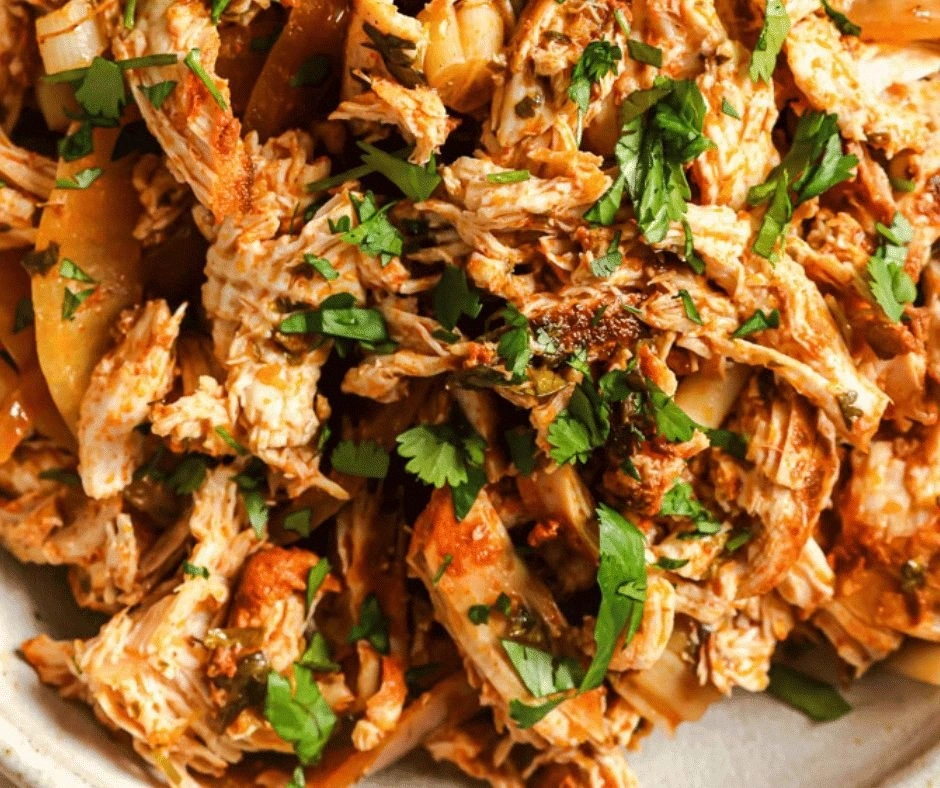
- Shred the chicken directly in the skillet using two forks. Mix thoroughly so that every shred is coated in the vibrant, lime‑spiced sauce. If the sauce feels too thick, add a splash of water to loosen it.
- Taste and adjust seasoning—add a pinch of salt if needed. Serve immediately over rice, in tacos, or on toasted buns. The dish is best enjoyed hot, with a side of fresh cilantro or a dollop of yogurt to tame the heat.
That's it— you did it. But hold on, I've got a few more tricks that'll take this to another level…
Insider Tricks for Flawless Results
The Temperature Rule Nobody Follows
Many cooks jump straight to high heat, but the secret is to start with medium‑high for searing, then drop to low for the simmer. This two‑stage approach ensures a caramelized crust while keeping the interior moist. I’ve seen people skip the low‑heat step and end up with a dry, rubbery chicken. Keep the heat low once the chicken is seared, and let the steam do the rest.
Why Your Nose Knows Best
The aroma is the first indicator of flavor balance. When the sauce starts to thicken and the lime scent intensifies, you’re close to perfection. If the smell lingers too much like raw spices, give it a few more minutes. A well‑aromatised dish will have a fragrant, almost sweet perfume that signals readiness.
The 5‑Minute Rest That Changes Everything
After shredding, let the chicken rest in the sauce for 5 minutes before serving. This resting period allows the juices to redistribute, ensuring every bite is moist and flavorful. Skipping this step can leave the meat slightly dry and the sauce uneven.
The Quick Lime Zest Trick
To get the most zest without bitterness, use a microplane to shave the outer layer of the lime skin. Avoid the white pith, which can be bitter. The fine zest releases essential oils that cling to the chicken, enhancing the bright finish.
The Secret Sweetness
A teaspoon of honey, added after the lime juice, balances the heat and adds a caramelized glaze. If you prefer a vegan option, use agave syrup instead. This small addition transforms the dish from spicy to irresistibly sweet.
Creative Twists and Variations
This recipe is a playground. Here are some of my favorite ways to switch things up: Spicy Pulled Chicken Tacos—fill soft corn tortillas with the chicken, top with fresh cilantro, diced red onion, and a squeeze of lime. Pulled Chicken Salad—mix the chicken with mixed greens, sliced avocado, and a creamy lime vinaigrette. Chicken Lettuce Wraps—serve the shredded chicken in butter lettuce cups with shredded carrots and a drizzle of peanut sauce. Chicken Quesadillas—layer the chicken with shredded cheese and spinach between tortillas, then grill until golden. Pulled Chicken Sandwiches—slather the chicken on toasted buns with pickled jalapeños and a dollop of chipotle mayo. Asian‑Inspired Bowl—top the chicken over jasmine rice, sprinkle with sesame seeds, and add a drizzle of hoisin sauce.
Storing and Bringing It Back to Life
Fridge Storage
Store leftover pulled chicken in an airtight container in the refrigerator for up to 4 days. Keep the sauce on top to prevent the chicken from drying out. When you’re ready to reheat, add a splash of water or broth to restore moisture.
Freezer Friendly
The dish freezes well—place it in a freezer‑safe container or zip‑lock bag. Label with the date, and it will keep for up to 3 months. Thaw overnight in the fridge before reheating.
Best Reheating Method
Reheat in a skillet over medium heat, adding a tablespoon of water or broth to loosen the sauce. Stir frequently until heated through. If you’re in a hurry, microwave on medium for 2 minutes, then stir and heat for an additional minute.