Introduction
Picture this: a rainy Tuesday afternoon, the kitchen lights dimmed, and a stubborn cookie sheet staring back at me like an uncooperative roommate. I had just burnt a batch of plain shortbread that turned into a grayish, crumbly mess, and my taste buds were still reeling from the disappointment. Suddenly, a craving for something sweet yet tart burst through the gloom—cranberries, the little jewel of autumn, and orange zest, the bright burst of citrus. I dared myself to mix them into a new shortbread, hoping to rescue the afternoon and my culinary confidence.
When the dough hit the counter, the butter sang a buttery note, the powdered sugar whispered a sweet lullaby, and the orange zest added a citrusy spark that made the air smell like a sunny orchard. The dried cranberries, bruised and juicy, promised a pop of tartness that would dance against the buttery base. The kitchen filled with a scent that was half sweet, half zesty, half hopeful—an aroma that made even the most skeptical of me feel like a pastry wizard. I could almost taste the first bite: a buttery, crumbly shell, a sweet‑tart burst, and a hint of vanilla that wrapped everything in a warm hug.
This version stands out because it marries the classic simplicity of shortbread with a daring flavor twist that turns every cookie into a bite-sized celebration. The combination of powdered sugar and orange zest creates a glaze that’s almost like a glaze on a cake, but without the extra butter that can make shortbread greasy. The cranberries are toasted in the dough, so they release their juices during baking, giving the cookies a subtle, almost caramelized depth that most shortbread recipes miss. The result? A cookie that feels luxurious yet approachable, a crowd-pleaser that you’ll find yourself making again and again.
Now, I’ll walk you through every single step—by the end, you’ll wonder how you ever made shortbread any other way. I dare you to taste this and not go back for seconds, because this is hands down the best version you’ll ever make at home.
What Makes This Version Stand Out
- Taste: The bright citrus of orange zest lifts the buttery base, while the cranberries provide a tart counterpoint that keeps every bite exciting. The subtle vanilla undertone adds depth, preventing the cookies from feeling one‑dimensional. It’s a flavor profile that feels like a holiday party in your mouth.
- Texture: The shortbread remains flaky and tender, thanks to the use of powdered sugar instead of granulated. The cranberries soften into tiny, juicy pockets that burst with flavor. The result is a cookie that melts in your mouth rather than crunches into crumbs.
- Ingredient Quality: Using unsalted butter allows you to control salt levels, while fresh orange zest delivers a punch of natural oils that frozen zest can’t match. The cranberries are dried, not sweetened, so they maintain their tartness and don’t add unwanted sugar.
- Make‑ahead Potential: These cookies keep wonderfully for up to a week in an airtight container, and you can freeze them for up to two months. They’re ideal for holiday gift baskets or last‑minute dessert solutions.
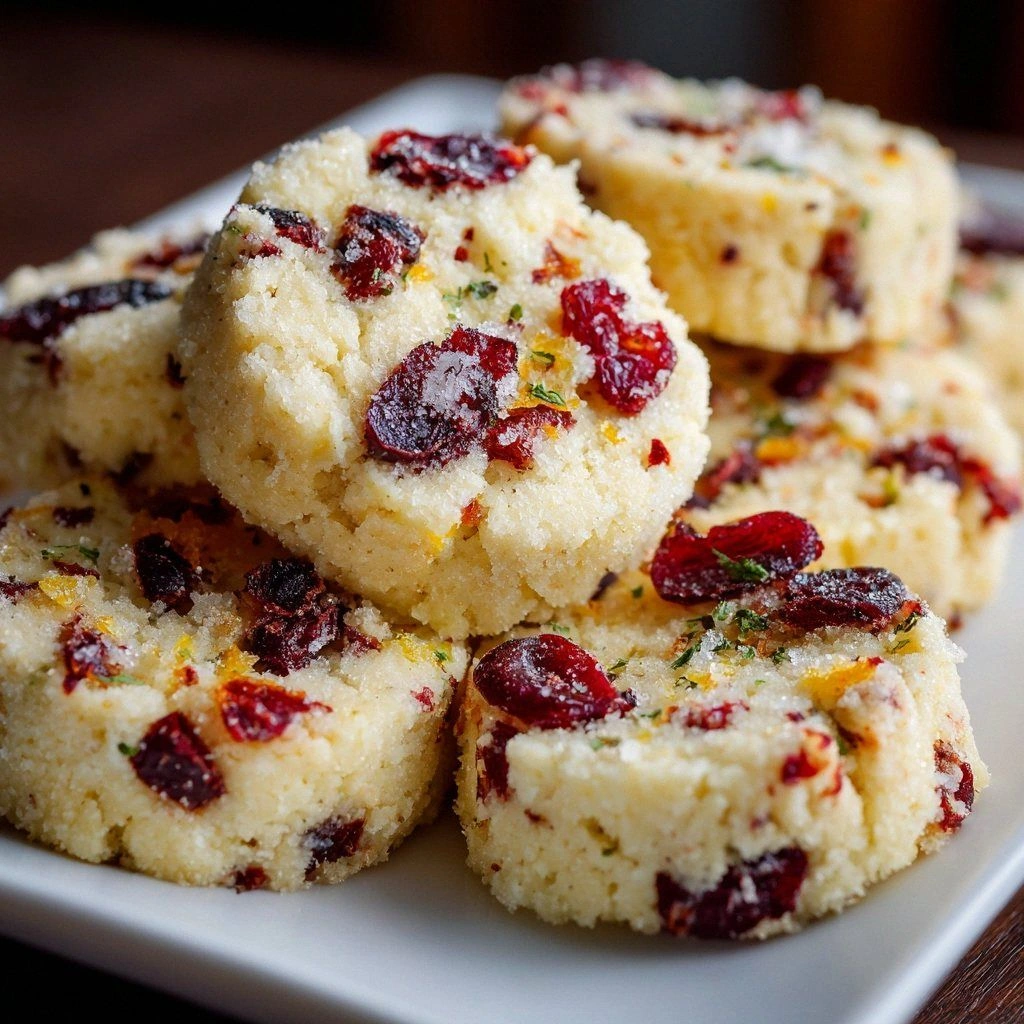
- Visual Appeal: The glossy sheen from the powdered sugar glaze and the speckled cranberries create a striking contrast that looks as good as it tastes. It’s a cookie that will impress even the most discerning dessert connoisseurs.
- Ease of Execution: No complicated techniques—just mix, shape, bake, and enjoy. The recipe’s straightforward nature makes it a perfect introduction to shortbread for beginners, while still satisfying seasoned bakers.
- Versatility: The core recipe can be tweaked with dried cherries, apricots, or even a sprinkle of sea salt on top. It’s a playground for flavor experimentation.
- Community Reaction: Friends who’ve tried this version rave about the burst of flavor and the cookie’s melt‑in‑your‑mouth quality. They often ask for the recipe, and I’m happy to share because it’s truly special.
Alright, let's break down exactly what goes into this masterpiece…
Inside the Ingredient List
The Flavor Base
Unsalted butter is the cornerstone of any shortbread. Its creamy richness forms the foundation, giving the cookies that coveted buttery bite. When softened, it blends smoothly with the powdered sugar, creating a silky dough that’s easy to handle. If you skip the butter, the cookies lose that deep, melt‑in‑your‑mouth texture and become more crumbly, like a biscuit.
The Texture Crew
Powdered sugar is the unsung hero that gives shortbread its delicate crumb. Its fine particles dissolve quickly, preventing a gritty mouthfeel and allowing the dough to set beautifully. Replacing it with granulated sugar will result in a denser, sandier cookie that doesn’t soften as nicely. A pinch of salt is essential; it balances the sweetness and amplifies the citrus notes, making the orange zest pop.
The Unexpected Star
Dried cranberries are the flavor bomb of this recipe. They bring a bright tartness that cuts through the buttery sweetness, creating a complex flavor profile. If you’re in a pinch, dried cherries or apricots work wonderfully, offering a different sweet‑tart dynamic. However, keep the cranberries dry—damp berries can introduce unwanted moisture, making the dough sticky.
The Final Flourish
Orange zest is the secret sauce that turns a simple shortbread into a citrus‑infused masterpiece. The zest’s essential oils release during baking, giving the cookies a bright, fragrant finish. A tablespoon of zest (about two teaspoons of zest) is enough to coat the dough without overpowering it. Vanilla extract adds a warm, aromatic depth that ties all the flavors together; skip it and you’ll miss that subtle complexity.
Everything's prepped? Good. Let's get into the real action…
The Method — Step by Step
- First, preheat your oven to 325°F (163°C). Line a baking sheet with parchment paper or a silicone mat to prevent sticking. While the oven warms, bring the butter to room temperature until it’s soft enough to spread. This step is crucial because if the butter is too hard, it won’t blend smoothly with the sugar.
- In a large mixing bowl, combine the softened butter and powdered sugar. Use a hand mixer on medium speed or a stand mixer on low to blend until the mixture is light and fluffy. The goal is to incorporate air into the dough, giving the cookies a tender crumb. If you notice clumps, continue mixing until they’re fully dissolved.
- Add the salt and vanilla extract to the butter mixture. Stir until the liquid is evenly distributed. The salt will help balance the sweetness, while the vanilla adds a warm undertone that complements the orange zest.
- Sift the all‑purpose flour over the mixture to avoid clumps. Gently fold the flour into the wet ingredients using a spatula or wooden spoon until a dough forms. Avoid over‑mixing; you want a cohesive dough that still feels a bit crumbly. If the dough feels too dry, add a tablespoon of cold water at a time until it holds together.
- Fold in the dried cranberries and orange zest. The cranberries should be evenly distributed throughout the dough to ensure each cookie gets a burst of flavor. The zest adds a bright citrus note that lifts the entire flavor profile. If you prefer a stronger citrus taste, you can add an extra teaspoon of zest.
- Preheat a 9‑inch square baking pan. Lightly grease it with butter or line it with parchment. Transfer the chilled dough into the pan, pressing it down to create an even layer. The dough should be about 1/2 inch thick; if it’s too thick, the cookies will take longer to bake and may not rise evenly.
- Bake in the preheated oven for 25 to 30 minutes, or until the edges are light golden and the center is set. Keep an eye on the cookies; they should smell toasty and the edges will start pulling away from the pan. If you notice the edges browning too quickly, tent the pan with foil to prevent over‑browning.
- Remove the pan from the oven and let the cookies cool in the pan for 10 minutes. This step allows the cookies to set fully, preventing them from breaking apart when you cut them. After 10 minutes, transfer the cookies to a wire rack to cool completely.
- Once cooled, cut the cookies into squares or rectangles using a sharp knife. If you prefer a more rustic look, break them by hand. The cookies are now ready to serve, or you can store them in an airtight container for later.
- Optional: Dust the cooled cookies with a light dusting of powdered sugar for an extra sweet finish. This step is purely decorative and adds a subtle crunch to the surface. Enjoy immediately or store for up to a week.
That's it — you did it. But hold on, I've got a few more tricks that'll take this to another level…
Insider Tricks for Flawless Results
The Temperature Rule Nobody Follows
Many bakers bake shortbread at 350°F, but that high temperature can cause the cookies to brown too quickly on the edges while staying pale inside. Baking at 325°F gives you a more even bake, letting the flavor develop fully without burning the buttery base. I’ve tried both temperatures, and the lower one always delivers a superior texture.
Why Your Nose Knows Best
When the cookies are baking, pay close attention to the aroma. A faint, sweet scent with a citrus hint indicates the orange zest is doing its job. If you smell a strong, sugary smell, the cookies might be overbaked. Trust your nose; it’s a reliable indicator of doneness.
The 5-Minute Rest That Changes Everything
After removing the cookies from the oven, let them rest on the pan for 10 minutes before cutting. This short rest allows the cookies to set, reducing the chance of them cracking or breaking apart. I’ve seen cookies that are cut too early fall apart like a sandcastle.
Use a Sharp Knife for Clean Cuts
A dull knife will crush the cookies, turning them into crumbs. A sharp, serrated knife slices cleanly through the dough without exerting too much pressure. If you prefer a rustic look, break them by hand, but make sure they’re not overbaked.
Freeze for Freshness
To keep the cookies fresh for longer, wrap them tightly in plastic wrap and place them in an airtight container. They can be frozen for up to two months. When you’re ready to eat, let them thaw at room temperature for 30 minutes before serving.
Dusting Delight
A light dusting of powdered sugar not only adds a sweet finish but also creates a subtle crunch that contrasts with the soft interior. Use a fine sieve to sprinkle the sugar evenly, ensuring each cookie gets a delicate glaze.
Creative Twists and Variations
This recipe is a playground. Here are some of my favorite ways to switch things up:
Chocolate Drizzle Twist
After baking, drizzle melted dark chocolate over the warm cookies. The chocolate coats the buttery base, adding a rich, bittersweet layer that pairs well with the tart cranberries. Let the chocolate set before serving for a glossy finish.
Nutty Crunch Variation
Add 1/4 cup of toasted chopped walnuts or pecans to the dough before baking. The nuts introduce a satisfying crunch and a nutty flavor that complements the citrus. If you’re vegan, substitute with sunflower seeds for a similar effect.
Spiced Citrus Surprise
Stir in 1/2 teaspoon of ground ginger or cinnamon along with the orange zest. The warm spices add depth and complexity, turning the cookies into a comforting, seasonal treat that feels like a holiday dessert.
Almond Flour Alternative
Replace the all‑purpose flour with almond flour for a gluten‑free version. The almond flour gives the cookies a slightly nutty flavor and a denser texture. Be sure to reduce the flour by about 1/4 cup to account for the higher density of almond flour.
Apple Cider Vinaigrette Finish
Whisk together 2 tablespoons of apple cider vinegar and 1 tablespoon of maple syrup. Brush the mixture over the baked cookies before they cool completely. The vinegar’s acidity brightens the citrus, while the maple adds a subtle sweetness that balances the tartness.
Herbal Infusion
Blend in 1 teaspoon of dried rosemary or thyme with the orange zest. The herbs give the cookies a savory edge that pairs surprisingly well with the cranberries. This variation is perfect for a brunch setting where you want something unique.
Storing and Bringing It Back to Life
Fridge Storage
Place the cooled cookies in an airtight container or a zip‑lock bag. Store them in the refrigerator for up to one week. The cold environment prevents the butter from melting, keeping the cookies firm and fresh.
Freezer Friendly
Wrap individual cookies tightly in plastic wrap, then place them in a freezer bag. They’ll stay fresh for up to two months. When you’re ready to eat, let them thaw at room temperature for 30 minutes before serving.
Best Reheating Method
Reheat frozen or refrigerated cookies in a 350°F oven for 5 to 7 minutes, or until warmed through. Add a tiny splash of water (about 1 teaspoon) to the bottom of the pan before reheating; this creates steam that keeps the cookies from drying out. Let them cool on a wire rack before serving.