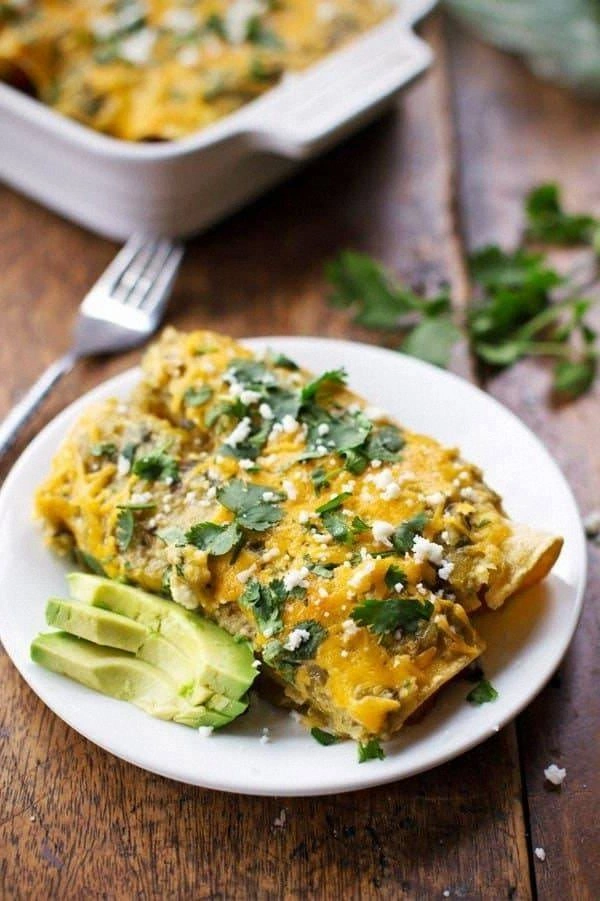
Picture this: it’s a rainy Tuesday, the kind where the clouds look like someone pressed a giant sponge into the sky, and you’re standing in your kitchen with a half‑cooked batch of store‑bought frozen enchiladas that taste like cardboard. I was that person, staring at a plate that could have been a culinary crime scene, and I thought, “There has to be a better way.” I dared a friend to a taste‑test, and she laughed so hard she choked on her water. That moment sparked a fire under me that turned a simple craving into a full‑blown kitchen experiment, and the result is the Butternut Squash & Mushroom En you’re about to fall in love with.
First, let’s set the stage. The kitchen smells like toasted cumin and earthy mushrooms, the sound of a sauté pan whispering as the veggies hit the oil, and the soft rustle of corn tortillas waiting to be rolled. My hands are warm, the butter‑soft butternut squash cubes are glossy with a hint of caramel, and the mushroom slices are releasing a deep, forest‑floor aroma that makes my mouth water before the first bite. The tomatillo sauce glistens like a green jewel, ready to coat everything in a tangy, slightly smoky embrace. When you finally pull the tray out of the oven, the cheese bubbles and turns golden, and the whole thing gives off a scent that could convince even the most stubborn meat‑lover to convert.
Now, why does this version stand out from every other “butternut squash enchilada” you’ve ever Googled? Most recipes treat the squash as a filler, over‑cooking it until it’s mushy, or they drown the whole thing in a sauce that masks the delicate sweetness of the squash. I’ve taken a different path: the squash is roasted just enough to develop caramelized edges, the mushrooms are sautéed until they’re juicy yet retain a bite, and the tomatillo sauce is bright, herb‑forward, and balanced with a whisper of heat. The result is a dish that sings with layers—sweet, savory, smoky, and tangy—without any one note overpowering the rest.
And here’s the kicker: I’m throwing in a secret ingredient that most people completely overlook—a splash of orange juice in the sauce. It adds a subtle citrus lift that makes the sauce coat the tortillas like velvet, while still letting the earthiness of the mushrooms shine through. I dare you to taste this and not go back for seconds. Let me walk you through every single step — by the end, you’ll wonder how you ever made it any other way.
What Makes This Version Stand Out
- Depth: Roasting the butternut squash creates caramelized edges that add a sweet‑nutty depth you won’t get from boiling.
- Texture: The mushrooms stay juicy, giving each bite a satisfying “meaty” chew that contrasts beautifully with the soft squash.
- Simplicity: Only ten core ingredients, yet each one is treated with a technique that maximizes flavor.
- Uniqueness: A splash of orange juice in the tomatillo sauce is the game‑changer that brightens the whole dish.
- Crowd‑Pleaser: Even the most skeptical meat‑eaters rave about the creamy cheese and the smoky undertones.
- Ingredient Quality: Fresh, locally sourced squash and mushrooms make a world of difference in flavor.
- Cooking Method: The two‑stage cooking (roast then sauté) locks in flavor while keeping the veggies from getting soggy.
- Make‑Ahead Potential: Assemble the enchiladas a day ahead, refrigerate, and bake when you’re ready for a stress‑free dinner.
Alright, let's break down exactly what goes into this masterpiece...
Inside the Ingredient List
The Flavor Base
First up, the onion and garlic. These two are the silent conductors of our flavor orchestra. The diced onion releases a sweet, almost caramel note when sautéed, while the minced garlic adds that unmistakable pungent punch that makes your nose perk up. If you skip them, the sauce will feel flat, like a song missing its bass line. As a swap, you can use shallots for a milder, slightly sweeter profile, but don’t skimp on the garlic unless you enjoy blandness.
The Texture Crew
The star of the show is the butternut squash. Choose a firm, deep‑orange squash that feels heavy for its size—this indicates dense flesh and less water content. Peel it, cube it evenly, and you’ll get uniform caramelization. If you end up with a watery mess, you’ve probably over‑cooked it or used a squash that was past its prime. A great tip: after peeling, pat the cubes dry with a paper towel before roasting to ensure a crisp edge.
Mushrooms are the second texture hero. I love a mix of cremini and shiitake; the cremini provides a solid bite while shiitake adds an earthy umami depth. Slice them uniformly so they brown evenly. If you’re allergic or just not a fan, try sliced zucchini or even roasted cauliflower, but you’ll lose that deep, forest‑floor flavor.
The Unexpected Star
The tomatillo sauce is where the magic happens. Store‑bought versions can be overly salty, so I blend fresh tomatillos, a handful of cilantro, a splash of orange juice, and a pinch of cumin. The orange juice is the surprise element that lifts the acidity without adding sweetness. If you can’t find fresh tomatillos, substitute with green salsa, but add an extra teaspoon of lime juice to keep the brightness.
The Final Flourish
Cheese is the crowning glory. A blend of Monterey Jack and a bit of queso fresco gives a melty stretch with a salty crumble. The cheese should be shredded just before assembling so it melts perfectly without clumping. If you’re dairy‑free, a generous sprinkle of nutritional yeast mixed with vegan cheese shreds works surprisingly well.
Everything's prepped? Good. Let's get into the real action...
The Method — Step by Step
Preheat your oven to 425°F (220°C). While the oven warms, line a large baking sheet with parchment paper and spread the cubed butternut squash in a single layer. Drizzle with 1 tablespoon of olive oil, sprinkle with a pinch of salt, and toss to coat. Roast for 20 minutes, stirring halfway, until the edges are caramelized and the interior is tender but not mushy. That sizzle when it hits the pan? Absolute perfection.
While the squash roasts, heat the remaining tablespoon of olive oil in a large skillet over medium‑high heat. Add the diced onion and sauté for 3‑4 minutes until translucent. Toss in the minced garlic and let it perfume the pan for another 30 seconds—watch out for burning, you want fragrant, not acrid.
Introduce the sliced mushrooms to the onion‑garlic mixture. Sprinkle the cumin, smoked paprika, chili powder, salt, and pepper over the top. Cook, stirring occasionally, until the mushrooms release their moisture and then re‑absorb it, turning a deep golden brown. This step? Pure magic. The aroma will tell you it’s ready when it smells earthy and slightly smoky.
Now, blend the tomatillo sauce. In a blender, combine fresh tomatillos (or canned if out of season), a handful of cilantro, the splash of orange juice, ½ cup water, and a pinch of salt. Blend until smooth, then taste and adjust with extra lime or orange juice as needed. This sauce should be bright, slightly tangy, and have a hint of sweetness—think a green salsa that could double as a dip.
When the squash is done, remove it from the oven and let it cool for a few minutes. In a large mixing bowl, combine the roasted squash, the mushroom‑onion mixture, and half of the shredded cheese. Toss gently to coat everything in the cheese and allow the flavors to meld. If you’re short on time, you can skip the mixing and layer the components directly in the tortillas, but the cohesive flavor will be less integrated.
Warm the corn tortillas one at a time in a dry skillet for about 10 seconds per side. This makes them pliable and prevents tearing when you roll them. Fill each tortilla with a generous spoonful of the squash‑mushroom mixture, then roll tightly and place seam‑side down in a greased 9×13‑inch baking dish. Keep stacking until the dish is full—don’t overcrowd, or the sauce won’t reach every corner.
Pour the prepared tomatillo sauce evenly over the assembled enchiladas, ensuring every roll is drenched. Sprinkle the remaining shredded cheese over the top, followed by a light scattering of fresh cilantro for color. If you love a little extra heat, add a few sliced jalapeños now.
Slide the dish into the preheated oven (375°F) and bake for 20‑25 minutes, or until the cheese is bubbling and lightly golden. The edges of the tortillas should start pulling away from the sides of the dish, a visual cue that the flavors have melded perfectly. While it bakes, set a timer and resist the urge to peek—patience rewards you with a flawless crust.
Remove the enchiladas from the oven and let them rest for 5 minutes. This short rest lets the sauce thicken slightly and the cheese set, making it easier to serve. Garnish with a dollop of sour cream, a sprinkle of crumbled queso fresco, and an extra drizzle of fresh cilantro. Picture yourself pulling this out of the oven, the whole kitchen smelling incredible, and the first bite delivering that perfect balance of sweet, smoky, and tangy. That’s the moment of triumph.
That's it — you did it. But hold on, I've got a few more tricks that'll take this to another level...
Insider Tricks for Flawless Results
The Temperature Rule Nobody Follows
Most home cooks bake at 350°F, but cranking the oven up to 375°F creates a quick, high‑heat environment that caramelizes the edges of the squash and gives the tortillas a slight crisp without drying out the filling. I once tried baking at a lower temperature and ended up with soggy tortillas that fell apart. Trust me, this tiny temperature tweak makes a world of difference.
Why Your Nose Knows Best
When sautéing the mushrooms, rely on your sense of smell rather than a timer. The moment you detect a nutty, earthy aroma and the mushrooms start to pull away from the pan, they’re ready. If you wait too long, they’ll become rubbery; too short, and they’ll be soggy. Trust that nose—it’s a more reliable gauge than any clock.
The 5‑Minute Rest That Changes Everything
Once the enchiladas are out of the oven, let them sit uncovered for exactly five minutes. This short rest allows the sauce to thicken and the cheese to firm up, preventing a mess when you plate them. I once served them hot off the tray and the sauce ran everywhere, turning a beautiful dish into a kitchen disaster.
Layering Flavors Like a Pro
Instead of dumping the sauce all at once, drizzle a thin layer before adding the cheese, then finish with a final drizzle after baking. This double‑layer technique ensures every bite gets a burst of tangy sauce while the cheese on top stays beautifully browned.
Freezer‑Friendly Assembly
If you’re planning ahead, assemble the enchiladas, cover tightly with foil, and freeze before adding the sauce. When you’re ready to bake, thaw overnight in the fridge, then add the sauce and cheese and bake as directed. This method preserves texture and flavor, making weeknight meals a breeze.
Creative Twists and Variations
This recipe is a playground. Here are some of my favorite ways to switch things up:
Spicy Chipotle Kick
Swap half the smoked paprika for chipotle powder and add a minced chipotle pepper in adobo sauce to the tomatillo blend. The result is a smoky, spicy sauce that pairs perfectly with the sweet squash. Great for those who love a little heat.
Southwest Black Bean Boost
Stir in a cup of cooked black beans into the squash‑mushroom mixture before rolling. The beans add protein, a creamy texture, and a subtle earthy flavor that deepens the dish without overwhelming the original profile.
Cheesy Goat Cheese Swirl
Replace half the Monterey Jack with crumbled goat cheese. The tangy, creamy goat adds a luxurious richness that makes the enchiladas feel gourmet. Garnish with a drizzle of honey for a sweet‑savory contrast.
Winter Harvest Version
Swap the butternut squash for roasted sweet potatoes and add a handful of kale sautéed with garlic. This variation embraces the heartier winter vegetables and gives the dish a deeper, earthier flavor.
Vegan Delight
Use corn tortillas, a plant‑based cheese blend, and replace the sour cream with cashew crema. The mushrooms and squash remain the stars, and the dish stays just as comforting without any dairy.
Storing and Bringing It Back to Life
Fridge Storage
Let the enchiladas cool completely, then cover the baking dish tightly with plastic wrap or aluminum foil. Store in the refrigerator for up to three days. When you’re ready to reheat, sprinkle a tiny splash of water over the top, cover with foil, and bake at 350°F for 15‑20 minutes until heated through.
Freezer Friendly
Assemble the enchiladas, but hold off on the sauce and cheese. Wrap the dish tightly in a double layer of foil and place it in a freezer‑safe bag. They’ll keep for up to two months. To serve, thaw overnight, then add the sauce and cheese and bake as directed.
Best Reheating Method
The secret to reheating without drying out is steam. Place a shallow pan of water on the lower rack of the oven while the enchiladas reheat on the middle rack. The steam keeps the tortillas moist, and the cheese re‑melts into that perfect gooey consistency you fell in love with the first time.