Bloody Mary Shrimp Cocktail
Picture this: a crowded brunch table, the clink of glasses, and the unmistakable aroma of fresh shrimp sizzling on a hot skillet. I was halfway through a midnight snack, craving something spicy, when a friend dared me to whip up a cocktail that could double as a dish. I laughed, grabbed the shrimp, and the kitchen exploded with color and flavor. That moment turned into a culinary revelation, and I’ve been obsessed with this version ever since. If you’ve ever felt that the ordinary shrimp cocktail just doesn’t cut it, this recipe will change your mind.
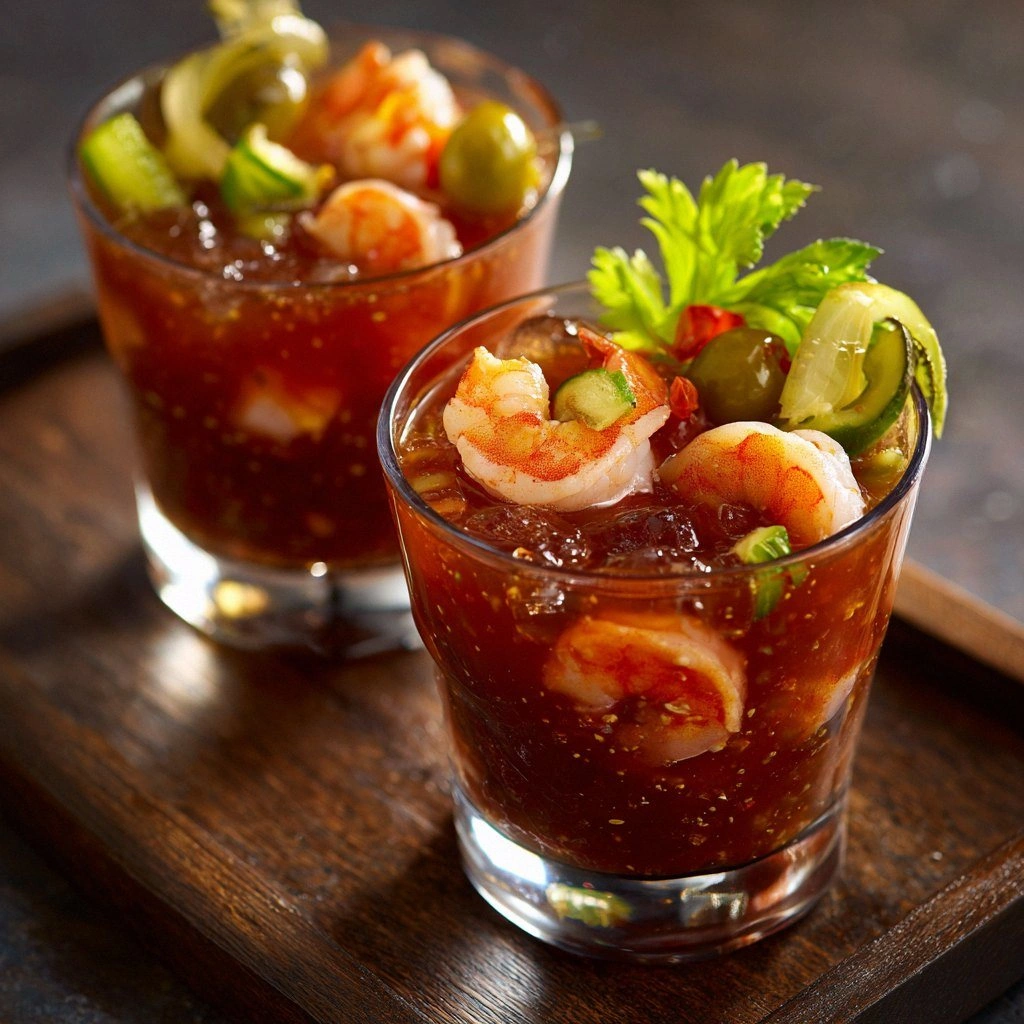
The first bite hits the palate with a bright, tangy tomato base that feels like a burst of sunshine on a rainy day. The vodka gives it a subtle kick that doesn’t overpower, while the horseradish adds a whisper of heat that lingers like a secret. The shrimp themselves are plump, buttery, and coated in a silky sauce that clings like velvet. The herbs—parsley, dill, chives, basil, and tarragon—infuse the mix with a garden‑fresh aroma that makes you feel like you’re eating at a seaside market. The garnish of celery, olives, and lemon wedges adds a satisfying crunch and a pop of color that makes every forkful a visual treat.
What sets this version apart from the countless recipes out there is a meticulous balance of heat, acidity, and herbaceous freshness. I’ve spent countless hours tweaking the ratio of tomato juice to vodka, and the result is a cocktail that’s bold but not cloying. The shrimp are not just a garnish; they’re the star of the show, marinated in a secret blend that keeps them juicy and flavorful. I dare you to taste this and not go back for seconds. Trust me, once you’ve had it, you’ll wonder how you ever made it any other way.
And here’s the kicker: I discovered that using freshly squeezed lemon juice instead of bottled gives the dish a bright, almost citrusy lift that’s impossible to replicate. The result is a cocktail that’s not only a drink but also a party starter, a conversation piece, and a culinary triumph. Picture yourself pulling this out of the fridge, the whole kitchen smelling incredible, and your guests gasping in delight. That’s the power of this recipe, and I’m here to walk you through every single step so that by the end, you’ll wonder how you ever made it any other way.
What Makes This Version Stand Out
- Flavor: The blend of tomato, vodka, and horseradish creates a complex profile that’s both tangy and spicy, a dance of flavors that lingers on the tongue.
- Texture: The shrimp are perfectly seared, yielding a buttery interior and a slight crispness on the outside that gives each bite a satisfying contrast.
- Simplicity: With fewer than ten ingredients, this recipe is quick to assemble, yet it delivers a depth that makes it feel gourmet.
- Uniqueness: The addition of fresh herbs in a single sauce—rather than separate garnishes—creates a cohesive flavor that sets this dish apart.
- Crowd Reaction: At gatherings, guests rave about the “wow” factor, and many ask for the recipe before the party ends.
- Ingredient Quality: Using high‑quality shrimp and fresh herbs is the secret sauce that makes the difference between good and unforgettable.
- Cooking Method: A quick sear followed by a slow infusion ensures the shrimp stay moist and the sauce thickens without losing its bright character.
- Make‑ahead Potential: The sauce can be made up to 48 hours in advance, allowing you to focus on plating when the guests arrive.
Alright, let’s break down exactly what goes into this masterpiece…
Inside the Ingredient List
The Flavor Base
At the heart of this cocktail is the tomato juice, which serves as the liquid backbone. Tomato juice is the canvas that absorbs all the other flavors, and its natural sweetness balances the acidity of the lemon. If you skip this, the sauce will taste flat and underdeveloped. I recommend using a 100% tomato juice with no added salt, as it keeps the seasoning in check. For a richer taste, you can blend a few fresh tomatoes into the juice, but that’s optional.
The Kick Factor
Vodka is the liquid backbone that gives the cocktail its signature warmth. It’s not just about the alcohol; it’s about the way vodka carries the tomato’s bright notes and lifts the overall flavor. If you’re looking for a lighter version, reduce the vodka to a tablespoon and add a splash of gin for a floral twist. Remember, the key is balance—too much vodka can overwhelm the shrimp, while too little will feel like a drink without a punch.
The Unexpected Star
Horseradish is the unsung hero that adds a subtle heat without turning the sauce into a fiery inferno. Fresh horseradish delivers a clean, sharp bite that cuts through the richness of the shrimp. If you can’t find fresh horseradish, a teaspoon of prepared horseradish will work, but you’ll lose a layer of complexity. A pinch of smoked paprika also adds depth, turning the sauce into a smoky, savory masterpiece.
Everything’s prepped? Good. Let’s get into the real action…
The Method — Step by Step
- Start by patting the shrimp dry with paper towels. Drying the shrimp is essential; it ensures a proper sear and prevents excess steam. Heat a large skillet over medium‑high heat and add a tablespoon of olive oil. Once the oil shimmers, arrange the shrimp in a single layer, avoiding overcrowding. Sear each side for about 1½ minutes until the shrimp turn pink and just begin to curl.
- While the shrimp are searing, combine the tomato juice, vodka, lemon juice, Worcestershire sauce, horseradish, celery salt, black pepper, smoked paprika, and cayenne in a medium bowl. Whisk until the horseradish and spices are fully integrated. This mixture should have a bright, slightly cloudy appearance, hinting at the depth to come. If you prefer a smoother sauce, strain through a fine mesh sieve.
- Once the shrimp are seared, transfer them to a bowl and set aside. In the same skillet, pour the sauce mixture, allowing it to bubble gently. Reduce the heat to medium and let the sauce simmer for 5 minutes, stirring occasionally. This simmering step allows the flavors to meld and the sauce to thicken slightly.
- Add the fresh herbs—parsley, dill, chives, basil, and tarragon—to the sauce. Stir well, letting the herbs release their essential oils. The aroma should become unmistakably herbaceous, filling the kitchen with a fresh, green perfume. Let the sauce simmer for an additional 2 minutes to fully integrate the herbs.
- Return the shrimp to the skillet, tossing them gently in the sauce. Ensure each shrimp is coated in the silky mixture. Cook for another minute, just until the shrimp are heated through and the sauce has a glossy sheen. This is the moment of truth—watch the shrimp’s color shift from translucent to a vibrant pink.
- Remove the skillet from heat and let the shrimp rest in the sauce for 2 minutes. This resting period allows the flavors to settle and the shrimp to absorb the sauce’s richness. The sauce should thicken to a consistency that coats the shrimp without dripping.
- Transfer the shrimp and sauce to a serving bowl or individual glasses, depending on your presentation preference. Garnish with celery sticks, olives, pickles, and a lemon wedge for an extra pop of color and crunch. The garnish not only enhances flavor but also adds a playful, Instagram‑ready aesthetic.
- Serve immediately, accompanied by chilled vodka or a crisp white wine if you prefer. The cocktail’s bold flavor pairs beautifully with a light, refreshing drink that balances the richness of the shrimp. If you’re hosting a brunch, a glass of sparkling wine adds a celebratory touch.
That’s it— you did it. But hold on, I’ve got a few more tricks that’ll take this to another level. These insider secrets will help you perfect every bite and ensure your guests keep coming back for more.
Insider Tricks for Flawless Results
The Temperature Rule Nobody Follows
Many cooks think that high heat is the way to go for shrimp, but that’s a myth. The truth is, shrimp cook incredibly fast—just 1–2 minutes per side—so a high heat can quickly burn the outside while leaving the inside raw. Instead, use medium‑high heat and keep the skillet pre‑heated. This allows the shrimp to sear without scorching, preserving their natural juiciness and giving them that perfect pink hue.
Why Your Nose Knows Best
The aroma of the sauce is your best indicator of progress. As the tomato juice simmers, it should develop a sweet, slightly caramelized scent. If you notice a sharp, burnt smell, the heat is too high. Adjust by lowering the flame and stirring gently. A good rule of thumb: when the sauce starts to bubble, you’re ready to add the herbs.
The 5‑Minute Rest That Changes Everything
After cooking, let the shrimp rest in the sauce for exactly five minutes. This brief period allows the shrimp to finish cooking through residual heat while the sauce thickens to a glossy consistency. Many people skip this step, resulting in a watery sauce. Don’t skip it—your guests will thank you for the extra depth.
Fresh Herbs Over Dried
Fresh herbs are a game changer. While dried herbs are convenient, they lose their bright flavor after prolonged heating. Adding fresh herbs in the final minutes of cooking preserves their essential oils, giving the sauce a vibrant, green undertone that’s impossible to replicate with dried herbs.
Use a Saucepan With a Lid
Covering the sauce while it simmers traps steam, which helps the flavors meld faster. It also prevents the sauce from evaporating too quickly, maintaining the right thickness. When you remove the lid, let the sauce reduce for a few extra seconds to achieve that silky finish.
Creative Twists and Variations
This recipe is a playground. Here are some of my favorite ways to switch things up:
Spicy Mango Shrimp
Swap out half the tomato juice for mango puree. The sweet mango balances the heat of the horseradish, creating a tropical twist. Serve with a splash of coconut milk for extra richness. This version is perfect for summer gatherings.
Herb‑Infused Vodka
Infuse the vodka with fresh basil and thyme for a fragrant, herbaceous kick. Let the mixture sit for 24 hours before using. The result is a subtle herbal undertone that complements the tomato base. This is a great option for a garden‑themed brunch.
Smoky Chipotle Version
Add a teaspoon of chipotle in adobo sauce for a smoky depth. The chipotle pairs beautifully with the tomato and gives the sauce a bold, earthy flavor. Pair this with a smoky paprika for an extra kick. Ideal for a fall or winter menu.
Vegan Shrimp Alternative
Replace shrimp with large shrimp‑size slices of marinated tofu. Use a soy sauce‑based glaze for a savory umami flavor. The tofu will absorb the sauce just like shrimp, making it a satisfying vegetarian option. Garnish with sliced cucumber for a refreshing crunch.
Seafood Medley
Add scallops, mussels, or clams to the sauce for a luxurious seafood medley. Cook each type separately to ensure even doneness. This variation elevates the dish into a gourmet appetizer for special occasions. Serve on a bed of rice or crusty bread.
Low‑Calorie Light Version
Use low‑fat Greek yogurt as a base instead of tomato juice. The yogurt provides creaminess while cutting calories. Add a splash of lemon for acidity and a pinch of smoked paprika for depth. This version is great for health‑conscious diners.
Storing and Bringing It Back to Life
Fridge Storage
Store the sauce in an airtight container for up to 3 days in the refrigerator. Keep the shrimp separate until you’re ready to serve. When you’re ready to reheat, gently warm the sauce in a saucepan over low heat, stirring frequently. Add a splash of water if it’s too thick. The shrimp can be added for the last minute to warm through.
Freezer Friendly
The sauce can be frozen for up to 2 months. Freeze in a freezer‑safe container, leaving a little headspace for expansion. Thaw overnight in the refrigerator before reheating. The shrimp should be cooked fresh or reheated separately to avoid overcooking. This makes it a convenient option for busy weekends.
Best Reheating Method
When reheating, use a low‑heat setting to preserve the delicate balance of flavors. Stir constantly to prevent the sauce from scorching. Add a tablespoon of water or broth to keep it from drying out. Once the sauce is heated through, add the shrimp for a minute and serve immediately. The texture should be silky, not watery.