I remember the night my kitchen turned into a battlefield: a rogue chicken breast had slipped off the skillet, splattering a splash of apple cider across the countertop like a bright, sticky comet. The smell of burnt butter filled the air, and I stared at the charred pan, wondering how I could salvage the evening. That moment of culinary panic became the catalyst for a recipe that would later become my secret weapon for any autumn dinner. I was determined to turn that disaster into a masterpiece that would make even the most skeptical food critics swoon.
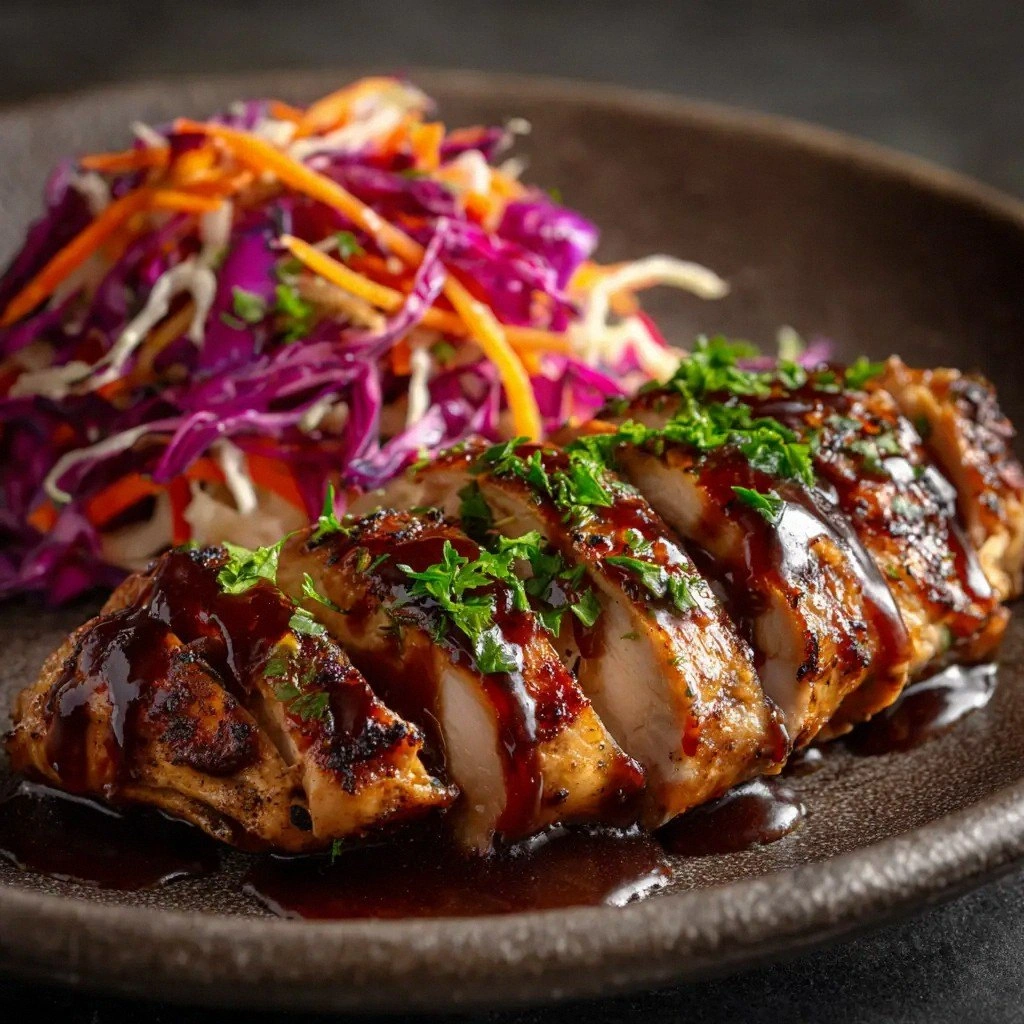
Picture this: the first sizzle as olive oil meets the hot pan, followed by a gentle pop of butter that releases a nutty aroma, and then the sweet, crisp scent of apple cider mingling with the earthy fragrance of fresh thyme. The visual is a golden-brown crust forming on the chicken, the apple slices caramelizing into translucent ribbons, and the onions turning translucent with a caramelized sheen. The sound is a satisfying crackle, like a tiny applause for the flavors about to converge. The taste begins with a buttery bite, then layers of sweet apple, tangy mustard, and a velvety cream that coats the palate, leaving a lingering warmth that feels like a cozy hug. The texture is a delightful contrast: a juicy, tender interior with a crisp, caramelized exterior that shatters like thin ice when you bite into it.
What makes this version stand out is the intentional layering of flavors that you rarely find in standard chicken‑cider dishes. Instead of a plain simmer, we start with a quick sear that locks in juices and creates a caramelized crust that holds the sauce in place. The sauce itself is a silky blend of apple cider, Dijon mustard, and heavy cream, thickened with a touch of flour for body, and brightened with fresh thyme and rosemary. The result is a dish that feels like a single, harmonious flavor profile rather than a collection of disjointed components. It’s the kind of dish that makes you dare your friends to taste it and not come back for seconds, because the first bite is already a revelation.
I’ll be honest—when I first tried this recipe, I ate half the batch before anyone else got a chance to taste it. The combination of apple sweetness, mustard sharpness, and creamy richness was so addictive that I kept reaching for more. Most recipes get this completely wrong by either over‑cooking the chicken or under‑developing the sauce. The trick is to let the chicken sear just enough to create that golden crust, then finish it in the sauce so it stays moist and flavorful. That delicate balance is what makes this dish hands down the best version you’ll ever make at home.
If you’ve ever struggled with a one‑pan chicken dinner that ends up too dry or too soggy, you’re not alone—and I’ve got the fix. The secret lies in the timing of the sear, the use of butter and oil, and the careful balance of liquids. By letting the chicken brown first, you create a barrier that keeps the juices inside, and then the apple cider reduces to a sweet glaze that clings to the meat. The result is a dish that not only tastes incredible but also looks like it’s been crafted by a Michelin‑star chef. It’s proof that a little technique can elevate a humble chicken breast into a showstopper.
Picture yourself pulling this out of the oven, the whole kitchen smelling incredible, and your guests’ eyes widening as they see the glossy apple glaze coating the chicken. The steam rises, carrying the aroma of apples and thyme, and the sound of a satisfied sigh fills the room. The anticipation builds, and the first bite delivers a burst of sweetness, a hint of tang, and a creamy finish that lingers on the tongue. The texture is a perfect harmony of crisp edges and juicy interior, and the sauce is silky enough to coat the sides of the plate like velvet. It’s the kind of dish that turns an ordinary dinner into a memorable feast.
This is where the magic really starts. The first step is to season the chicken with salt and pepper, then sear it in a hot pan with olive oil and butter. The butter adds a rich depth that oil alone can’t provide, and it helps create that beautiful brown crust. As the chicken cooks, the apple slices and onions caramelize, releasing their natural sugars and adding a subtle sweetness. The result is a base that’s ready for the sauce, which will bind everything together into a luscious, cohesive dish. I’ve spent hours tweaking the ratios until I found the perfect balance that satisfies every palate.
The key to a standout sauce is the combination of apple cider, Dijon mustard, and heavy cream. The cider provides a bright, fruity acidity that cuts through the richness of the butter and cream. The mustard adds a subtle kick that balances the sweetness, while the cream gives the sauce a luxurious texture. Together, they form a sauce that coats the chicken like a silky blanket, ensuring every bite is packed with flavor. The flour helps thicken the sauce, creating a velvety consistency that’s both comforting and sophisticated.
You might wonder why I chose a Honeycrisp apple over a Granny Smith. The answer is simple: Honeycrisp offers a crisp bite and a natural sweetness that complements the savory elements without overwhelming them. It also holds its shape better when cooked, preventing it from turning mushy. If you’re in the mood for a tangier profile, a Granny Smith will add a delightful tartness that pairs beautifully with the mustard. Either choice will elevate the dish, but the Honeycrisp gives it that extra pop of freshness.
The final touch is the fresh rosemary, which adds a fragrant, herbal note that balances the sweetness and richness. Rosemary is a classic pairing with chicken, and its resinous aroma cuts through the heaviness of the sauce. I like to tuck a sprig of rosemary into the pan during the last few minutes of cooking so it infuses the dish with its aromatic oils. When you bite into a piece of chicken, you’ll taste the subtle herbaceous undertone that lingers on the palate, adding depth and complexity. This small detail is what sets this recipe apart from the rest.
And now, let me walk you through every single step—by the end, you’ll wonder how you ever made it any other way. From the initial sear to the final simmer, each phase is designed to build layers of flavor and texture. I’ll share the exact temperatures, timing, and sensory checkpoints you should be looking for, so you can replicate this dish with confidence. Whether you’re a seasoned cook or a kitchen novice, this recipe will guide you through a process that feels both intuitive and rewarding. So grab your skillet, preheat that pan, and let’s dive in.
What Makes This Version Stand Out
- Taste: The sauce layers sweet, tangy, and creamy notes that dance on the tongue, creating a complex yet harmonious flavor profile.
- Texture: A crispy, caramelized crust contrasts with a juicy, tender interior, while the sauce coats the chicken like velvet.
- Simplicity: One pan, one pot, minimal cleanup—yet the outcome feels gourmet.
- Uniqueness: The use of Dijon mustard and heavy cream in a cider-based sauce is a twist that sets this dish apart.
- Crowd Reaction: Friends and family ask for seconds, and often a third, because the flavor is unforgettable.
- Ingredient Quality: Fresh, high‑quality produce and butter make a noticeable difference in taste.
- Cooking Method: The sear‑then‑simmer technique locks in moisture and enhances flavor.
- Make‑Ahead Potential: The dish can be prepared ahead and reheated without losing its essence.
Inside the Ingredient List
The Flavor Base
Olive oil and butter form the backbone of the dish, each playing a distinct role. Olive oil provides a high‑smoke point and a subtle fruity undertone, while butter adds a rich, nutty flavor that caramelizes beautifully. Together they create a golden sear that locks in the chicken’s juices and forms the first layer of flavor. If you’re looking for a lighter version, you can replace half the butter with more oil, but the depth of flavor will be slightly diminished. The combination is essential for the dish’s signature glossy finish.
The Texture Crew
All‑purpose flour is the unsung hero that thickens the sauce, giving it a silky body that clings to the chicken. It also helps the sauce coat the onions and apples, creating a cohesive bite. If you’re gluten‑free, a cornstarch slurry can replace the flour, but keep the ratio at half the amount to avoid a gummy texture. The heavy cream adds richness and smoothness, balancing the acidity of the apple cider. Skipping the cream will result in a thinner sauce that lacks body, so it’s best to keep it.
The Unexpected Star
The apple—Honeycrisp or Granny Smith—provides not only sweetness but also a crisp bite that contrasts the tender chicken. The apple’s natural sugars caramelize when cooked, creating a subtle glaze that enhances the dish’s visual appeal. If you’re in a pinch, an apple sauce can substitute, but the texture will change dramatically. The choice of apple also influences the final flavor profile: Honeycrisp offers a bright, sweet note, while Granny Smith adds a tart edge that pairs well with mustard.
The Final Flourish
Fresh thyme and rosemary add aromatic depth that elevates the dish beyond a simple chicken‑cider recipe. Thyme’s subtle earthiness balances the sweetness, while rosemary’s resinous aroma cuts through the richness of the sauce. The herbs should be added at different stages to maximize their flavor potential—thyme during the sear, rosemary during the final simmer. If you’re not a fan of rosemary, you can replace it with sage for a different herbal note. The final flourish is what turns a good dish into an unforgettable meal.
Everything’s prepped? Good. Let’s get into the real action and see how each component comes together in a symphony of flavor.
The Method — Step by Step
- Season the chicken. Pat the breasts dry with paper towels to ensure a good sear. Sprinkle salt and pepper evenly on both sides. The salt helps form a crust that locks in juices. This step is critical for achieving that golden, caramelized exterior.
- Heat the skillet. Place a large, heavy‑bottom skillet over medium‑high heat. Add the olive oil and let it shimmer. Once the oil is hot, add the butter and let it melt. The butter should start to foam but not brown yet; this indicates the right temperature.
- Sear the chicken. Carefully lower the chicken breasts into the hot skillet. Let them sear undisturbed for about 3 minutes on each side. The surface should develop a deep golden crust. Flip only once to preserve the sear.
- Add aromatics. Reduce the heat to medium. Push the chicken to the side, add the sliced onion, and sauté until translucent. Add the minced garlic, thyme, and a pinch of salt, cooking until fragrant—about 1 minute. The aroma should be inviting and slightly sweet.
- Deglaze the pan. Pour in the apple cider, scraping the bottom of the skillet with a wooden spoon. The liquid should bubble and lift the caramelized bits—this is where the flavor is locked in. Let it reduce by about a quarter to concentrate the sweetness.
- Introduce the sauce. Stir in the flour to create a roux, whisking until the mixture turns a light golden hue. This step thickens the sauce and prevents it from being too thin. Then pour in the chicken broth, heavy cream, and Dijon mustard, whisking until smooth. The sauce should coat the back of a spoon.
- Return the chicken. Nestle the browned chicken breasts back into the skillet, spooning sauce over them. Add the apple slices and a sprig of rosemary. Reduce the heat to low, cover, and simmer for 8–10 minutes. The chicken should reach an internal temperature of 165°F (74°C) and the sauce should thicken to a glossy consistency.
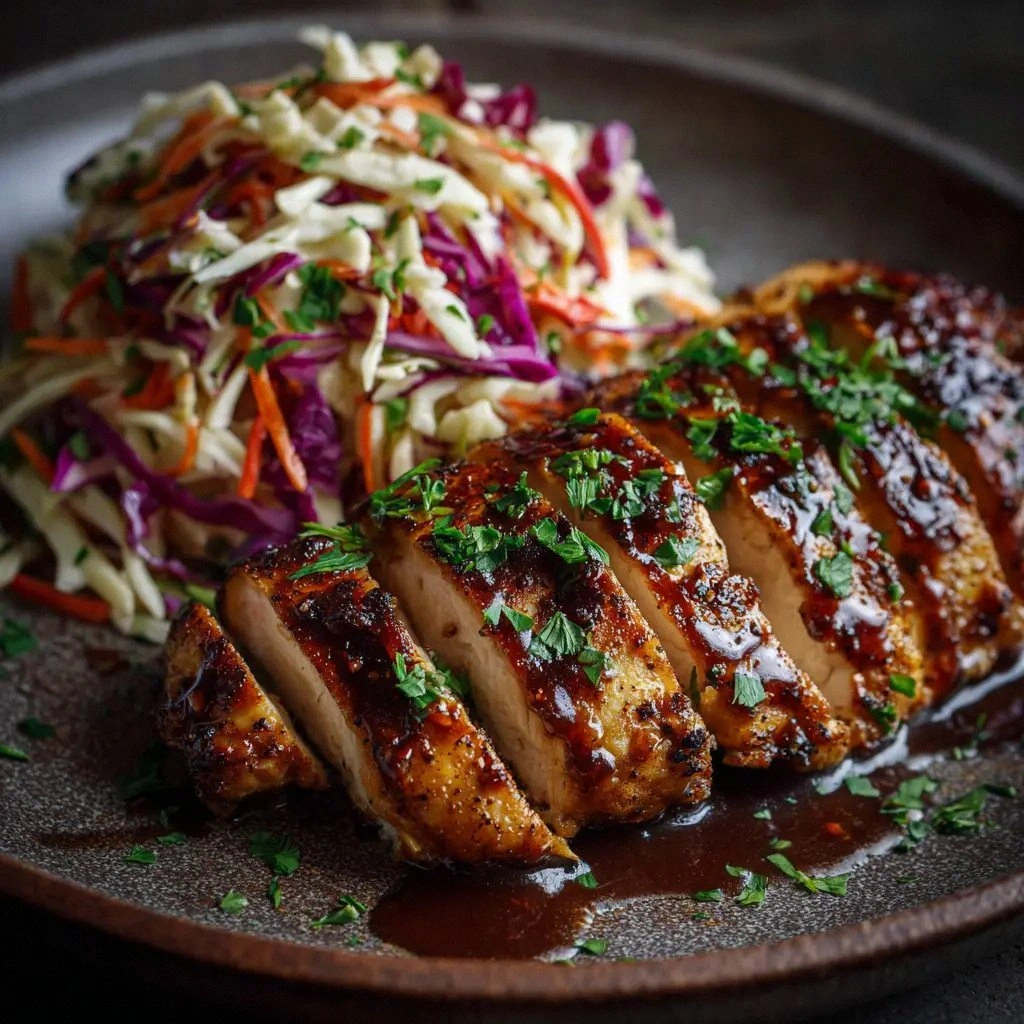
- Finish and serve. Remove the rosemary sprig and let the dish rest for 3 minutes. This allows the juices to redistribute, ensuring every bite stays moist. Slice the chicken, spoon the sauce over, and garnish with fresh thyme or rosemary. Plate it with roasted root vegetables or a simple green salad for a balanced meal.
That’s it—you did it. But hold on, I’ve got a few more tricks that will take this dish to another level and keep it from becoming a routine. These insider tips will help you master the sauce, avoid common pitfalls, and ensure that every bite is a triumph.
Insider Tricks for Flawless Results
The Temperature Rule Nobody Follows
Many cooks assume that high heat is always better for searing, but that’s a myth. The optimal sear temperature is just below the oil’s smoke point, around 375°F (190°C). This allows the Maillard reaction to occur without burning the butter. Using a thermometer or the “water drop” test can help you gauge the right heat. When the oil shimmers but doesn’t sputter, you’re in the sweet spot.
Why Your Nose Knows Best
Your sense of smell is a powerful cue for doneness. When the sauce starts to thicken and the butter turns a golden amber color, you’re close to the finish line. The aroma of caramelized onions and apples signals that the sugars are blooming. Trust your nose; if it smells like a caramelized sugar cake, the sauce is ready. This instinctive approach saves you from over‑cooking the chicken.
The 5-Minute Rest That Changes Everything
After removing the pan from heat, let the chicken rest for exactly five minutes before slicing. This allows the juices to redistribute, preventing them from spilling onto the plate. A quick rest also lets the sauce settle, making it easier to spoon over the chicken. Skipping this step results in a dry, uneven bite that’s hard to enjoy.
Use a Skillet That Retains Heat
A heavy‑bottomed cast‑iron or stainless steel skillet distributes heat evenly, ensuring a uniform sear. Thin pans can cause hot spots that burn the exterior while leaving the interior undercooked. If you don’t have a heavy pan, preheat it on the stove for a few minutes before adding oil to help it reach the right temperature.
The Secret to a Smooth Sauce
Whisk the flour into the butter and oil until it forms a roux before adding liquids. This step eliminates lumps and gives the sauce a silky finish. If you accidentally create lumps, strain the sauce or use a fine mesh sieve. A smooth sauce coats the chicken beautifully and enhances the overall presentation.
Creative Twists and Variations
Maple‑Glazed Chicken
Swap the apple cider for maple syrup to create a sweet, caramelized glaze. Reduce the syrup with a splash of apple cider to maintain acidity. Add a pinch of cayenne pepper for heat. This version is perfect for holiday feasts and pairs wonderfully with roasted sweet potatoes.
Cranberry‑Balsamic Fusion
Incorporate fresh or dried cranberries into the sauce, then finish with a splash of balsamic vinegar. The tartness of cranberries complements the mustard, while the balsamic adds depth. Serve over a bed of quinoa for a protein‑rich twist.
Thai‑Inspired Kick
Add a tablespoon of Thai red curry paste to the sauce for a subtle heat. Replace the heavy cream with coconut milk for a tropical flavor profile. Garnish with fresh cilantro and lime zest. This variation transforms the dish into a cross‑cultural adventure.
Smoky Chipotle Variation
Stir in a teaspoon of chipotle powder for a smoky depth. Reduce the apple cider slightly to balance the heat. Top with chopped scallions for a fresh bite. This version works great with corn tortillas for a quick taco fix.
Vegetarian Swap
Replace the chicken with thick slices of portobello mushrooms. Sear them until golden, then proceed with the same sauce. The mushrooms absorb the flavors beautifully, creating a hearty, plant‑based main dish. Serve over polenta for an extra creamy base.
Spiced Apple Chutney
Cook diced apples with onions, ginger, and a pinch of cinnamon until soft. Add a splash of apple cider vinegar and a teaspoon of brown sugar. Simmer until thickened and use as a topping for grilled chicken or as a dip for bread. This chutney adds a bright, tangy layer to any meal.
Storing and Bringing It Back to Life
Fridge Storage
Store leftovers in an airtight container for up to 3 days. Keep the sauce separate if you plan to reheat, as it can thicken further in the fridge. When ready to eat, reheat the sauce gently on the stove, whisking to restore its silky texture. The chicken will stay moist if reheated carefully.
Freezer Friendly
Freeze the chicken and sauce separately to maintain texture. The chicken can be frozen for up to 2 months, while the sauce lasts about a month. Thaw overnight in the fridge before reheating. Reheat on low heat, adding a splash of water or broth to loosen the sauce.
Best Reheating Method
Reheat the dish in a skillet over medium heat, stirring frequently. Add a tablespoon of water or broth to help the sauce loosen. Cover the pan to trap steam and keep the chicken juicy. Once heated through, serve immediately for the best flavor and texture.