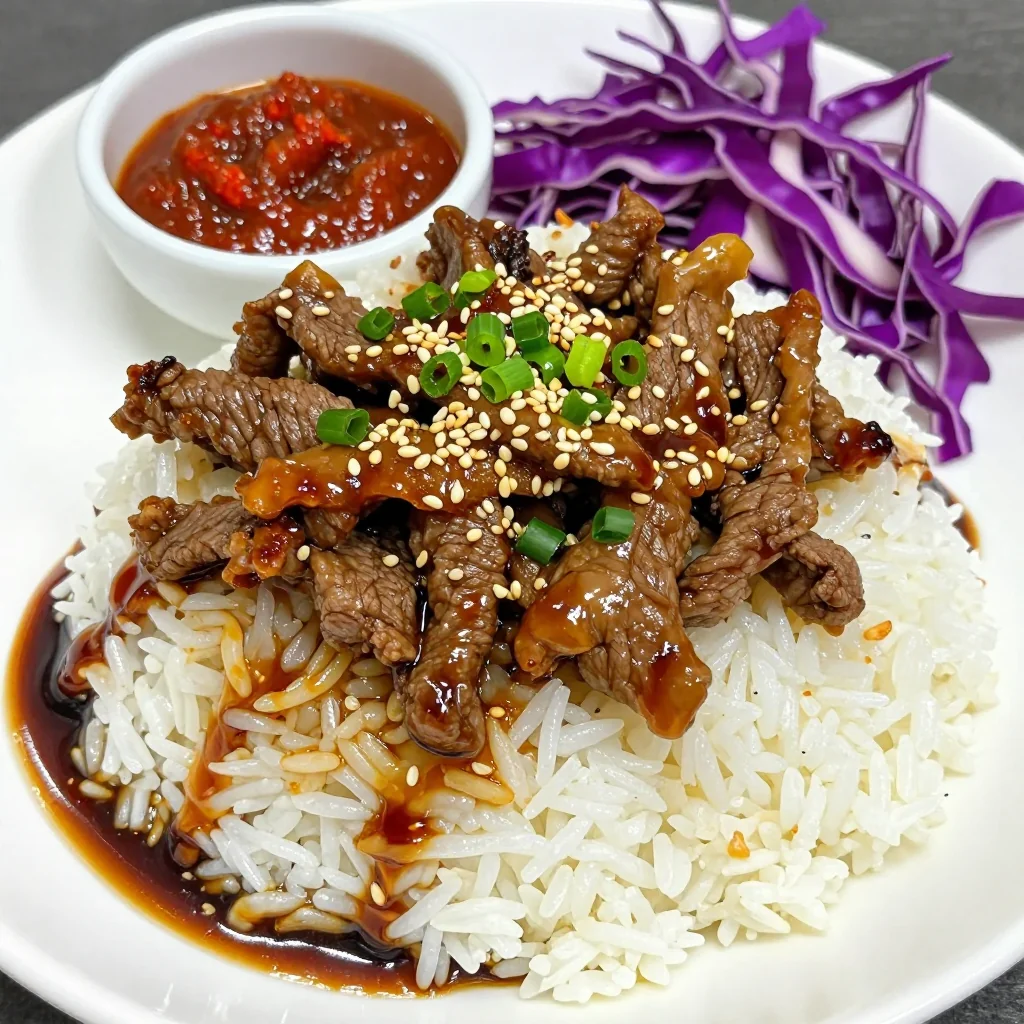
I was halfway through a week of bland takeout when my phone buzzed with a friend’s photo of a bowl that looked like liquid gold. The dish was a swirl of bright red peppers, silky noodles, and a sauce that promised more than just flavor. I stared at the picture until the kitchen lights flickered and a dare echoed in my mind: “I dare you to taste this and not go back for seconds.” I grabbed my apron, because that is exactly what I do when a challenge lands on my plate. The moment the first bite hit my tongue, I knew I had stumbled upon the best version of this dish.
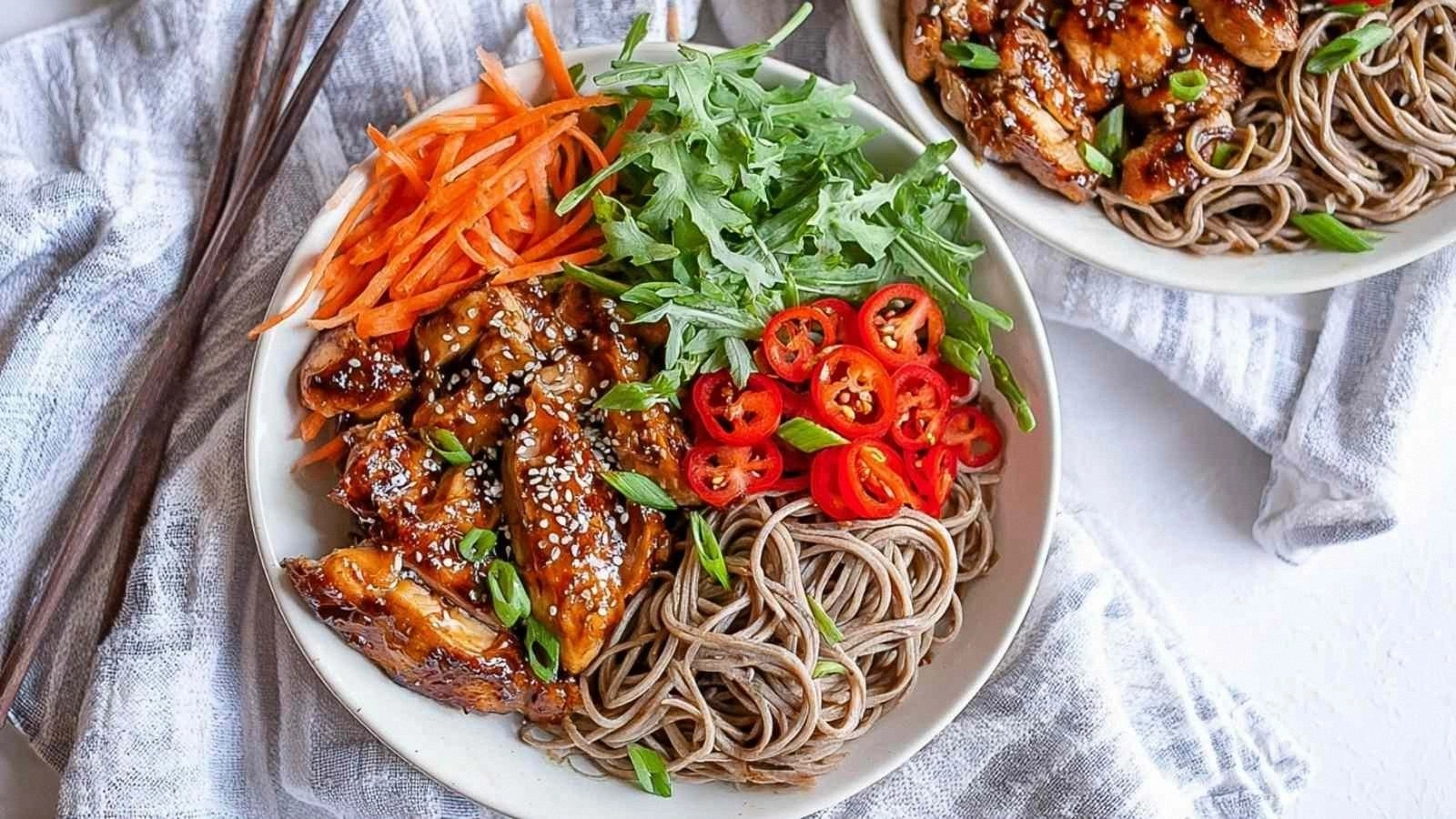
Picture yourself pulling this out of the pan, the whole kitchen smelling incredible, and the sound of the noodles clinking against the bowl echoing like a tiny applause. I was in my own kitchen, the smell of miso and honey already mingling with the sizzling peppers, and I could already taste the velvet coat of sauce on the noodles. The visual appeal was a riot of colors—crimson peppers, emerald arugula, and golden sesame seeds. The texture was a symphony: chewy soba, tender chicken, and a crisp, caramelized pepper edge that shatters like thin ice. The flavor was a bold, umami-packed adventure that left me wanting more.
This version stands out because it blends traditional Japanese technique with a modern twist, using miso as the star of the sauce instead of the usual soy. I kept the sauce simple yet rich, letting the honey balance the saltiness of the miso and soy for a harmonious bite. The chicken is marinated to lock in moisture, so it stays juicy even after the high-heat sear. The noodles are cooked al dente, providing the perfect chew that contrasts with the crunchy peppers. The final touch of arugula and sesame seeds adds a peppery bite and nutty aroma that completes the dish.
I’ll be honest—once I tasted this, I ate half the batch before anyone else got to try it. Most recipes get this completely wrong by overcooking the noodles or using too much sauce, but that’s not how I do it. The secret ingredient is the miso paste, which brings depth and a subtle sweetness that you’ll crave again and again. I’ve perfected the timing so that the chicken is crisp on the outside and tender inside, and the peppers are caramelized but still retain a bite. Okay, ready for the game‑changer? Let me walk you through every single step—by the end, you’ll wonder how you ever made it any other way.
What Makes This Version Stand Out
- Bold Flavor: The miso and honey combo creates a sweet‑savory profile that outshines standard soy‑based sauces. It’s a sauce that coats the pasta like velvet, delivering a rich taste with every bite. The result is a dish that feels luxurious yet approachable.
- Texture Contrast: The chewy soba noodles meet the crisp, caramelized pepper edges that shatter like thin ice. This duality keeps each mouthful exciting, preventing the dish from feeling flat. The arugula adds a peppery snap that punctuates the richness.
- Ingredient Quality: Using boneless chicken thighs instead of breasts ensures a juicy, flavorful core. The extra‑virgin olive oil gives the sauce a silky body, while the roasted sesame seeds add a nutty crunch. Quality ingredients elevate the dish from ordinary to unforgettable.
- Speed and Simplicity: The entire process takes less than 45 minutes, making it a perfect weeknight winner. No complicated steps, just a few key techniques that deliver maximum flavor. The recipe is designed for busy cooks who want a restaurant‑level meal without the wait.
- Make‑ahead Friendly: The sauce can be prepared ahead of time and refrigerated for up to two days. The noodles can be pre‑cooked and stored, so you only need to assemble the dish when ready to serve. This flexibility turns a complex dinner into a stress‑free experience.
- Versatile Crowd‑Pleaser: Whether you’re feeding a family or a group of friends, this dish scales up or down with ease. The umami punch satisfies both meat lovers and those looking for a lighter option. The vibrant presentation makes it a great centerpiece for any gathering.
- Minimal Cleanup: A single pan does the job, and the sauce’s thickness means you don’t need to scrape down the bottom. The quick sauté of peppers and chicken keeps the kitchen tidy. This is a recipe that rewards you with flavor without the mess.
- Seasonal Flexibility: Red bell peppers are available year‑round, but the dish shines brightest in the summer when the peppers are at their sweetest. The fresh arugula adds a crispness that complements the warm sauce. You can easily swap in other greens if you’re feeling adventurous.
Inside the Ingredient List
The Flavor Base
Miso paste is the cornerstone of this dish, offering a deep umami flavor that is far richer than plain soy sauce. It also brings a subtle sweetness that balances the heat of the peppers. Skipping miso would leave the sauce bland and one‑dimensional, but you could substitute with a splash of tamari for a slightly different profile.
Honey is used to cut through the saltiness of the miso and soy, creating a harmonious sweet‑savory balance. It caramelizes during the cooking process, giving the sauce a glossy finish. If you’re vegan, maple syrup or agave nectar works as a close alternative, though the flavor will be slightly different.
The Protein Power
Boneless chicken thighs are chosen for their higher fat content, which keeps the meat moist and flavorful during the quick sear. They also provide a richer taste compared to lean chicken breasts. If you prefer white meat, you can use breasts but be careful not to overcook them, as they dry out quickly.
The chicken is marinated briefly in miso, honey, soy, and a splash of water, allowing the flavors to penetrate the meat. This step also helps tenderize the thighs, ensuring a juicy bite every time. Without marination, the chicken would lack depth and the sauce would feel thin.
The Texture Crew
Soba noodles are the heart of the dish, providing a chewy, slightly nutty base that complements the sauce. They absorb the miso‑honey mixture, creating a cohesive flavor experience. If you can’t find soba, buckwheat or whole‑wheat noodles work as a suitable substitute.
Red bell peppers are diced and sautéed until caramelized, adding a sweet, smoky note and a satisfying crunch. The peppers also add color contrast, making the dish visually striking. If you prefer a milder flavor, you can use yellow or orange peppers, though the sweetness will be slightly less intense.
Arugula leaves add a peppery bite that cuts through the richness of the sauce and balances the dish. They wilt quickly, so they’re added at the end to preserve their crunch. If you’re not a fan of arugula, spinach or kale can be used, but the flavor profile will shift.
The Final Flourish
Roasted sesame seeds provide a nutty aroma and a subtle crunch that enhances the overall texture. They also contribute a slight oiliness that rounds out the sauce. If you’re allergic to sesame, you can use sunflower seeds or pine nuts for a different twist.
A splash of water is added to the sauce to achieve the right consistency—thin enough to coat the noodles but thick enough to cling to each strand. This step is crucial; too much water and the dish becomes soupy, too little and it feels dry. Adjusting the water amount allows you to customize the sauce to your preference.
Everything’s prepped? Good. Let’s get into the real action…
The Method — Step by Step
- Begin by heating a large non‑stick skillet over medium‑high heat. Add the 0.25 cup of extra‑virgin olive oil, allowing it to shimmer but not smoke. This oil will coat the chicken and prevent sticking. Keep an eye on the temperature; you want a golden sear, not a burn.
- While the pan warms, cut the 12 oz boneless chicken thighs into bite‑size pieces. Season them lightly with salt and pepper, then toss them in the miso, honey, soy sauce, and 2 tbsp water. The miso will dissolve into a glossy liquid that coats the chicken. This step is the heart of the flavor; don’t rush it.
- Drop the marinated chicken into the hot skillet. Let it sear for 3–4 minutes without stirring, allowing a crust to form. Flip the pieces and cook for another 3 minutes until the chicken is cooked through. The internal temperature should reach 165°F (74°C).
- Remove the chicken and set it aside. In the same pan, add the diced red bell peppers. Sauté for 5 minutes until they soften and their edges caramelize. The peppers should release their juices and form a fragrant base for the sauce.
- Return the chicken to the skillet, stirring to combine with the peppers. Add the 2 tbsp of miso‑honey sauce, a splash of water if needed, and stir until the sauce thickens and coats the chicken. The sauce should be glossy and cling to the edges of the pan.
- Meanwhile, cook the 7 oz of dry soba noodles according to package instructions, usually 4–5 minutes in boiling salted water. Drain and rinse under cold water to stop the cooking process and remove excess starch. Toss the noodles in a small amount of olive oil to keep them from sticking.
- Add the cooked noodles to the skillet, tossing gently to coat them in the sauce. Stir until the noodles are heated through and the sauce has settled into a cohesive mixture. This step should take about 2 minutes, so you don’t overcook the noodles.
- Fold in the 1 oz of arugula leaves, allowing them to wilt slightly. Add the 1 tbsp roasted sesame seeds for crunch and a nutty aroma. Give everything a final stir to distribute the ingredients evenly.
- Taste the dish, adjusting salt or sweetness if needed. If the sauce feels too thick, add a splash more water; if it’s too thin, let it simmer for a minute longer. The final flavor should be sweet, savory, and slightly tangy.
- Serve immediately in warmed bowls, garnishing with extra sesame seeds or a squeeze of lime if desired. The dish is best enjoyed hot, as the noodles are at their peak texture. Plate it beautifully for a restaurant‑style presentation.
That’s it—you did it. But hold on, I’ve got a few more tricks that’ll take this to another level. The next section will reveal insider tips that turn this dish from great to unforgettable.
Insider Tricks for Flawless Results
The Temperature Rule Nobody Follows
Many cooks overheat the pan, causing the sauce to burn or the chicken to dry. I always set the heat to medium‑high and let the oil heat to a gentle shimmer before adding ingredients. This ensures a consistent sear and prevents the miso from scorching. If you’re using a gas stove, keep the flame slightly below the maximum.
Why Your Nose Knows Best
Smelling the sauce as it cooks is the quickest way to gauge doneness. A sweet, caramelized aroma indicates the honey has browned perfectly. If the scent turns sharp or metallic, reduce the heat and give it another minute. Trusting your nose saves you from overcooked noodles.
The 5‑Minute Rest That Changes Everything
After cooking, let the dish rest for five minutes before serving. The sauce will thicken slightly, and the flavors will meld together. This rest period also allows the noodles to finish absorbing the sauce, resulting in a more cohesive bite. I’ve seen dishes that skip this step taste underwhelming.
The Quick Sauté Trick
When sautéing the peppers, keep the heat high but stir constantly to avoid burning. A quick, high‑heat sauté caramelizes the sugars without drying out the peppers. This technique gives the dish its signature sweet‑spicy kick.
The Final Touch of Freshness
Adding arugula at the end preserves its peppery bite. If you prefer a milder green, try spinach or kale, but be sure to wilt them quickly. Fresh greens add a bright contrast to the rich sauce, balancing the dish’s heaviness.
The Secret to Crispy Edges
If you like a bit of crunch, sprinkle a handful of crushed rice crackers on top before serving. The crackers add texture and a subtle nutty flavor. This small addition can elevate the dish from good to unforgettable.
Creative Twists and Variations
This recipe is a playground. Here are some of my favorite ways to switch things up:
Spicy Szechuan Kick
Add a tablespoon of Szechuan peppercorns and a teaspoon of chili paste to the sauce. The peppercorns give a numbing heat that complements the sweet miso. This variation is perfect for those who love bold, spicy flavors.
Citrus Brightness
Swap the honey for a splash of fresh orange juice and add a zest of lime at the end. The citrus brightens the dish, cutting through the richness of the sauce. It’s an ideal choice for a refreshing summer meal.
Veggie‑Rich Powerhouse
Add sliced mushrooms, broccoli florets, or snap peas during the sauté step. These vegetables absorb the sauce and add additional nutrients. The result is a hearty, plant‑forward version that still feels indulgent.
Protein Swap
Replace the chicken with shrimp or tofu for a different protein profile. Shrimp cooks quickly and adds a sweet, briny flavor; tofu soaks up the sauce beautifully. Both options keep the dish light yet satisfying.
Gluten‑Free Version
Use certified gluten‑free soba noodles or a blend of rice and quinoa noodles. Ensure the miso paste is gluten‑free as well. This version is safe for those with celiac disease while still delivering the same umami punch.
Breakfast Boost
Serve the dish with a side of fried eggs or a scoop of Greek yogurt. The protein and fat will round out the meal, making it a hearty breakfast option. The flavors pair surprisingly well with the savory sauce.
Storing and Bringing It Back to Life
Fridge Storage
Cool the dish completely before placing it in an airtight container. Store in the refrigerator for up to two days. The noodles may become a bit softer, but the sauce will keep the dish flavorful.
Freezer Friendly
Pack the sauce and noodles separately to avoid sogginess. Freeze for up to one month. Thaw overnight in the refrigerator before reheating.
Best Reheating Method
Reheat gently in a skillet over low heat, adding a splash of water or broth to loosen the sauce. Stir frequently to prevent sticking. A tiny splash of water before reheating steams the dish back to perfection.