I was once in the middle of a frantic Tuesday night when the pantry looked like a desert and my stomach started growling louder than a freight train. I dared my roommate to a “who can make the most comforting dinner with only what’s on hand” challenge, and I accepted with a grin that hid the panic. The only thing I could find was a sack of chicken thighs, a mountain of onions, and a lemon that had been sitting on the counter for weeks. I tossed them together, added a splash of mustard and a handful of garlic, and what came out of the pan was nothing short of a culinary epiphany. I swear, that first bite made my taste buds do a little victory dance.
Picture this: the kitchen filled with the sweet, caramelizing scent of onions that have been coaxed into a golden brown, the sharp zing of lemon juice cutting through the richness like a maestro conducting a symphony. The sound of the chicken sizzles as it hits the hot oil— that sizzle when it hits the pan? Absolute perfection. The heat of the stove radiates a comforting warmth that wraps around you like a well‑worn blanket, and the steam rising from the pot paints a hazy, inviting cloud over the countertop. Every sense is on high alert, and the anticipation builds faster than a Netflix cliffhanger.
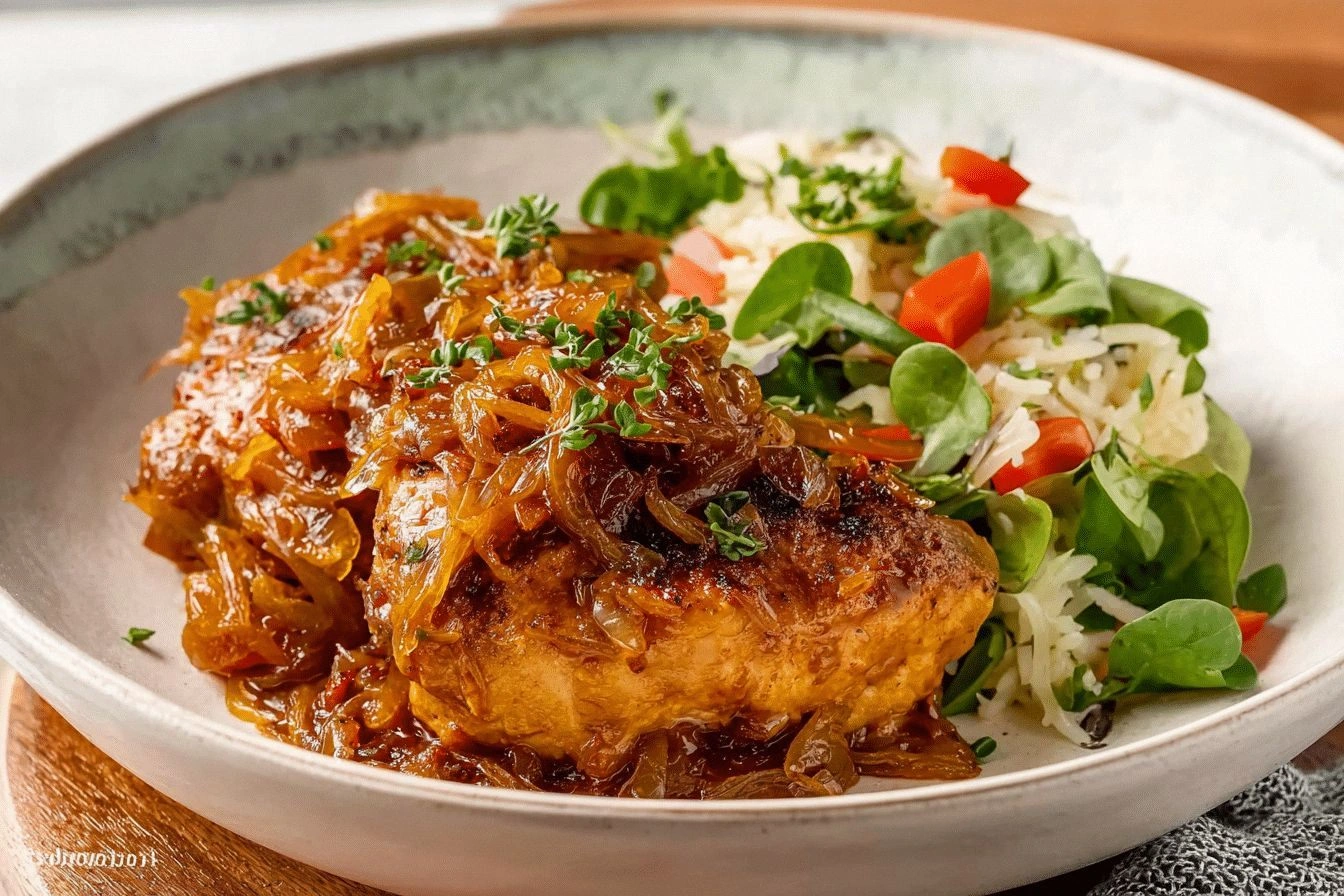
Now, I’ve tried countless versions of Poulet Yassa, and most of them get this completely wrong. They either drown the chicken in a soggy sauce or forget the crucial step of caramelizing the onions until they’re sweet and slightly smoky. This version, however, is hands down the best you’ll ever make at home because it respects the balance between tangy, savory, and a whisper of heat while keeping the chicken juicy and the sauce glossy. I dare you to taste this and not go back for seconds— it’s that good.
The secret? A tiny splash of white wine that lifts the sauce and a quick deglaze that pulls up every caramelized crumb stuck to the pan. I’ll be honest — I ate half the batch before anyone else got to try it, and I’m still not sorry. Let me walk you through every single step — by the end, you’ll wonder how you ever made it any other way.
What Makes This Version Stand Out
- Flavor Explosion: The combination of lemon juice and Dijon mustard creates a bright, tangy backdrop that makes each bite sing. The onions, caramelized to a deep amber, add a natural sweetness that balances the acidity perfectly.
- Texture Harmony: Bone‑in, skin‑on chicken pieces stay moist inside while the skin crisps up just enough to give a satisfying bite. The sauce clings to the meat like velvet, coating every crevice.
- Simplicity Meets Sophistication: You only need a handful of pantry staples, yet the technique feels like something you’d find in a high‑end restaurant. No fancy equipment, just a good skillet and a little patience.
- Unique Ingredient Twist: A splash of white wine and a teaspoon of Dijon mustard aren’t traditional in every Yassa recipe, but they elevate the dish without stealing its African roots.
- Crowd‑Pleaser Factor: This dish has that “wow” factor that gets compliments from kids and food critics alike. It’s the kind of meal that makes people ask for the recipe before the plate is even empty.
- Ingredient Quality Matters: Using bone‑in, skin‑on chicken adds depth of flavor that boneless, skinless breasts can never match. The skin renders its fat, enriching the sauce from within.
- One‑Pan Efficiency: All the magic happens in a single skillet, which means fewer dishes, less cleanup, and more time to enjoy the finished product.
- Make‑Ahead Potential: The flavors deepen after a few hours in the fridge, so you can prep it ahead of a dinner party and simply reheat before serving.
Inside the Ingredient List
The Flavor Base
The onions are the heart of Yassa. Their natural sugars develop a deep, almost caramel‑like sweetness when you let them sweat low and slow. If you skip this step or rush it, you’ll end up with a flat, onion‑y sauce that lacks depth. A good swap for the classic yellow onion is a mix of red and sweet Vidalia onions; the red adds a subtle bite while Vidalia contributes extra sweetness. When buying onions, look for firm, dry skins and avoid any that have sprouted or feel soft to the touch.
Garlic, minced finely, brings an aromatic punch that cuts through the richness of the chicken. Fresh garlic is non‑negotiable—pre‑minced jars have a milder flavor and can introduce unwanted moisture. If you’re allergic to garlic, try a teaspoon of garlic‑infused oil for a similar depth without the raw bite.
The Citrus Spark
Lemon juice is the bright, acidic component that tenderizes the chicken while providing that signature zing. Freshly squeezed lemons give a cleaner taste than bottled juice, which can be overly processed and bitter. If lemons aren’t in season, substitute with a mix of lime juice and a splash of white wine vinegar for a comparable tang.
Dijon mustard adds a subtle heat and a creamy texture that binds the sauce together. It’s the secret that turns an ordinary pan sauce into something silky. For a milder version, use whole‑grain mustard, but keep in mind it will add a slight grainy texture.
The Protein Powerhouse
Choosing bone‑in, skin‑on chicken pieces is a game‑changer. The bone releases collagen as it cooks, enriching the sauce with a silky mouthfeel, while the skin renders fat that caramelizes and adds a crisp edge. If you’re short on time, you can use boneless thighs, but you’ll lose some of that depth.
Vegetable oil is the neutral carrier for sautéing the onions and browning the chicken. It has a high smoke point, ensuring you can achieve a golden crust without burning. Olive oil works too, but it introduces a fruitier flavor that may compete with the lemon’s brightness.
The Spice Symphony
Black pepper, salt, and optional chili powder create a balanced heat profile. Freshly cracked pepper offers a more vibrant bite than pre‑ground. If you love heat, add a pinch of smoked paprika or a dash of cayenne; if you’re sensitive, simply omit the chili powder. Salt is essential for pulling moisture out of the onions and seasoning the chicken, but remember to taste as you go—over‑salting is easy to fix, under‑salting is not.
Rice is the humble sidekick that soaks up every last drop of the sauce. Long‑grain white rice works best because its fluffy texture doesn’t compete with the sauce. For a healthier twist, try jasmine or basmati for a fragrant alternative, or even quinoa if you’re looking for a protein boost.
Everything's prepped? Good. Let's get into the real action...
The Method — Step by Step
- Start by patting the chicken pieces dry with paper towels. This may sound trivial, but a dry surface is the secret to a golden crust. Season each piece generously with salt, black pepper, and a pinch of chili powder if you like heat. Let them sit for five minutes while you prep the onions—this short rest allows the seasoning to penetrate the meat.
- Heat a large, heavy‑bottomed skillet over medium‑high heat and add two tablespoons of vegetable oil. When the oil shimmers, place the chicken skin‑side down. You should hear an immediate, confident sizzle; that’s the sound of flavor being locked in. Cook without moving for about 5‑6 minutes, or until the skin turns a deep amber and releases easily from the pan. Flip and brown the other side for another 4 minutes.
- Remove the chicken and set it aside on a plate. In the same skillet, add a splash more oil if needed, then toss in the sliced onions. Reduce the heat to medium‑low and let them sweat, stirring occasionally. This is where patience pays off—the onions will soften, then gradually turn caramel‑brown, releasing their natural sugars. Kitchen Hack: Sprinkle a pinch of sugar halfway through the caramelization to accelerate browning without burning.
- When the onions are a deep, glossy brown, push them to the side of the pan and add the minced garlic. Cook for just 30 seconds—garlic burns faster than onions, and a burnt bite can ruin the entire sauce. Immediately stir the garlic into the onions, letting the fragrant aroma mingle.
- Now, deglaze the pan with half a cup of dry white wine, scraping up every caramelized bit stuck to the bottom. Those browned bits, called fond, are flavor gold. Let the wine reduce by half, which should take about 2‑3 minutes. Watch Out: If you add the wine too quickly, the pan can spatter. Pour slowly and keep the lid nearby.
- Stir in the Dijon mustard, freshly squeezed lemon juice, and a generous drizzle of olive oil (or more vegetable oil if you prefer). The sauce should start to thicken and take on a glossy sheen. Taste and adjust the seasoning with a pinch more salt or chili powder if you crave extra heat.
- Return the browned chicken pieces to the skillet, nestling them among the onions. Spoon some of the sauce over each piece, ensuring every surface is coated. Reduce the heat to low, cover the pan, and let everything simmer gently for 20‑25 minutes. The chicken will become tender, and the sauce will meld into a velvety glaze.
- While the chicken simmers, bring a pot of salted water to a boil and cook the rice according to package instructions. Fluff with a fork once done; the grains should be light and ready to soak up the sauce.
- When the cooking time is up, uncover the skillet and give the sauce a final stir. The sauce should cling to the chicken like a silk scarf—thick enough to coat a spoon but still fluid enough to drizzle over rice. Plate the rice, top with generous portions of chicken and onions, and finish with a sprinkle of freshly chopped parsley for color.
That's it — you did it. But hold on, I've got a few more tricks that'll take this to another level...
Insider Tricks for Flawless Results
The Temperature Rule Nobody Follows
Never start the chicken on high heat. A medium‑high flame gives you a controlled browning that renders the skin without burning it. If the pan is too hot, the exterior will char before the interior cooks through, leaving you with a bitter taste. I once cranked the stove to max, and the result was a burnt shell with raw meat inside—lesson learned. Keep the heat steady and trust the timing.
Why Your Nose Knows Best
Your sense of smell is the most reliable indicator of caramelization. When the onions start to emit a sweet, nutty aroma, you’re on the right track. If you hear a faint hiss, it means the moisture is still evaporating, and you need to keep cooking. Trust that nose; it’s better than a timer.
The 5‑Minute Rest That Changes Everything
After the chicken finishes simmering, remove the skillet from heat and let it rest, covered, for five minutes. This pause lets the juices redistribute, preventing them from spilling out when you cut into the meat. The sauce also thickens slightly, giving you a richer coating for the rice.
Avoiding a Watery Sauce
If you notice excess liquid after simmering, simply uncover the pan and increase the heat to medium‑high for a couple of minutes. Stir constantly, and the sauce will reduce to the perfect consistency. A watery sauce usually means the lid was on too tightly, trapping steam that never evaporates.
The Secret of the Perfect Rice
Rinse the rice under cold water until the water runs clear. This removes surface starch that would otherwise make the rice gummy. Then, after boiling, let the rice sit off the heat for five minutes before fluffing. The grains will stay separate and ready to absorb the sauce without turning mushy.
Spice Layering Like a Pro
Add a pinch of smoked paprika during the deglazing step. It adds a subtle smoky undertone that complements the caramelized onions without overwhelming the lemon’s brightness. If you forget, sprinkle a little extra at the end and give the sauce a quick stir.
Creative Twists and Variations
This recipe is a playground. Here are some of my favorite ways to switch things up:
Coconut‑Infused Yassa
Swap half of the lemon juice for coconut milk and add a teaspoon of grated fresh ginger. The result is a creamy, tropical version that pairs beautifully with jasmine rice. It’s perfect for a summer dinner on the patio.
Smoky Bacon Yassa
Render four slices of thick‑cut bacon before you start the onions. Use the bacon fat in place of vegetable oil and crumble the crispy bacon over the finished dish. The smoky crunch adds a whole new dimension.
Herb‑Heavy Green Yassa
Blend a handful of fresh cilantro, parsley, and mint into the lemon‑mustard sauce just before serving. The herbaceous punch brightens the dish and gives it a fresh, garden‑like finish.
Spicy Peanut Yassa
Stir in two tablespoons of smooth peanut butter during the final simmer. The nutty richness balances the acidity and adds a subtle African‑inspired flavor profile. Serve with quinoa for a protein‑packed meal.
Vegetarian “Poulet” Yassa
Replace the chicken with firm tofu cubes or cauliflower florets. Marinate them in the same lemon‑mustard mixture for at least an hour, then follow the same cooking steps. The result is a plant‑based dish that still delivers the iconic tangy sauce.
Baked Yassa Casserole
After simmering, transfer everything to a baking dish, top with a breadcrumb‑and‑parmesan mixture, and bake at 375°F (190°C) for 20 minutes. The crusty topping adds a delightful crunch that contrasts with the tender chicken.
Storing and Bringing It Back to Life
Fridge Storage
Allow the dish to cool to room temperature, then transfer it to an airtight container. It will keep beautifully for up to four days. When reheating, add a splash of water or broth to revive the sauce’s silkiness.
Freezer Friendly
Portion the chicken, onions, and sauce into freezer‑safe bags, leaving a little headspace for expansion. Freeze for up to three months. Thaw overnight in the refrigerator, then reheat gently on the stove, again adding a splash of liquid to prevent drying.
Best Reheating Method
The stovetop is king. Warm the sauce over low heat, stirring occasionally, and add a tablespoon of water or broth if it looks thick. Slide the chicken back in, cover, and heat until the internal temperature reaches 165°F (74°C). This method preserves the texture and prevents the chicken from becoming rubbery.